Motion To Strike Form Florida In Philadelphia
Description

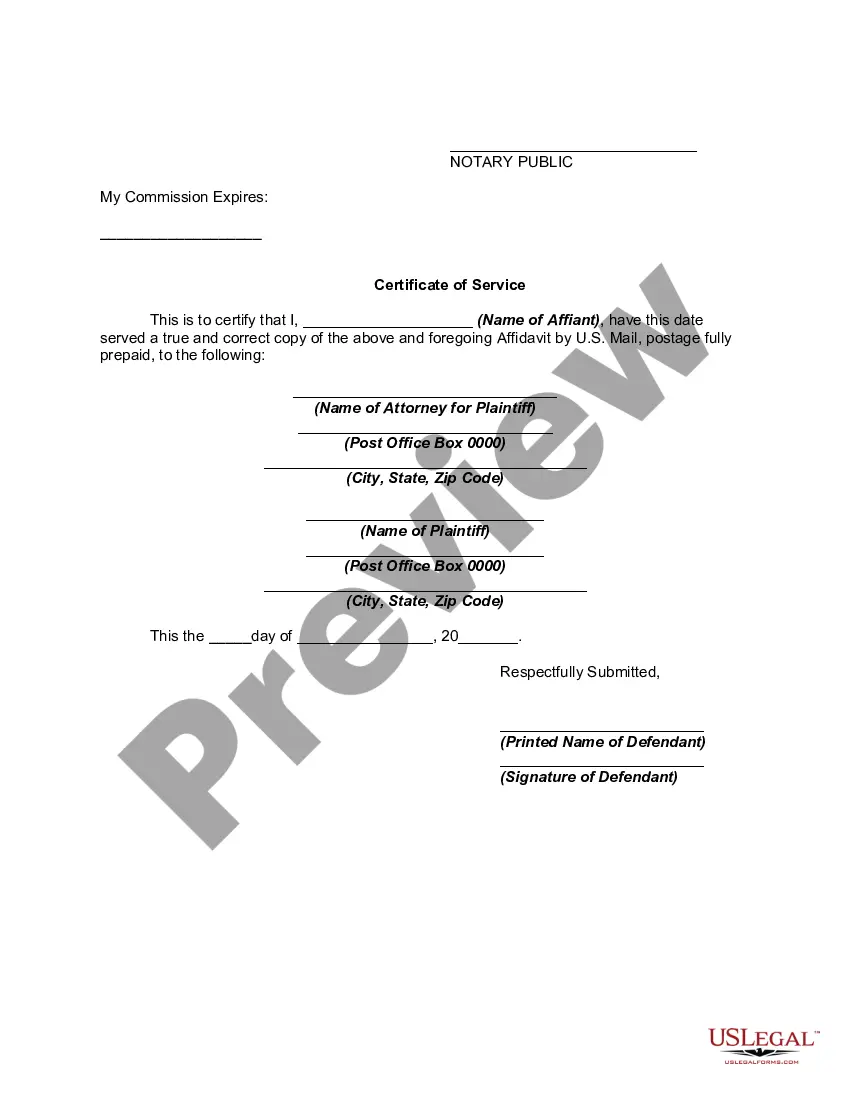




Get your form ready online
Our built-in tools help you complete, sign, share, and store your documents in one place.
Make edits, fill in missing information, and update formatting in US Legal Forms—just like you would in MS Word.
Download a copy, print it, send it by email, or mail it via USPS—whatever works best for your next step.
Sign and collect signatures with our SignNow integration. Send to multiple recipients, set reminders, and more. Go Premium to unlock E-Sign.
If this form requires notarization, complete it online through a secure video call—no need to meet a notary in person or wait for an appointment.
We protect your documents and personal data by following strict security and privacy standards.

Make edits, fill in missing information, and update formatting in US Legal Forms—just like you would in MS Word.

Download a copy, print it, send it by email, or mail it via USPS—whatever works best for your next step.

Sign and collect signatures with our SignNow integration. Send to multiple recipients, set reminders, and more. Go Premium to unlock E-Sign.

If this form requires notarization, complete it online through a secure video call—no need to meet a notary in person or wait for an appointment.

We protect your documents and personal data by following strict security and privacy standards.
Looking for another form?




Form popularity
FAQ
(f) Motion to Strike. A party may move to strike or the court may strike redundant, immaterial, impertinent, or scandalous matter from any pleading at any time.
Rule 2206 - Petitions for Approval of Settlements and Distribution in Wrongful Death/Survival Actions.
A motion to strike is a request to a judge that part of a party's pleading or a piece of evidence be removed from the record.
Rule 2206 - Settlement, compromise, discontinuance and judgment (a) No action for wrongful death in which a minor or an incapacitated person has an interest shall be discontinued nor shall the interest of a minor or an incapacitated person in any such action or in a judgment for damages recovered therein be compromised ...
Rule 1028 - Preliminary Objections (a) Preliminary objections may be filed by any party to any pleading and are limited to the following grounds: (1) lack of jurisdiction over the subject matter of the action or the person of the defendant, improper venue or improper form or service of a writ of summons or a complaint; ...
Motion to Dismiss (a) Upon the commencement of any action filed by a pro se plaintiff in the court of common pleas, a defendant may file a motion to dismiss the action on the basis that: (1) The pro se plaintiff is alleging the same or related claims which the pro se plaintiff raised in a prior action against the same ...
If you want to file a motion, the process is generally something like this: You write your motion. You file your motion with the court clerk. The court clerk inserts the date and time your motion will be heard by the judge. You “serve” (mail) your motion to the other side.
A motion to strike is a request to a judge that part of a party's pleading or a piece of evidence be removed from the record. During the pleading stage, this can be accomplished by a tool such as Rule 12(f) of the Federal Rules of Civil Procedure or a state equivalent.
A motion to dismiss is typically filed by a defendant at the outset of a case. The purpose of this motion is to argue that even if all the allegations in the plaintiff's complaint are true, there is no legal basis for the lawsuit to proceed.
