Divorce Modification With Agreement In Ohio
Description

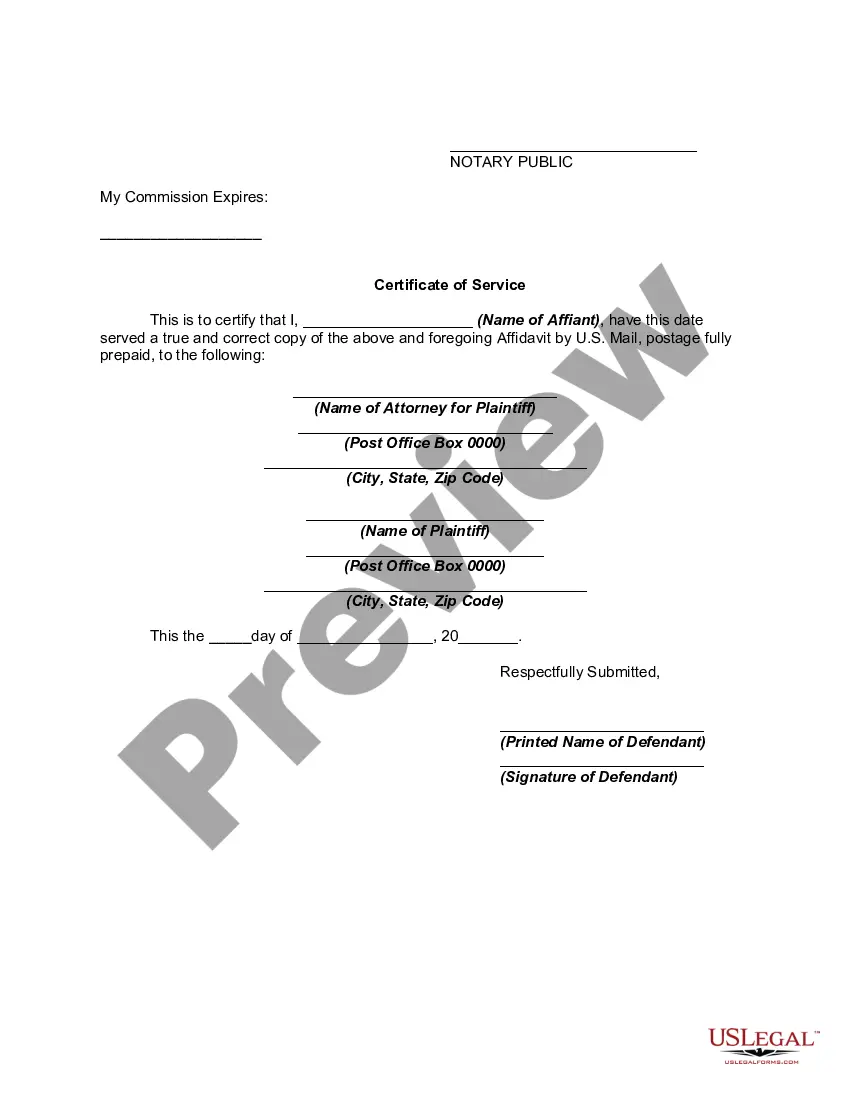




Get your form ready online
Our built-in tools help you complete, sign, share, and store your documents in one place.
Make edits, fill in missing information, and update formatting in US Legal Forms—just like you would in MS Word.
Download a copy, print it, send it by email, or mail it via USPS—whatever works best for your next step.
Sign and collect signatures with our SignNow integration. Send to multiple recipients, set reminders, and more. Go Premium to unlock E-Sign.
If this form requires notarization, complete it online through a secure video call—no need to meet a notary in person or wait for an appointment.
We protect your documents and personal data by following strict security and privacy standards.

Make edits, fill in missing information, and update formatting in US Legal Forms—just like you would in MS Word.

Download a copy, print it, send it by email, or mail it via USPS—whatever works best for your next step.

Sign and collect signatures with our SignNow integration. Send to multiple recipients, set reminders, and more. Go Premium to unlock E-Sign.

If this form requires notarization, complete it online through a secure video call—no need to meet a notary in person or wait for an appointment.

We protect your documents and personal data by following strict security and privacy standards.
Looking for another form?
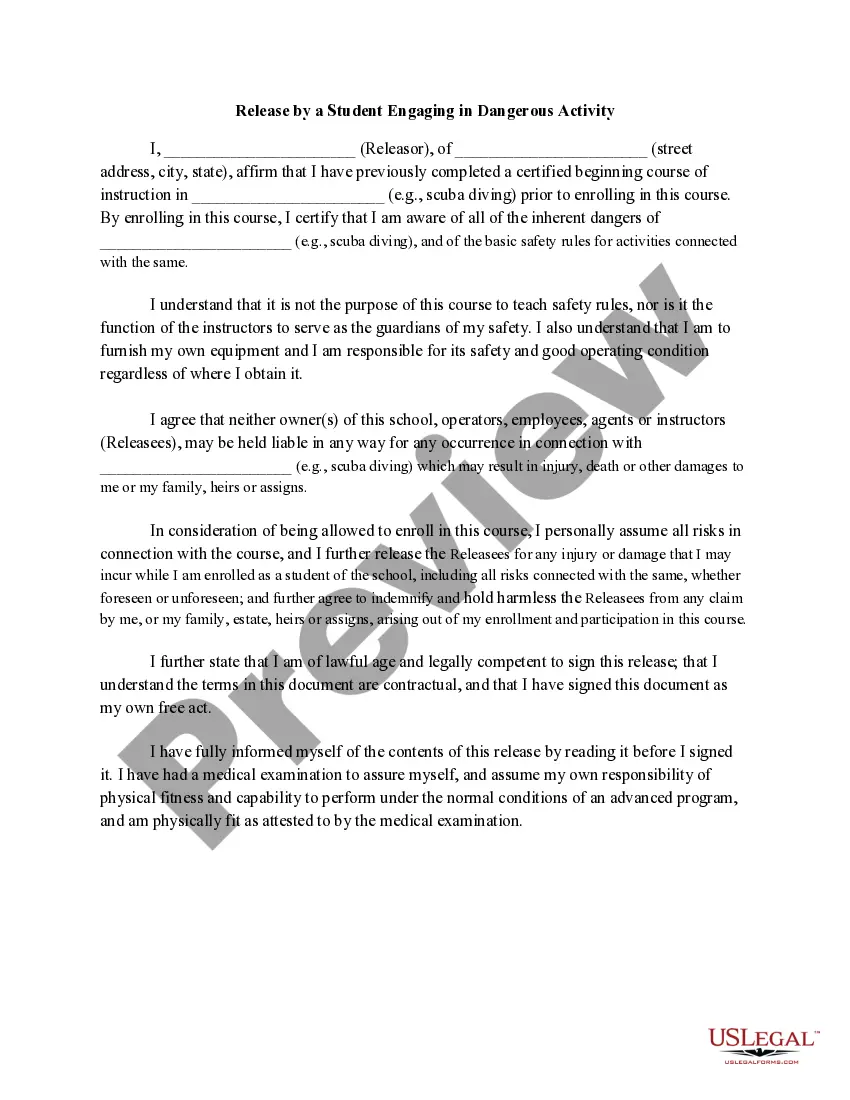
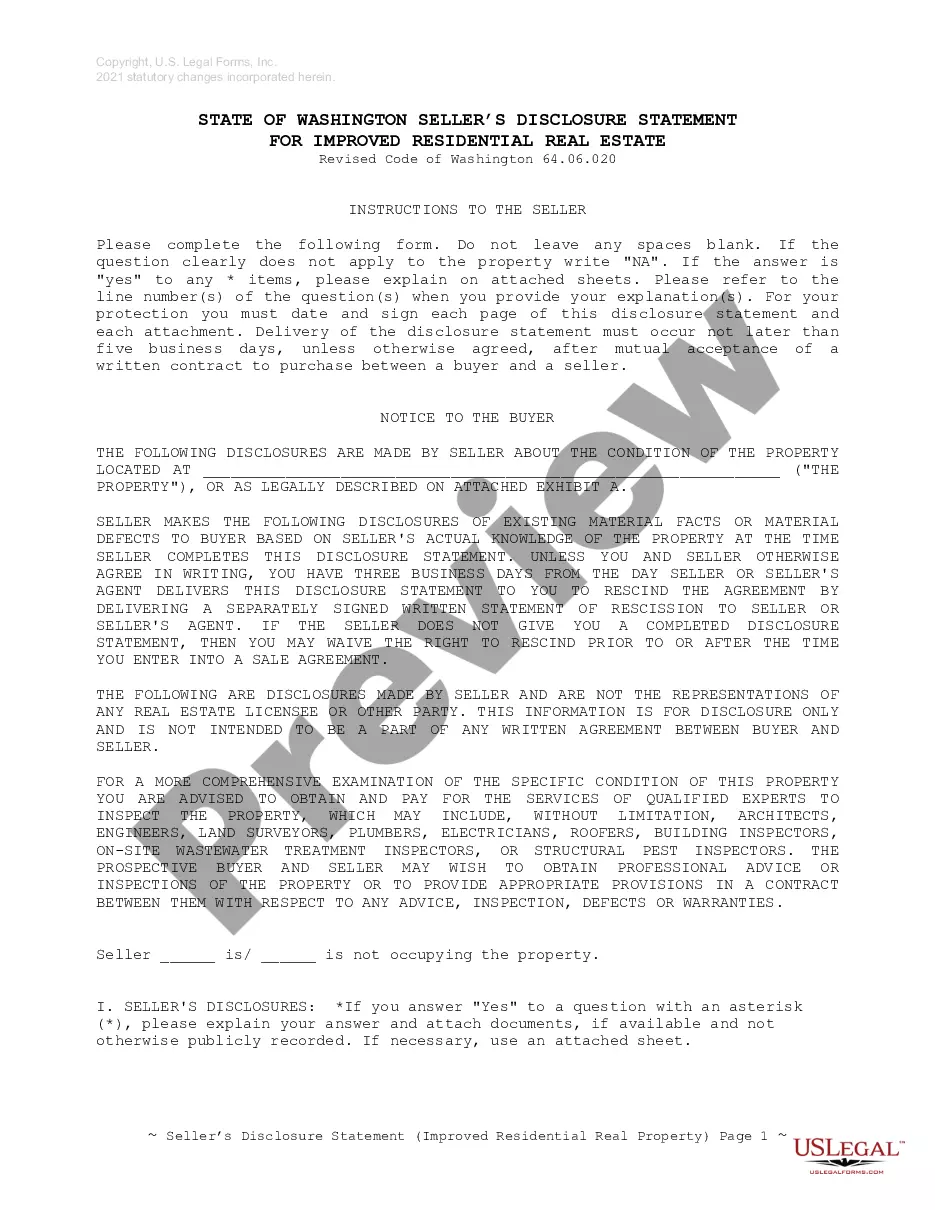


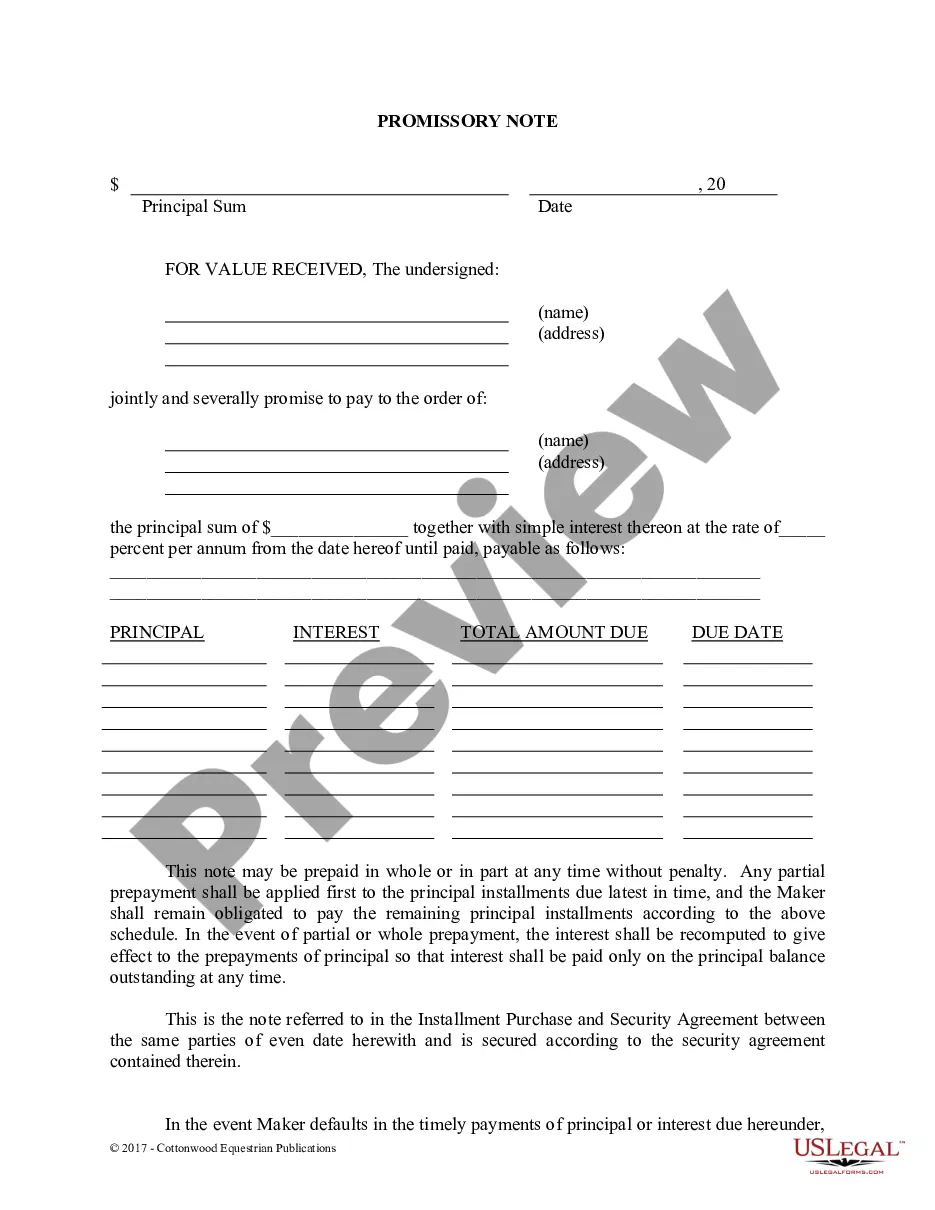




Form popularity
FAQ
Modifying a Divorce Decree in Ohio People can retain the right to amend the property and debt division by agreement, but this needs to be spelled out quite exactly. However, other aspects, especially those relating to children, may need to be changed.
Yes, if all involved parties are in agreement with the change and sign off on it. If the mediation is the result of a court action the change must take place before it becomes a record of the court. Otherwise you must petition the court for a change.
Yes, you can amend a marital settlement, with both parties agreeing.
The court will consider reopening a divorce settlement only in exceptional cases either where a spouse has failed to provide full and frank disclosure about their wealth and income in divorce proceedings or there has been a material change in a spouse's circumstances since the agreement was reached.
In this blog, we'll explore some phrases to avoid during mediation and offer guidance on how to communicate effectively. Avoid Making Accusatory Statements. Avoid Refusing to Communicate. Avoid Making Unrealistic Demands. Don't Discuss Your Legal Strategy. Avoid Bringing Up the Past. Don't Say You Refuse to Budge.
As long as the mediation agreement is well-drafted and consistent with California law, courts typically enforce the terms of the contract. The final ruling will usually order the party who breached the contract to rectify the breach and apply any penalties listed in the contract.
If you do not reach an agreement at your court-ordered mediation, the mediator must report to the court the fact that no agreement was reached. The confidentiality rules still apply. Even if you do not reach an agreement during the mediation, you may continue to try to settle your case after mediation.
You must approach the court for a change to the mediation agreement. But, be aware that obtaining a change in the settled agreement is normally only allowed if one party committed an act of fraud in the mediation process.
Yes, it is possible for spouses to create a divorce settlement agreement outside of the courtroom, especially when both parties are in agreement on the terms of the divorce.
An “oral hearing,” also know as a “Rule 75 hearing,” is available if either party wishes to contest a temporary order. If there are minor children born as issue of the marriage, both parents will be required to attend a Parenting class in the county where the case is filed.
