Alimony Calculator For Sc In North Carolina
Description
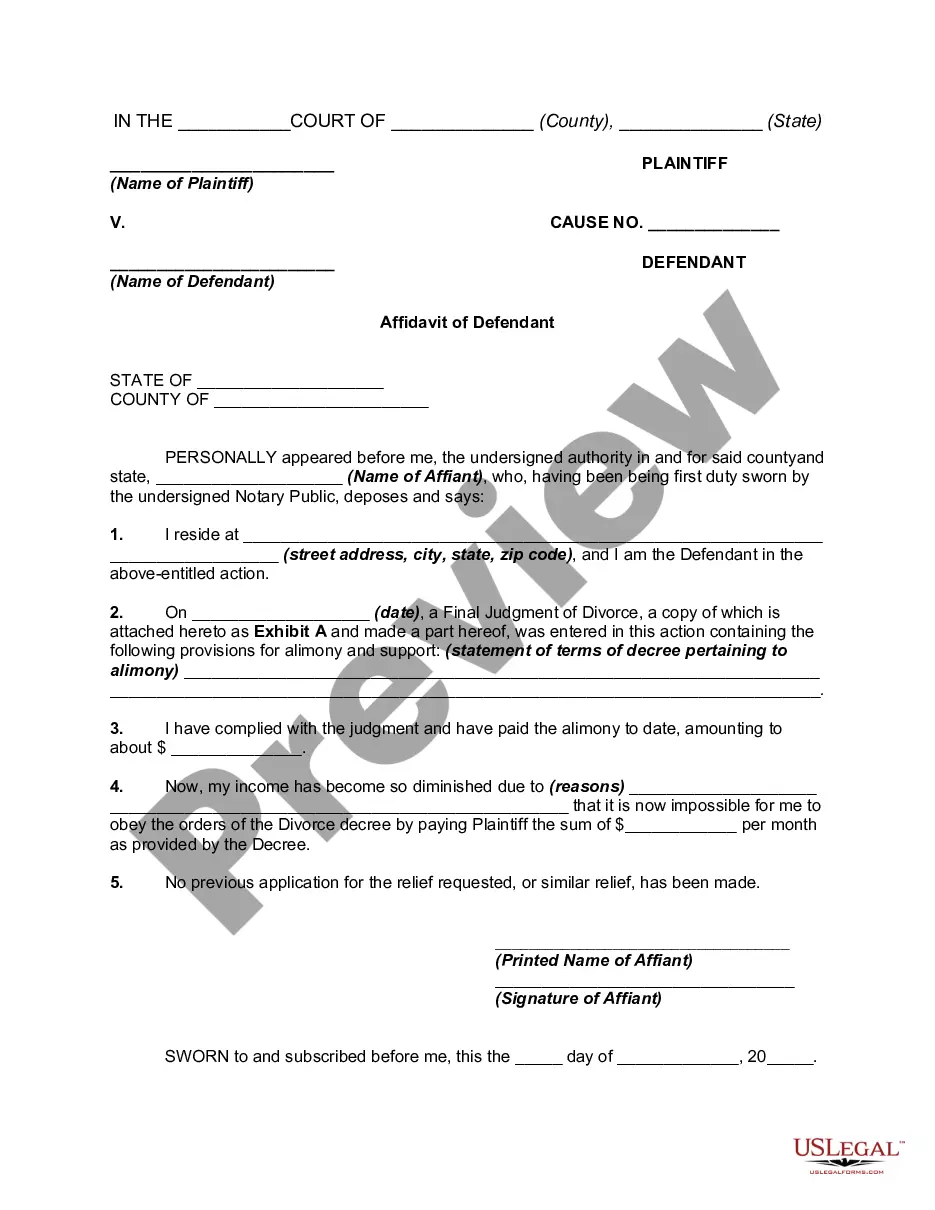
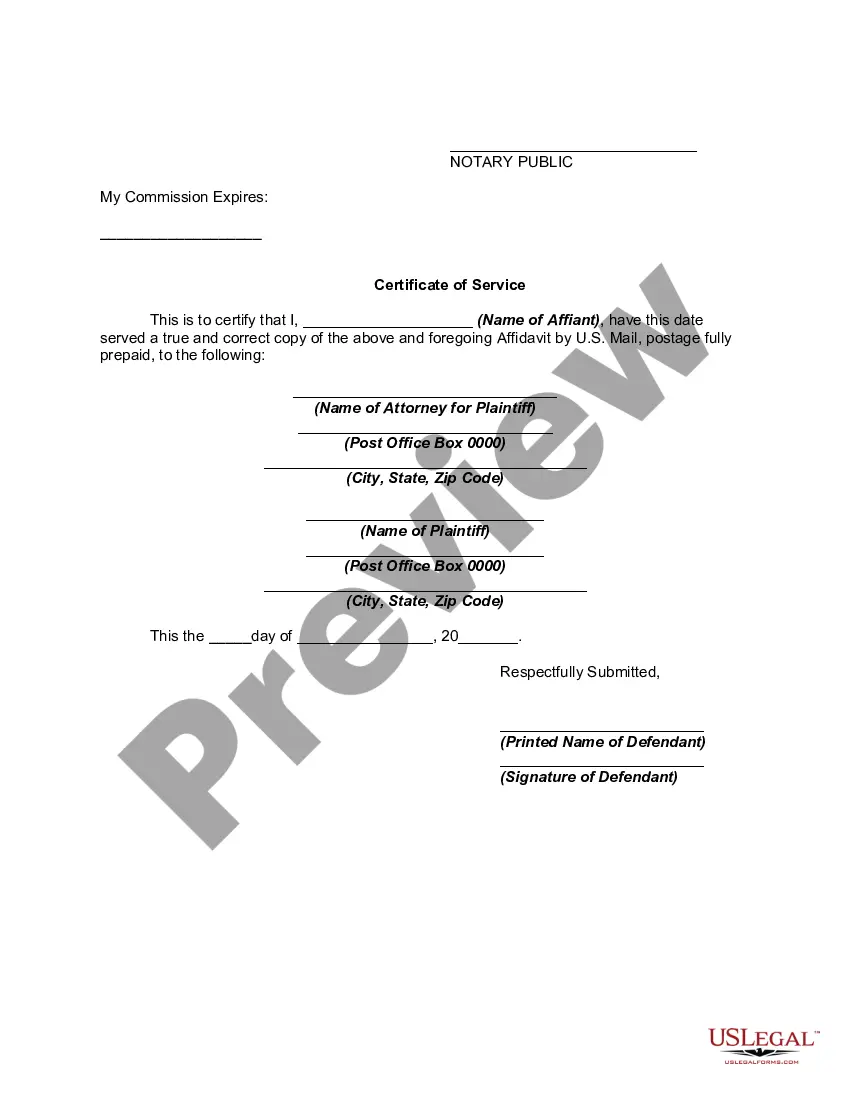
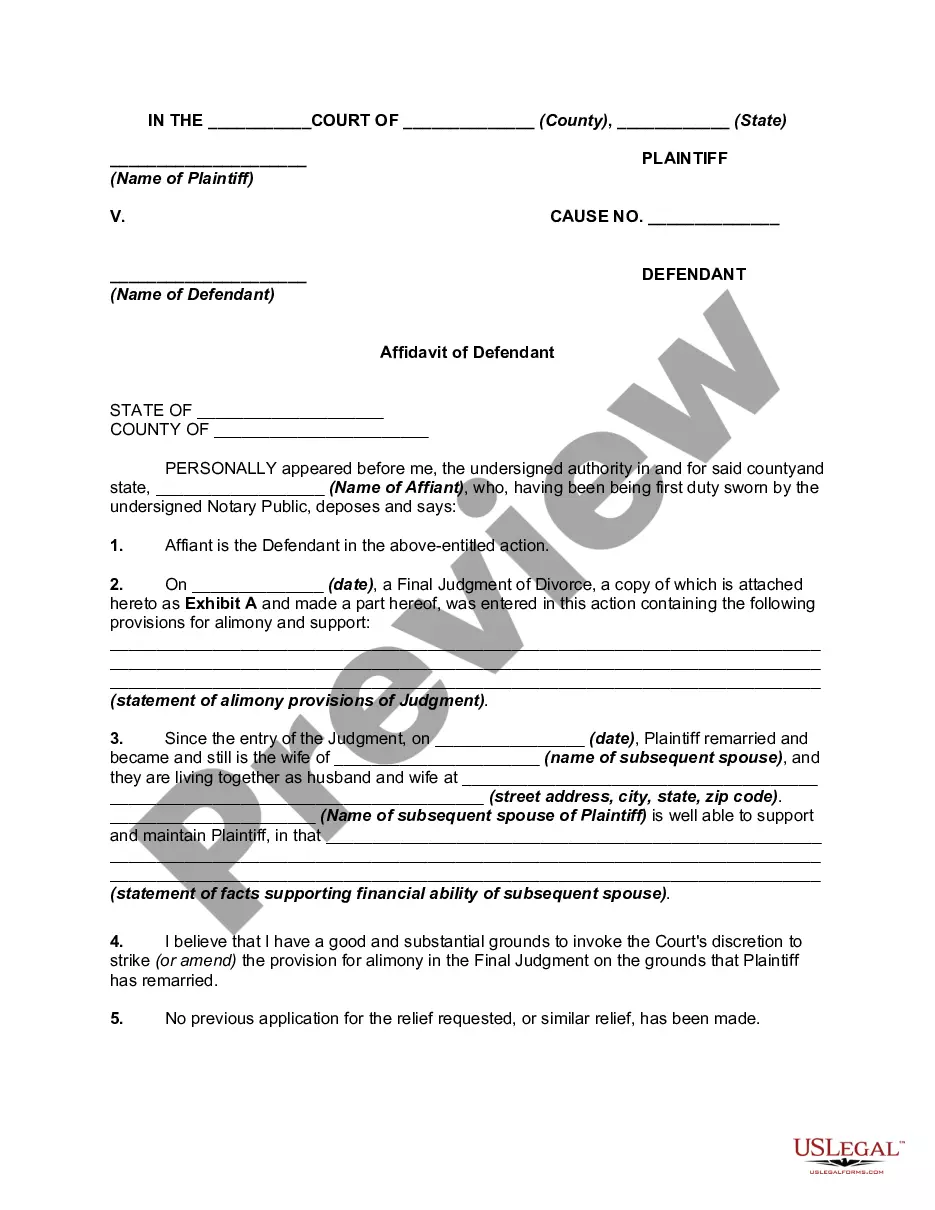
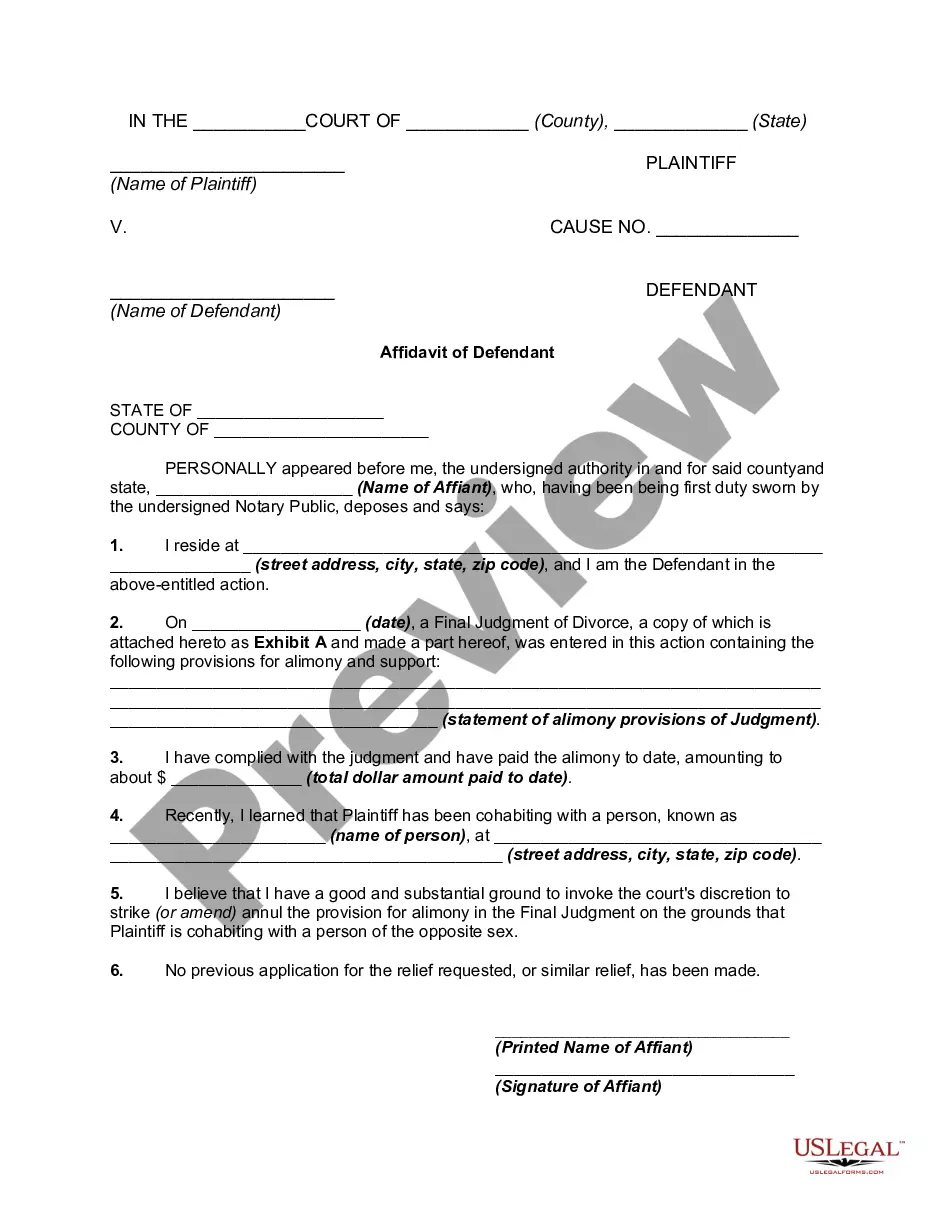
Get your form ready online
Our built-in tools help you complete, sign, share, and store your documents in one place.
Make edits, fill in missing information, and update formatting in US Legal Forms—just like you would in MS Word.
Download a copy, print it, send it by email, or mail it via USPS—whatever works best for your next step.
Sign and collect signatures with our SignNow integration. Send to multiple recipients, set reminders, and more. Go Premium to unlock E-Sign.
If this form requires notarization, complete it online through a secure video call—no need to meet a notary in person or wait for an appointment.
We protect your documents and personal data by following strict security and privacy standards.

Make edits, fill in missing information, and update formatting in US Legal Forms—just like you would in MS Word.

Download a copy, print it, send it by email, or mail it via USPS—whatever works best for your next step.

Sign and collect signatures with our SignNow integration. Send to multiple recipients, set reminders, and more. Go Premium to unlock E-Sign.

If this form requires notarization, complete it online through a secure video call—no need to meet a notary in person or wait for an appointment.

We protect your documents and personal data by following strict security and privacy standards.
Looking for another form?
Form popularity
FAQ
Adultery. Abandonment. Reckless spending, such as gambling assets. Physical, emotional, or verbal abuse.
California Alimony California determines alimony based on the recipient's “marital standard of living,” which aims to allow the spouse to continue living in a similar manner as during the marriage.
To receive alimony, you need to file a request with the court. The court will then determine which spouse is dependent and who is the supporting spouse. The court will base the amount of alimony on what it considers equitable, or fair, given the financial needs of each spouse.
North Carolina doesn't provide a formula for calculating postseparation support or alimony. Instead, judges use their best judgment after considering the circumstances in each particular case. But the specific considerations that will go into their decisions are different for postseparation support and alimony.
Filing for Alimony in NC It must be requested and negotiated for. To receive spousal support, you need to file a request with the court as part of your divorce proceeding. The court will then determine which spouse is dependent and who is the supporting spouse.
To qualify, a spouse must be dependent on the other, and there must be a significant income disparity. The spouse seeking alimony must present evidence, explaining how an award is equitable, considering all relevant factors.
What is a spouse entitled to in a divorce in NC? A spouse is typically entitled to some amount of alimony or spousal support, depending on the decision of the NC divorce courts. A spouse may also be entitled to a 50/50 split of marital property if so decided by the courts.
40% of the high earner's net monthly income minus 50% of the low earner's net monthly income. For instance, if Spouse A earns $5,000 per month and Spouse B earns $2,500 per month, temporary spousal support might be calculated as follows: 40% of $5,000 = $2,000. 50% of $2,500 = $1,250.
North Carolina law does not have a formula for setting alimony. The judge decides how much alimony is appropriate after analyzing many factors. If support is awarded, the court also determines whether the support will be temporary or ongoing.
The duration of the marriage, mental and emotional state of the spouse and issues of marital misconduct (such as infidelity) are among other elements considered in the awarding of alimony. There is no precise formula for determining how much alimony a spouse will be awarded in a divorce case.