Examples Of Alimony In Kings
Description

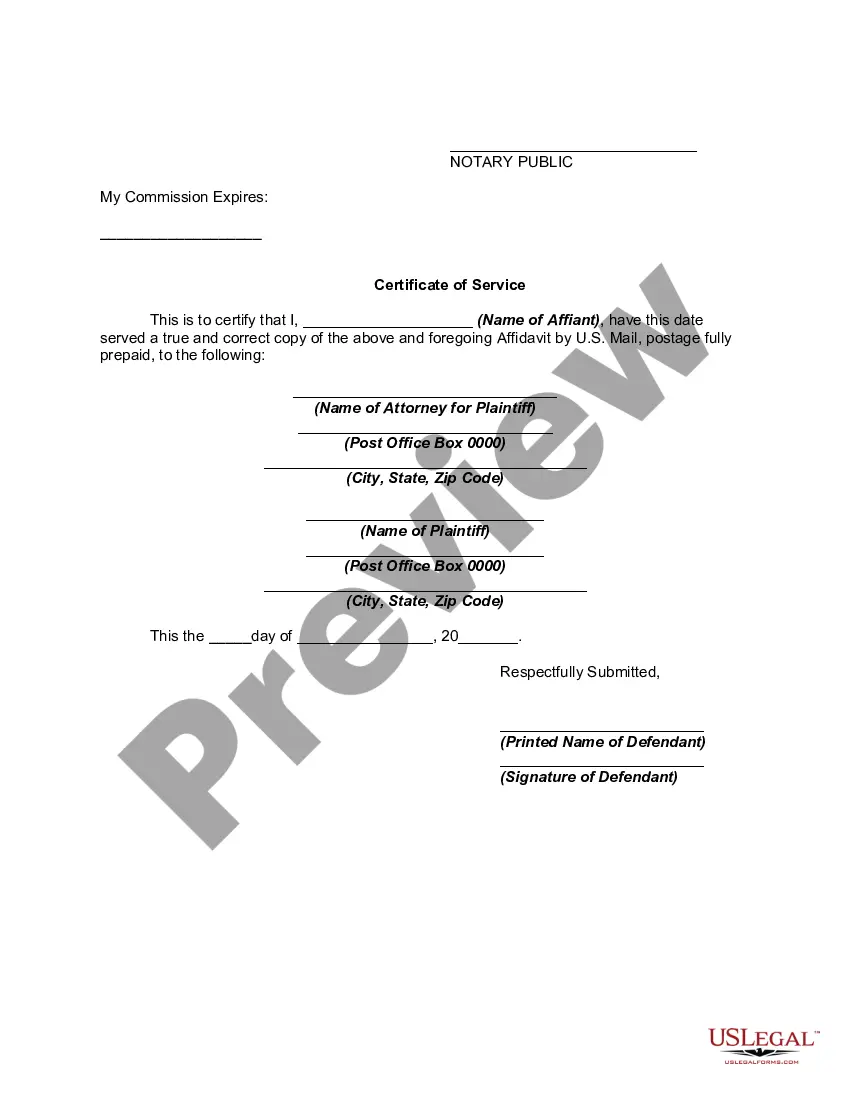




Get your form ready online
Our built-in tools help you complete, sign, share, and store your documents in one place.
Make edits, fill in missing information, and update formatting in US Legal Forms—just like you would in MS Word.
Download a copy, print it, send it by email, or mail it via USPS—whatever works best for your next step.
Sign and collect signatures with our SignNow integration. Send to multiple recipients, set reminders, and more. Go Premium to unlock E-Sign.
If this form requires notarization, complete it online through a secure video call—no need to meet a notary in person or wait for an appointment.
We protect your documents and personal data by following strict security and privacy standards.

Make edits, fill in missing information, and update formatting in US Legal Forms—just like you would in MS Word.

Download a copy, print it, send it by email, or mail it via USPS—whatever works best for your next step.

Sign and collect signatures with our SignNow integration. Send to multiple recipients, set reminders, and more. Go Premium to unlock E-Sign.

If this form requires notarization, complete it online through a secure video call—no need to meet a notary in person or wait for an appointment.

We protect your documents and personal data by following strict security and privacy standards.
Looking for another form?





Form popularity
FAQ
Alimony, also called aliment (Scotland), maintenance (England, Ireland, Northern Ireland, Wales, Canada, New Zealand), spousal support (U.S., Canada) and spouse maintenance (Australia), is a legal obligation on a person to provide financial support to their spouse before or after marital separation or divorce.
The most common type of spousal support is usually called rehabilitative alimony—because it's meant to "rehabilitate" dependent spouses by giving them financial support while they gain the education, training, or work experience needed to become self-supporting.
It's crucial to underline that California law emphasizes gender neutrality. This ensures that both men and women have the right to seek and receive spousal support based on their financial needs and other relevant factors. So, gentlemen, you have the same legal entitlement to spousal support as women do.
Traditionally, the main reason why women received alimony much more often than men was because of the role they took on as a homemaker who stayed home to raise children. Now, more men are taking on the role of a homemaker and more women are becoming the primary or sole breadwinner.
40% of the high earner's net monthly income minus 50% of the low earner's net monthly income. For instance, if Spouse A earns $5,000 per month and Spouse B earns $2,500 per month, temporary spousal support might be calculated as follows: 40% of $5,000 = $2,000. 50% of $2,500 = $1,250.
The formula is simple: Divide the Wife's annual amount by the interest rate: $100,000 divided by . 10 = $1 million. The formula is known as the present value of a perpetuity because it continues in perpetuity.
It depends. If used by an experienced family law attorney who knows what they are doing, it may provide a range of potential numbers. But this requires program tweaking—something that online California alimony calculators generally cannot do.
If you are still living with your spouse or former spouse, alimony payments are not tax-deductible. You must make payments after physical separation for them to qualify as tax-deductible. Don't file a joint tax return. If you and your spouse file a joint income tax return, you can't deduct alimony payments.
40% of the high earner's net monthly income minus 50% of the low earner's net monthly income. For instance, if Spouse A earns $5,000 per month and Spouse B earns $2,500 per month, temporary spousal support might be calculated as follows: 40% of $5,000 = $2,000. 50% of $2,500 = $1,250.
The person asking for alimony must show the court that he or she needs financial support, and that the other spouse has the ability to provide financial support.
