Motion To Strike Form For Discovery In Houston
Description





Get your form ready online
Our built-in tools help you complete, sign, share, and store your documents in one place.
Make edits, fill in missing information, and update formatting in US Legal Forms—just like you would in MS Word.
Download a copy, print it, send it by email, or mail it via USPS—whatever works best for your next step.
Sign and collect signatures with our SignNow integration. Send to multiple recipients, set reminders, and more. Go Premium to unlock E-Sign.
If this form requires notarization, complete it online through a secure video call—no need to meet a notary in person or wait for an appointment.
We protect your documents and personal data by following strict security and privacy standards.

Make edits, fill in missing information, and update formatting in US Legal Forms—just like you would in MS Word.

Download a copy, print it, send it by email, or mail it via USPS—whatever works best for your next step.

Sign and collect signatures with our SignNow integration. Send to multiple recipients, set reminders, and more. Go Premium to unlock E-Sign.

If this form requires notarization, complete it online through a secure video call—no need to meet a notary in person or wait for an appointment.

We protect your documents and personal data by following strict security and privacy standards.
Looking for another form?

Form popularity
FAQ
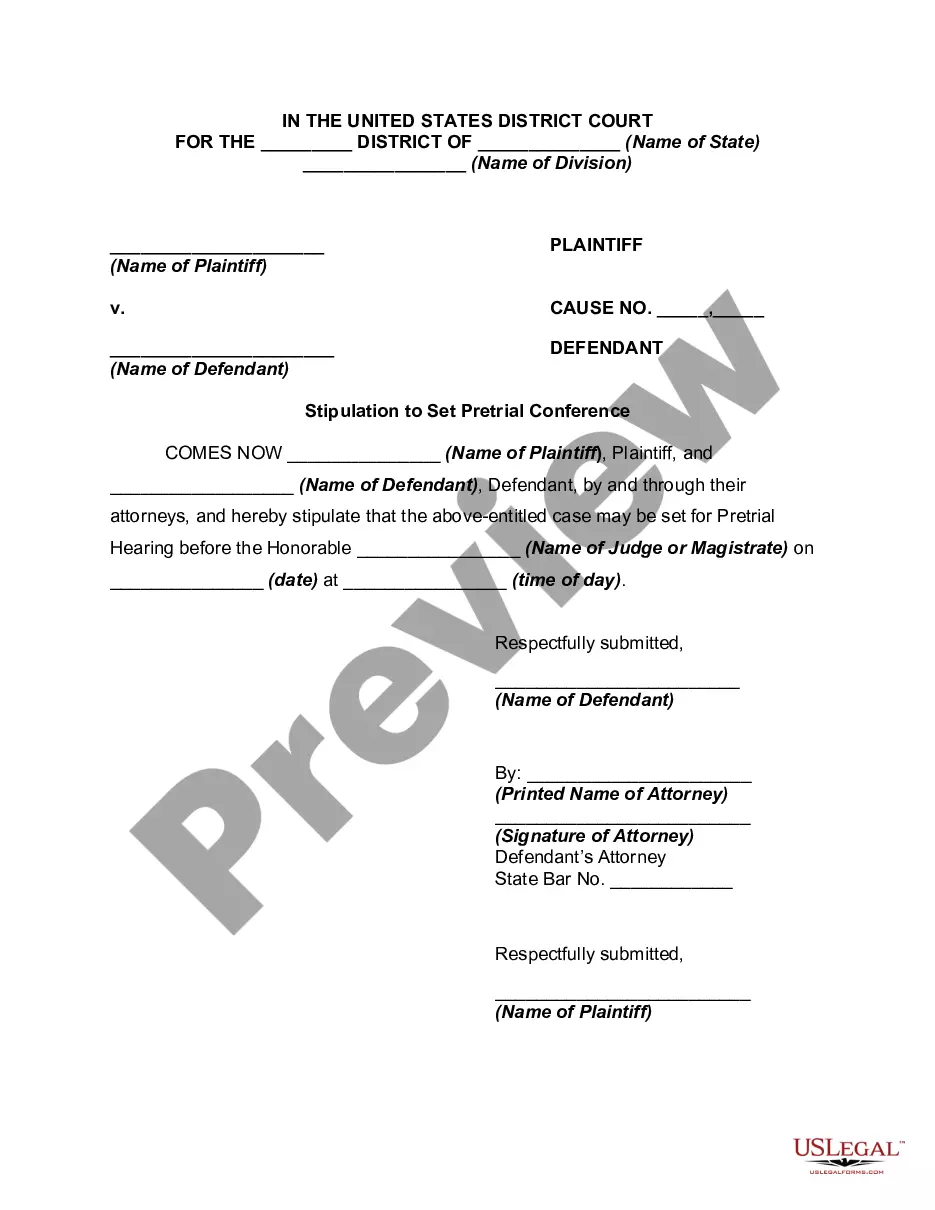
A Motion for Discovery must be in writing, with a signature, and be served on the other party in ance with the T.R.C.P 501.4. A Certificate of Service must be attached to the motion that states when and how you served the document on the other party and it must be signed.
Generally, the prosecution must provide discovery within a set period after the defense's formal request, often ranging from a few weeks to several months. Evidence should be available to the defense either at the preliminary hearing or after the accused has been indicted by a grand jury.
Reasonable discovery in Small Claims Court is limited to that considered appropriate and permitted by the judge. See Section 28.033, Texas Government Code. Either the plaintiff or the defendant may demand a jury trial.
A person alleging failure to comply with discovery shall file a motion to compel as soon as practicable. A motion to compel shall include the relevant portion of the discovery response at issue.
A person alleging failure to comply with discovery shall file a motion to compel as soon as practicable. A motion to compel shall include the relevant portion of the discovery response at issue.
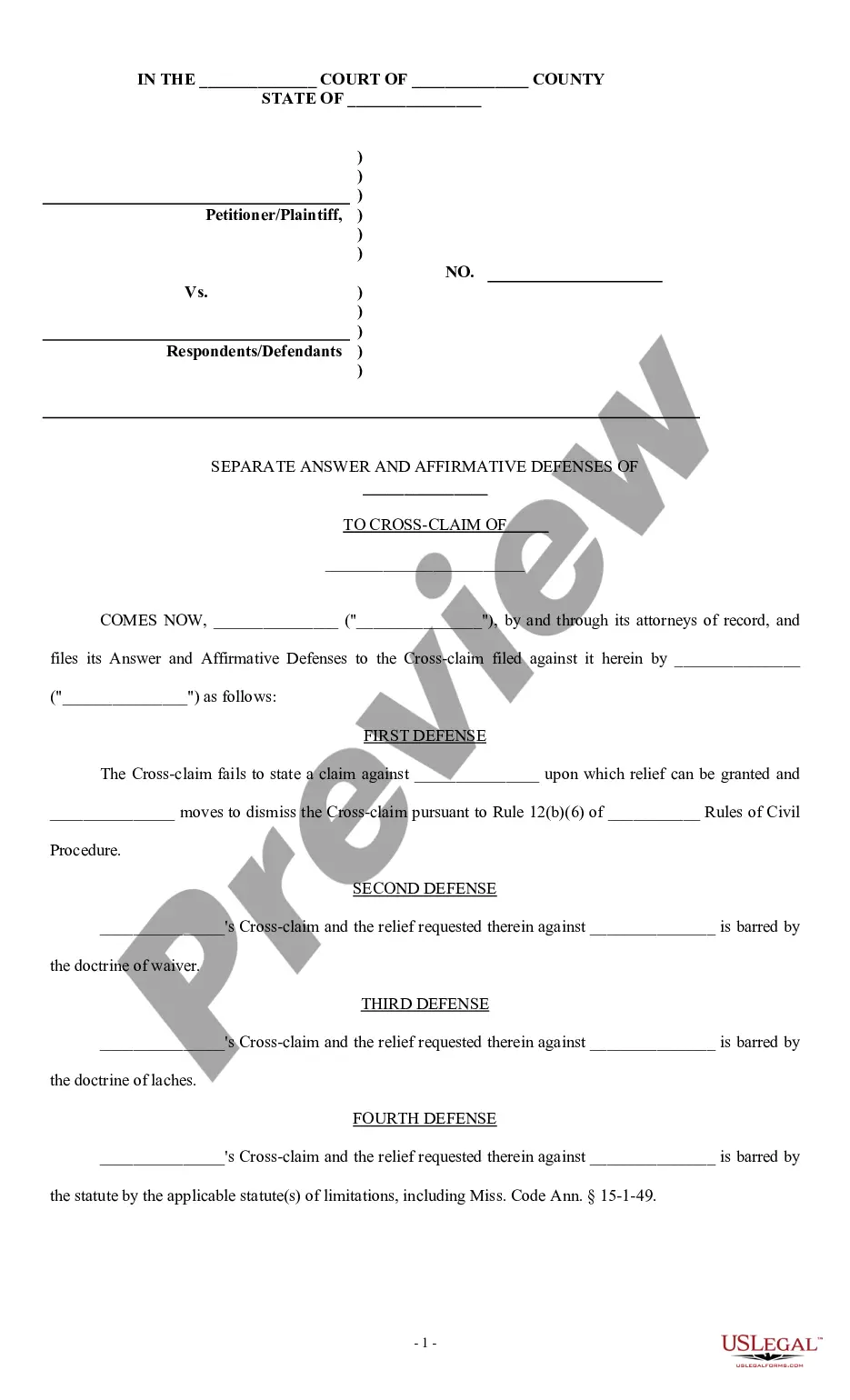
A motion to strike is a request to a judge that part of a party's pleading or a piece of evidence be removed from the record. During the pleading stage, this can be accomplished by a tool such as Rule 12(f) of the Federal Rules of Civil Procedure or a state equivalent.
A motion to strike is a request by one party in a United States trial requesting that the presiding judge order the removal of all or part of the opposing party's pleading to the court.
If a motion to strike a complaint or cross-complaint, or portion thereof, is denied, the court shall allow the party filing the motion to strike to file an answer.
The primary purpose of a motion to strike is to clean up the pleadings by eliminating irrelevant, redundant, or legally insufficient parts. This helps in focusing the litigation on the substantive issues, thereby streamlining the legal process.