Motion To Strike For In Georgia
Description

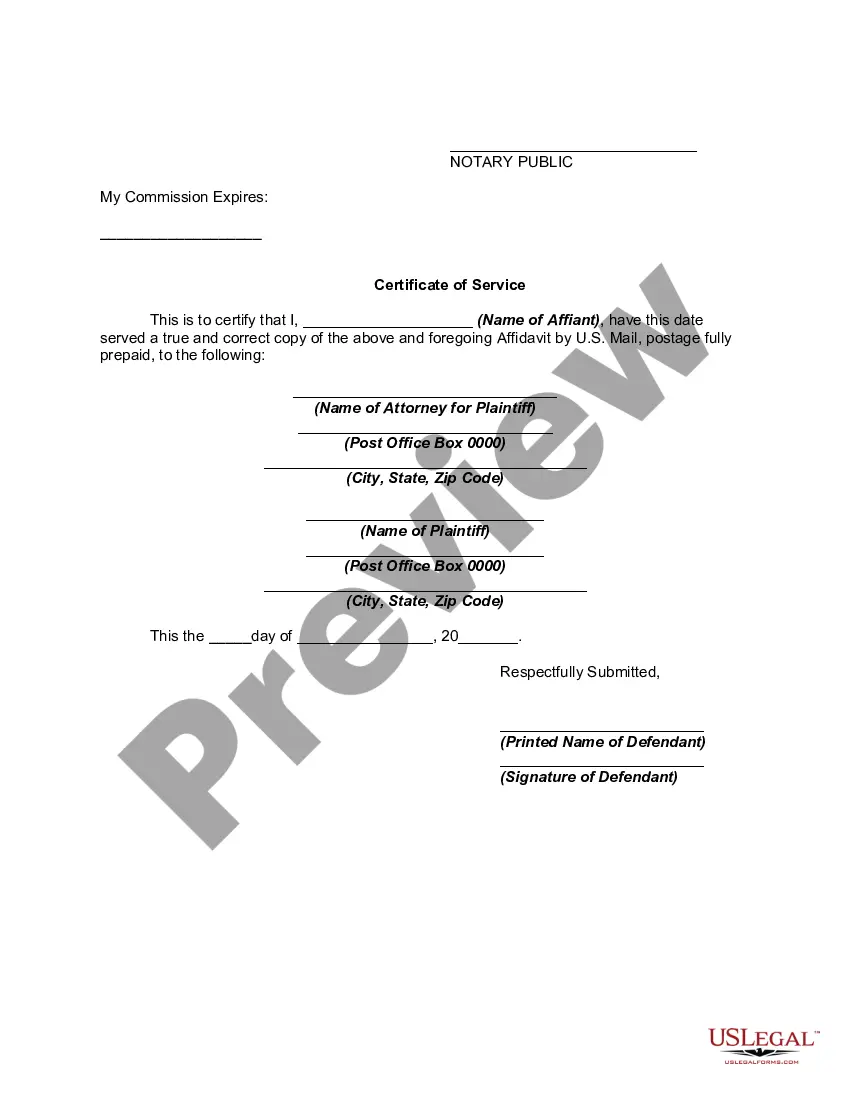




Get your form ready online
Our built-in tools help you complete, sign, share, and store your documents in one place.
Make edits, fill in missing information, and update formatting in US Legal Forms—just like you would in MS Word.
Download a copy, print it, send it by email, or mail it via USPS—whatever works best for your next step.
Sign and collect signatures with our SignNow integration. Send to multiple recipients, set reminders, and more. Go Premium to unlock E-Sign.
If this form requires notarization, complete it online through a secure video call—no need to meet a notary in person or wait for an appointment.
We protect your documents and personal data by following strict security and privacy standards.

Make edits, fill in missing information, and update formatting in US Legal Forms—just like you would in MS Word.

Download a copy, print it, send it by email, or mail it via USPS—whatever works best for your next step.

Sign and collect signatures with our SignNow integration. Send to multiple recipients, set reminders, and more. Go Premium to unlock E-Sign.

If this form requires notarization, complete it online through a secure video call—no need to meet a notary in person or wait for an appointment.

We protect your documents and personal data by following strict security and privacy standards.
Looking for another form?


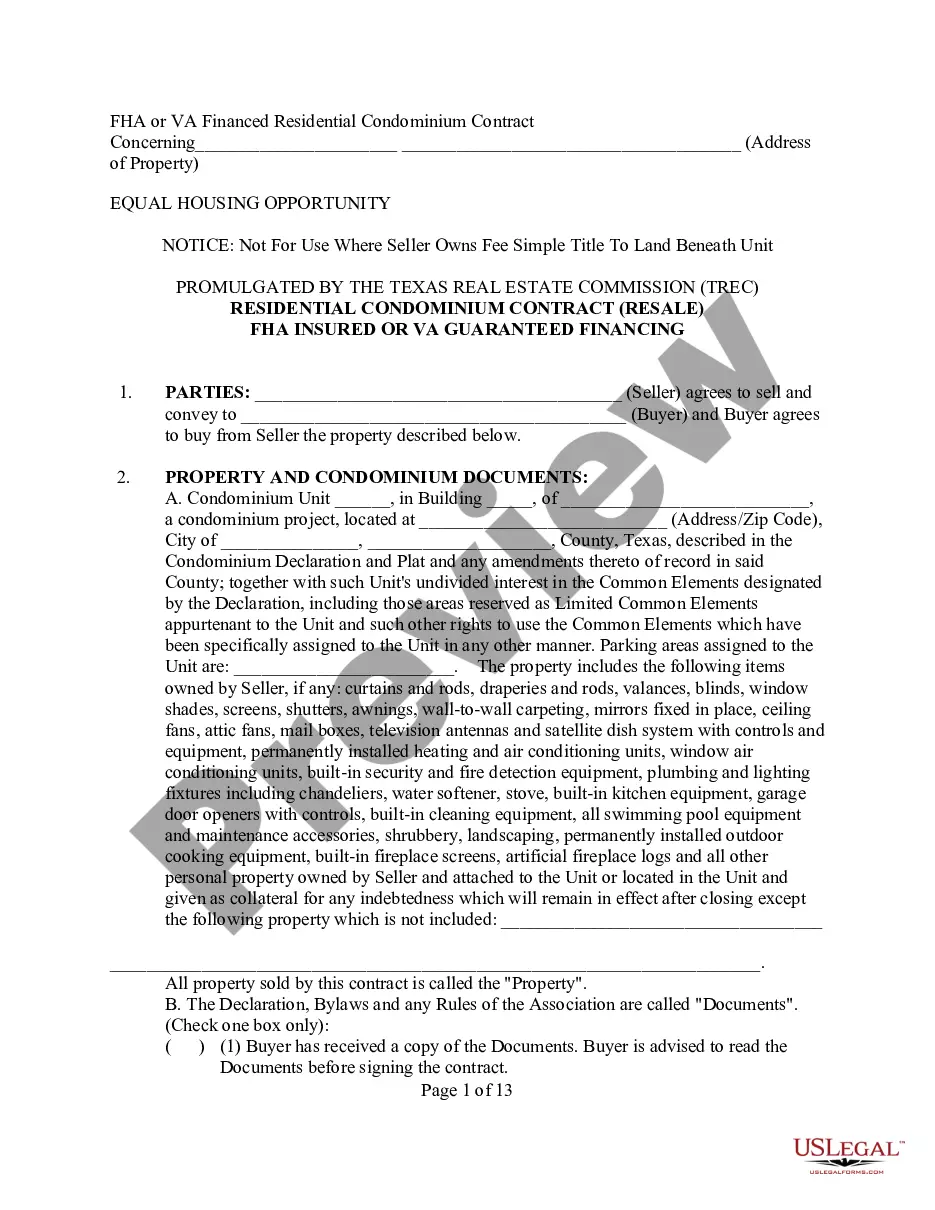


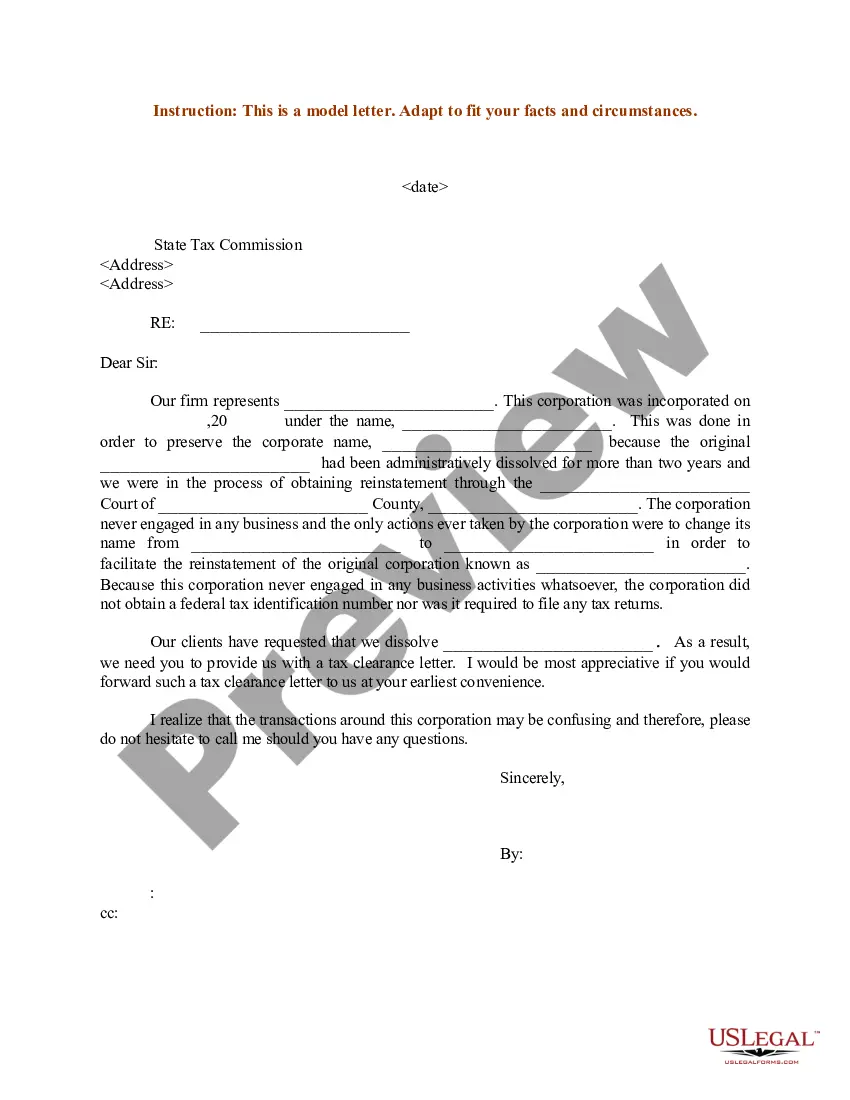

Form popularity
FAQ
If a motion to strike a complaint or cross-complaint, or portion thereof, is denied, the court shall allow the party filing the motion to strike to file an answer.
A motion to strike is a legal request made to a court to remove certain parts of the opposing party's pleadings. This can include irrelevant, redundant, or legally insufficient material from a complaint, answer, or other legal documents.
(f) Motion to strike. Upon motion made by a party within 30 days after the service of the pleading upon him, or upon the court's own initiative at any time, the court may order stricken from any pleading any insufficient defense or any redundant, immaterial, impertinent, or scandalous matter.
A motion to dismiss asks the court to dismiss either whole or part of a complaint, counterclaim, or crossclaim. Motion to strike or "Demurrer": In some jurisdictions, a motion to strike or a "demurrer" is the equivalent to a motion to dismiss for failure to state a claim upon which relief can be granted.
Pleadings do not ask the judge to make decisions. Motions, on the other hand, ask judges to make decisions. Motions are mostly written but can be oral requests that can be presented only after the complaint has been filed.
What happens next? If we filed the motion to strike in a trial court, then we will set the motion to be heard by a judge or magistrate, and be ruled upon. If we filed it in an appeals court, the appeals court will read the motion and offending document and will rule on it without hearing.
The Federal Rules of Civil Procedure states that "The court may strike from a pleading an insufficient defense or any redundant, immaterial, impertinent, or scandalous matter." Similarly, for example, the California Code of Civil Procedure provides that a motion to strike may be made to strike out any "irrelevant, ...
A defendant may choose to submit a motion to dismiss for one of two reasons: 1) to allege a lack of jurisdiction over the defendant; or 2) to show that the plaintiff's claim is without legal or factual merit.
(b) No labor organization and no local shall call or cause any strike, slowdown, or stoppage of work in this state until after 30 days' written notice is given by the labor organization or local to the employer, stating the intention to call the strike, slowdown, or stoppage of work and giving the reasons therefor.
Overview: A Motion to Compel Discovery is filed to request an order for a party to produce a response to a discovery request for documentation of information.
