Child Support And Alimony On Taxes In Florida
Description
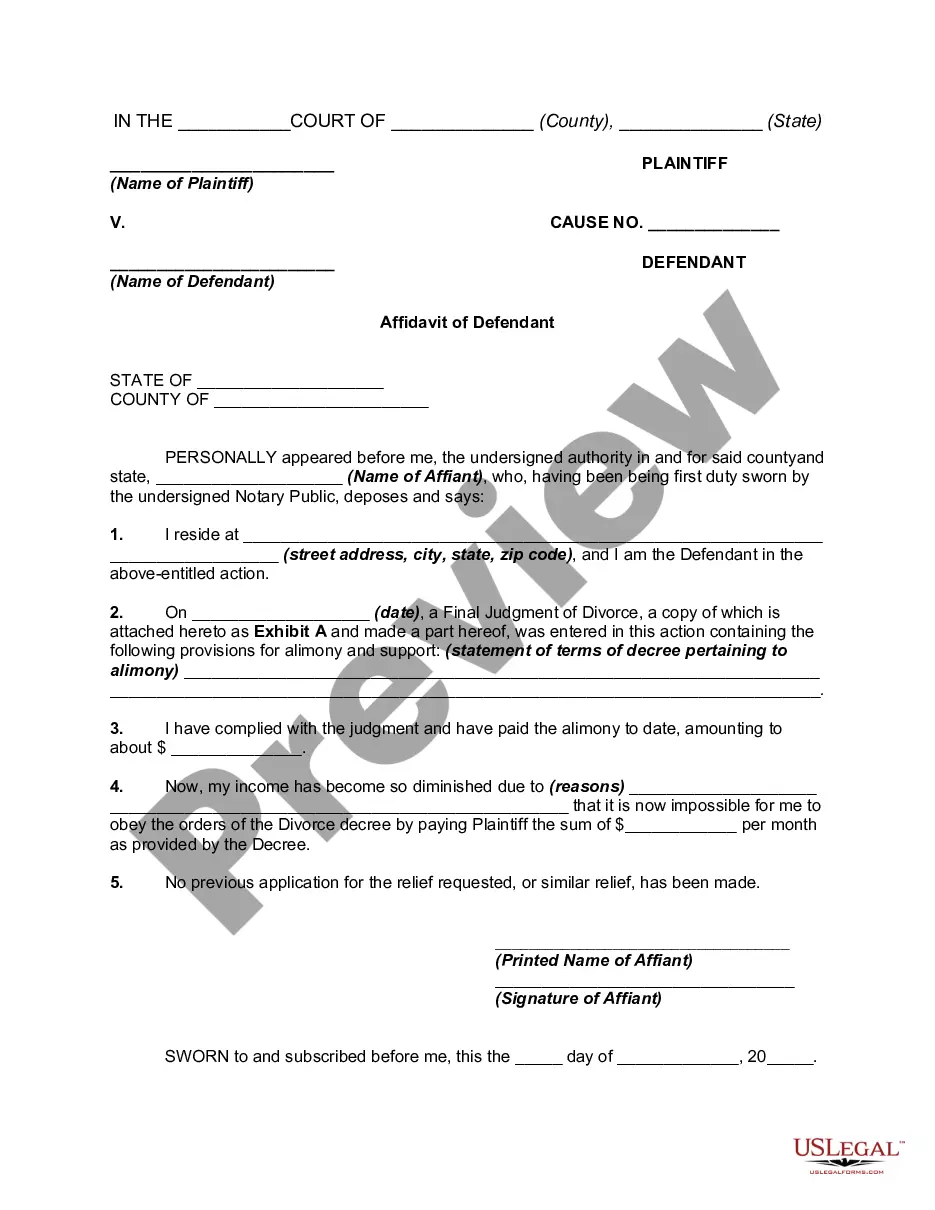
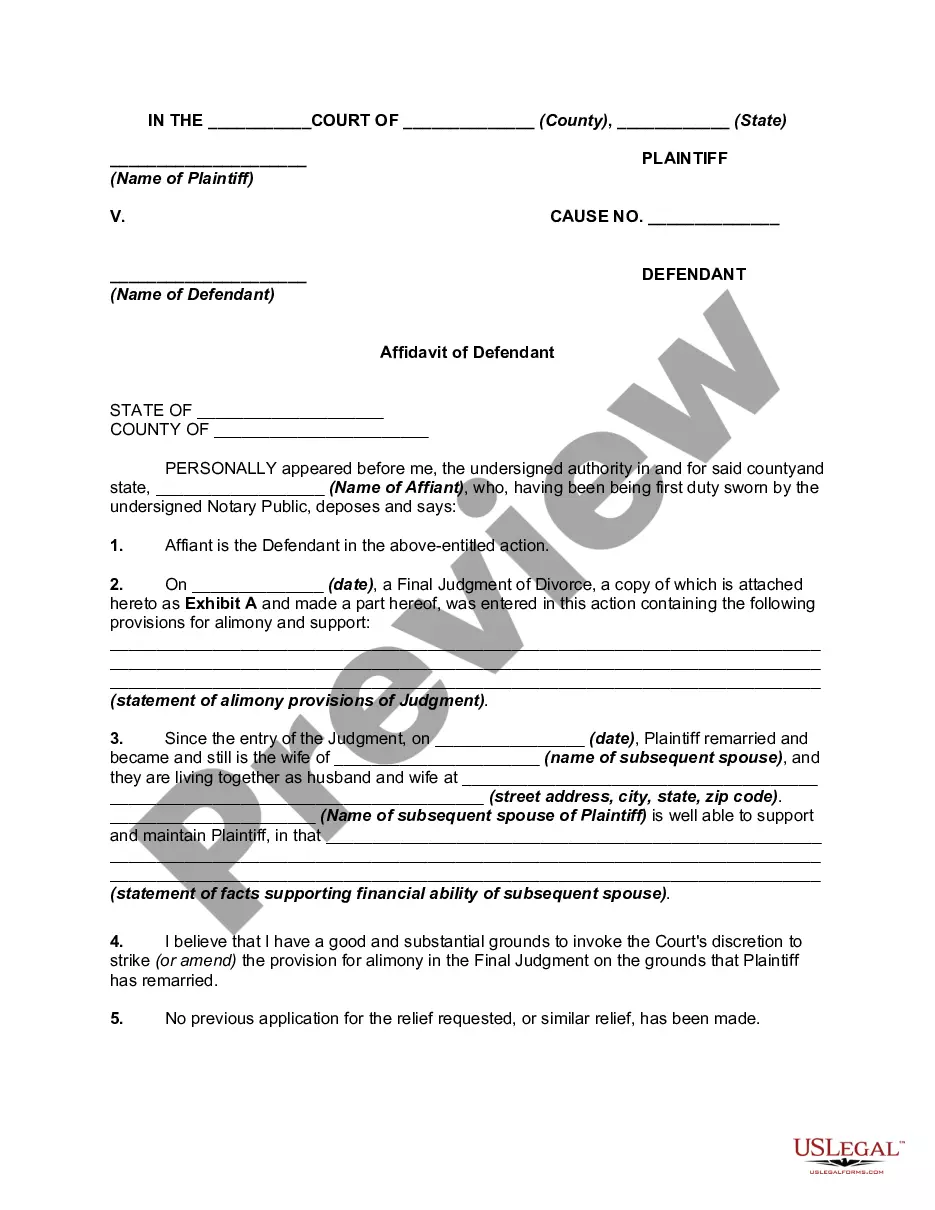
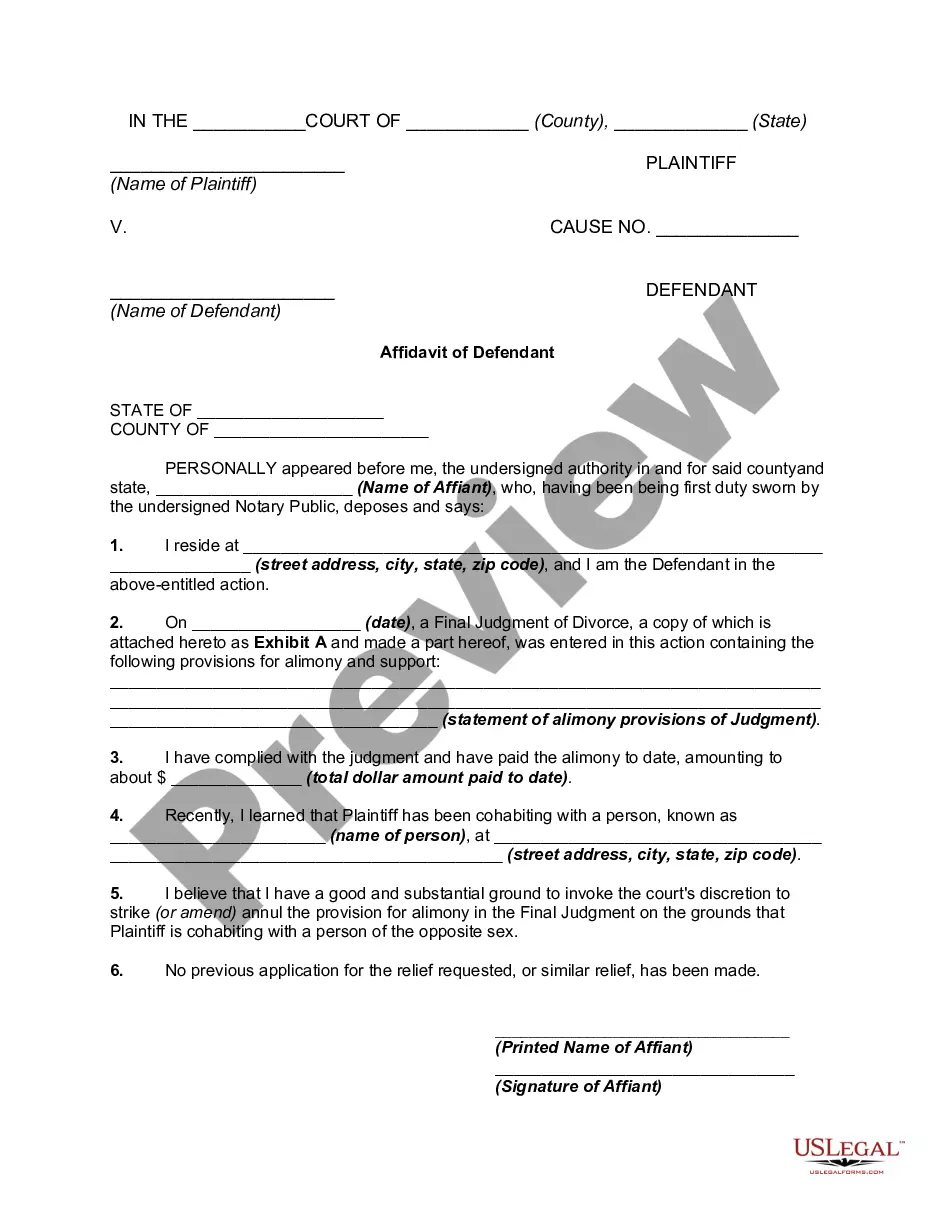
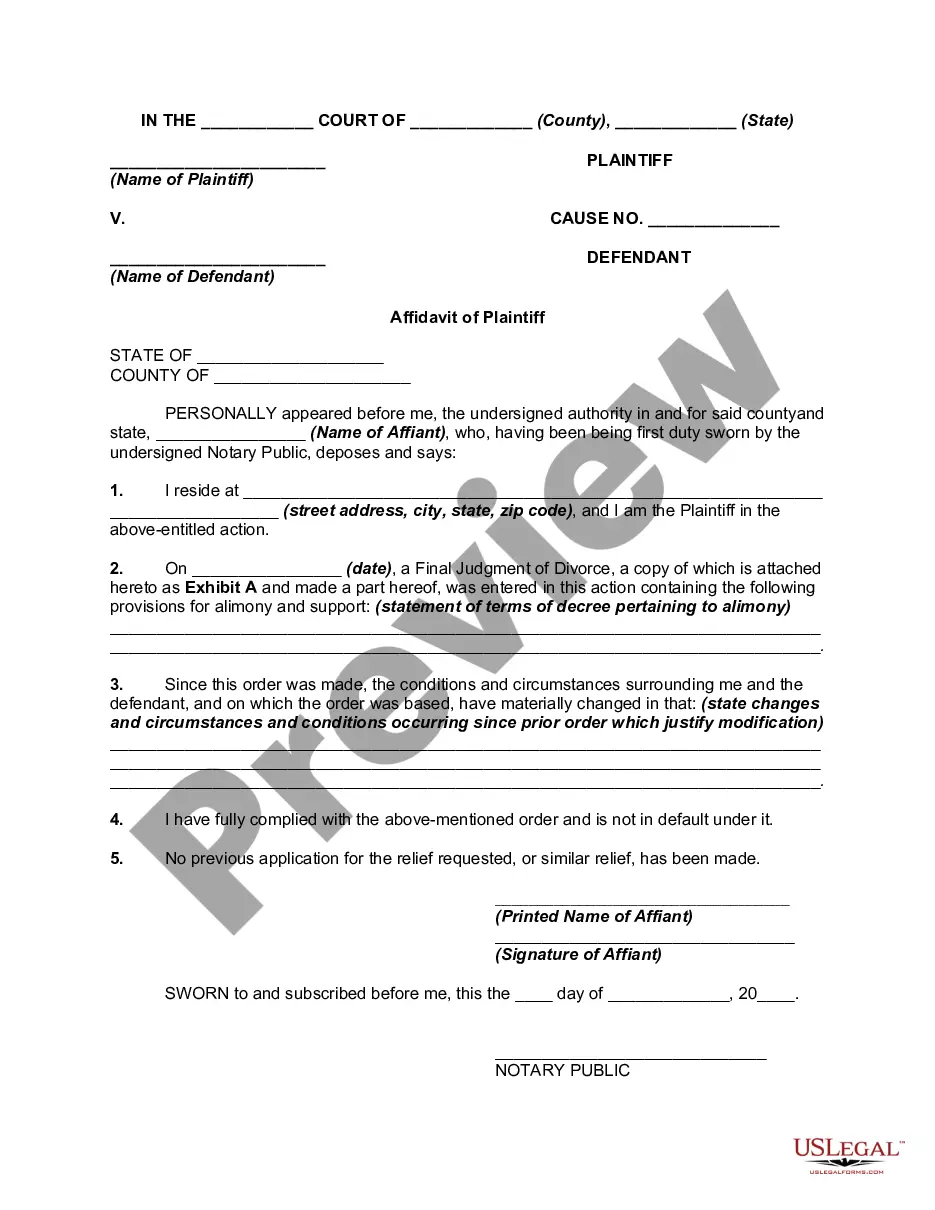
Get your form ready online
Our built-in tools help you complete, sign, share, and store your documents in one place.
Make edits, fill in missing information, and update formatting in US Legal Forms—just like you would in MS Word.
Download a copy, print it, send it by email, or mail it via USPS—whatever works best for your next step.
Sign and collect signatures with our SignNow integration. Send to multiple recipients, set reminders, and more. Go Premium to unlock E-Sign.
If this form requires notarization, complete it online through a secure video call—no need to meet a notary in person or wait for an appointment.
We protect your documents and personal data by following strict security and privacy standards.

Make edits, fill in missing information, and update formatting in US Legal Forms—just like you would in MS Word.

Download a copy, print it, send it by email, or mail it via USPS—whatever works best for your next step.

Sign and collect signatures with our SignNow integration. Send to multiple recipients, set reminders, and more. Go Premium to unlock E-Sign.

If this form requires notarization, complete it online through a secure video call—no need to meet a notary in person or wait for an appointment.

We protect your documents and personal data by following strict security and privacy standards.
Looking for another form?
Form popularity
FAQ
Caps on Terms of Alimony Florida's new law institutes caps on alimony terms for rehabilitative alimony and durational alimony: Rehabilitative alimony is now capped at 5 years. For marriages lasting 3 to 10 years, durational alimony can't exceed 50% of the marriage's length.
Beginning January 1, 2019, alimony or separate maintenance payments are not deductible from the income of the payer spouse, or includable in the income of the receiving spouse, if made under a divorce or separation agreement executed after December 31, 2018.
After January 1, 2019, alimony is no longer taxable for the recipient, and the payer cannot deduct it. Tax Cuts and Jobs Act (TCJA): TCJA altered alimony taxation rules, making payments after January 1, 2019, nontaxable for recipients and nondeductible for payers, affecting agreements executed on or after that date.
Contrary to some misconceptions, there is no “7 year divorce rule” in Florida. The state allows for divorce under two conditions: – The marriage is irretrievably broken. – One of the spouses has been mentally incapacitated for at least three years.
Contrary to some reports, Florida remains a no-fault divorce state. However, adultery and its economic impacts will now be considered in calculating alimony payments. House Bill 775 authorizes the father of a child born out of wedlock to establish paternity and makes changes to time-sharing schedules.
In Florida, self-sufficiency can disqualify you from receiving spousal support or alimony in Florida. If the court determines that you have the financial means or can gain employment to meet your needs of independently, you may not be eligible for alimony.
What qualifies a recipient spouse for alimony in Florida are several factors, among them: The standard of living established during the marriage. The length of the marriage. Both spouse's financial resources, including the non-marital, marital property, assets, and liabilities.
Employment income (including salary, overtime wages, tips, commissions, and bonuses) Unemployment compensation. Disability benefits. Business income.