Spousal Support For In Cuyahoga
Description

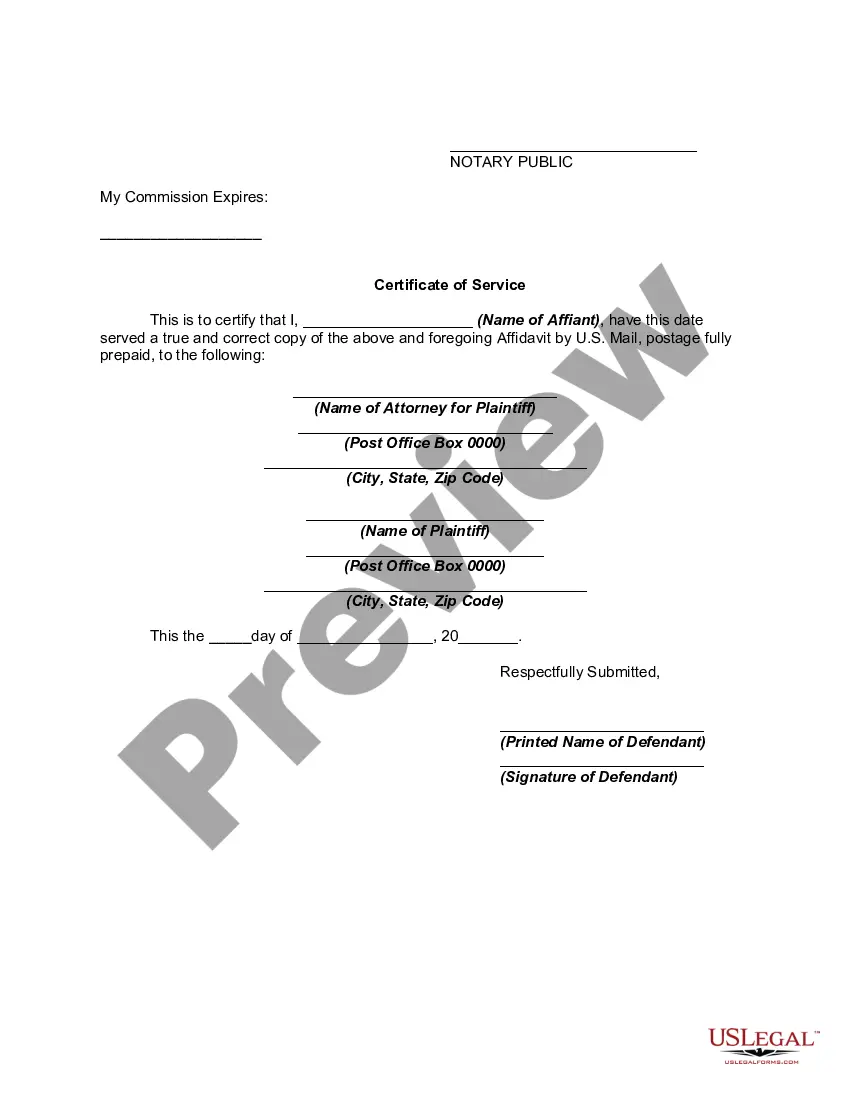




Get your form ready online
Our built-in tools help you complete, sign, share, and store your documents in one place.
Make edits, fill in missing information, and update formatting in US Legal Forms—just like you would in MS Word.
Download a copy, print it, send it by email, or mail it via USPS—whatever works best for your next step.
Sign and collect signatures with our SignNow integration. Send to multiple recipients, set reminders, and more. Go Premium to unlock E-Sign.
If this form requires notarization, complete it online through a secure video call—no need to meet a notary in person or wait for an appointment.
We protect your documents and personal data by following strict security and privacy standards.

Make edits, fill in missing information, and update formatting in US Legal Forms—just like you would in MS Word.

Download a copy, print it, send it by email, or mail it via USPS—whatever works best for your next step.

Sign and collect signatures with our SignNow integration. Send to multiple recipients, set reminders, and more. Go Premium to unlock E-Sign.

If this form requires notarization, complete it online through a secure video call—no need to meet a notary in person or wait for an appointment.

We protect your documents and personal data by following strict security and privacy standards.
Looking for another form?








Form popularity
FAQ
The court may make a final spousal support order. There is no specific formula in Ohio for calculating temporary support awards. The court must use its discretion, taking into account each spouse's earning capacity and other resources while the divorce is pending.
In Ohio, eligibility for spousal support is determined by various factors, including the length of the marriage, the standard of living during the marriage, each spouse's earning capacity, age, physical and emotional health, and financial and non-financial contributions to the marriage.
The court may make a final spousal support order. There is no specific formula in Ohio for calculating temporary support awards. The court must use its discretion, taking into account each spouse's earning capacity and other resources while the divorce is pending.
The guideline states that the paying spouse's support be presumptively 40% of his or her net monthly income, reduced by one-half of the receiving spouse's net monthly income. If child support is an issue, spousal support is calculated after child support is calculated.
Ohio isn't a community property state. Instead, Ohio follows what's known as the "equitable distribution" model for dividing assets and debts during a divorce. However, unlike many other states that use this model, Ohio requires judges to divide a couple's marital property equally, unless that would be unfair.
A general rule in Ohio is that the court will order one year of support for every two to five years of marriage, depending on how long the parties have been married. The longer the marriage, the longer the period of time the payments will continue.
Under equitable distribution, the court will consider several factors when dividing marital property: If you have been married for at least ten years. Both party's assets and liabilities. Both party's incomes and taxes.
One of the most critical factors judges consider when determining the course of spousal support is the length of the marriage. Ohio courts will not award alimony unless the spouses are married for at least five years. Besides, the court may not grant a lifetime spousal support if the marriage lasted less than 20 years.
Code § 3105.18(C)(2) (2023).) You don't have to be married for any specific amount of time to be eligible for spousal support in Ohio. The judge will take the length of your marriage into account, but that will only be one of many factors that go into the decision-making process (as discussed below).
