Alimony With Child Support In Broward
Description

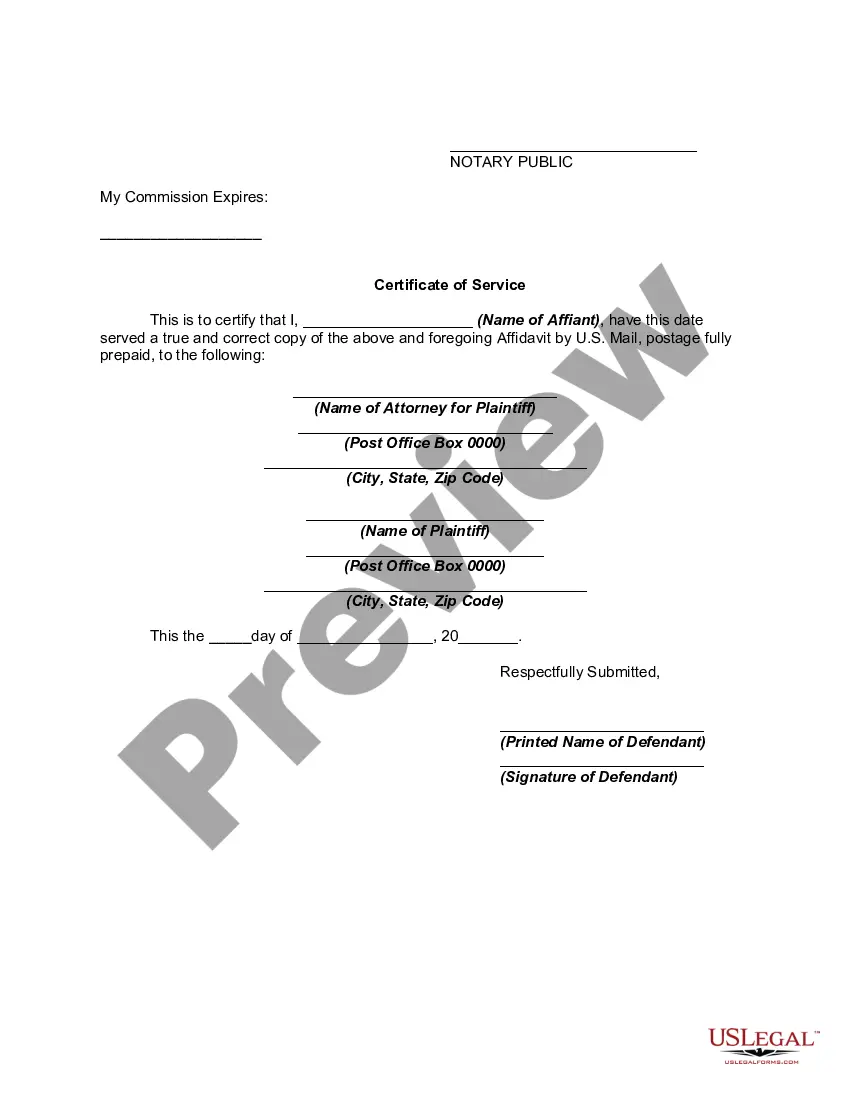




Get your form ready online
Our built-in tools help you complete, sign, share, and store your documents in one place.
Make edits, fill in missing information, and update formatting in US Legal Forms—just like you would in MS Word.
Download a copy, print it, send it by email, or mail it via USPS—whatever works best for your next step.
Sign and collect signatures with our SignNow integration. Send to multiple recipients, set reminders, and more. Go Premium to unlock E-Sign.
If this form requires notarization, complete it online through a secure video call—no need to meet a notary in person or wait for an appointment.
We protect your documents and personal data by following strict security and privacy standards.

Make edits, fill in missing information, and update formatting in US Legal Forms—just like you would in MS Word.

Download a copy, print it, send it by email, or mail it via USPS—whatever works best for your next step.

Sign and collect signatures with our SignNow integration. Send to multiple recipients, set reminders, and more. Go Premium to unlock E-Sign.

If this form requires notarization, complete it online through a secure video call—no need to meet a notary in person or wait for an appointment.

We protect your documents and personal data by following strict security and privacy standards.
Looking for another form?







Form popularity
FAQ
How to fill out the Child Support Guidelines Worksheet? Collect your gross weekly income and related expenses. Enter all deductions applicable to your income. Calculate your available income by subtracting expenses from income. Determine the combined available income with the second parent.
Take your time and read each question carefully. If you're unsure about any information consult aMoreTake your time and read each question carefully. If you're unsure about any information consult a legal professional or your local Child Support Agency. Once completed review your forms for accuracy.
How to fill out the Child Support Affidavit for Documentation? Enter the Head of Household Name and the Unit number. Provide the names of the child(ren) involved. Indicate if you receive court-ordered child support. Fill in the details of the support provider if applicable. Sign and date the form to certify accuracy.
The affidavit should explicitly discuss how the arrangement aligns with the best interests of the child by protecting his or her health, safety and overall well-being. Supporting facts: details about the preferred arrangement and evidence or documentation proving the individual's ability to meet the child's needs.
What Do Child Support Affidavits Contain? The correct legal names and contact information of the parents; Stated income and earnings of each parent; Various financial statements regarding assets and estate property; Any and all information concerning the child's needs, such as day care costs;
Here are the steps you need to take to successfully write a general affidavit: Title your affidavit. Don't forget to list any relevant contact or identification information that you may need to include in the heading. Write your statement. Verify that your information is true. Finalize and notarize.
A: Alimony can be suspended or terminated in the event that the recipient is cohabitating with someone in a relationship akin to marriage. These are complex cases that require a careful approach. Your brother should have a consultation with a qualified matrimonial attorney immediately.
Caps on Terms of Alimony Florida's new law institutes caps on alimony terms for rehabilitative alimony and durational alimony: Rehabilitative alimony is now capped at 5 years. For marriages lasting 3 to 10 years, durational alimony can't exceed 50% of the marriage's length.
Child support is never deductible and isn't considered income. Additionally, if a divorce or separation instrument provides for alimony and child support, and the payer spouse pays less than the total required, the payments apply to child support first. Only the remaining amount is considered alimony.
What qualifies a recipient spouse for alimony in Florida are several factors, among them: The standard of living established during the marriage. The length of the marriage. Both spouse's financial resources, including the non-marital, marital property, assets, and liabilities.
