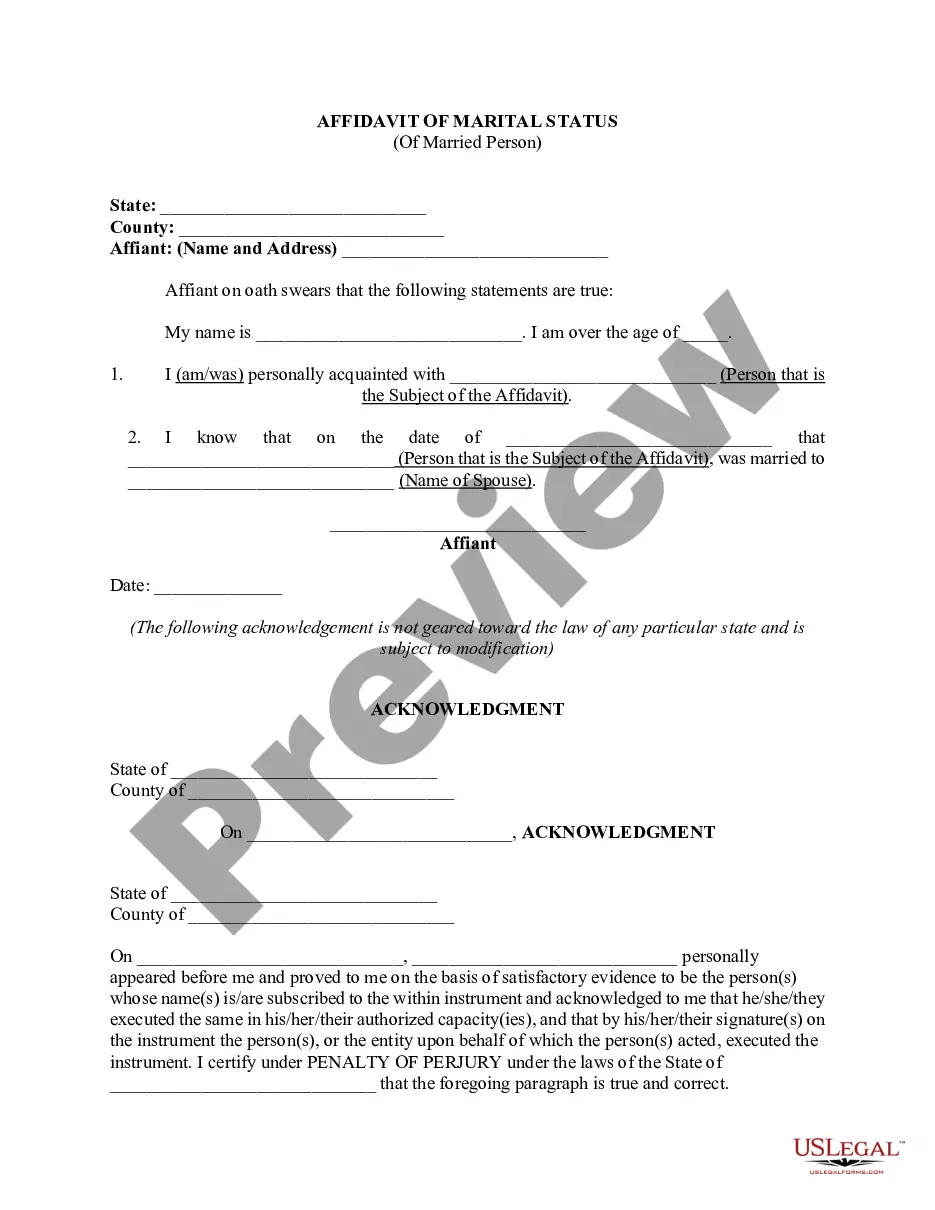
Affidavit Of Surviving Spouse Form Massachusetts
Description
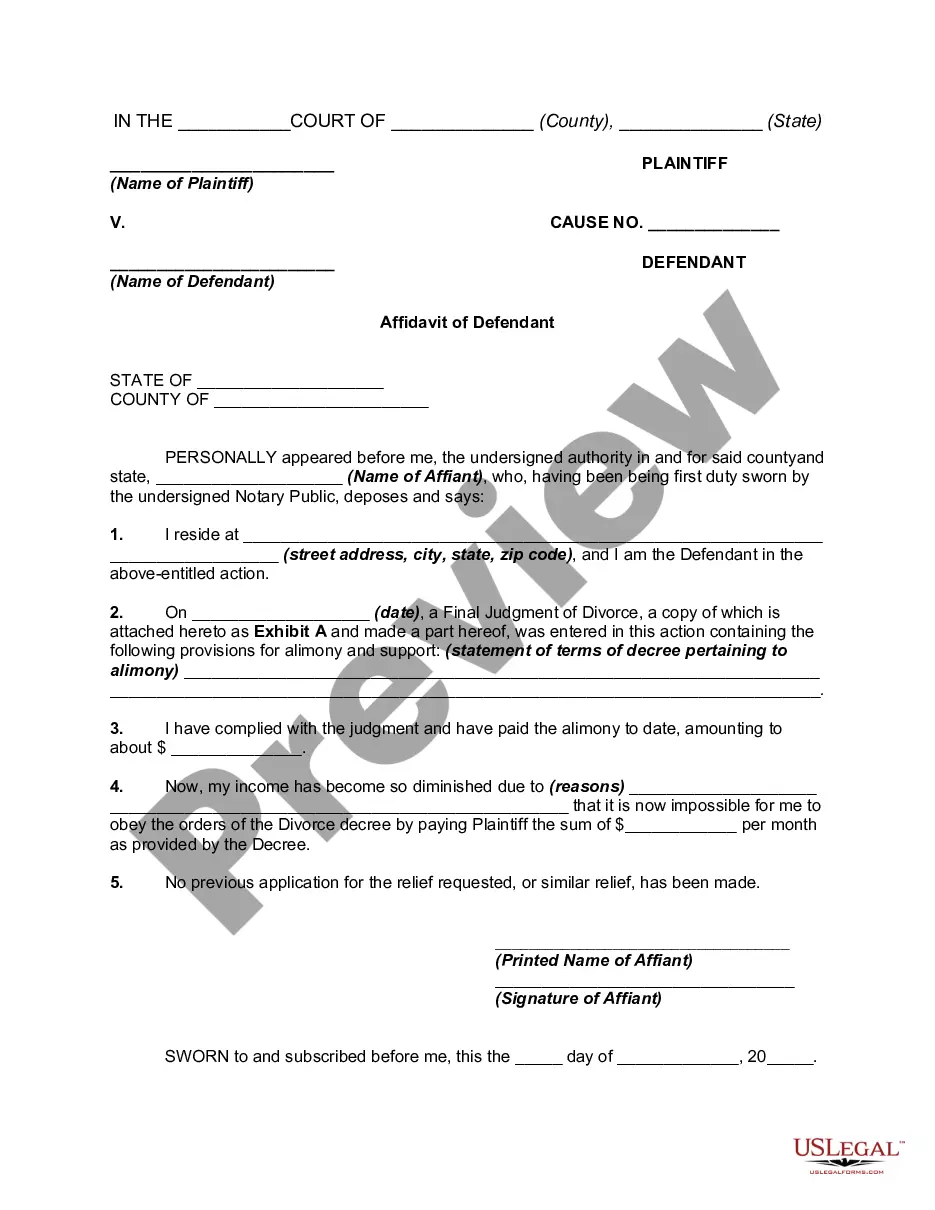
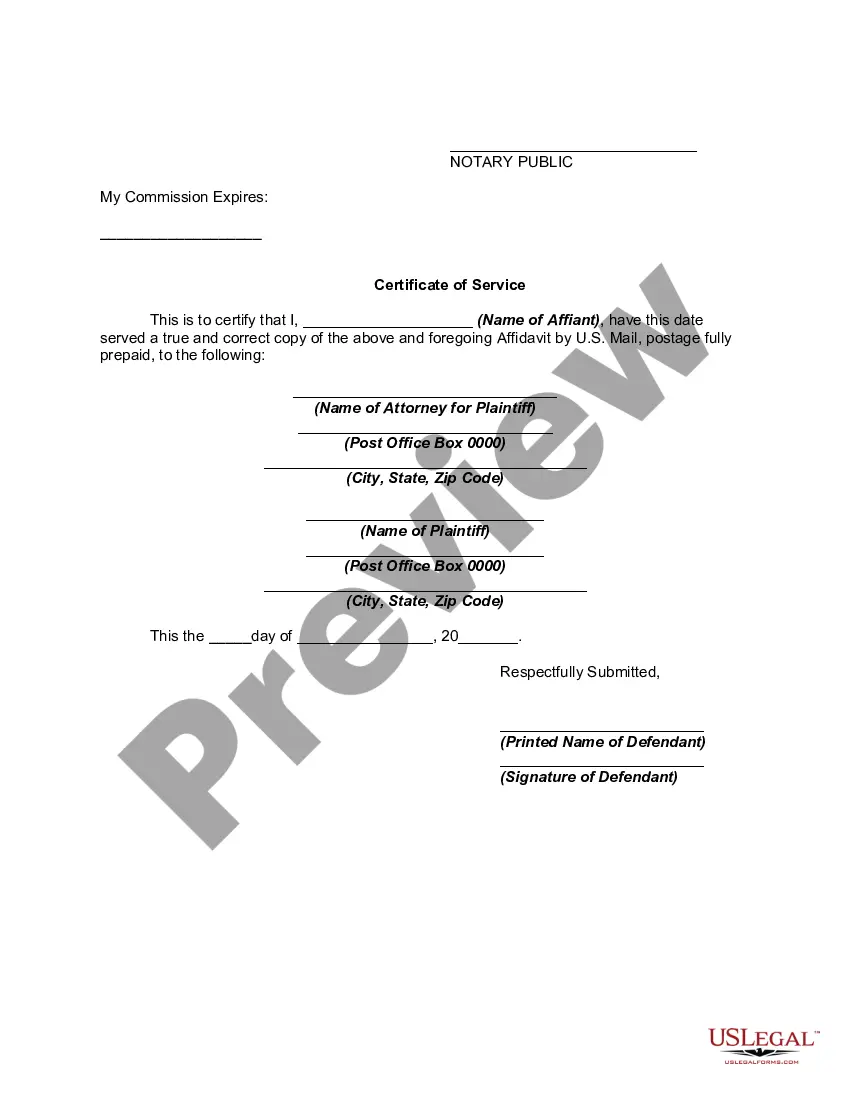
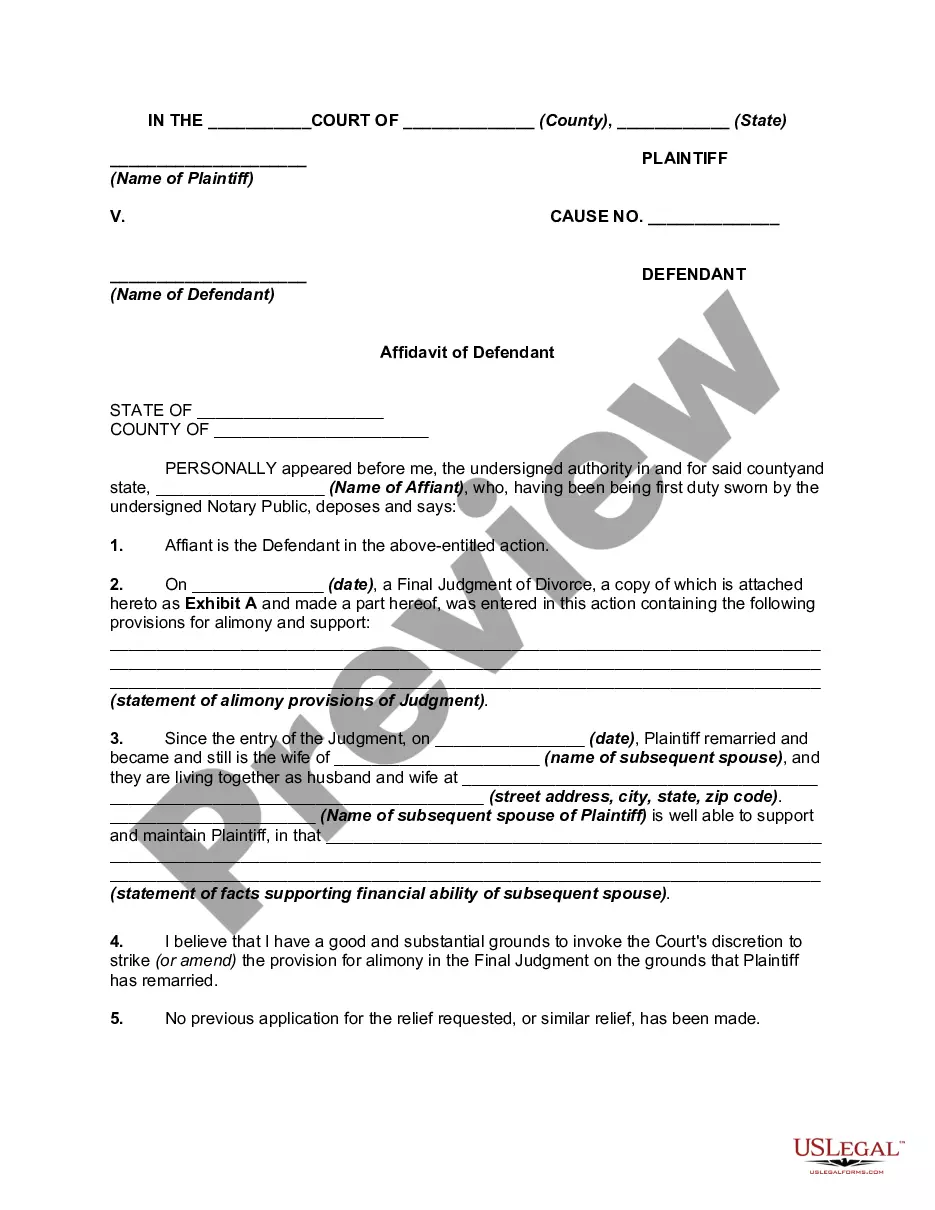
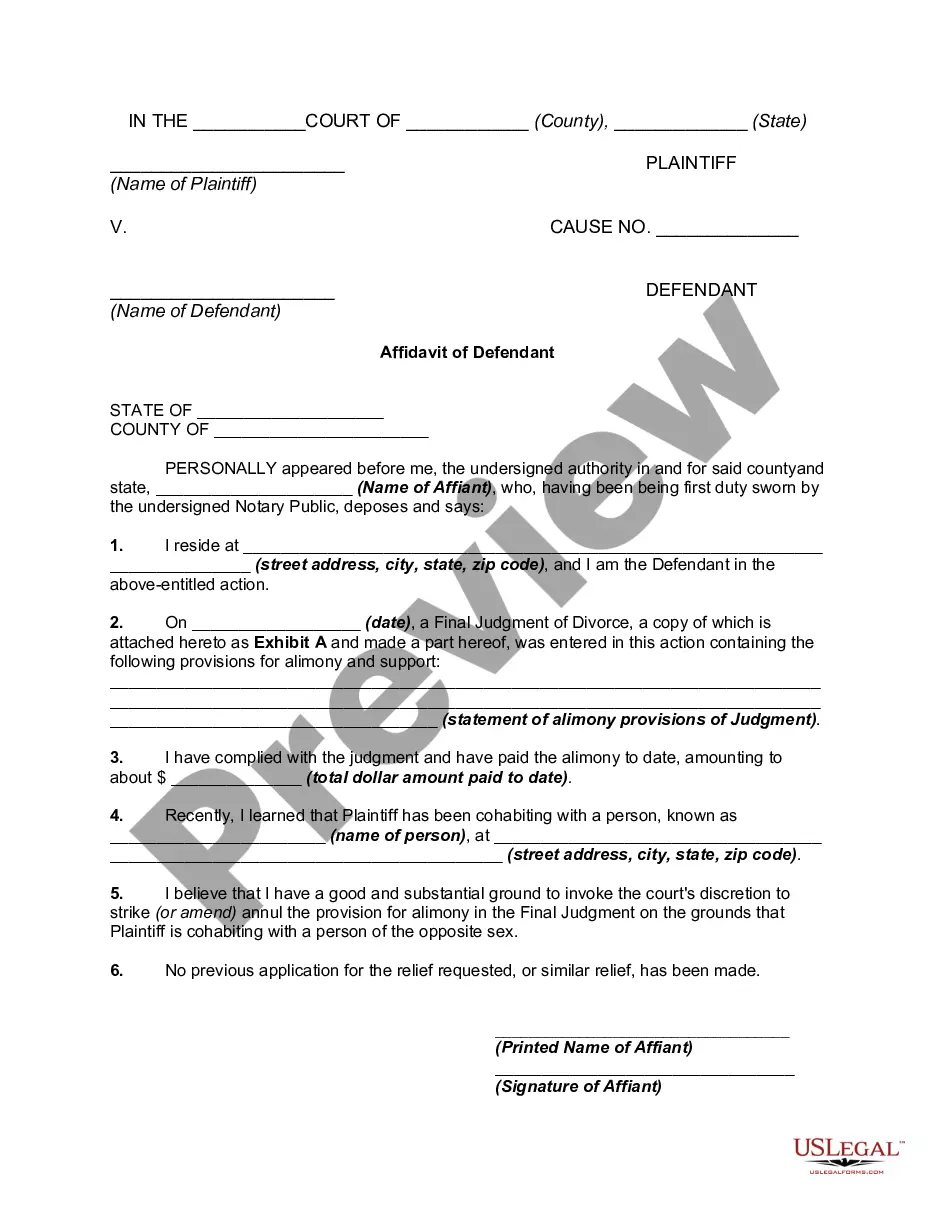
Get your form ready online
Our built-in tools help you complete, sign, share, and store your documents in one place.
Make edits, fill in missing information, and update formatting in US Legal Forms—just like you would in MS Word.
Download a copy, print it, send it by email, or mail it via USPS—whatever works best for your next step.
Sign and collect signatures with our SignNow integration. Send to multiple recipients, set reminders, and more. Go Premium to unlock E-Sign.
If this form requires notarization, complete it online through a secure video call—no need to meet a notary in person or wait for an appointment.
We protect your documents and personal data by following strict security and privacy standards.

Make edits, fill in missing information, and update formatting in US Legal Forms—just like you would in MS Word.

Download a copy, print it, send it by email, or mail it via USPS—whatever works best for your next step.

Sign and collect signatures with our SignNow integration. Send to multiple recipients, set reminders, and more. Go Premium to unlock E-Sign.

If this form requires notarization, complete it online through a secure video call—no need to meet a notary in person or wait for an appointment.

We protect your documents and personal data by following strict security and privacy standards.
Looking for another form?
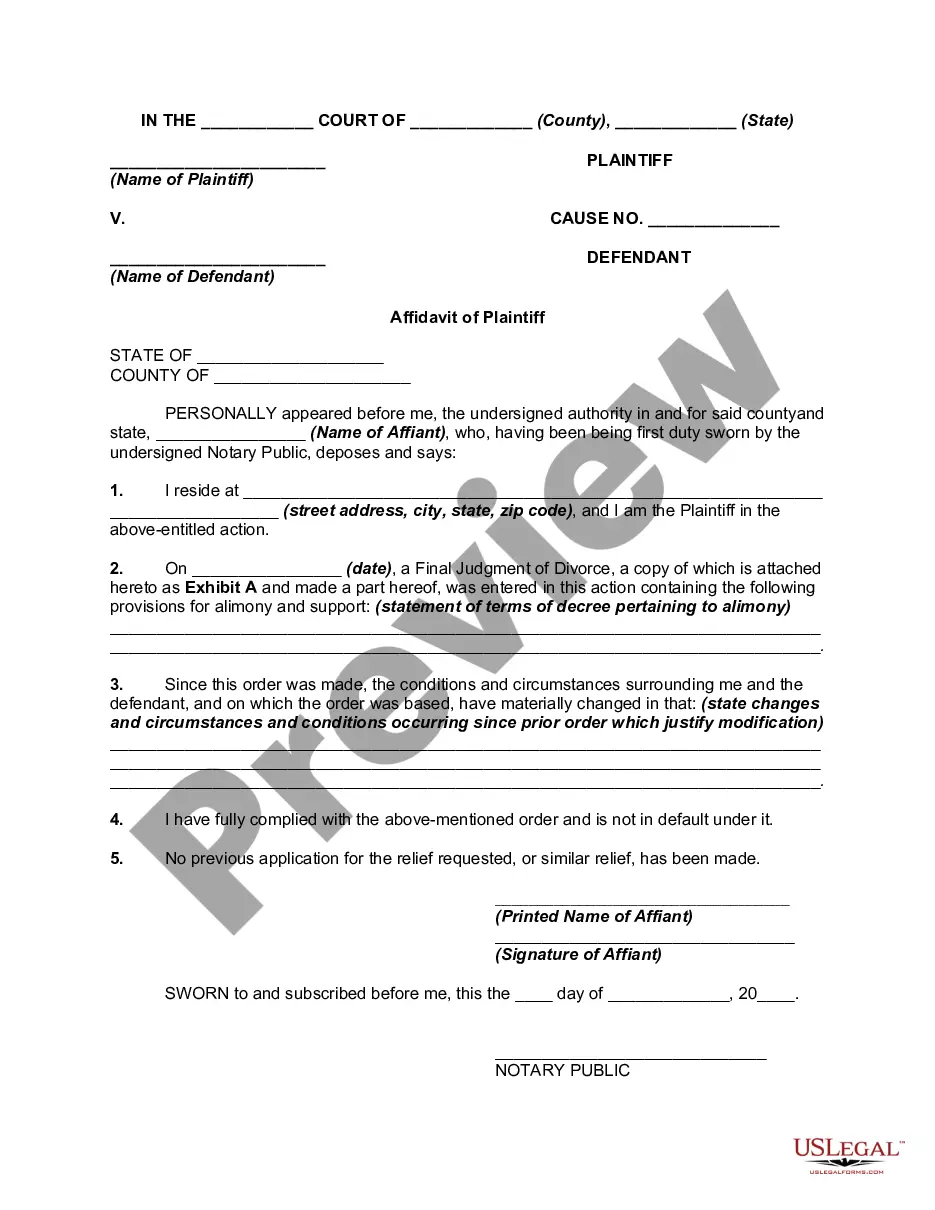
How to fill out Affidavit Of Defendant Spouse In Support Of Motion To Amend Or Strike Alimony Provisions Of Divorce Decree Because Of Obligor Spouse's Changed Financial Condition?
Whether for commercial reasons or personal affairs, everyone must deal with legal matters at some stage in their existence.
Completing legal documents requires meticulous care, starting with selecting the appropriate form template.
With a vast US Legal Forms collection available, you do not have to waste time searching for the suitable template online. Utilize the library’s user-friendly navigation to find the right sample for any circumstance.
- Locate the template you need using the search option or catalog browsing.
- Examine the description of the form to ensure it corresponds with your situation, state, and county.
- Click on the form’s preview to examine it.
- If it is the wrong document, return to the search option to find the Affidavit Of Surviving Spouse Form Massachusetts template you require.
- Download the file if it fulfills your requirements.
- If you have a US Legal Forms account, simply click Log in to access previously saved documents in My documents.
- If you don’t have an account yet, you can purchase the form by clicking Buy now.
- Choose the correct payment option.
- Complete the profile registration form.
- Choose your payment method: utilize a credit card or PayPal account.
- Select the document format you prefer and download the Affidavit Of Surviving Spouse Form Massachusetts.
- Once it is saved, you can fill out the form using editing software or print it and complete it manually.
Form popularity
FAQ
In Massachusetts, a surviving spouse does have significant inheritance rights, but it does not always mean they inherit everything. If there are no children, the surviving spouse typically receives the entire estate. However, if there are children from the deceased, the spouse usually receives a portion of the estate according to intestate succession laws. For your specific situation, using an Affidavit of surviving spouse form Massachusetts can help clarify the distribution of assets.
Yes, affidavits generally need to be notarized in Massachusetts. A notary public verifies the identity of the signer and ensures the document's authenticity. This process adds a layer of security and credibility to your Affidavit of surviving spouse form Massachusetts. You can easily find notary services through legal platforms like USLegalForms, which can guide you through the process.
When your spouse passes away, it's important to take several steps to manage their estate. First, locate the will and any important documents, then notify relevant financial institutions. Completing the Affidavit of Surviving Spouse form Massachusetts can help clarify your rights to the estate and assist in the probate process. Utilizing USLegalForms can simplify this process, providing you with the necessary forms and guidance.
In Massachusetts, a spouse does not automatically inherit everything upon their partner's death. Instead, the distribution of assets depends on whether there are surviving children or parents. If there are no children, the surviving spouse typically receives the entire estate. To ensure proper distribution, completing the Affidavit of Surviving Spouse form Massachusetts can help streamline the process.
In Massachusetts, when a husband dies, the wife is entitled to inherit a portion of his estate, which may include personal property and real estate. If the husband left a will, the distribution will follow the outlined wishes. If there is no will, the wife typically receives a statutory share of the estate. Utilizing the Affidavit of surviving spouse form Massachusetts can help streamline the process of claiming these assets.
To file an Affidavit of survivorship in Massachusetts, you need to complete the Affidavit of surviving spouse form Massachusetts. This form requires information about the deceased spouse and the surviving spouse's identification. Once completed, the form should be signed in front of a notary public. After notarization, file the form with the appropriate probate court to ensure the transfer of assets.
The person whose name you want to remove must sign a new deed that conveys their interest in the property to someone else (you, most likely). See the answer above to learn about creating a new deed. Surprisingly, you don't have to do anything. You still own the property no matter what you call yourself.
Bring the deceased's death certificate, driver's license or lD card to any customer service center (CSC) where a DMV employee will complete the transaction while you wait. Since fewer customers visit our offices during the middle of the month, we suggest that you visit at that time.
Most often, a copy of the deceased spouse's death certificate, the notarized death affidavit, and a legal description of the property are required. Once these steps are complete, your deceased spouse will have been removed and you will be the sole owner on the deed.
An RMV-1 is a form that the Massachusetts RMV (Registry of Motor Vehicles) uses for registry transactions, including: New plates for a new vehicle. A new title for a new vehicle. Transfer of existing plates from one car to another.