Spouse Support Form For Alcoholic In Travis
Description

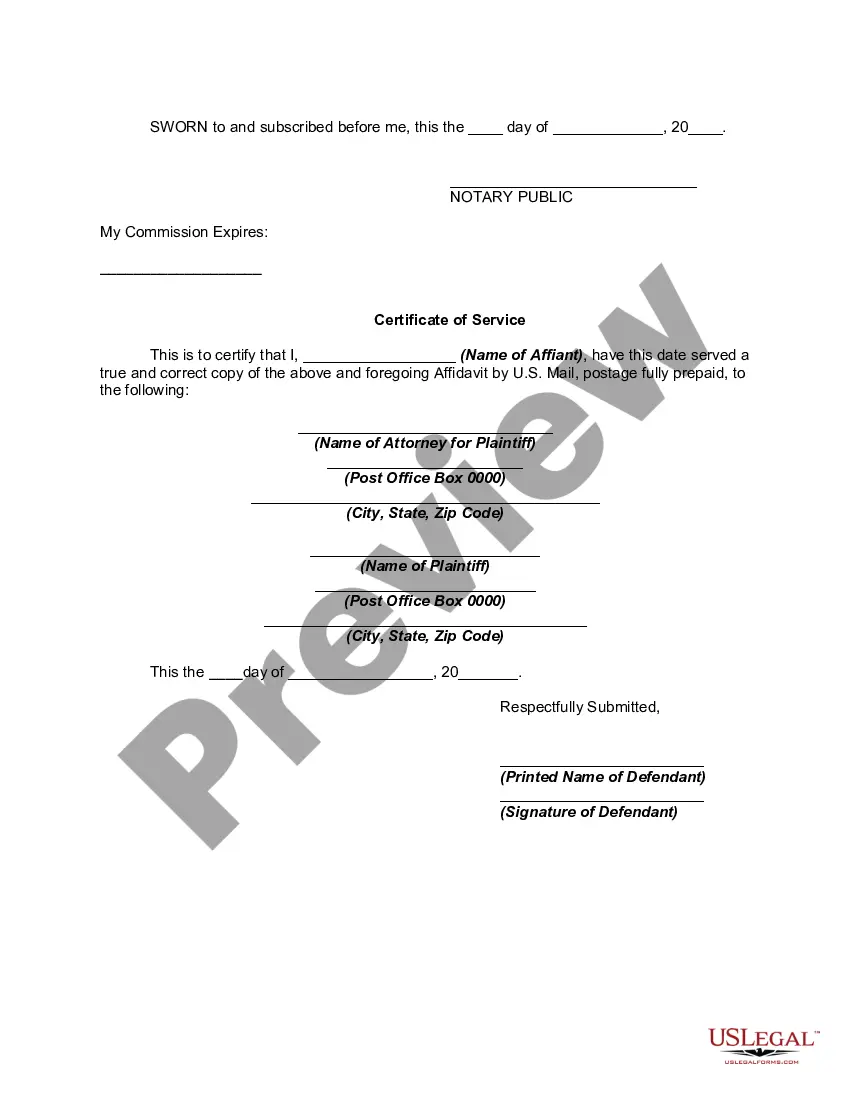



Get your form ready online
Our built-in tools help you complete, sign, share, and store your documents in one place.
Make edits, fill in missing information, and update formatting in US Legal Forms—just like you would in MS Word.
Download a copy, print it, send it by email, or mail it via USPS—whatever works best for your next step.
Sign and collect signatures with our SignNow integration. Send to multiple recipients, set reminders, and more. Go Premium to unlock E-Sign.
If this form requires notarization, complete it online through a secure video call—no need to meet a notary in person or wait for an appointment.
We protect your documents and personal data by following strict security and privacy standards.

Make edits, fill in missing information, and update formatting in US Legal Forms—just like you would in MS Word.

Download a copy, print it, send it by email, or mail it via USPS—whatever works best for your next step.

Sign and collect signatures with our SignNow integration. Send to multiple recipients, set reminders, and more. Go Premium to unlock E-Sign.

If this form requires notarization, complete it online through a secure video call—no need to meet a notary in person or wait for an appointment.

We protect your documents and personal data by following strict security and privacy standards.
Looking for another form?


Form popularity
FAQ
The best way to avoid paying alimony in the event of a divorce is to sign a prenuptial or postnuptial agreement. These agreements, once seen as unromantic, now serve as a strategic way to protect individual assets in case of separation or the need to dissolve the marriage.
You are not legally obligated to support her. If a divorce is filed the court could make alimony retroactive.
In most cases, if a spouse can work and their former spouse cannot afford to provide spousal support, the court can deny alimony. It is pertinent to note that New York is a no-fault divorce state, meaning both parties could cite fault grounds, however, it will not affect whether a spouse is granted spousal maintenance.
In New York State a married person may be legally responsible to provide for the support of his or her spouse during their marriage, if that spouse lacks sufficient income or assets to provide for his or her own reasonable needs.
The EtG test can be used to determine the accused's current drinking habits, and medical records can be documented to provide evidence of alcohol-related illnesses or injuries, as well as alcohol addiction.
This article discusses four different archetypes: Suffering Susan, Controlling Catherine, Wavering Winifred, and Punitive Polly. Understanding these archetypes can help families support their loved ones and guide them toward recovery and appropriate treatment options.
Protecting Marital Assets from Depletion For the non-alcoholic spouse, gathering and presenting documentation of all financial transactions, including those related to alcohol, is crucial. This evidence can be pivotal in negotiations regarding asset division and spousal support.
Legal Considerations in California Divorces Regardless of why they behave the way they do, the court wants to know this information. Although alcoholism cannot be cited as grounds for divorce, there are impacts of such behaviors that could impact other areas of the final divorce decree.
The National Institutes of Health suggest that you wait until your partner is sober and then calmly discuss your concerns about their drinking. During the discussion, consider providing some facts about the impact of alcohol on the body and mind as well as the various treatment options. Offer help.
Proving alcoholism in divorce requires evidence such as medical records, witness testimonies, and expert evaluations.
