Affidavit Motion Amend For Default Dissolution In Travis
Description

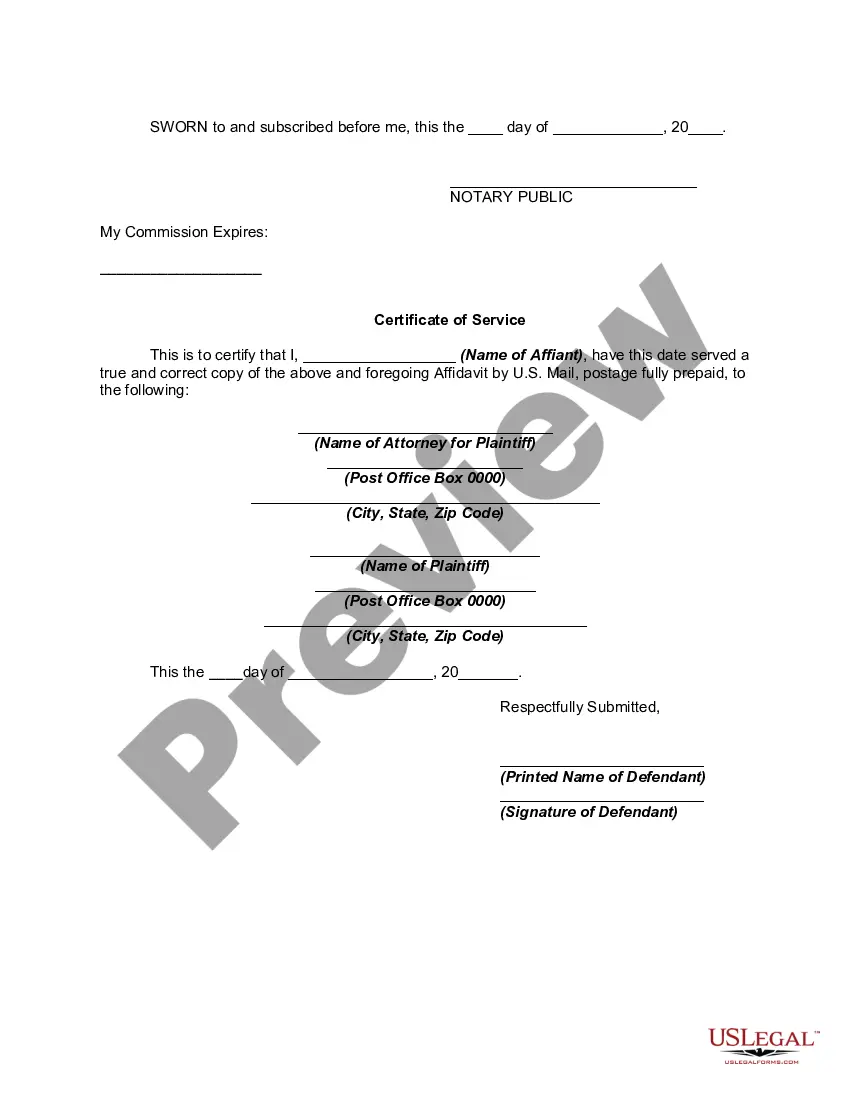



Get your form ready online
Our built-in tools help you complete, sign, share, and store your documents in one place.
Make edits, fill in missing information, and update formatting in US Legal Forms—just like you would in MS Word.
Download a copy, print it, send it by email, or mail it via USPS—whatever works best for your next step.
Sign and collect signatures with our SignNow integration. Send to multiple recipients, set reminders, and more. Go Premium to unlock E-Sign.
If this form requires notarization, complete it online through a secure video call—no need to meet a notary in person or wait for an appointment.
We protect your documents and personal data by following strict security and privacy standards.

Make edits, fill in missing information, and update formatting in US Legal Forms—just like you would in MS Word.

Download a copy, print it, send it by email, or mail it via USPS—whatever works best for your next step.

Sign and collect signatures with our SignNow integration. Send to multiple recipients, set reminders, and more. Go Premium to unlock E-Sign.

If this form requires notarization, complete it online through a secure video call—no need to meet a notary in person or wait for an appointment.

We protect your documents and personal data by following strict security and privacy standards.
Looking for another form?

Form popularity
FAQ
A Traverse Hearing is a pre-trial hearing ordered when a defendant has attacked the propriety of the service of process in a civil action.
To file a motion for contempt in New York, certain criteria must be met. There must be an existing order of the court that is clear and unambiguous, and the accused must be proven to have known about this order and willfully disobeyed it.
This sworn statement is a written declaration made under oath, signed by the individual (or individuals) involved and often notarized. Its primary function is to present crucial information, facts, and declarations to the court, serving as a cornerstone of evidence and representation during divorce proceedings.
The affidavit of fact's role in the legal system can't be overstated. Its ability to provide proof and establish truth makes it an invaluable tool in court proceedings. It's also versatile, finding use in various contexts like business transactions and legal disputes.
Affidavits can occur any time a formal promise is made, and they are often used as a form of documentation tied to a specific person in the proceedings. They are often used in court to serve as evidence toward a singular side in a dispute, or to affirm a claim that someone is making.
"Proving Up" At the prove-up, "you appear before the judge and give evidence and testimony as to the terms of your divorce." During the COVID-19 pandemic, many courts started requesting something called a "prove-up affidavit." They asked for this document because they were not able to hold divorce hearings in person.
It's here that you'll provide a narrative or a detailed breakdown of the circumstances leading to the divorce. This might include reasons for the dissolution of the marriage, the history of the relationship, issues related to children (such as custody, visitation, or support), and the distribution of assets and debts.
An affidavit is a written statement that you swear to be true in front of a notary public or other official designated by your state to administer oaths, which means to attest to the promise of truthfulness made by a signer or witness.
"Proving Up" ing to the Texas Young Lawyer's Pro Se Divorce Handbook, a "prove-up" is a short hearing in an uncontested divorce. At the prove-up, "you appear before the judge and give evidence and testimony as to the terms of your divorce."
It's just a one-page document with a heading “Self-Proving Affidavit.” It has your name, your witnesses' names, and a legal statement declaring you all verify the Will is legal and valid and that you all witnessed its original signing.
