Affidavit Motion Amend Form D In San Antonio
Description

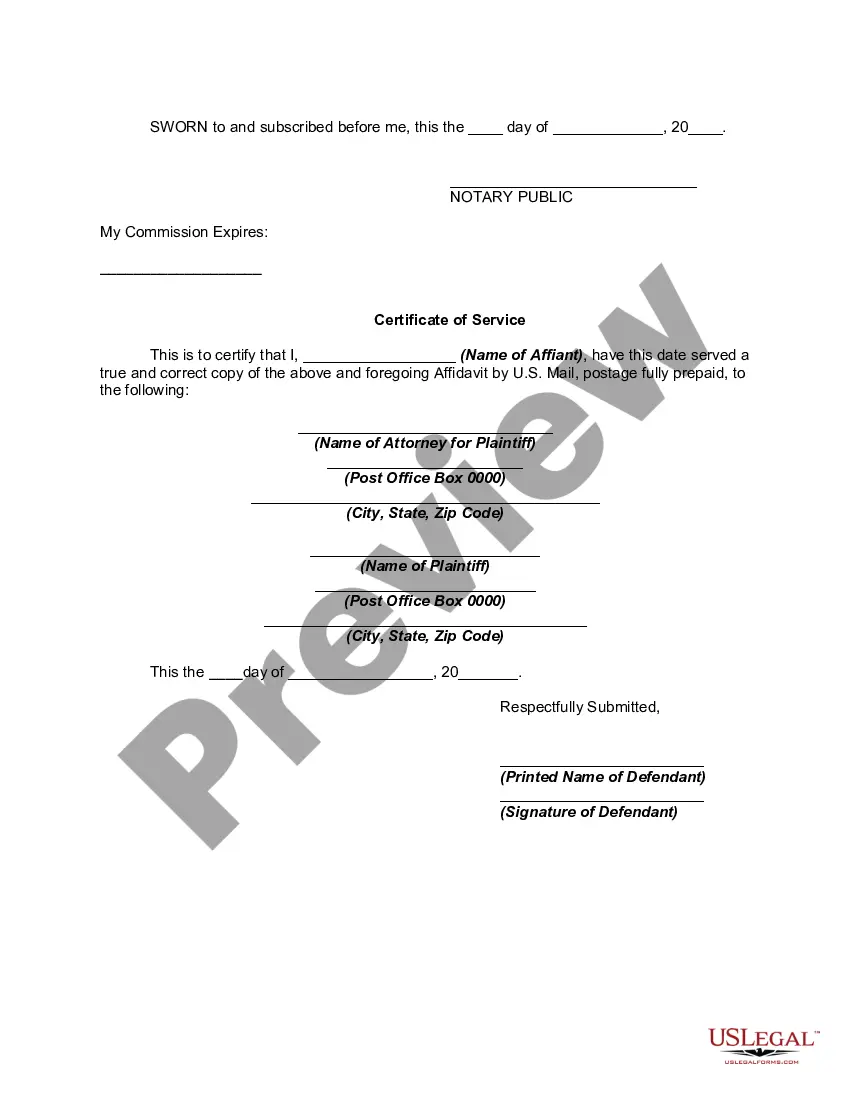



Get your form ready online
Our built-in tools help you complete, sign, share, and store your documents in one place.
Make edits, fill in missing information, and update formatting in US Legal Forms—just like you would in MS Word.
Download a copy, print it, send it by email, or mail it via USPS—whatever works best for your next step.
Sign and collect signatures with our SignNow integration. Send to multiple recipients, set reminders, and more. Go Premium to unlock E-Sign.
If this form requires notarization, complete it online through a secure video call—no need to meet a notary in person or wait for an appointment.
We protect your documents and personal data by following strict security and privacy standards.

Make edits, fill in missing information, and update formatting in US Legal Forms—just like you would in MS Word.

Download a copy, print it, send it by email, or mail it via USPS—whatever works best for your next step.

Sign and collect signatures with our SignNow integration. Send to multiple recipients, set reminders, and more. Go Premium to unlock E-Sign.

If this form requires notarization, complete it online through a secure video call—no need to meet a notary in person or wait for an appointment.

We protect your documents and personal data by following strict security and privacy standards.
Looking for another form?





Form popularity
FAQ
A response and brief to an opposed motion must be filed within 21 days from the date the motion is filed. Time for Reply Briefs. Unless otherwise directed by the presiding judge, a party who has filed an opposed motion may file a reply brief within 14 days from the date the response is filed.
Form D and Form D amendments must be filed with the SEC online using EDGAR (electronic gathering, analysis and retrieval) system. In order to do so, the issuer must obtain its own filer identification number (called a “Central Index Key” or “CIK” number) and access codes.
If a trial court judge has not signed an order granting or denying a motion for new trial within 75 days after the date the final judgment was signed, the motion is generally overruled by operation of law.
The response must be filed within 10 days after service of the motion unless the court shortens or extends the time. A motion authorized by Rules 8, 9, 18, or 41 may be granted before the 10-day period runs only if the court gives reasonable notice to the parties that it intends to act sooner.
A response and brief to an opposed motion must be filed within 21 days from the date the motion is filed. Time for Reply Briefs. Unless otherwise directed by the presiding judge, a party who has filed an opposed motion may file a reply brief within 14 days from the date the response is filed. No Oral Argument.
After a court decides a motion for en banc reconsideration, a further motion for en banc reconsideration may be filed within 15 days of the court's action if the court: (a) modifies its judgment; (b) vacates its judgment and renders a new judgment; or (c) issues a different opinion.
The Form D asks you to list specifics about your fundraising. This includes listing (a) “The Total Offering Amount” (the amount you want raise), (b) “The Amount Sold” (the amount you actually raised), and (c) “The Total Remaining to be Sold” (the amount you failed to raise, but are still trying to raise).
Amendments and Withdrawals: If there are material changes to the information provided in Form D, an amendment must be filed with the SEC. If the offering is canceled or terminated, a notice of withdrawal must be filed with the SEC.
When do I file a Form D? Companies must file this notice using the SEC's electronic filer system called “EDGAR” within 15 days after the first sale of securities. An amendment is required annually if the offering is ongoing for more than 12 months, or if certain of the information in the notice changes.
A Form D filer may file an amendment to a previously filed Form D notice, either on paper or online, by indicating in the space provided on the form that the filing is an amendment rather than a new filing.
