Affidavit Motion Amend For Summary Judgment In Salt Lake
Description

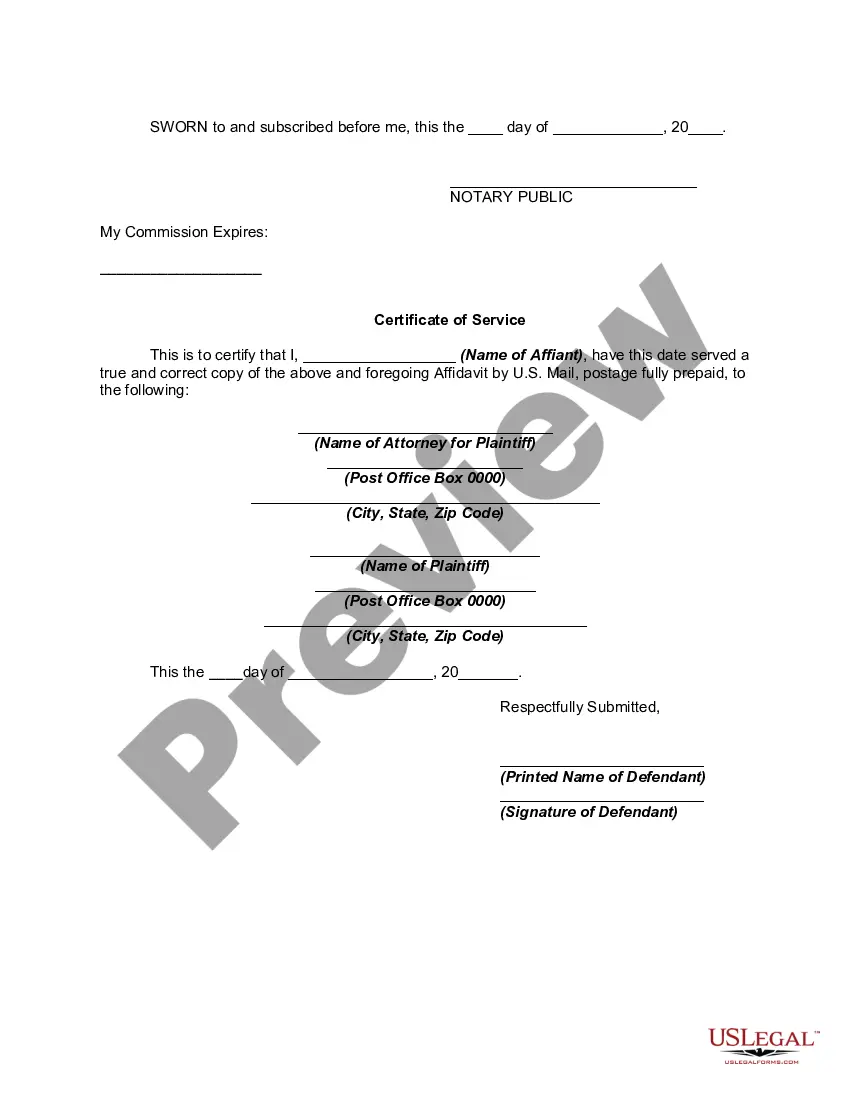



Get your form ready online
Our built-in tools help you complete, sign, share, and store your documents in one place.
Make edits, fill in missing information, and update formatting in US Legal Forms—just like you would in MS Word.
Download a copy, print it, send it by email, or mail it via USPS—whatever works best for your next step.
Sign and collect signatures with our SignNow integration. Send to multiple recipients, set reminders, and more. Go Premium to unlock E-Sign.
If this form requires notarization, complete it online through a secure video call—no need to meet a notary in person or wait for an appointment.
We protect your documents and personal data by following strict security and privacy standards.

Make edits, fill in missing information, and update formatting in US Legal Forms—just like you would in MS Word.

Download a copy, print it, send it by email, or mail it via USPS—whatever works best for your next step.

Sign and collect signatures with our SignNow integration. Send to multiple recipients, set reminders, and more. Go Premium to unlock E-Sign.

If this form requires notarization, complete it online through a secure video call—no need to meet a notary in person or wait for an appointment.

We protect your documents and personal data by following strict security and privacy standards.
Looking for another form?








Form popularity
FAQ
To succeed in obtaining a summary judgment, a party must present compelling evidence and legal arguments that establish there are no genuine issues of material fact to be tried. This article provides a comprehensive guide, from a third-person perspective, on how to effectively prove a case on summary judgment.
The odds of winning a summary judgment, known as the grant rate, vary widely by case type. The most common grant of summary judgment is in Title VII and employment cases. These are granted in whole in 49.2% of cases, in part in 23.3% of cases, and denied in 27.5% of cases.
Apply the relevant law to the undisputed facts. Explain why the facts and the law support granting summary judgment in your favor. Use case law – preferably recent – to bolster your argument. Cite previous cases with similar facts where summary judgment was granted.
Affidavits and declarations are hearsay since they are out-of-court statements. And it is generally understood that hearsay cannot be considered on summary judgment.
The court reaches a final decision based on statements, evidence, and other important facts in the case. Under Rule 56 of the Federal Rules of Civil Procedure, the summary judgment standard is only granted if: The movant shows the court that there is no genuine dispute as to any facts of the case.
Rule 15(a)(1) provides that a party may amend a complaint once as a matter of course within 21 days of service, or within 21 days of being served with an answer or a motion to dismiss, whichever is earlier. Fed. R. Civ.
To defeat summary judgment, a party must show that there is sufficient material evidence supporting the claimed factual dispute to require a fact finder to resolve the parties' differing versions of the truth at trial.
The court reaches a final decision based on statements, evidence, and other important facts in the case. Under Rule 56 of the Federal Rules of Civil Procedure, the summary judgment standard is only granted if: The movant shows the court that there is no genuine dispute as to any facts of the case.
It is much more difficult for plaintiffs to win this type of summary judgment. Rather than knocking out a single element to doom a cause of action, like a defendant, every element of each claim as to which the plaintiff wishes to achieve summary judgment must be proven by admissible evidence.
