Affidavit Motion Amend For Merit In Salt Lake
Description

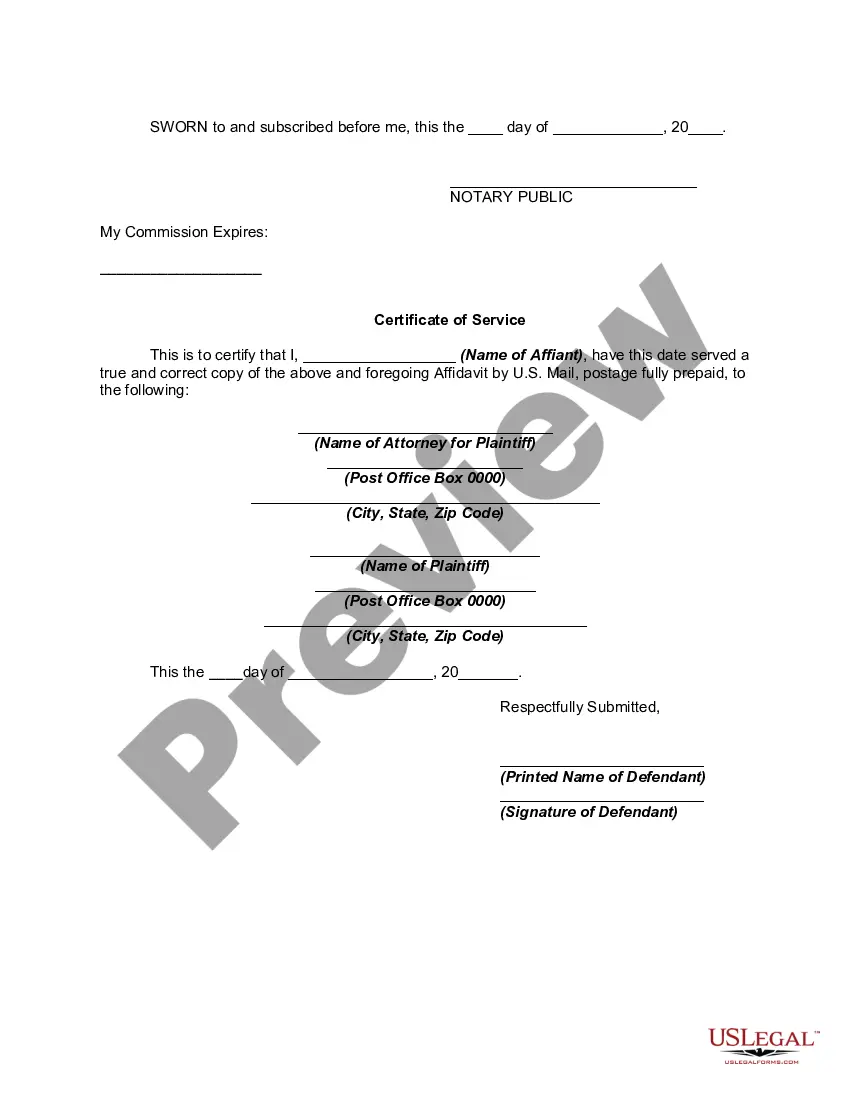



Get your form ready online
Our built-in tools help you complete, sign, share, and store your documents in one place.
Make edits, fill in missing information, and update formatting in US Legal Forms—just like you would in MS Word.
Download a copy, print it, send it by email, or mail it via USPS—whatever works best for your next step.
Sign and collect signatures with our SignNow integration. Send to multiple recipients, set reminders, and more. Go Premium to unlock E-Sign.
If this form requires notarization, complete it online through a secure video call—no need to meet a notary in person or wait for an appointment.
We protect your documents and personal data by following strict security and privacy standards.

Make edits, fill in missing information, and update formatting in US Legal Forms—just like you would in MS Word.

Download a copy, print it, send it by email, or mail it via USPS—whatever works best for your next step.

Sign and collect signatures with our SignNow integration. Send to multiple recipients, set reminders, and more. Go Premium to unlock E-Sign.

If this form requires notarization, complete it online through a secure video call—no need to meet a notary in person or wait for an appointment.

We protect your documents and personal data by following strict security and privacy standards.
Looking for another form?








Form popularity
FAQ
Affidavits can occur any time a formal promise is made, and they are often used as a form of documentation tied to a specific person in the proceedings. They are often used in court to serve as evidence toward a singular side in a dispute, or to affirm a claim that someone is making.
The injured patient must show that the physician acted negligently in rendering care, and that such negligence resulted in injury. To do so, four legal elements must be proven: (1) a professional duty owed to the patient; (2) breach of such duty; (3) injury caused by the breach; and (4) resulting damages.
Take the sworn affidavit to a lawyer or notary public, preferably the lawyer or notary who executed the affidavit. When you're in front of the lawyer or notary, correct the mistakes on the affidavit in pen (cross out the incorrect information and write the correct information).
What Is an Affidavit of Merit? An affidavit of merit is a signed document that states that a medical expert has reviewed the plaintiff's case and agrees that the defendant fell short of the applicable standard of care. It is required in many states at the same time that the plaintiff files their lawsuit.
A sworn statement in an affidavit is a declaration made under oath, which attests to the truthfulness of the information presented. This sworn statement carries legal implications and can be seen as evidence in court proceedings.
What Is an Affidavit of Merit? An affidavit of merit is a signed document that states that a medical expert has reviewed the plaintiff's case and agrees that the defendant fell short of the applicable standard of care. It is required in many states at the same time that the plaintiff files their lawsuit.
(a) Motion. To enforce a court order or to obtain a sanctions order for violation of an order, including in supplemental proceedings under Rule 64, a party must file an ex parte motion to enforce order and for sanctions (if requested), pursuant to this rule and Rule 7.
(7) a reply to an answer if ordered by the court. (b) Motions. A request for an order must be made by motion. The motion must be in writing unless made during a hearing or trial, must state the relief requested, and must state the grounds for the relief requested.
(7) a reply to an answer if ordered by the court. (b) Motions. A request for an order must be made by motion. The motion must be in writing unless made during a hearing or trial, must state the relief requested, and must state the grounds for the relief requested.
Instead of answering, the defendant may file one of the motions described in Utah Rule of Civil Procedure 12. If the judge grants the motion, the judge's order will direct the parties what to do next. If the judge denies the motion, the defendant must file an answer within 14 days after the judge's order.
