Support And Motion Unit Answer Key In Palm Beach
Description

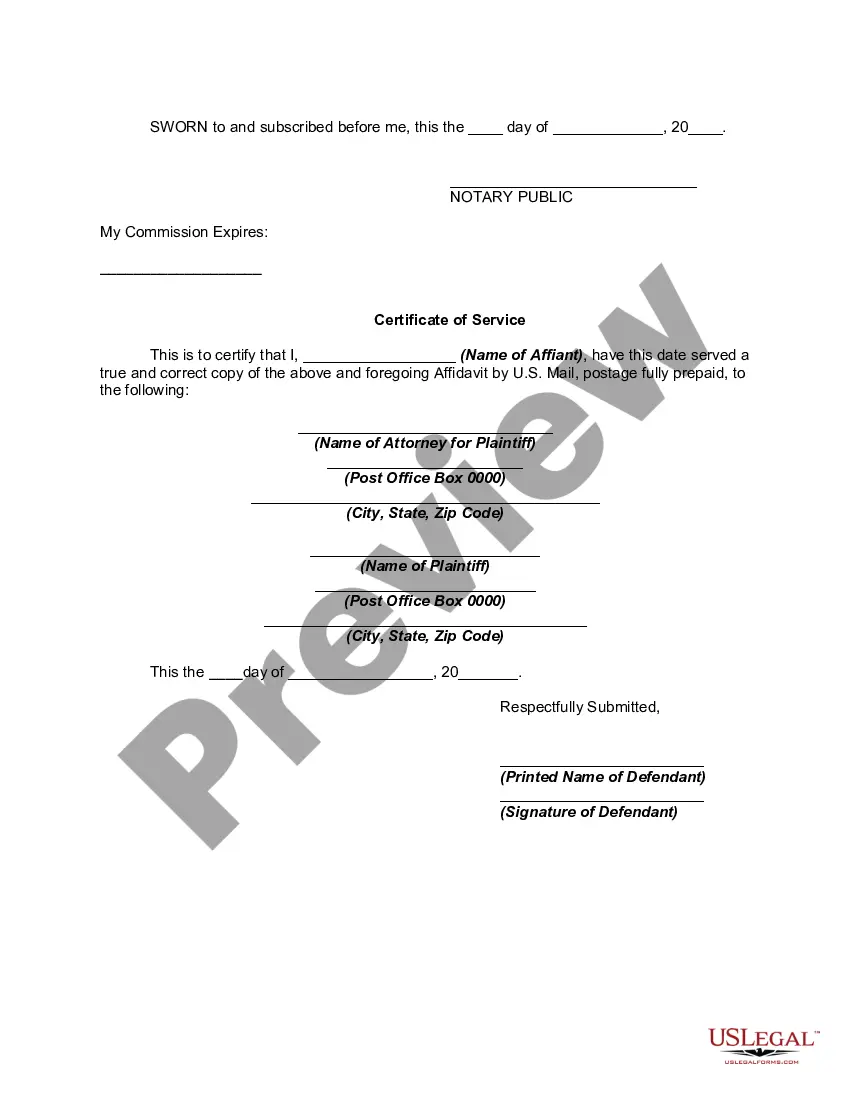



Get your form ready online
Our built-in tools help you complete, sign, share, and store your documents in one place.
Make edits, fill in missing information, and update formatting in US Legal Forms—just like you would in MS Word.
Download a copy, print it, send it by email, or mail it via USPS—whatever works best for your next step.
Sign and collect signatures with our SignNow integration. Send to multiple recipients, set reminders, and more. Go Premium to unlock E-Sign.
If this form requires notarization, complete it online through a secure video call—no need to meet a notary in person or wait for an appointment.
We protect your documents and personal data by following strict security and privacy standards.

Make edits, fill in missing information, and update formatting in US Legal Forms—just like you would in MS Word.

Download a copy, print it, send it by email, or mail it via USPS—whatever works best for your next step.

Sign and collect signatures with our SignNow integration. Send to multiple recipients, set reminders, and more. Go Premium to unlock E-Sign.

If this form requires notarization, complete it online through a secure video call—no need to meet a notary in person or wait for an appointment.

We protect your documents and personal data by following strict security and privacy standards.
Looking for another form?




Form popularity
FAQ
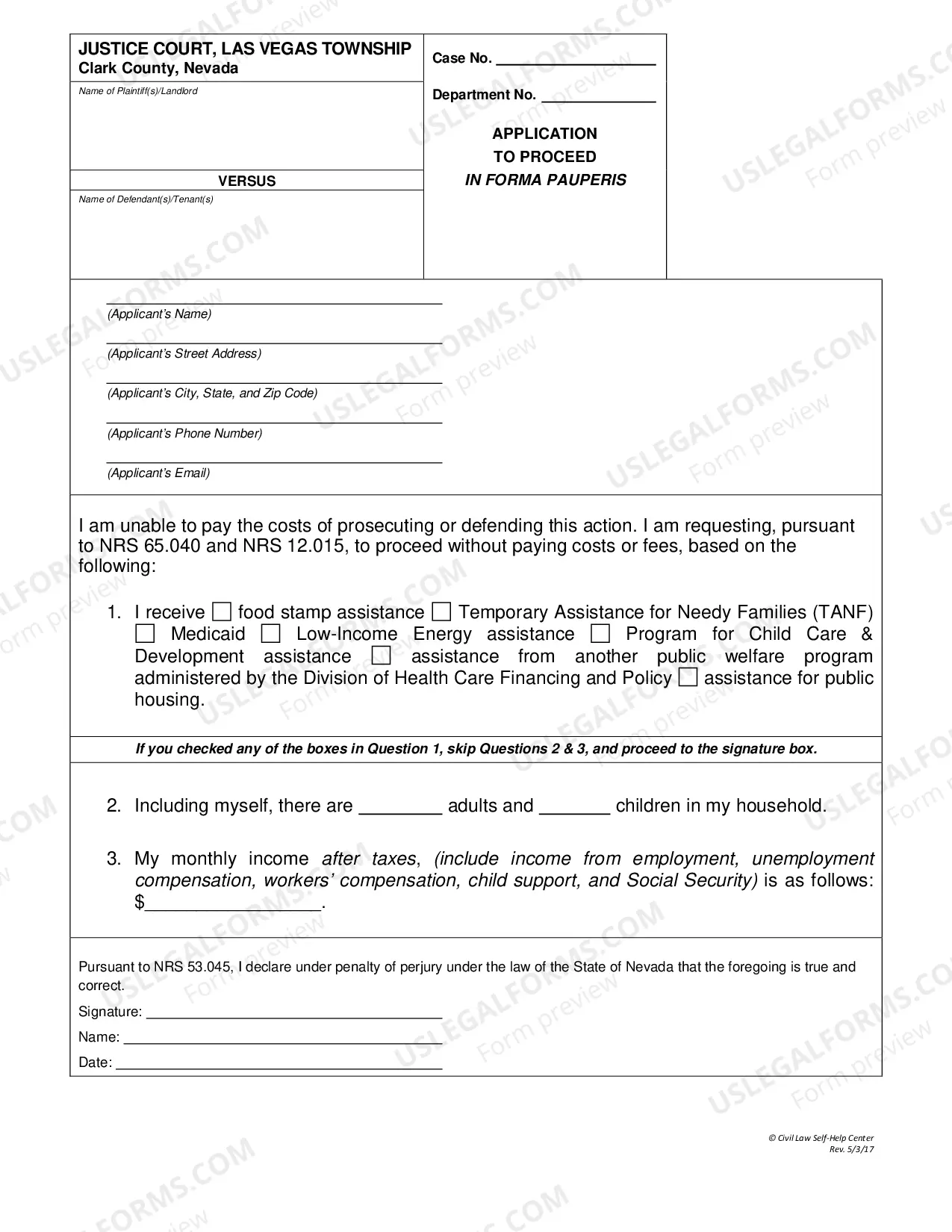
If you want to file a motion, the process is generally something like this: You write your motion. You file your motion with the court clerk. The court clerk inserts the date and time your motion will be heard by the judge. You “serve” (mail) your motion to the other side.
If you want to file a motion, the process is generally something like this: You write your motion. You file your motion with the court clerk. The court clerk inserts the date and time your motion will be heard by the judge. You “serve” (mail) your motion to the other side.
The Notice of Motion shall designate the Judge to whom the Motion will be presented for hearing; shall show the title and number of the action, the title of the Motion, the date when the Motion will be presented, the time it will be presented, the courtroom where it will be presented, and the address of the Courthouse ...
Filing a Motion via E-filing You can e-file using a personal computer or at one of the public access eFile workstations offered at the Daley Center and in suburban courthouses. You must have an email address to e-file.
Either side in a case can file a motion. In some instances, a non-party may file a motion (for example, a motion to quash a subpoena issued in the case). Motions are electronically filed (e-file) with the court clerk where your case is being heard and are decided by a judge at a motion hearing.
Proposed orders for all Civil Court case types must be submitted directly to the court through the 15th Judicial Circuit's Online Scheduling System (OLS). Proposed orders cannot be submitted in person, by mail, by fax or by email to the court or to the Clerk's office.
Anatomy and physiology are two of the most basic terms and areas of study in the life sciences. Anatomy refers to the internal and external structures of the body and their physical relationships, whereas physiology refers to the study of the functions of those structures.
For example, study of the anatomy of the heart shows that it is made of four chambers, and the physiology of the heart describes the way that it pumps blood.
Explanation: Anatomy studies the physical structure of the human body, while physiology studies the body's internal functions. This means that anatomy focuses on the various parts and systems of the body, such as the organs, bones, and muscles, and how they are arranged and connected.
Physiology is the study of how the human body works. It describes the chemistry and physics behind basic body functions, from how molecules behave in cells to how systems of organs work together. It helps understand what happens when your body is healthy and what goes wrong when you get sick.
