Child Support Motion For Contempt In Miami-Dade
Description




Get your form ready online
Our built-in tools help you complete, sign, share, and store your documents in one place.
Make edits, fill in missing information, and update formatting in US Legal Forms—just like you would in MS Word.
Download a copy, print it, send it by email, or mail it via USPS—whatever works best for your next step.
Sign and collect signatures with our SignNow integration. Send to multiple recipients, set reminders, and more. Go Premium to unlock E-Sign.
If this form requires notarization, complete it online through a secure video call—no need to meet a notary in person or wait for an appointment.
We protect your documents and personal data by following strict security and privacy standards.

Make edits, fill in missing information, and update formatting in US Legal Forms—just like you would in MS Word.

Download a copy, print it, send it by email, or mail it via USPS—whatever works best for your next step.

Sign and collect signatures with our SignNow integration. Send to multiple recipients, set reminders, and more. Go Premium to unlock E-Sign.

If this form requires notarization, complete it online through a secure video call—no need to meet a notary in person or wait for an appointment.

We protect your documents and personal data by following strict security and privacy standards.
Looking for another form?







Form popularity
FAQ
You must explain what the other party has failed to do. This form must be signed before a notary public and a copy must be furnished to the other party by mail, fax and mail, or hand delivery. If you want to be sure of service, the motion should be personally served by a sheriff or process server.
Go to the clerk's office at the court that made the orders. Give the clerk your completed Motion for Contempt and Appearance forms. The clerk will write a hearing date and time on the motion, sign it, and give it back to you. The hearing date is when you and the other person must go to court.
You don't need an attorney to file a Motion for Contempt, but it is a good idea to have one. If you decide to represent yourself, you can go to the courthouse that made the order and ask for help at the Court Service Center.
A contempt motion is a motion filed in family court when the other parent doesn't obey a court order. The court order is most often based upon the agreement of the parties but sometimes is based upon solely a prior order entered by the judge.
Begin by gathering all relevant documents, including the original child support order and proof of missed payments. Next, complete Florida's required forms and submit them to the court. You may wish to consult an attorney to ensure all details are accurately and thoroughly addressed.
If you are convicted of any degree of this crime, your outlook is bleak in terms of sentencing. Second Degree is an “A” misdemeanor while a First Degree conviction is an “E” felony. These crimes are punishable with sentences up to one year in jail and four years in state prison respectively.
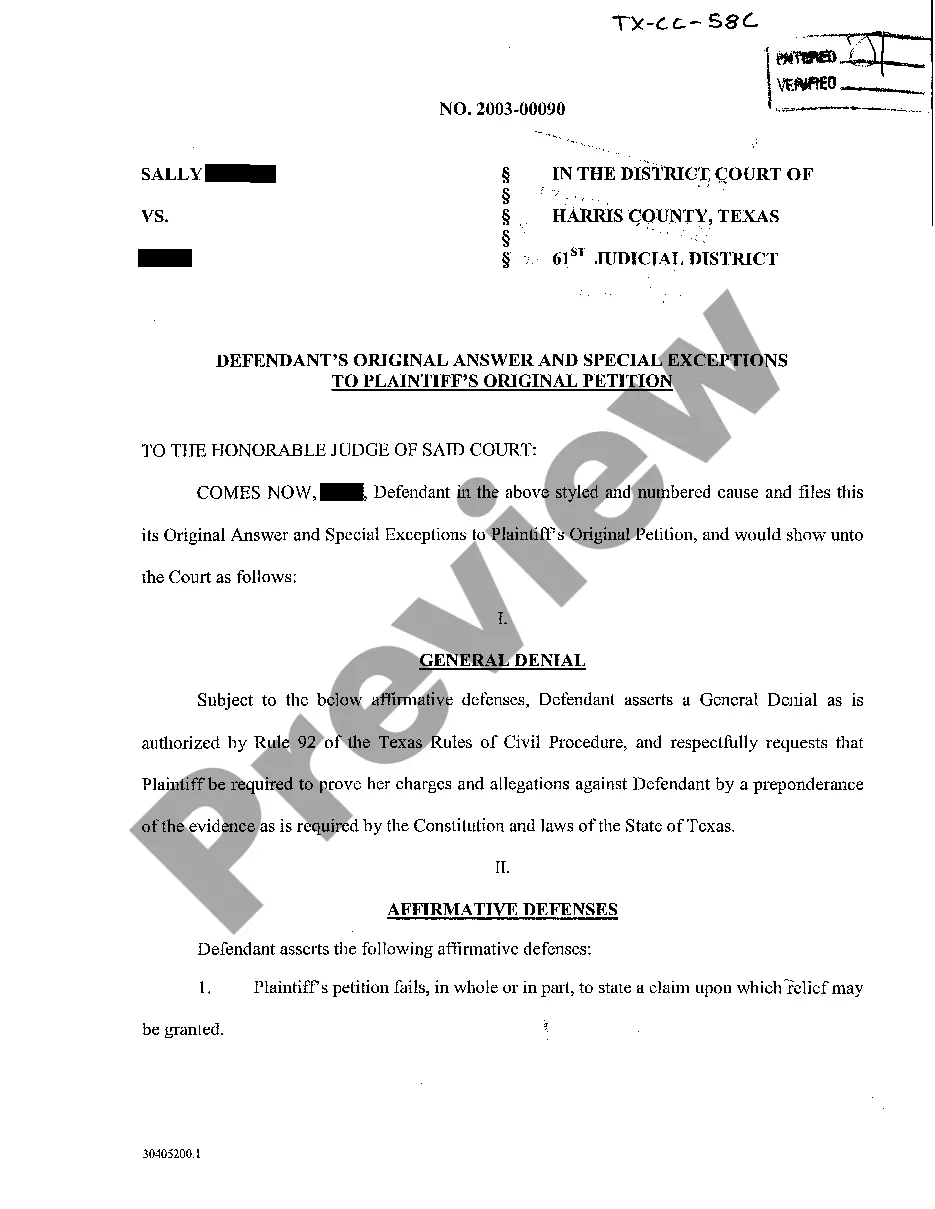
Upon responding to a motion for contempt, a defendant may either lodge a defense or he or she may purge the contempt by complying with the court's order and remedying any past due support obligations. The defendant responds by filing an answer. The answer may contain defenses against the contempt action.
Some tools discussed for responding to contempt of court charges include questioning whether the contempt is civil or criminal, demanding to know the alleged crime and injured party if criminal contempt is claimed, and demanding to see any contract if civil contempt is claimed.
Upon responding to a motion for contempt, a defendant may either lodge a defense or he or she may purge the contempt by complying with the court's order and remedying any past due support obligations. The defendant responds by filing an answer. The answer may contain defenses against the contempt action.
Opposition to Motion for Contempt: This may be used if the other party filed a motion claiming you are violating a court order. Opposition to Motion to Set Aside Default, Decree, or Order: This is to oppose a motion the other party filed asking the court to set aside or "undo" a default, decree, or order.
