Spouse Alimony Provisions Foreign In Maricopa
Description

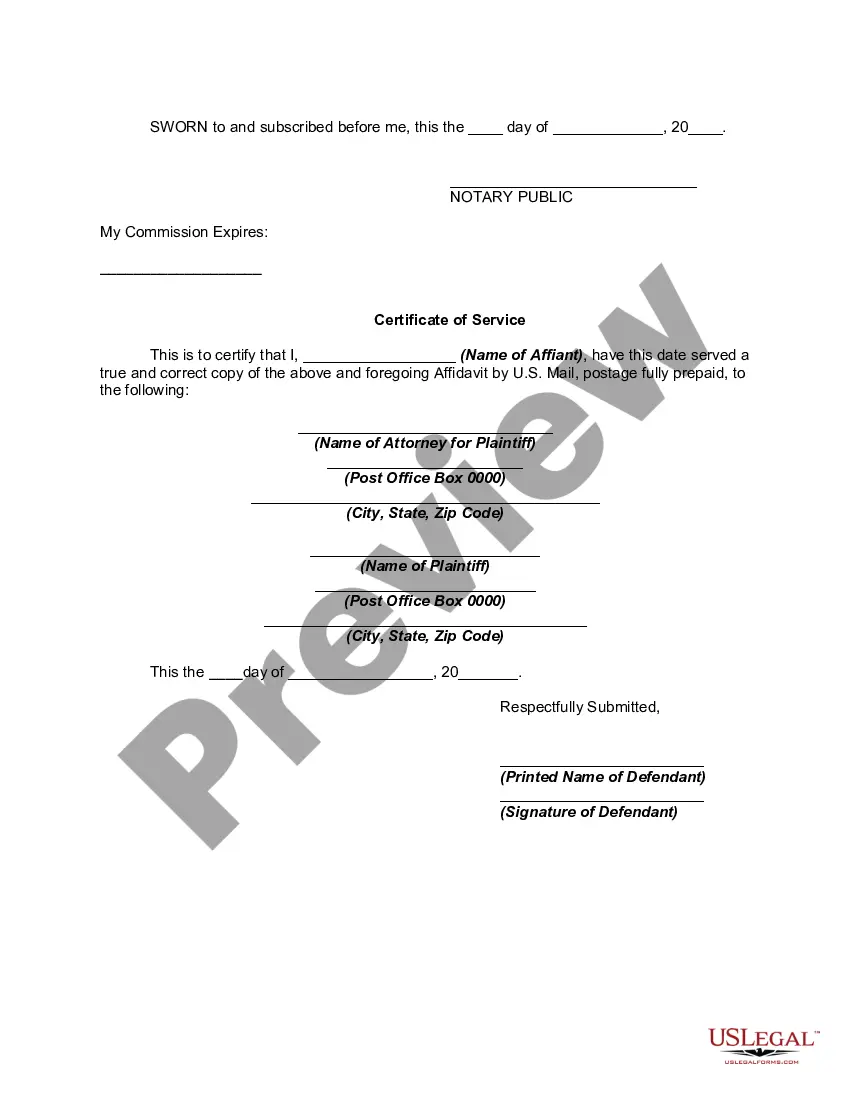



Get your form ready online
Our built-in tools help you complete, sign, share, and store your documents in one place.
Make edits, fill in missing information, and update formatting in US Legal Forms—just like you would in MS Word.
Download a copy, print it, send it by email, or mail it via USPS—whatever works best for your next step.
Sign and collect signatures with our SignNow integration. Send to multiple recipients, set reminders, and more. Go Premium to unlock E-Sign.
If this form requires notarization, complete it online through a secure video call—no need to meet a notary in person or wait for an appointment.
We protect your documents and personal data by following strict security and privacy standards.

Make edits, fill in missing information, and update formatting in US Legal Forms—just like you would in MS Word.

Download a copy, print it, send it by email, or mail it via USPS—whatever works best for your next step.

Sign and collect signatures with our SignNow integration. Send to multiple recipients, set reminders, and more. Go Premium to unlock E-Sign.

If this form requires notarization, complete it online through a secure video call—no need to meet a notary in person or wait for an appointment.

We protect your documents and personal data by following strict security and privacy standards.
Looking for another form?






Form popularity
FAQ
Extradition only occurs in criminal cases. If you fall behind in alimony payments, it could be considered a contempt of court, which is considered "quasi" criminal--in other words, it is about a civil matter, but the person willfully disobeyed a court order.
In Scotland, Sweden, Finland and New Zealand, financial independence for both spouses is at the heart of the court's approach and the obligation to maintain a spouse is not imposed, save for a short period or in exceptional circumstances.
Countries including Australia, Canada, Germany, Mexico, and the U.K. regularly work with U.S. courts to enforce alimony orders across international borders. However, enforcing an international alimony order may take more time than enforcing a domestic one.
Out-of-state child support order: Can I enforce an out-of-state child support order in Arizona? Yes, you can enforce the out-of-state child support order.
Moving to another country does not automatically exempt you from paying alimony. Here are some key points to consider: Legal Obligations: If you have a court order for alimony, you are legally obligated to comply with it, regardless of your location.
The court can award an alimony amount within the target range or can deviate from it based on certain specified factors, including the recipient spouse's age and ability to be employed. Duration of alimony is now set based on the length of the marriage.
To request temporary spousal maintenance in Arizona, you must file a petition through your local family court and provide sufficient evidence regarding why you require financial assistance. Most temporary spousal support orders are valid until the divorce becomes finalized unless the court decides to extend the order.
Unlike some states, Arizona doesn't impose a minimum marriage duration for awarding spousal maintenance. Theoretically, even a marriage that lasted less than a year could result in alimony. However, the marriage's duration significantly impacts the length of time for which maintenance may be awarded.
A parent can register a child custody order issued by a court by another state in Arizona by sending the court in Arizona a letter or other document requesting the registration of the child custody order in Arizona, two copies of the child custody order issued by the other state, one of which needs to be a certified ...
