Affidavit Motion Amend Without Consent In Florida
Description

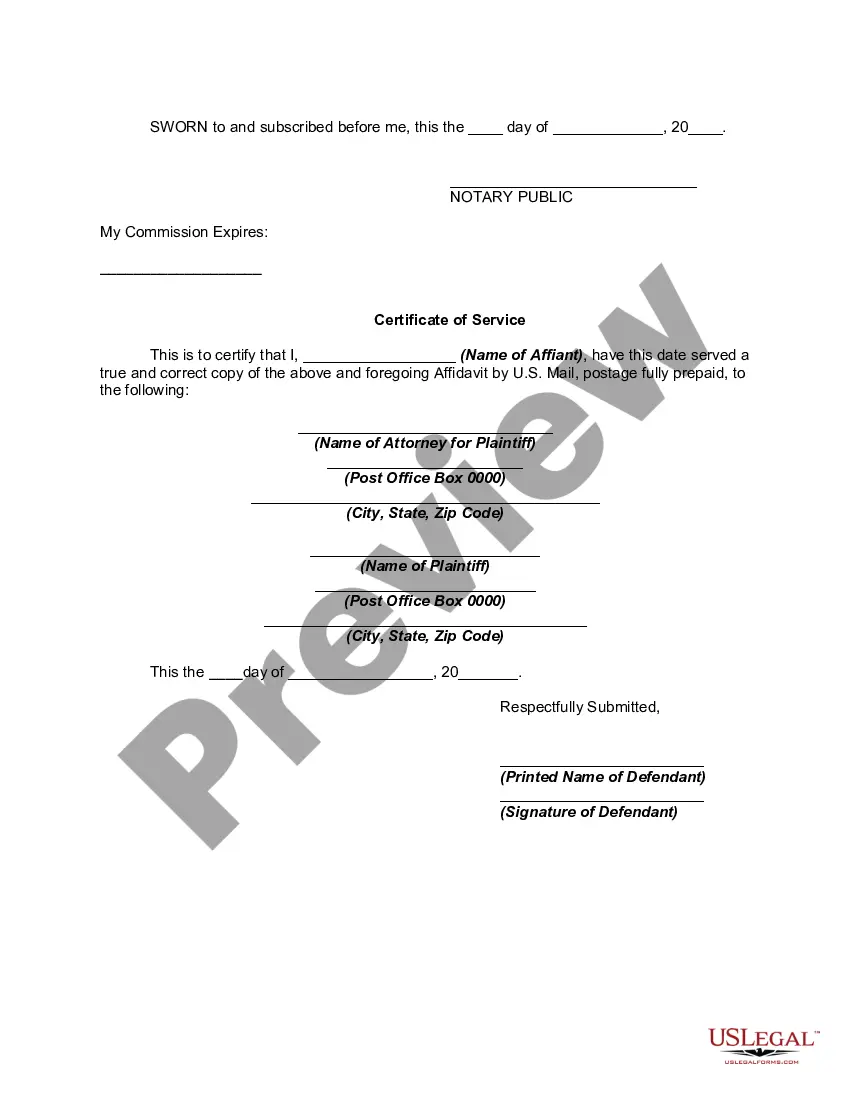



Get your form ready online
Our built-in tools help you complete, sign, share, and store your documents in one place.
Make edits, fill in missing information, and update formatting in US Legal Forms—just like you would in MS Word.
Download a copy, print it, send it by email, or mail it via USPS—whatever works best for your next step.
Sign and collect signatures with our SignNow integration. Send to multiple recipients, set reminders, and more. Go Premium to unlock E-Sign.
If this form requires notarization, complete it online through a secure video call—no need to meet a notary in person or wait for an appointment.
We protect your documents and personal data by following strict security and privacy standards.

Make edits, fill in missing information, and update formatting in US Legal Forms—just like you would in MS Word.

Download a copy, print it, send it by email, or mail it via USPS—whatever works best for your next step.

Sign and collect signatures with our SignNow integration. Send to multiple recipients, set reminders, and more. Go Premium to unlock E-Sign.

If this form requires notarization, complete it online through a secure video call—no need to meet a notary in person or wait for an appointment.

We protect your documents and personal data by following strict security and privacy standards.
Looking for another form?
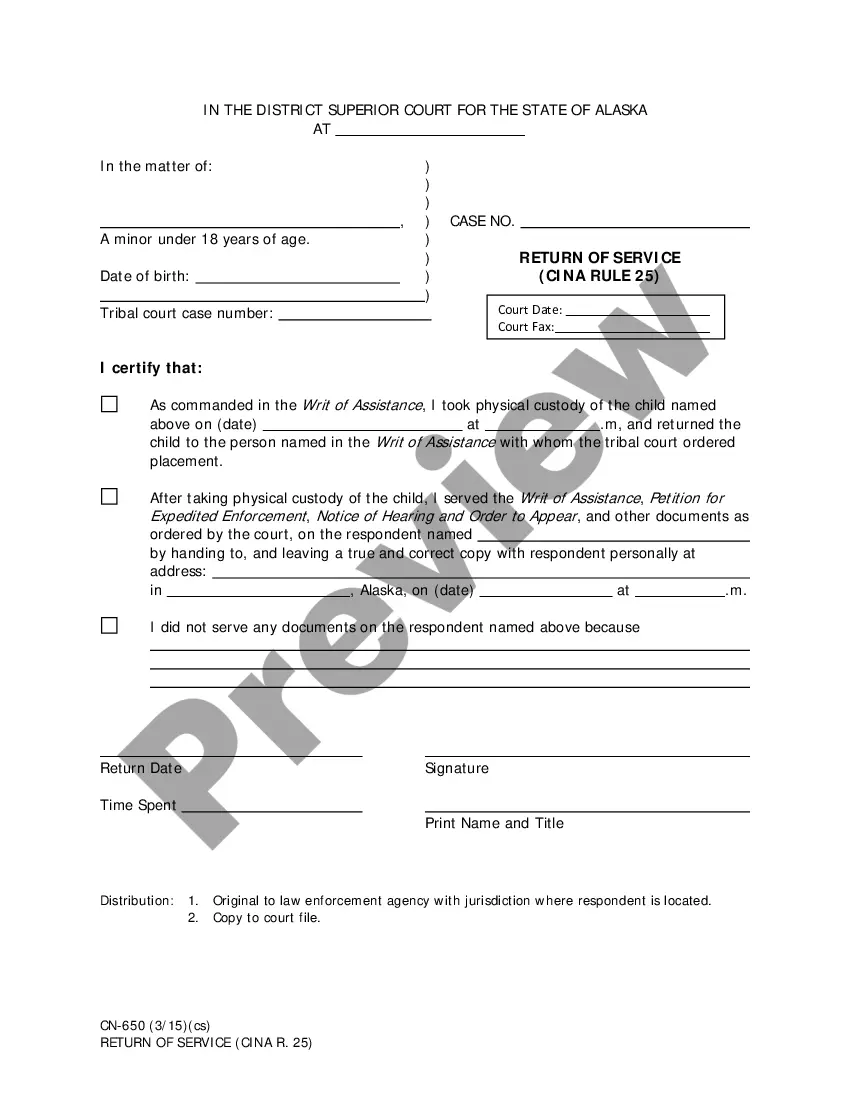




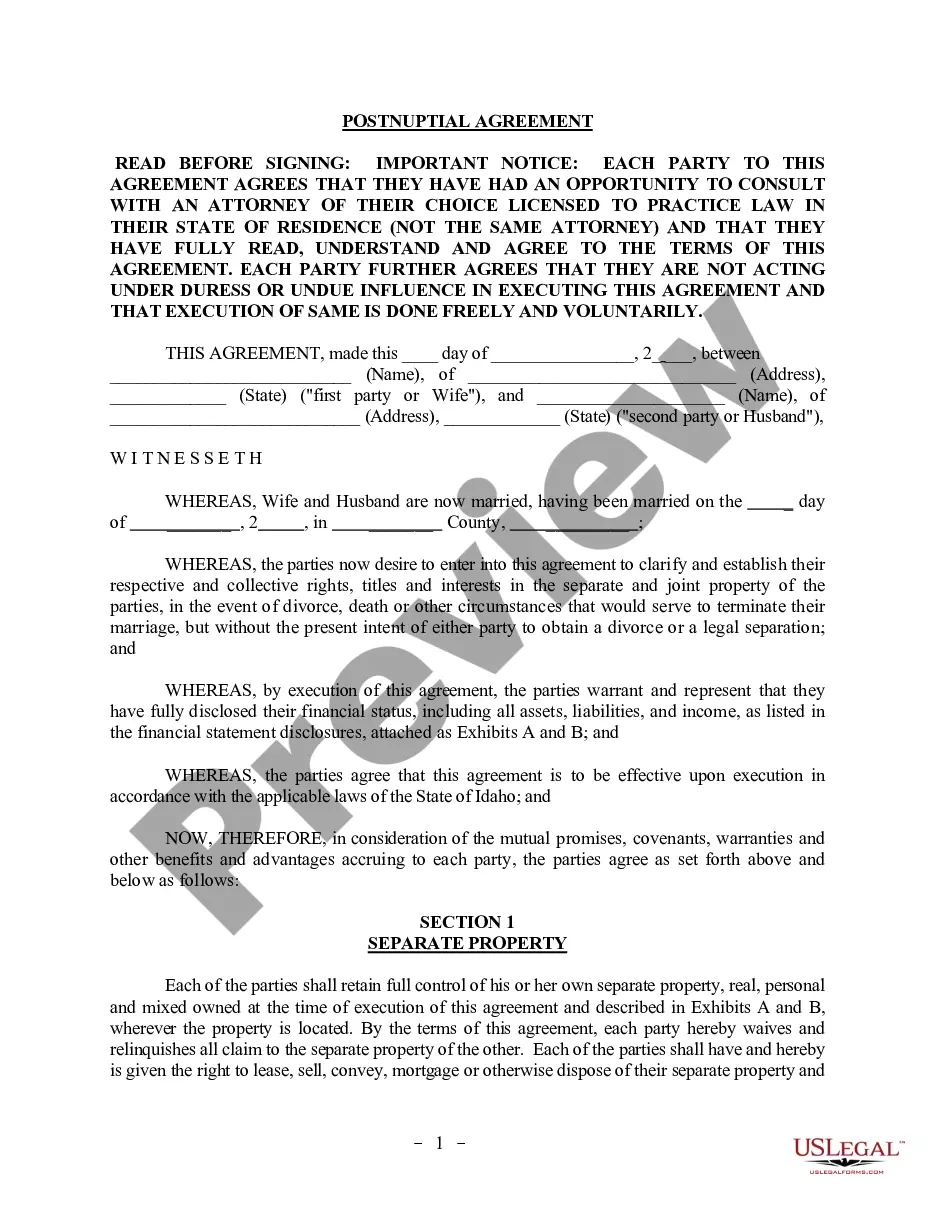



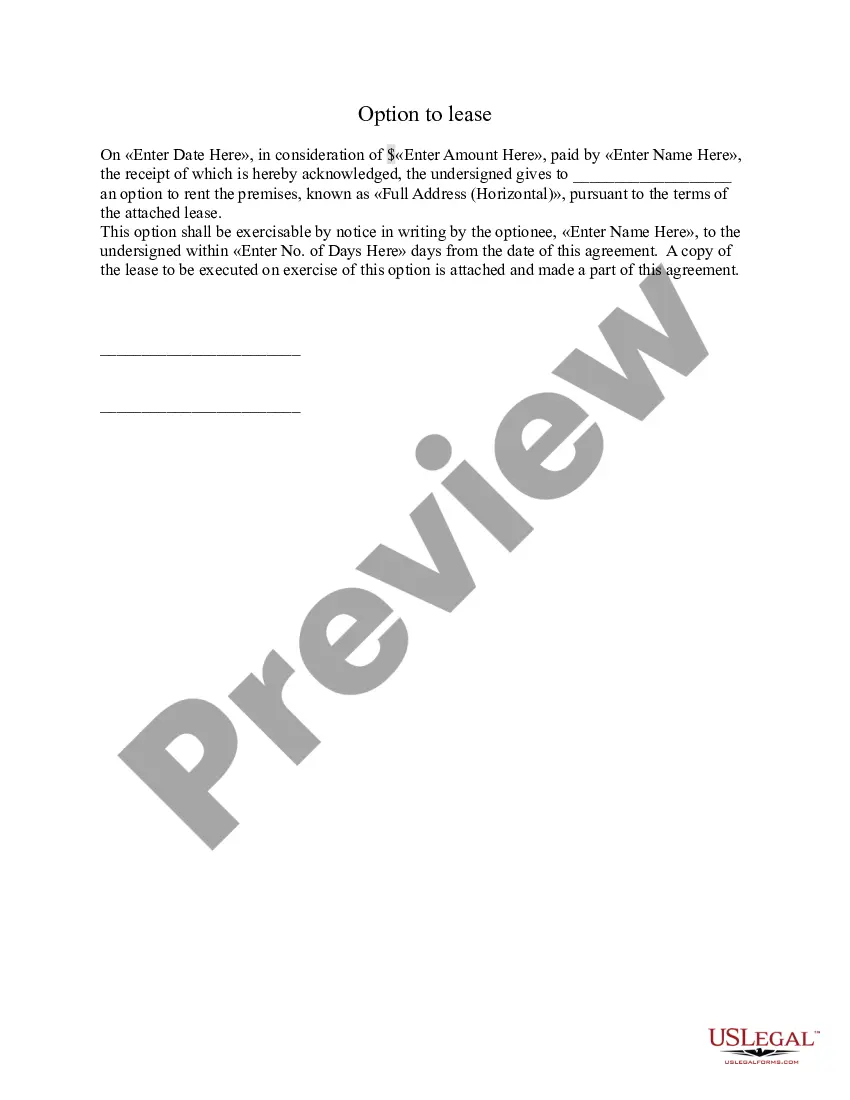
Form popularity
FAQ
The notice must state the time and place for taking the deposition and the name and address of each person to be examined, if known, and, if the name is not known, a general description sufficient to identify the person or the particular class or group to which the person belongs.
An affidavit or declaration used to support or oppose a motion must be made on personal knowledge, set out facts that would be admissible in evidence, and show that the affiant or declarant is competent to testify on the matters stated.
Any party may request any other party: (1) to produce and permit the party making the request, or someone acting in the requesting party's behalf, to inspect and copy any designated documents, including electronically stored information, writings, drawings, graphs, charts, photographs, audio, visual, or digital ...
This rule provides the exclusive procedure for obtaining documents or things by subpoena from nonparties without deposing the custodian or other person in possession of the documents or things under rule 12.310.
Generally, the initial summons and complaint for any case must be served on the named defendant(s) within 120 days following the initial filing of the case with the clerk of court. This is preferably served in-person (known as personal service), although alternative service may be approved on a case-by-case basis.
On motion and on such terms as are just, the court may relieve a party or a party's legal representative from a final judgment, order, or proceeding for the following reasons: (1) mistake, inadvertence, surprise, or excusable neglect; (2) newly discovered evidence which by due diligence could not have been discovered ...
P. 1.530(a) provides for a motion for rehearing on a summary judgment to allow the Court to take additional evidenced and enter a new judgment.
Florida Family Law Rule 12.490 provides for the appointment of general magistrates to hear Family Division cases. The magistrate hears testimony, rules on objections and admissibility of evidence, and renders a decision and recommended order.
An affidavit or declaration used to support or oppose a motion must be made on personal knowledge, set out facts that would be admissible in evidence, and show that the affiant or declarant is competent to testify on the matters stated.
The affiant must take the oath highlighted in the affidavit voluntarily. If the court discovers evidence that the affiant signed unwillingly, under pressure, or coercion, they may consider the oath invalid and the affidavit inadmissible in court proceedings.
