Spousal Support Form For Medicaid In Cuyahoga
Description

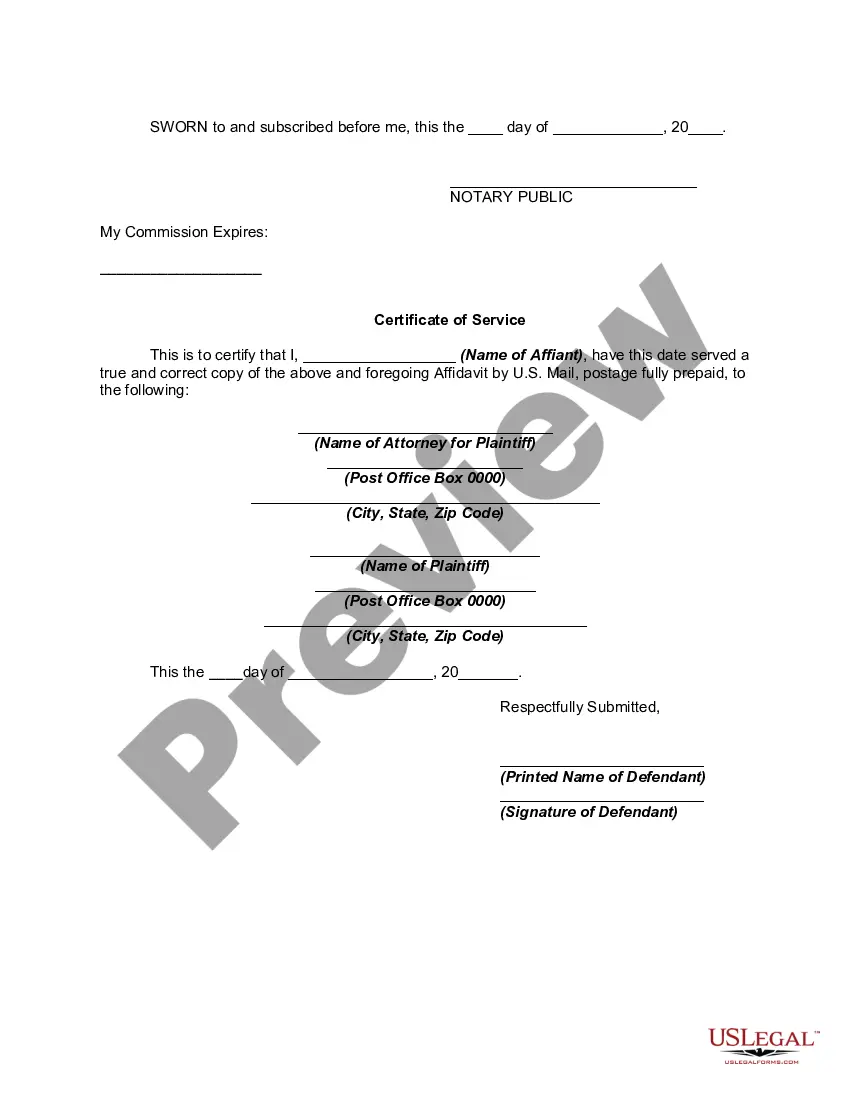



Get your form ready online
Our built-in tools help you complete, sign, share, and store your documents in one place.
Make edits, fill in missing information, and update formatting in US Legal Forms—just like you would in MS Word.
Download a copy, print it, send it by email, or mail it via USPS—whatever works best for your next step.
Sign and collect signatures with our SignNow integration. Send to multiple recipients, set reminders, and more. Go Premium to unlock E-Sign.
If this form requires notarization, complete it online through a secure video call—no need to meet a notary in person or wait for an appointment.
We protect your documents and personal data by following strict security and privacy standards.

Make edits, fill in missing information, and update formatting in US Legal Forms—just like you would in MS Word.

Download a copy, print it, send it by email, or mail it via USPS—whatever works best for your next step.

Sign and collect signatures with our SignNow integration. Send to multiple recipients, set reminders, and more. Go Premium to unlock E-Sign.

If this form requires notarization, complete it online through a secure video call—no need to meet a notary in person or wait for an appointment.

We protect your documents and personal data by following strict security and privacy standards.
Looking for another form?
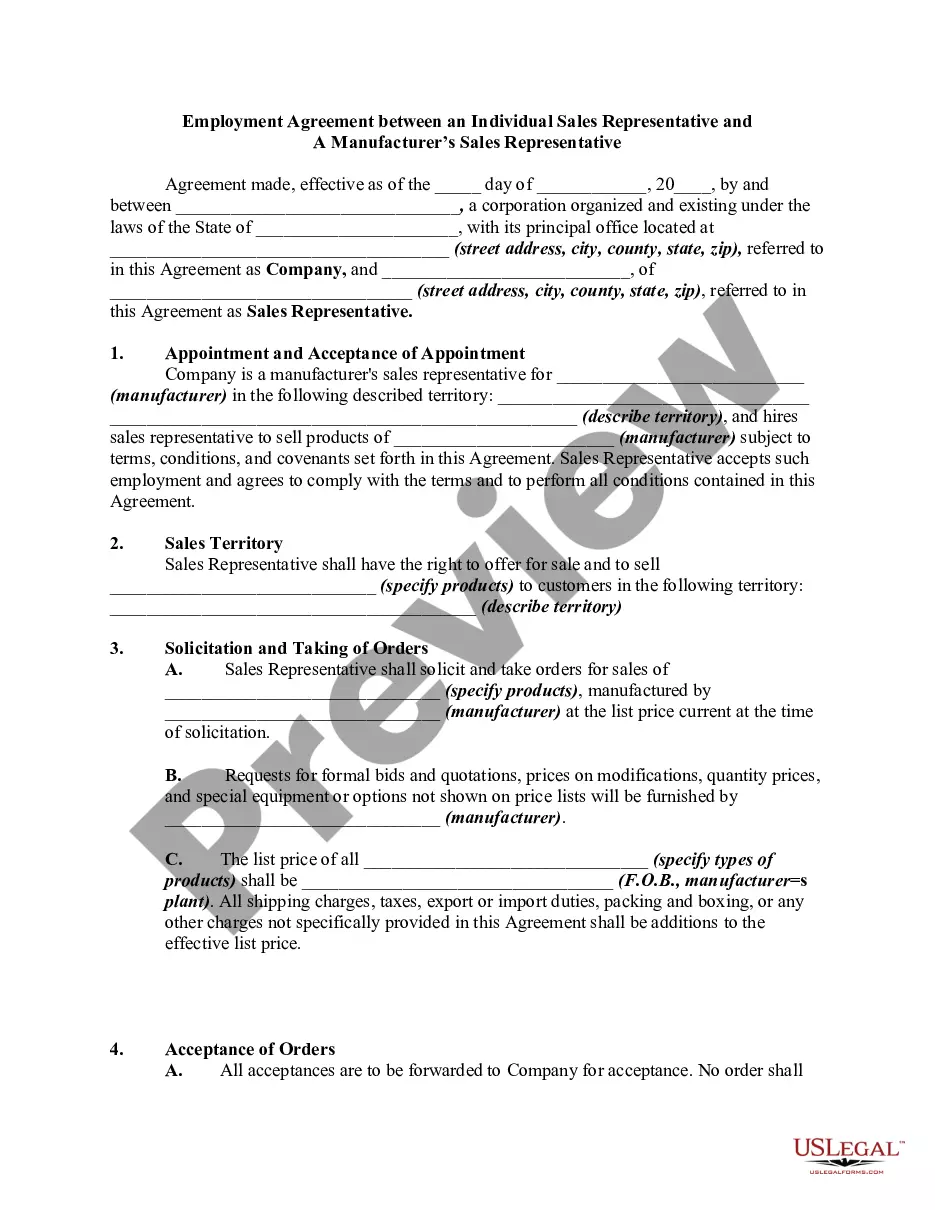
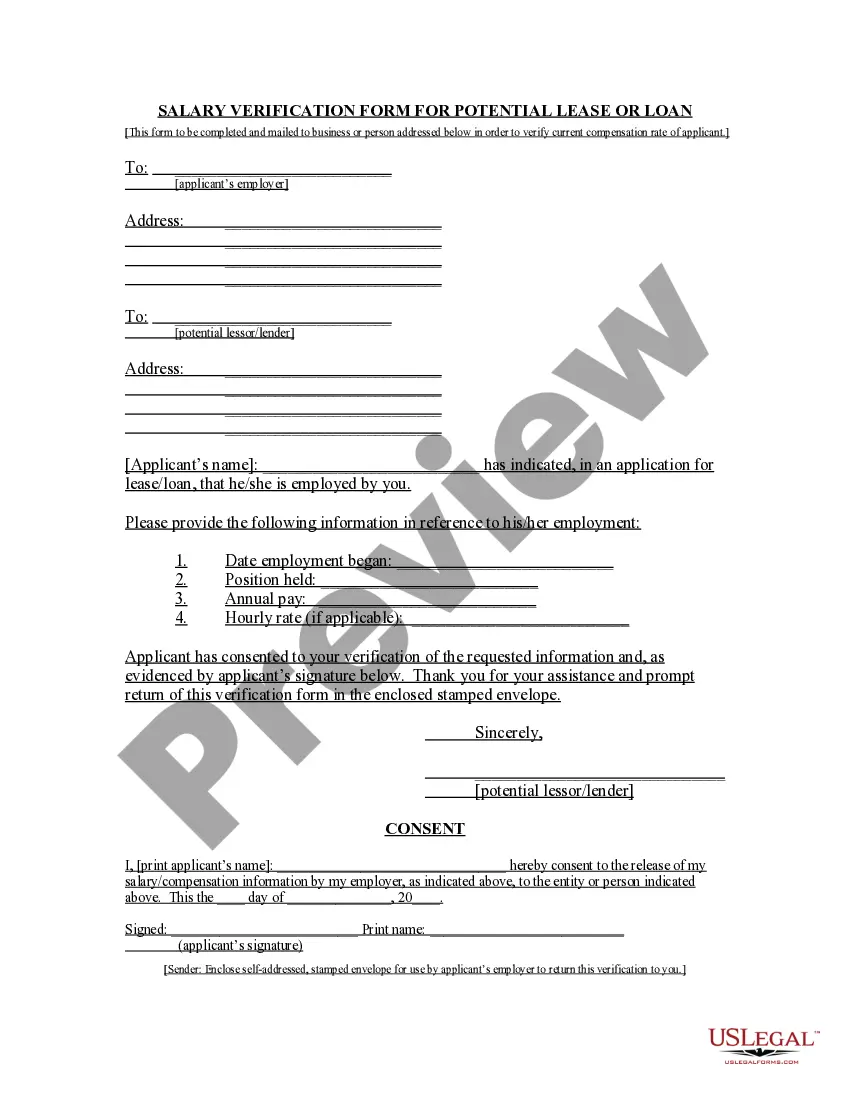



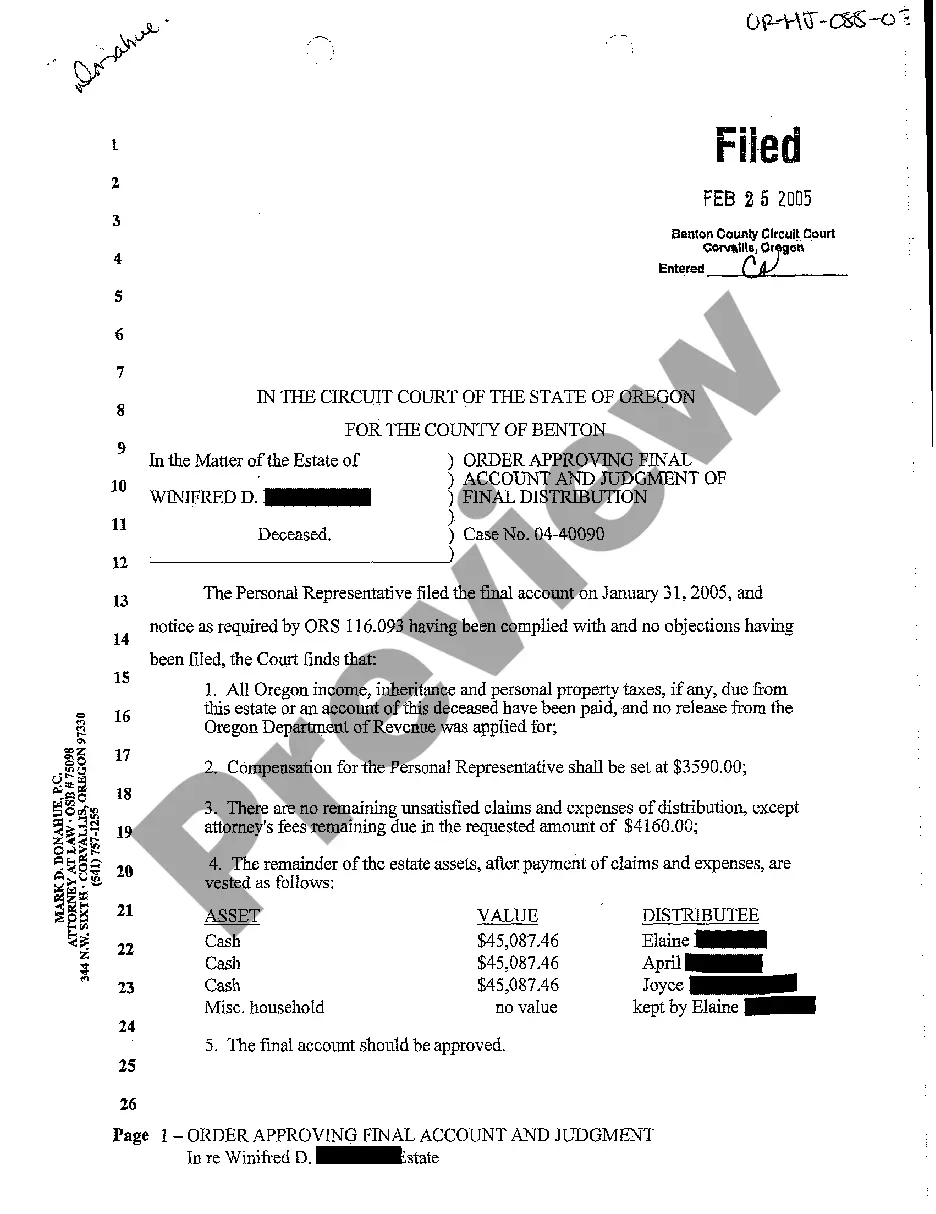

Form popularity
FAQ
Treatment of Assets for a Couple In 2025, the community spouse (the non-applicant spouse) can retain 50% of the couples' assets, up to a maximum of $157,920. If the non-applicant's half of the assets falls under $31,584, the non-applicant spouse can retain 100% of the couple's assets, up to $31,584.
See requirements by state. If the couple has assets greater than the allowable Medicaid limits, Spousal Refusal can protect additional assets for the community spouse. With Spousal Refusal, the community spouse's assets are not considered in calculating the asset eligibility of the applicant spouse.
Apply for Medicaid in Ohio Eligibility: Adults are eligible with incomes up to 138% of poverty. Children are eligible with incomes up to 206% of poverty, and pregnant women are eligible with incomes up to 200% of poverty.
Termination of Spousal Support In most cases, spousal support orders contain provisions for the support obligation to end upon the death of either party, the marriage of the payee (spouse receiving support), or the payee's cohabitation with an unrelated adult.
The court may make a final spousal support order. There is no specific formula in Ohio for calculating temporary support awards. The court must use its discretion, taking into account each spouse's earning capacity and other resources while the divorce is pending.
Judges in Ohio may modify a spousal support order by changing or ending the installment payments, but only if: either spouse's circumstances have changed, and. the divorce decree or the couple's separation agreement (which was made part of the decree) authorizes a future modification.
There is no specific formula in Ohio for calculating temporary support awards. The court must use its discretion, taking into account each spouse's earning capacity and other resources while the divorce is pending. The court should strive to maintain the financial status quo despite title or ownership.
In Ohio, eligibility for spousal support is determined by various factors, including the length of the marriage, the standard of living during the marriage, each spouse's earning capacity, age, physical and emotional health, and financial and non-financial contributions to the marriage.
(1) In the case of a divorce, the decree or a separation agreement of the parties to the divorce that is incorporated into the decree contains a provision specifically authorizing the court to modify the amount or terms of alimony or spousal support.
Once you are married, your income and access to health insurance will contribute to her eligibility. If the PHE is still in effect at the time, she will remain eligible for Medicaid. She would likely become ineligible once she is married and the PHE has ended.
