Affidavit Motion Amend With Motion In Collin
Description

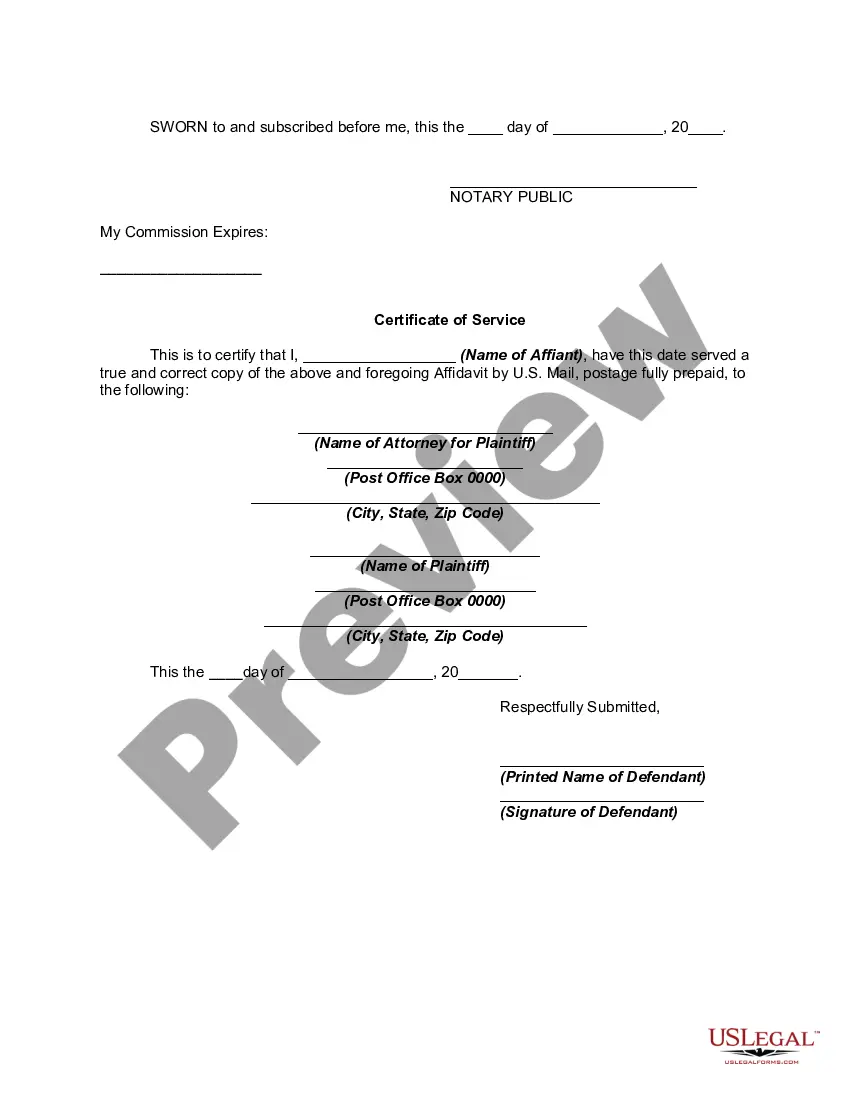



Get your form ready online
Our built-in tools help you complete, sign, share, and store your documents in one place.
Make edits, fill in missing information, and update formatting in US Legal Forms—just like you would in MS Word.
Download a copy, print it, send it by email, or mail it via USPS—whatever works best for your next step.
Sign and collect signatures with our SignNow integration. Send to multiple recipients, set reminders, and more. Go Premium to unlock E-Sign.
If this form requires notarization, complete it online through a secure video call—no need to meet a notary in person or wait for an appointment.
We protect your documents and personal data by following strict security and privacy standards.

Make edits, fill in missing information, and update formatting in US Legal Forms—just like you would in MS Word.

Download a copy, print it, send it by email, or mail it via USPS—whatever works best for your next step.

Sign and collect signatures with our SignNow integration. Send to multiple recipients, set reminders, and more. Go Premium to unlock E-Sign.

If this form requires notarization, complete it online through a secure video call—no need to meet a notary in person or wait for an appointment.

We protect your documents and personal data by following strict security and privacy standards.
Looking for another form?









Form popularity
FAQ
Providing false information in an affidavit can lead to legal consequences, including penalties for perjury.
The affiant must take the oath highlighted in the affidavit voluntarily. If the court discovers evidence that the affiant signed unwillingly, under pressure, or coercion, they may consider the oath invalid and the affidavit inadmissible in court proceedings.
You will need to go back to the court where your order was issued and file modification forms. There will probably be a new hearing on the issue. You may also want to consult with an attorney to see if filing for a modification is appropriate under the circumstances of your case.
Take the sworn affidavit to a lawyer or notary public, preferably the lawyer or notary who executed the affidavit. When you're in front of the lawyer or notary, correct the mistakes on the affidavit in pen (cross out the incorrect information and write the correct information).
Once you've sworn your affidavit, it's done. With one exception — for typos, discussed below — the only way you can fix a mistake in that affidavit or add additional information to it is to make a new affidavit.
Errors in personal information, such as a wrong name or address, often require correction to prevent complications in transactions or official records. A notarized affidavit for correction officially documents these changes. This process ensures that entities such as banks and government agencies accept the updates.
Take the sworn affidavit to a lawyer or notary public, preferably the lawyer or notary who executed the affidavit. When you're in front of the lawyer or notary, correct the mistakes on the affidavit in pen (cross out the incorrect information and write the correct information).
except when made during a trial or hearingmust be in writing, unless the court permits the party to make the motion by other means. must state the grounds on which it is based and the relief or order sought. may be supported by affidavit.
A motion for leave to amend complaint or petition is a request made by the plaintiff or petitioner to the court to allow them to make changes or additions to their original complaint or petition.
