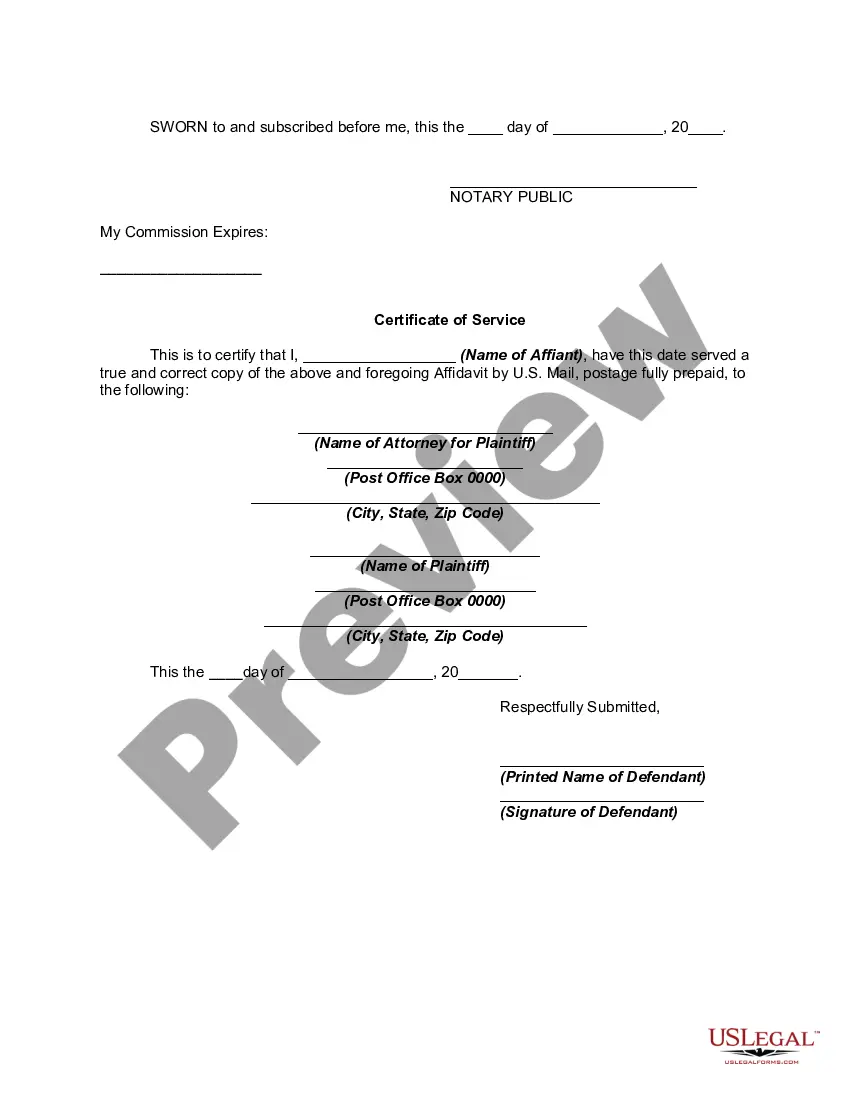
Affidavit Motion Amend Without Consent In Clark
Description




Get your form ready online
Our built-in tools help you complete, sign, share, and store your documents in one place.
Make edits, fill in missing information, and update formatting in US Legal Forms—just like you would in MS Word.
Download a copy, print it, send it by email, or mail it via USPS—whatever works best for your next step.
Sign and collect signatures with our SignNow integration. Send to multiple recipients, set reminders, and more. Go Premium to unlock E-Sign.
If this form requires notarization, complete it online through a secure video call—no need to meet a notary in person or wait for an appointment.
We protect your documents and personal data by following strict security and privacy standards.

Make edits, fill in missing information, and update formatting in US Legal Forms—just like you would in MS Word.

Download a copy, print it, send it by email, or mail it via USPS—whatever works best for your next step.

Sign and collect signatures with our SignNow integration. Send to multiple recipients, set reminders, and more. Go Premium to unlock E-Sign.

If this form requires notarization, complete it online through a secure video call—no need to meet a notary in person or wait for an appointment.

We protect your documents and personal data by following strict security and privacy standards.
Looking for another form?







Form popularity
FAQ
If you want to file a motion, the process is generally something like this: You write your motion. You file your motion with the court clerk. The court clerk inserts the date and time your motion will be heard by the judge. You “serve” (mail) your motion to the other side.
If the opposing party does not answer, then you have to file a motion to compel the opposing party to respond. The party must answer your request if the court orders them to. If the party still does not answer, they can be held in contempt of court and/or a default judgment can be issued in your favor.
except when made during a trial or hearingmust be in writing, unless the court permits the party to make the motion by other means. must state the grounds on which it is based and the relief or order sought. may be supported by affidavit.
Bringing a motion by notice usually gives the other side weeks to respond and sets no real deadline for the court to make a decision. If the movant cannot wait weeks, she may submit an order to show cause, asking the court to set tight deadlines for a response and to make a decision.
An affidavit in support of a motion is always made by the moving party or the attorney for the moving party. A declaration is a statement under penalty of perjury, not sworn to before a notary. The research for a memorandum of points and authorities is sometimes done by a paralegal.
Section 202.8-g - Motions for Summary Judgment; Statements of Material Facts (a) Upon any motion for summary judgment, other than a motion made pursuant to CPLR 3213, the court may direct that there shall be annexed to the notice of motion a separate, short and concise statement, in numbered paragraphs, of the material ...
In that situation, often the judge will deny the motion or defer ruling until he or she hears some of the evidence in trial and has a better handle on the issues. There is certainly nothing wrong with the decision to defer ruling until later in the case.
If you do not respond with your own affidavit, the court may only have the evidence presented by the other party to consider, which could potentially impact the court's decision unfavorably against your interests.
