Affidavit Amend Form Without Notary In Broward
Description

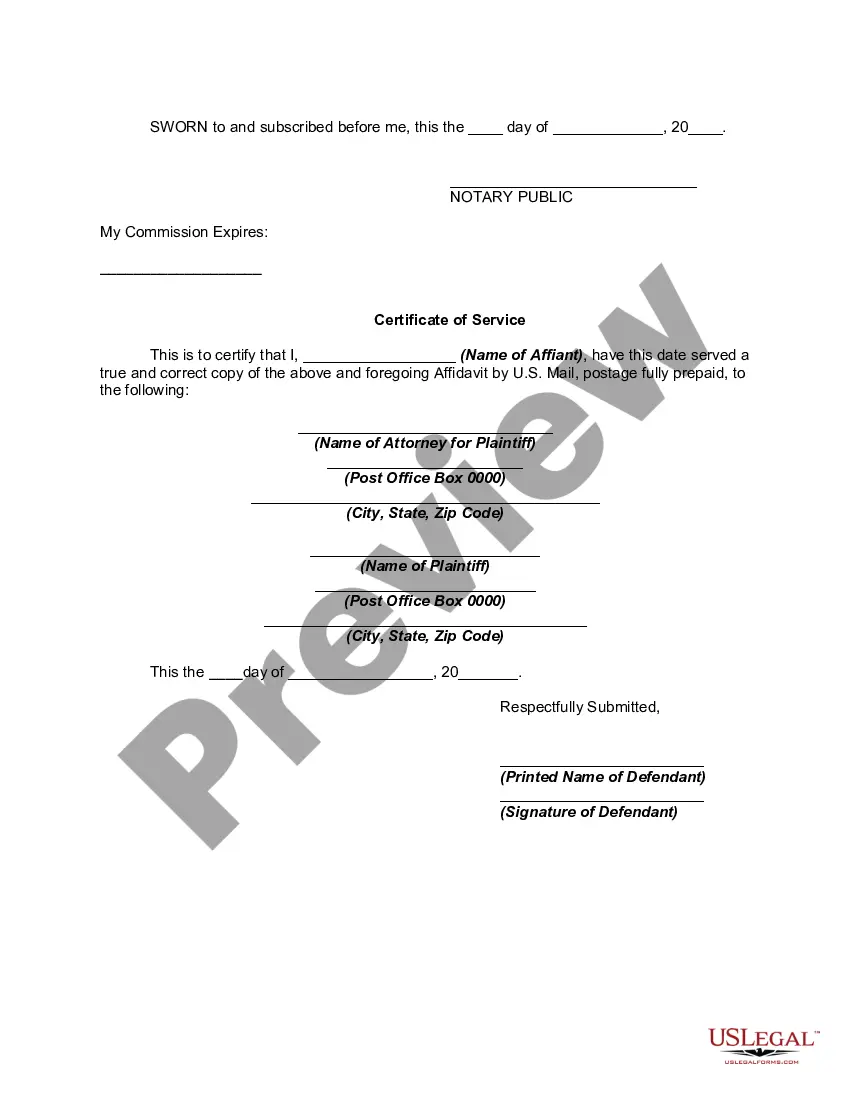



Get your form ready online
Our built-in tools help you complete, sign, share, and store your documents in one place.
Make edits, fill in missing information, and update formatting in US Legal Forms—just like you would in MS Word.
Download a copy, print it, send it by email, or mail it via USPS—whatever works best for your next step.
Sign and collect signatures with our SignNow integration. Send to multiple recipients, set reminders, and more. Go Premium to unlock E-Sign.
If this form requires notarization, complete it online through a secure video call—no need to meet a notary in person or wait for an appointment.
We protect your documents and personal data by following strict security and privacy standards.

Make edits, fill in missing information, and update formatting in US Legal Forms—just like you would in MS Word.

Download a copy, print it, send it by email, or mail it via USPS—whatever works best for your next step.

Sign and collect signatures with our SignNow integration. Send to multiple recipients, set reminders, and more. Go Premium to unlock E-Sign.

If this form requires notarization, complete it online through a secure video call—no need to meet a notary in person or wait for an appointment.

We protect your documents and personal data by following strict security and privacy standards.
Looking for another form?








Form popularity
FAQ
Notarizing your own documents is prohibited in all 50 states. This means that a notary cannot legally notarize their own documents. If a notary needs to have a document notarized, they will need to contact a commissioned, third-party notary public to carry out the transaction.
On January 31, 2023, only electronic notarization is permitted in New York State, through repeal of Executive Law § 135-c, Remote ink notarization and replacement with Executive Law § 135-c, Electronic notarization.
Take the sworn affidavit to a lawyer or notary public, preferably the lawyer or notary who executed the affidavit. When you're in front of the lawyer or notary, correct the mistakes on the affidavit in pen (cross out the incorrect information and write the correct information).
An Affidavit, typically signed by the client representative, must be notarized in their presence by a notary.
The notary public is there to ensure the validity of the signature and guarantee that the signature was applied voluntarily and without coercion. Once the affiant acknowledges signing the document for its intended purpose and signs the affidavit, the document is notarized and becomes a sworn affidavit.
A general affidavit statement may begin with language such as: “I, the undersigned, being duly sworn, do hereby state under oath and under penalty of perjury that the following facts are true." The rest of the affidavit should include the information to which you are attesting.
Notary laws, both state and federal, prohibit individuals from notarizing their own documents. Each government entity enforces regulations to avoid conflicts of interest that could compromise the document's validity.
Name Change. A Name Change can be filed for an individual, minor, adult, or family. ing to chapter 68.07 of the Florida Statutes, a petitioner must have fingerprints taken electronically by an authorized agency prior to a court hearing on a request for a change of name.
Getting a name change in Florida is not particularly complicated, but the process and required documentation may differ depending on why you are seeking the change.
Name Change. A Name Change can be filed for an individual, minor, adult, or family. ing to chapter 68.07 of the Florida Statutes, a petitioner must have fingerprints taken electronically by an authorized agency prior to a court hearing on a request for a change of name.
