Affidavit Amend Form With Two Points In Alameda
Description

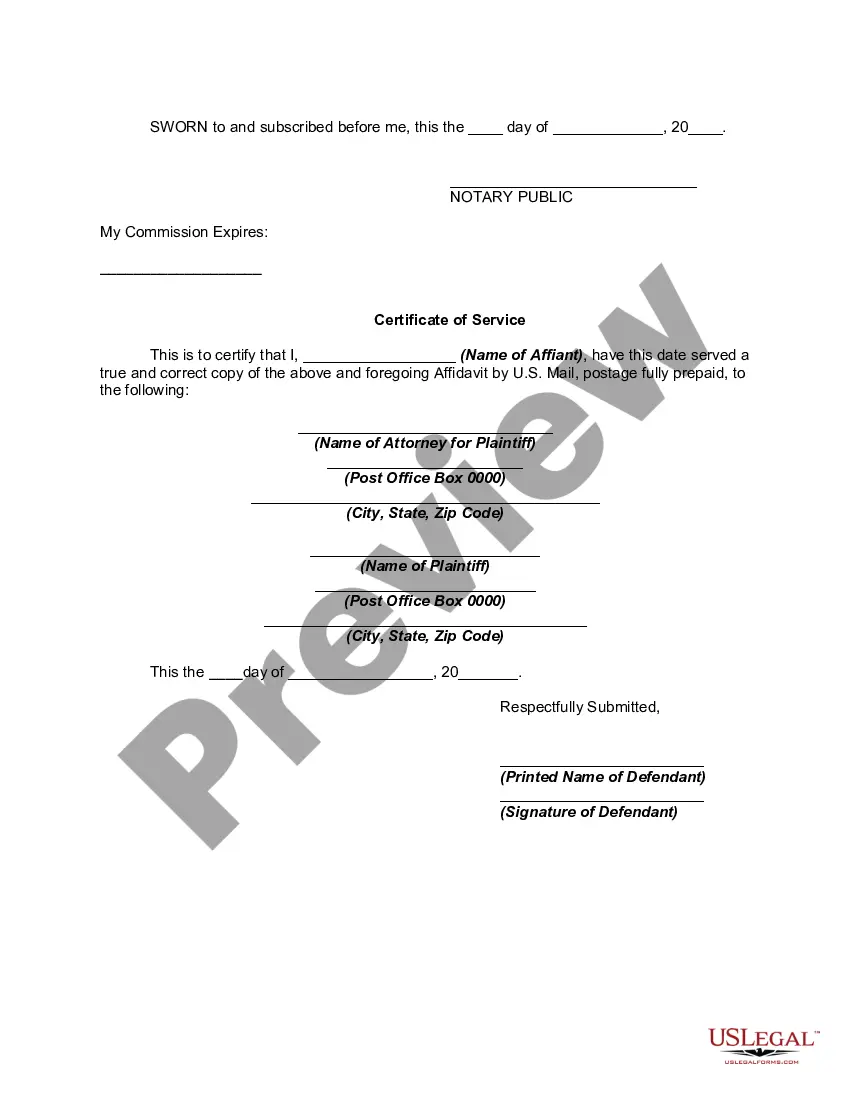



Get your form ready online
Our built-in tools help you complete, sign, share, and store your documents in one place.
Make edits, fill in missing information, and update formatting in US Legal Forms—just like you would in MS Word.
Download a copy, print it, send it by email, or mail it via USPS—whatever works best for your next step.
Sign and collect signatures with our SignNow integration. Send to multiple recipients, set reminders, and more. Go Premium to unlock E-Sign.
If this form requires notarization, complete it online through a secure video call—no need to meet a notary in person or wait for an appointment.
We protect your documents and personal data by following strict security and privacy standards.

Make edits, fill in missing information, and update formatting in US Legal Forms—just like you would in MS Word.

Download a copy, print it, send it by email, or mail it via USPS—whatever works best for your next step.

Sign and collect signatures with our SignNow integration. Send to multiple recipients, set reminders, and more. Go Premium to unlock E-Sign.

If this form requires notarization, complete it online through a secure video call—no need to meet a notary in person or wait for an appointment.

We protect your documents and personal data by following strict security and privacy standards.
Looking for another form?








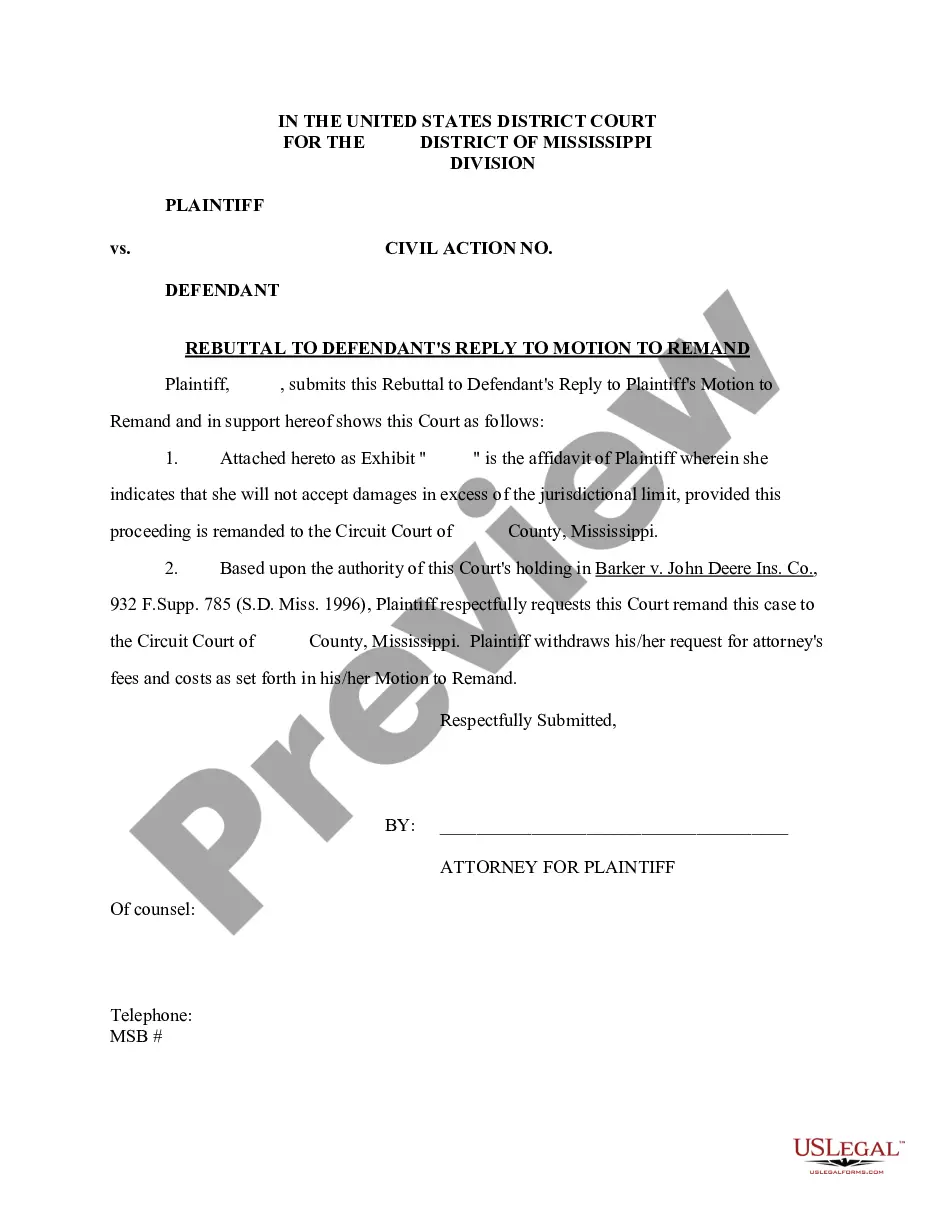
Form popularity
FAQ
A typical probate process in California takes a year to 18 months to settle. In some cases, it can be completed in as little as nine months, but this isn't a common occurrence. If there are any problems, the process can be prolonged for up to two years. How can you avoid a probate process that seems to go on and on?
The Probate Division of the Superior Court of Alameda (located at the Berkeley Courthouse) handles a wide range of issues involving adults and children. The court is located at 2120 Martin Luther King Jr. Way, Berkeley, California 94704.
Certified copies of divorce records can be requested through the superior court, either in-person or by mail. The George E. McDonald Hall of Justice is the courthouse in Alameda County that houses all divorce papers. For either option, start by filling out the county's civil records request form.
Probate records in California are generally considered public records. This means that the public has the right to view and copy most documents and records filed with the probate court.
