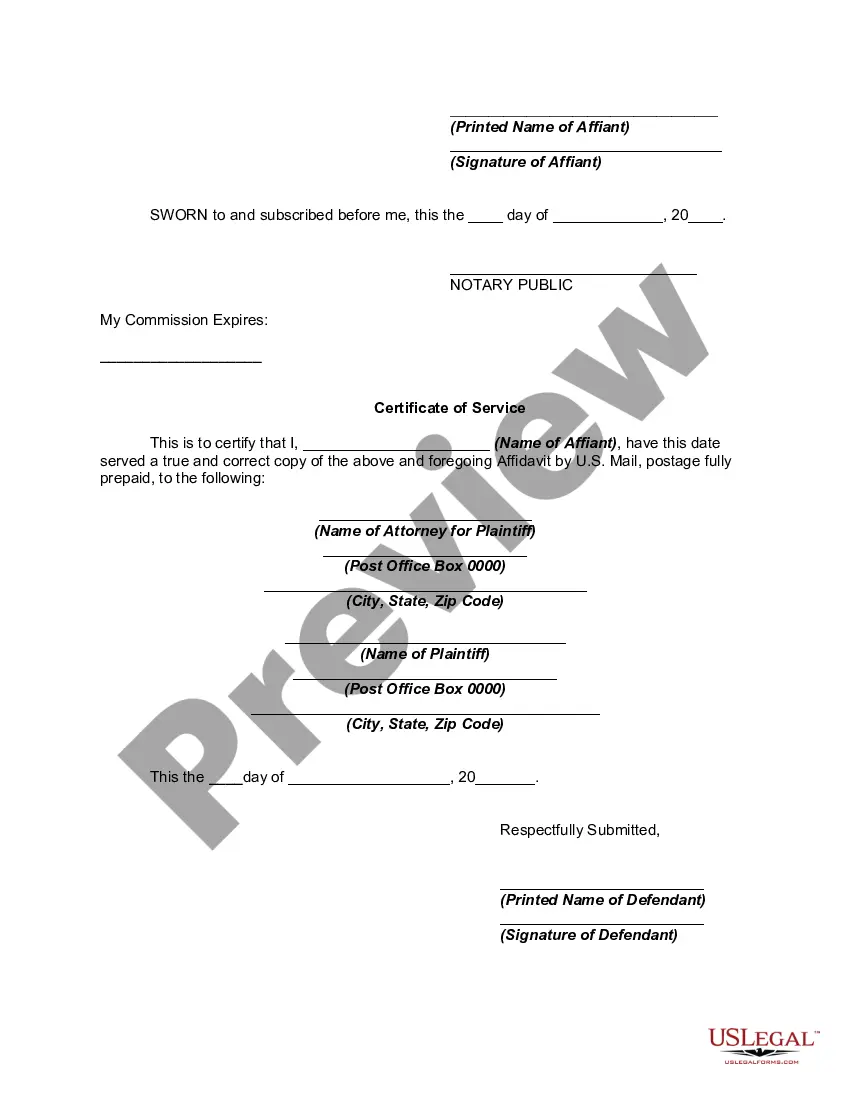
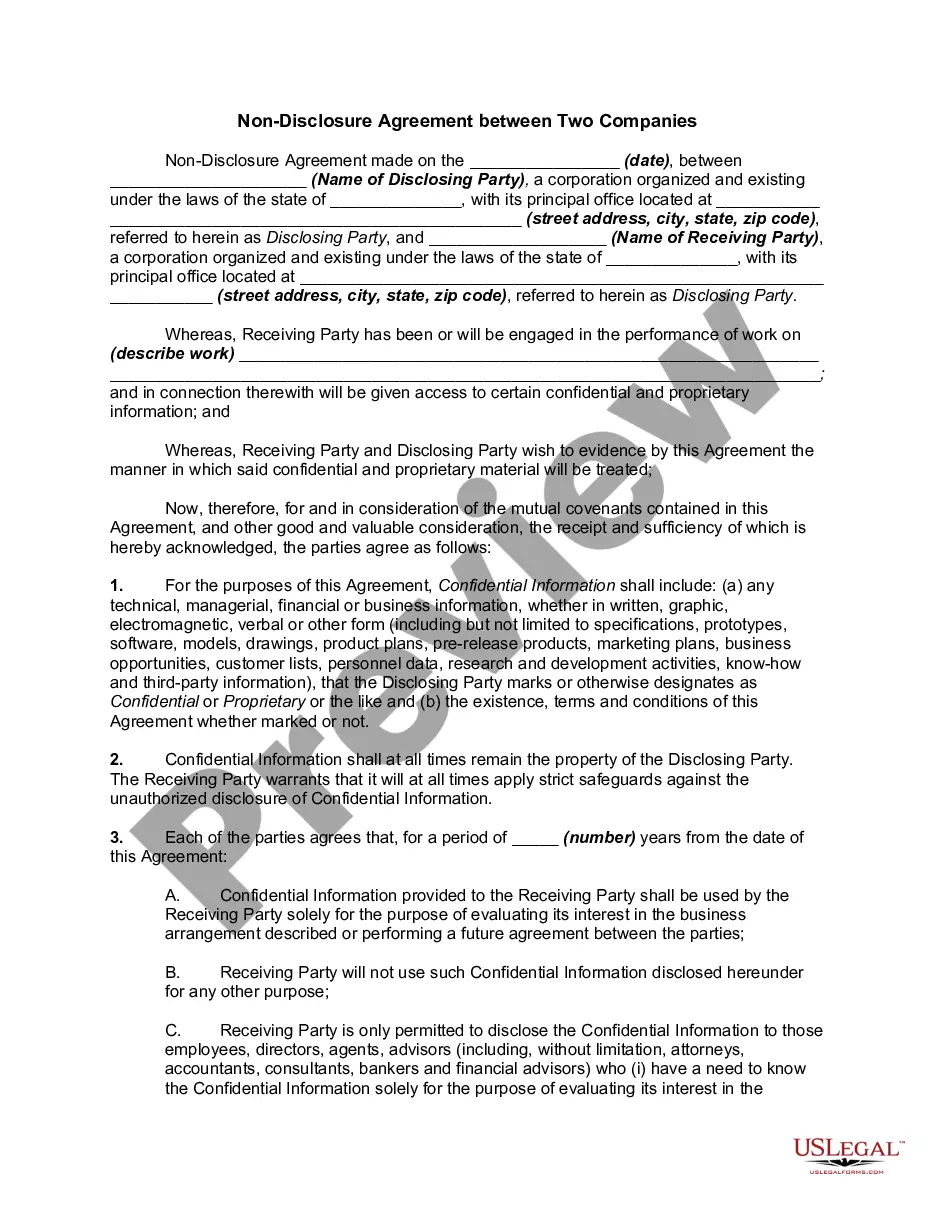
Motion To Strike Form In Wake
Description





Get your form ready online
Our built-in tools help you complete, sign, share, and store your documents in one place.
Make edits, fill in missing information, and update formatting in US Legal Forms—just like you would in MS Word.
Download a copy, print it, send it by email, or mail it via USPS—whatever works best for your next step.
Sign and collect signatures with our SignNow integration. Send to multiple recipients, set reminders, and more. Go Premium to unlock E-Sign.
If this form requires notarization, complete it online through a secure video call—no need to meet a notary in person or wait for an appointment.
We protect your documents and personal data by following strict security and privacy standards.

Make edits, fill in missing information, and update formatting in US Legal Forms—just like you would in MS Word.

Download a copy, print it, send it by email, or mail it via USPS—whatever works best for your next step.

Sign and collect signatures with our SignNow integration. Send to multiple recipients, set reminders, and more. Go Premium to unlock E-Sign.

If this form requires notarization, complete it online through a secure video call—no need to meet a notary in person or wait for an appointment.

We protect your documents and personal data by following strict security and privacy standards.
Looking for another form?

Form popularity
FAQ
The Federal Rules of Civil Procedure states that "The court may strike from a pleading an insufficient defense or any redundant, immaterial, impertinent, or scandalous matter." Similarly, for example, the California Code of Civil Procedure provides that a motion to strike may be made to strike out any "irrelevant, ...
C.C.P. § 436 allows for a motion to strike “any irrelevant, false, or improper matter asserted in any pleading” or portion of a pleading “not drawn of filed in conformity with the laws of this state.” A motion to strike is proper “when a substantive defect is clear from the face of a complaint.” (PH II, Inc.
Oral motion - You can make a motion verbally (orally) while in court. This can be at the initial appearance, at a status appearance, or during a hearing. Usually, you can use an oral motion when the request is not complicated, or if it is an urgent request that you are hoping the judge will grant that day.
File a response to the motion to strike. In your response, you should argue that your answer to the defendant's motion for summary judgment was not too long and that it added new information to the case. You should also argue that the defendant's motion to strike should be denied.
Filing the Documents Take the original and two (2) copies of the Motion to the Civil Division of the Clerk of Superior Court's office in the county where your case is filed. The Clerk will stamp each Motion “filed,” place the original in the Court file and return two (2) copies of the “filed” document to you.
If you want to file a motion, the process is generally something like this: You write your motion. You file your motion with the court clerk. The court clerk inserts the date and time your motion will be heard by the judge. You “serve” (mail) your motion to the other side.
C.C.P. § 436 allows for a motion to strike “any irrelevant, false, or improper matter asserted in any pleading” or portion of a pleading “not drawn of filed in conformity with the laws of this state.” A motion to strike is proper “when a substantive defect is clear from the face of a complaint.” (PH II, Inc.
A “motion to dismiss” is typically filed in response to a complaint and is made in lieu of filing an “answer.” Technically, a plaintiff can move to “strike” a defense that a defendant has pled, given that defenses are subject to the same pleading requirements as are the plaintiff's claims.
If you want to file a motion, the process is generally something like this: You write your motion. You file your motion with the court clerk. The court clerk inserts the date and time your motion will be heard by the judge. You “serve” (mail) your motion to the other side.
