Alimony Spouse Support For Child In Santa Clara
Description

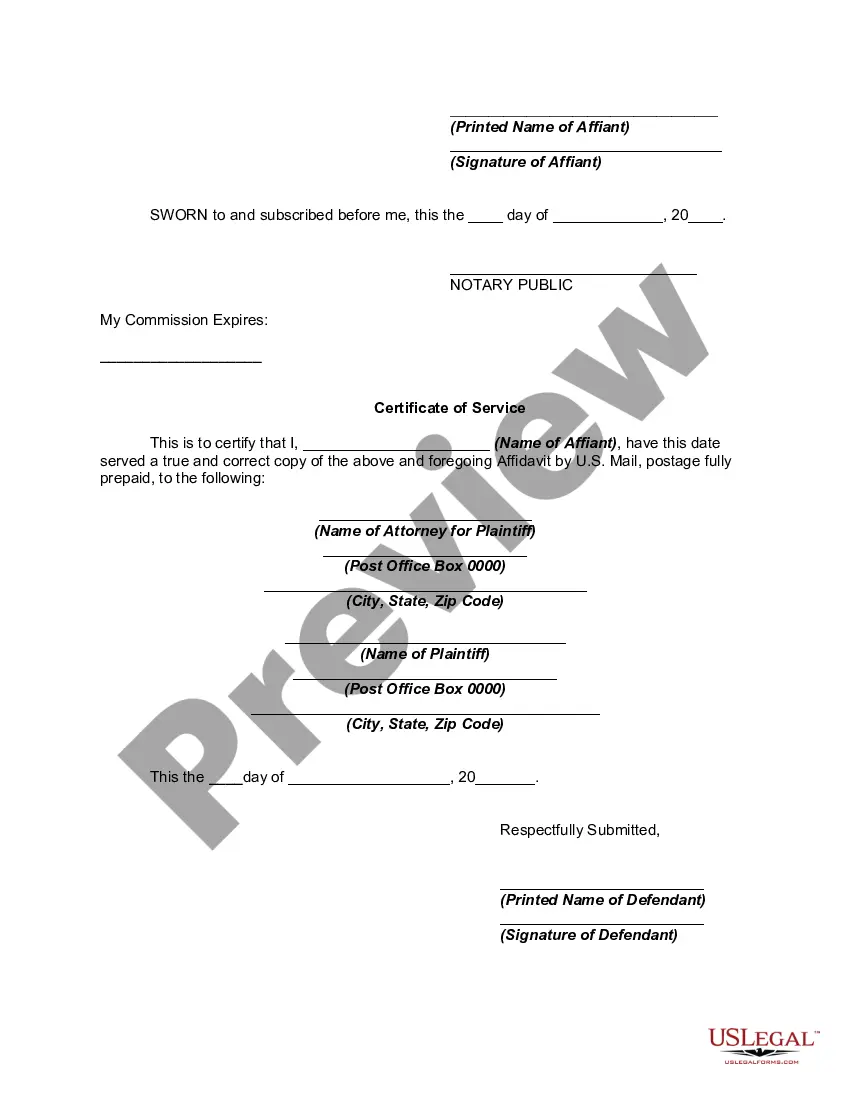




Get your form ready online
Our built-in tools help you complete, sign, share, and store your documents in one place.
Make edits, fill in missing information, and update formatting in US Legal Forms—just like you would in MS Word.
Download a copy, print it, send it by email, or mail it via USPS—whatever works best for your next step.
Sign and collect signatures with our SignNow integration. Send to multiple recipients, set reminders, and more. Go Premium to unlock E-Sign.
If this form requires notarization, complete it online through a secure video call—no need to meet a notary in person or wait for an appointment.
We protect your documents and personal data by following strict security and privacy standards.

Make edits, fill in missing information, and update formatting in US Legal Forms—just like you would in MS Word.

Download a copy, print it, send it by email, or mail it via USPS—whatever works best for your next step.

Sign and collect signatures with our SignNow integration. Send to multiple recipients, set reminders, and more. Go Premium to unlock E-Sign.

If this form requires notarization, complete it online through a secure video call—no need to meet a notary in person or wait for an appointment.

We protect your documents and personal data by following strict security and privacy standards.
Looking for another form?

Form popularity
FAQ
Both parents have the legal duty to provide financial support for their child whether they are married, divorced, or even live with their children. The court may order either or both parents to make regular payments to cover a child's living and medical expenses.
Generally, the courts in California award spousal support based on the length of the marriage. In California, spousal support typically lasts half the length of the marriage. If the couple was married for six years, for example, a judge would make a spousal support obligation last for three years.
In California, child support is typically the responsibility of the biological or legal parents of the child. This means that you generally cannot pursue child support from your ex-husband's new wife, as she is not the child's biological or legal parent.
Under California law, for the most part, a new spouse's income is not used in the calculation for child support. It may only be considered when not doing so would cause extreme and severe hardship to the child involved. Usually, the calculation is made strictly using the parents' gross income.
How to ask for spousal support Fill out the Request for Order form. Request for Order (form FL-300) ... Fill out the Income and Expense Declaration. Income and Expense Declaration (form FL-150). Attach documents to support your case. Make copies of your forms. File your forms.
Courts also count health insurance, other medical expenses, daycare costs, school expenses, and other special needs when evaluating the responsibilities of both parents regarding child support. Courts do not directly consider the income of a new spouse when assessing child support obligations.
Estimate Alimony Payments. Common methods for calculating spousal support typically take up to 40% of the paying spouse's net income, which is calculated after child support. 50% of the recipient spouse's net income is then subtracted from the total if they are working.
California doesn't use a "calculator" for determining the amount of long-term spousal support. Instead, judges must decide how much to award after they've considered all of the following circumstances: each spouse's needs, based on the standard of living they had during the marriage.
