Alimony Spouse Support For Disabled In Orange
Description

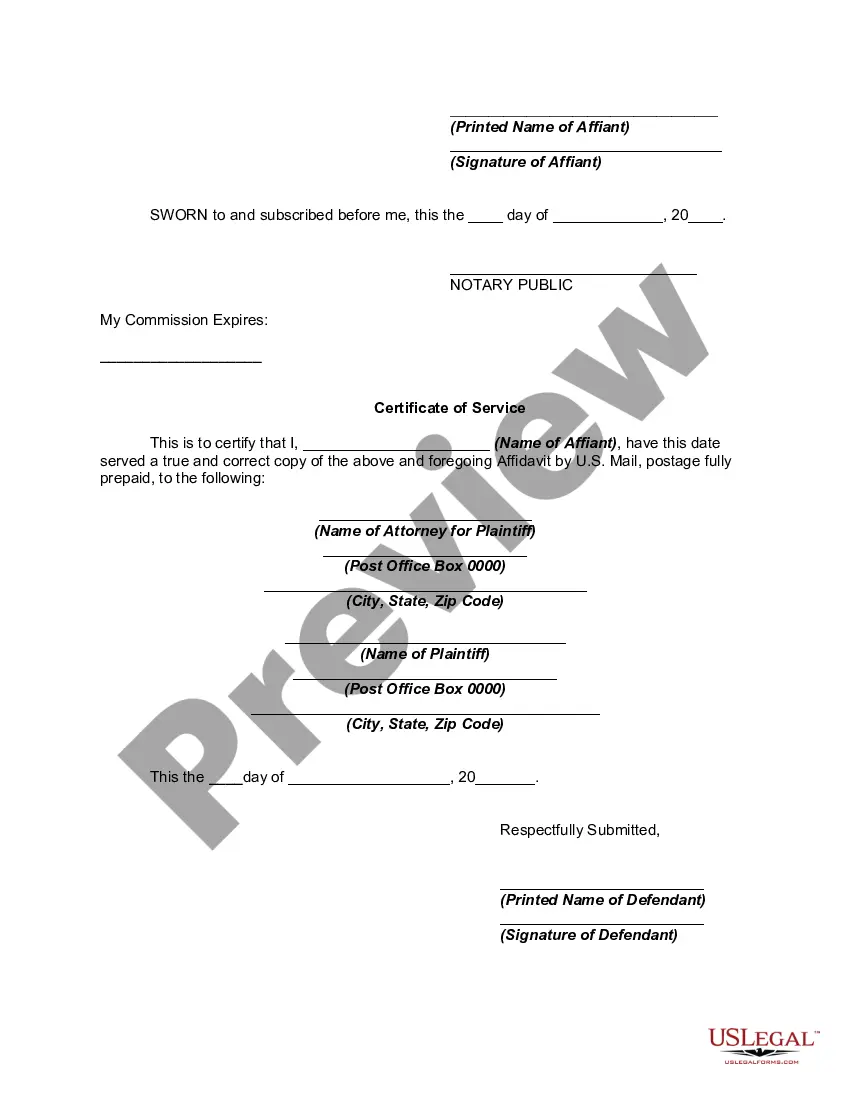




Get your form ready online
Our built-in tools help you complete, sign, share, and store your documents in one place.
Make edits, fill in missing information, and update formatting in US Legal Forms—just like you would in MS Word.
Download a copy, print it, send it by email, or mail it via USPS—whatever works best for your next step.
Sign and collect signatures with our SignNow integration. Send to multiple recipients, set reminders, and more. Go Premium to unlock E-Sign.
If this form requires notarization, complete it online through a secure video call—no need to meet a notary in person or wait for an appointment.
We protect your documents and personal data by following strict security and privacy standards.

Make edits, fill in missing information, and update formatting in US Legal Forms—just like you would in MS Word.

Download a copy, print it, send it by email, or mail it via USPS—whatever works best for your next step.

Sign and collect signatures with our SignNow integration. Send to multiple recipients, set reminders, and more. Go Premium to unlock E-Sign.

If this form requires notarization, complete it online through a secure video call—no need to meet a notary in person or wait for an appointment.

We protect your documents and personal data by following strict security and privacy standards.
Looking for another form?







Form popularity
FAQ
In addition to requiring that judges consider any history of domestic violence when deciding about spousal support, California law prohibits alimony for anyone who has been convicted of a recent felony for domestic violence or sexual violence against their spouse, or of attempting to murder their spouse.
Are There Other Ways to End My Alimony Obligation? The dependent spouse is unable to rehabilitate themself. The needs of the dependent spouse change. Child support termination. A change in the income of either party. Remarriage of either spouse. Violation of the divorce decree by either spouse. Sale of the family home.
Since the goal is to protect mutual standards of living, if your ex remarries or finds themselves once again in a steady double-income household, you may no longer be required to maintain or begin alimony payments.
Misconduct: Certain behaviors can also lead to the disqualification of alimony. For instance, if a spouse is found to have engaged in financial misconduct, such as hiding assets or failing to disclose financial information during the divorce proceedings, this can result in disqualification.
Request to Establish, Modify or Terminate Spousal Support Garnishment Order Prepare Your Paperwork. A request for order sets a hearing with your judicial officer to request an order in your case. File with the Family Law Business Office. Have Your Paperwork Served. Appear at Your Hearing.
Support can end when: You agree in writing about the date it will end and the court signs off on the agreement. The court orders that it ends. The supported spouse remarries.
Navigating the Spousal Support Negotiation Process Effective communication is the cornerstone of any negotiation. Both spouses should openly discuss their financial situations, concerns, and expectations. Additionally, attempts to hide assets or other financial factors will end up working against you in court.
Yes. A spouse who's disability is permanent and makes them unable to get work that provides an adequate income for swlf-support may qualify for temporary or permanent alimony. Gender makes no difference.
The short answer is, yes, you may be ordered to make alimony payments to your former spouse even if you are currently receiving SSDI benefits. This is because, as you may already know, your SSDI benefits are awarded based on your individual work history.
50%, if the beneficiary is supporting a spouse and/or child other than the spouse and/or child whose support has been ordered. 60%, if the beneficiary is not supporting another spouse and/or child.
