Alimony Spouse Support Withholding In Oakland
Description

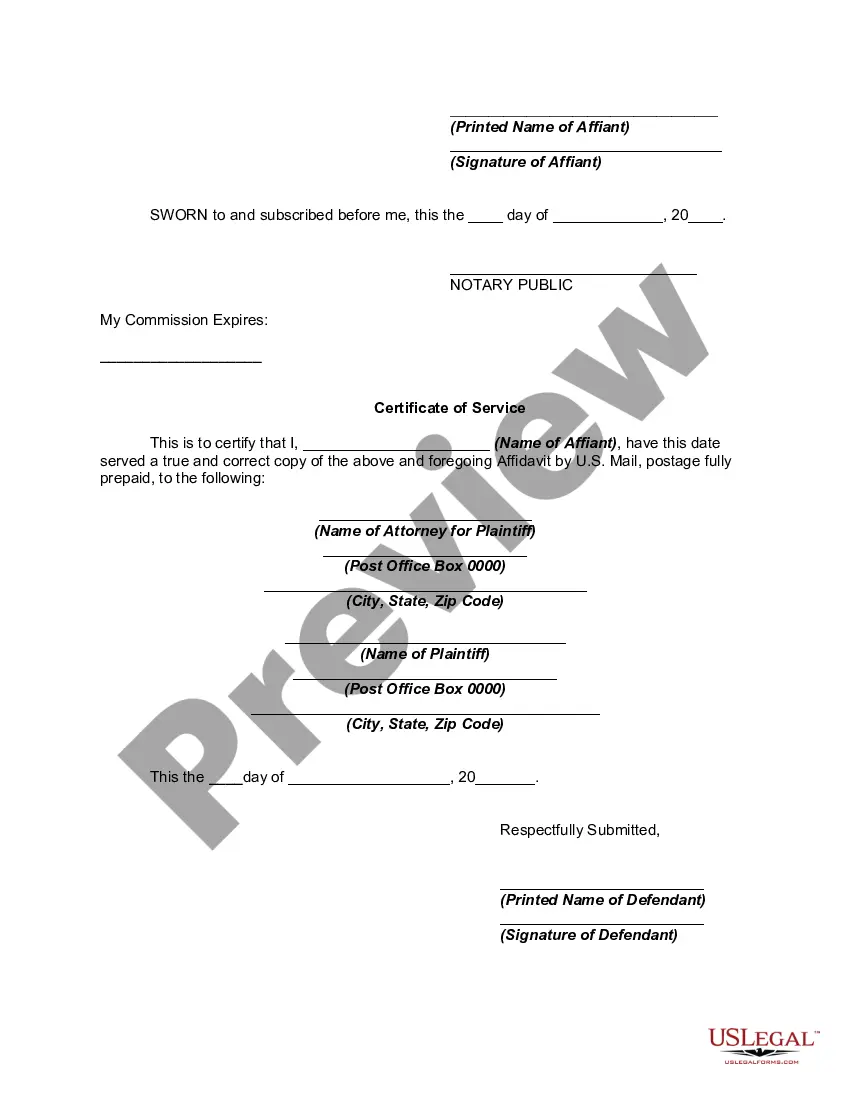




Get your form ready online
Our built-in tools help you complete, sign, share, and store your documents in one place.
Make edits, fill in missing information, and update formatting in US Legal Forms—just like you would in MS Word.
Download a copy, print it, send it by email, or mail it via USPS—whatever works best for your next step.
Sign and collect signatures with our SignNow integration. Send to multiple recipients, set reminders, and more. Go Premium to unlock E-Sign.
If this form requires notarization, complete it online through a secure video call—no need to meet a notary in person or wait for an appointment.
We protect your documents and personal data by following strict security and privacy standards.

Make edits, fill in missing information, and update formatting in US Legal Forms—just like you would in MS Word.

Download a copy, print it, send it by email, or mail it via USPS—whatever works best for your next step.

Sign and collect signatures with our SignNow integration. Send to multiple recipients, set reminders, and more. Go Premium to unlock E-Sign.

If this form requires notarization, complete it online through a secure video call—no need to meet a notary in person or wait for an appointment.

We protect your documents and personal data by following strict security and privacy standards.
Looking for another form?








Form popularity
FAQ
There are a few basic steps that you can take to help avoid paying alimony after divorce in California. These include: Spousal support is not automatic: One of the most important things to understand about spousal support is that it is not automatic.
California and the federal government have different tax laws about spousal support (also known as alimony). For California income taxes, the person paying support can deduct the payments. The person receiving support must report the payments as income.
Beginning January 1, 2019, alimony or separate maintenance payments are not deductible from the income of the payer spouse, or includable in the income of the receiving spouse, if made under a divorce or separation agreement executed after December 31, 2018.
Other Above-the-Line Deductions Alimony: Payments that are not classified as child support and are made to a spouse pursuant to a divorce decree usually count as alimony. These payments are deductible from your gross income unless they are "made under a divorce or separation agreement executed after Dec.
§ 1.71-1 Alimony and separate maintenance payments; income to wife or former wife. (a) In general. Section 71 provides rules for treatment in certain cases of payments in the nature of or in lieu of alimony or an allowance for support as between spouses who are divorced or separated.
Report alimony received on Form 1040 or Form 1040-SR (attach Schedule 1 (Form 1040) PDF) or on Form 1040-NR, U.S. Nonresident Alien Income Tax Return (attach Schedule NEC (Form 1040-NR) PDF).
If you're the lower-earning spouse on the receiving end of spousal support, and the paying spouse has stopped making payments, there are numerous ways a court enforce alimony, including: Wage garnishment.
The person asking for alimony must show the court that he or she needs financial support, and that the other spouse has the ability to provide financial support. What do I do if I want alimony? You can ask for alimony as part of a divorce proceeding.
The guideline states that the paying spouse's support be presumptively 40% of his or her net monthly income, reduced by one-half of the receiving spouse's net monthly income. If child support is an issue, spousal support is calculated after child support is calculated.
If both spouses are self-supporting at or above the marital standard of living, the recipient has committed domestic violence against the paying spouse, or the recipient accept a buyout, you may be able to avoid paying spousal support in California.
