Motion To Strike Without Leave To Amend In Massachusetts
Description
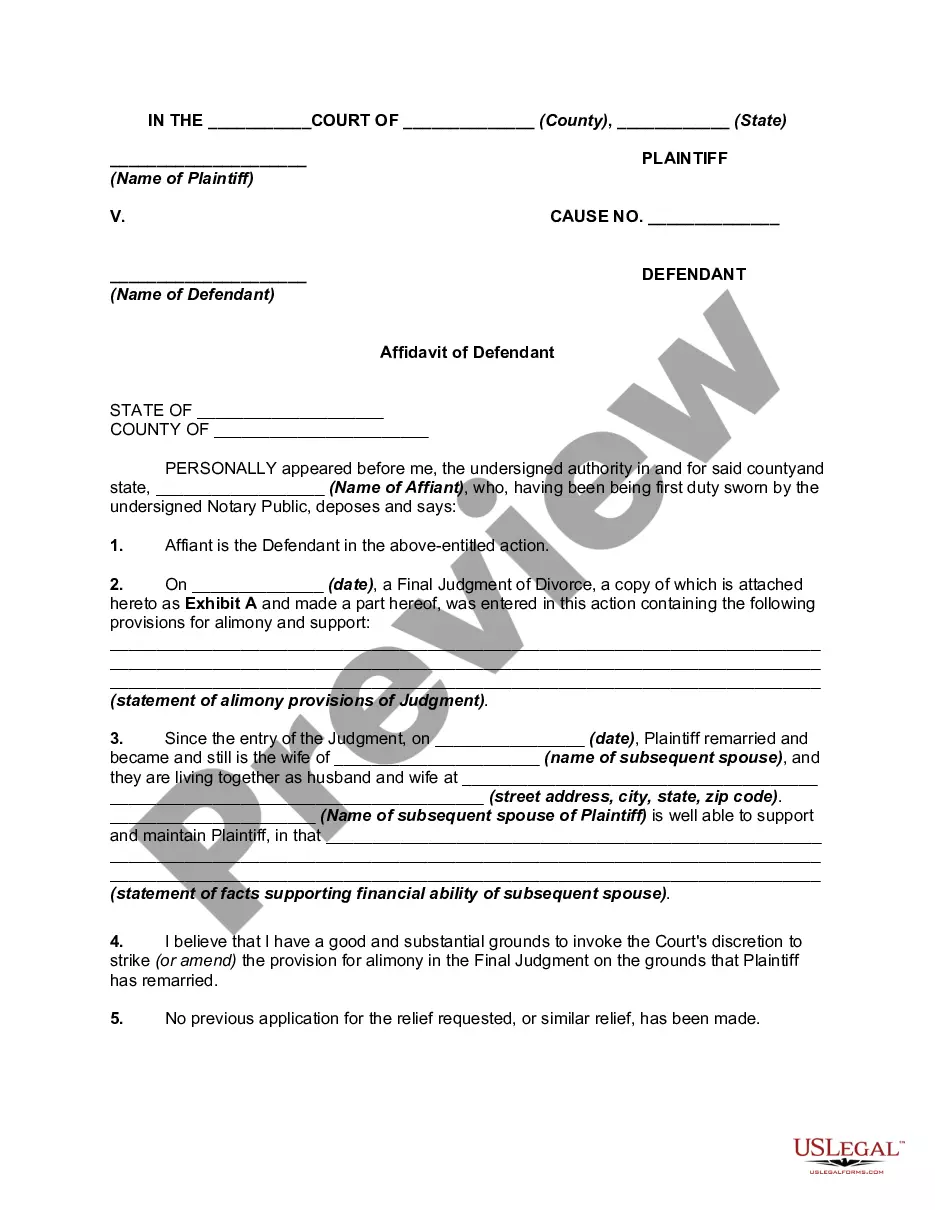
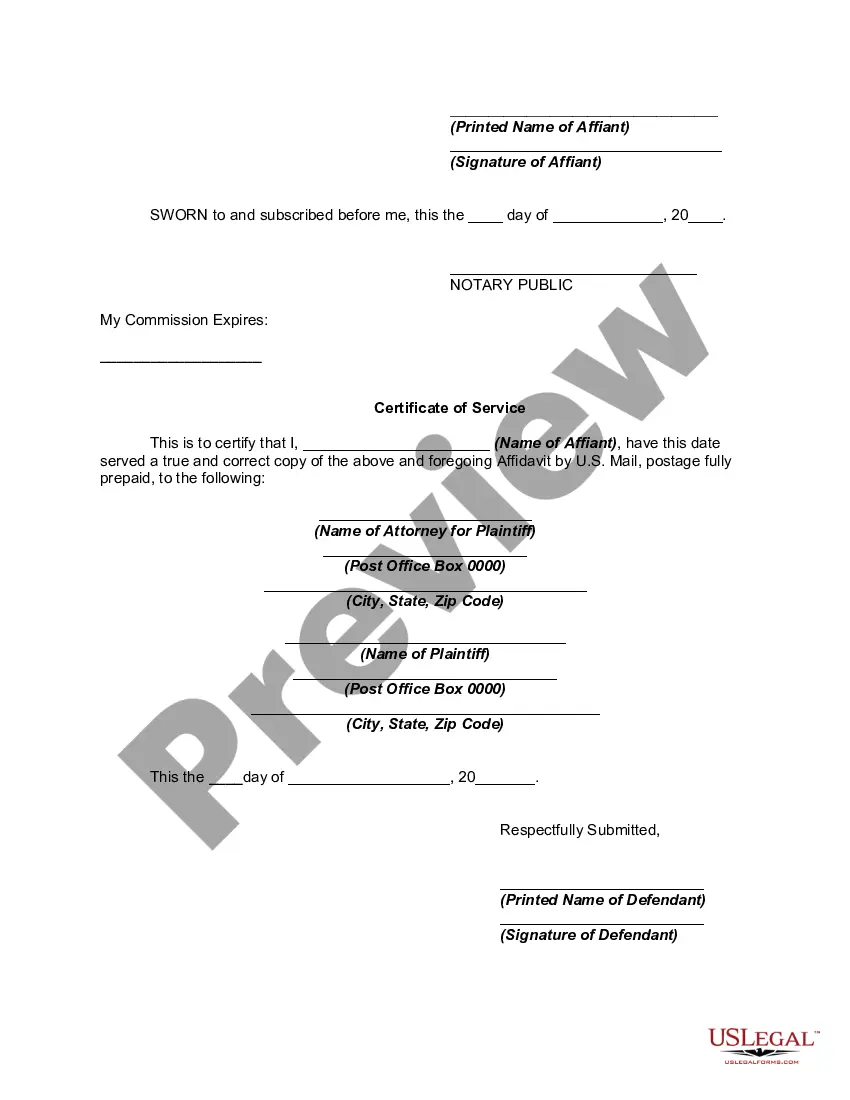
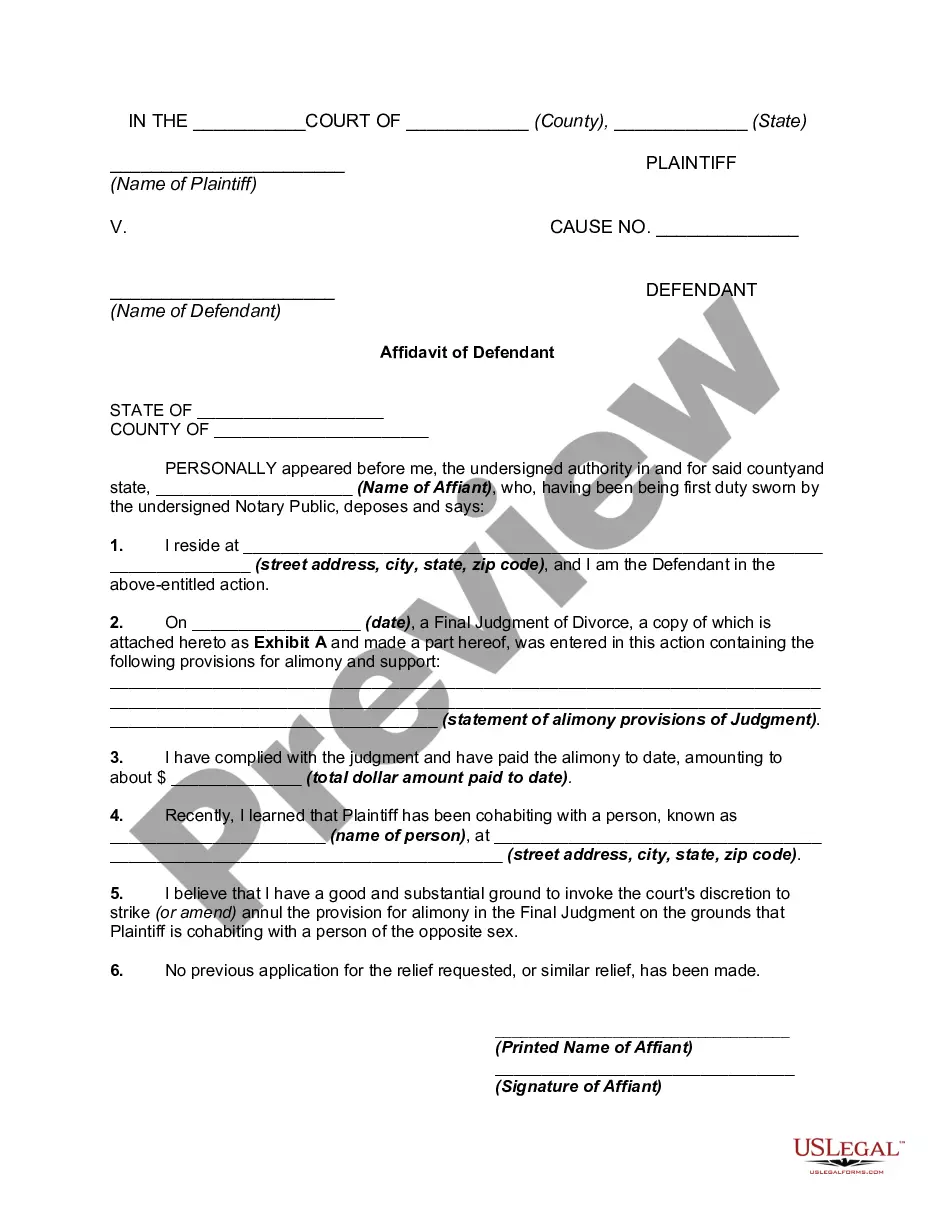
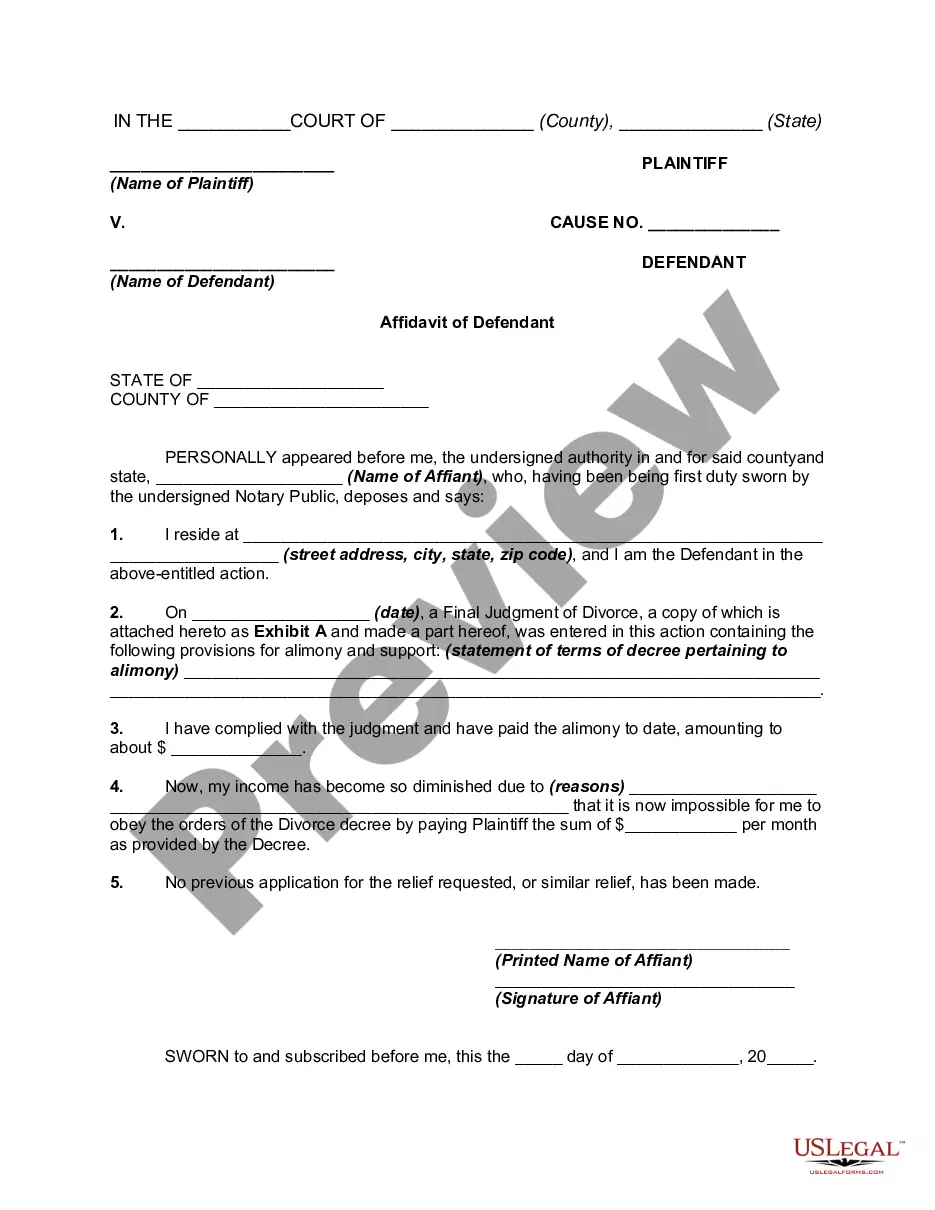
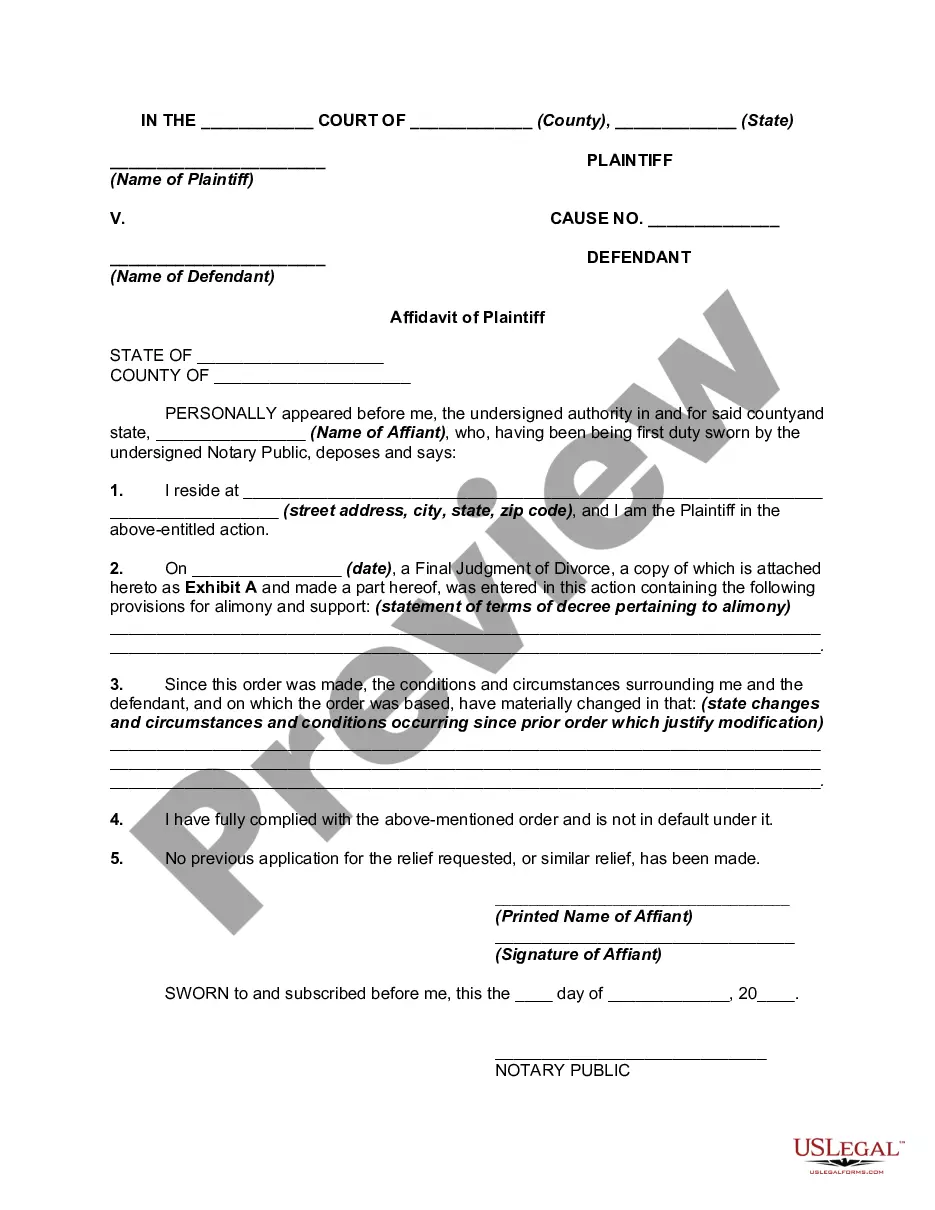
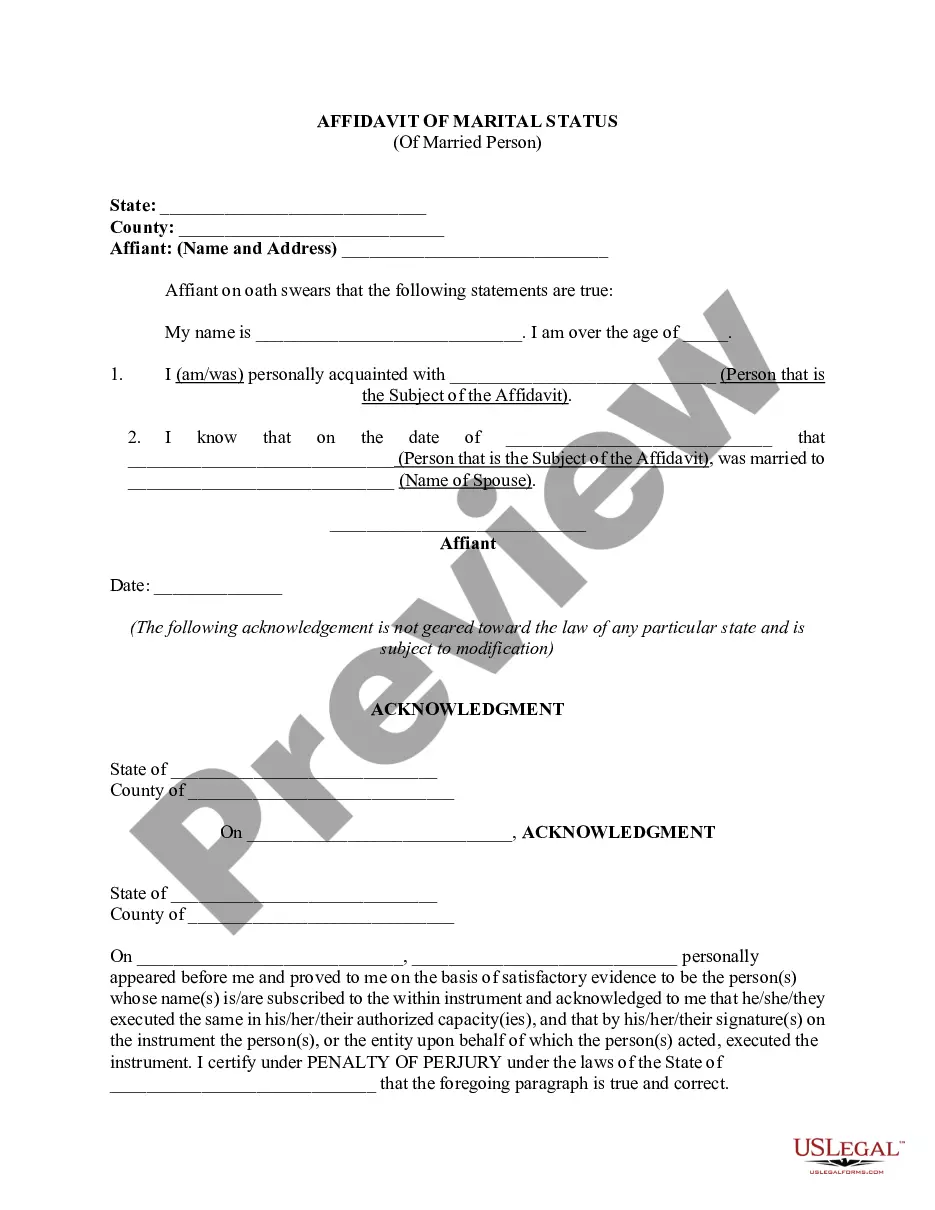
Get your form ready online
Our built-in tools help you complete, sign, share, and store your documents in one place.
Make edits, fill in missing information, and update formatting in US Legal Forms—just like you would in MS Word.
Download a copy, print it, send it by email, or mail it via USPS—whatever works best for your next step.
Sign and collect signatures with our SignNow integration. Send to multiple recipients, set reminders, and more. Go Premium to unlock E-Sign.
If this form requires notarization, complete it online through a secure video call—no need to meet a notary in person or wait for an appointment.
We protect your documents and personal data by following strict security and privacy standards.

Make edits, fill in missing information, and update formatting in US Legal Forms—just like you would in MS Word.

Download a copy, print it, send it by email, or mail it via USPS—whatever works best for your next step.

Sign and collect signatures with our SignNow integration. Send to multiple recipients, set reminders, and more. Go Premium to unlock E-Sign.

If this form requires notarization, complete it online through a secure video call—no need to meet a notary in person or wait for an appointment.

We protect your documents and personal data by following strict security and privacy standards.
Looking for another form?
Form popularity
FAQ
Rule 12 - Defenses and Objections-When and How Presented-By Pleading or Motion-Motion for Judgment on Pleadings (a) When Presented. (1) After service upon him of any pleading requiring a responsive pleading, a party shall serve such responsive pleading within 20 days unless otherwise directed by order of the court.
Generally, mandatory subjects of bargaining are those that directly impact terms and conditions of employment. The following are examples of mandatory subjects of bargaining: Ability of union to address members during roll call. Ability to take a work vehicle home.
The purpose of a motion filed pursuant to Rule 59(e) of the SCRCP is to “request the trial judge to reconsider matters properly encompassed in a decision on the merits.” Rule 59(e), SCRCP.
Rule 56(a) requires that each motion for summary judgment be accompanied by an “Affidavit of Undisputed Facts” which sets forth the material facts relied upon in support of the motion. If the moving party fails to file and serve the affidavit, the summary judgment motion will be denied.
(e) Motion to Alter or Amend a Judgment. A motion to alter or amend a judgment must be filed no later than 28 days after the entry of the judgment.
Rule 59(e) authorizes a motion to alter or amend a judgment. A Rule 59(e) motion must be filed no later than 28 days after the entry of the judgment. This is a strict time limit, and the court has no authority to grant more time.
(e) Motion to alter or amend a judgment A motion to alter or amend the judgment shall be served not later than 10 days after entry of the judgment.
Summary. Rule 12(f) allows courts to strike redundant, immaterial, impertinent, or scandalous matter from pleadings. Judge Hollander's opinion in Blevins v. Piatt provides clear criteria for granting or denying a Rule 12(f) motion.
Rule 12 - Defenses and Objections-When and How Presented-By Pleading or Motion-Motion for Judgment on Pleadings (a) When Presented. (1) After service upon him of any pleading requiring a responsive pleading, a party shall serve such responsive pleading within 20 days unless otherwise directed by order of the court.