Alimony Spouse Support For Cheating In Contra Costa
Description

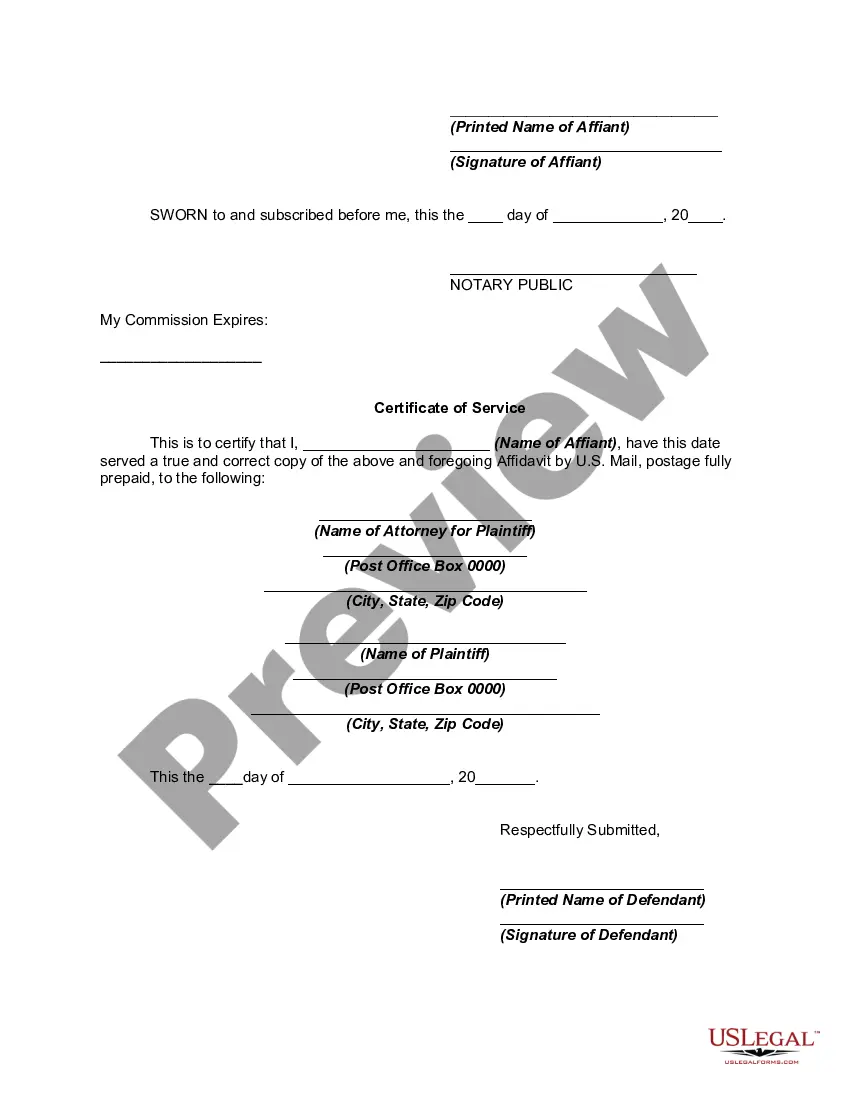




Get your form ready online
Our built-in tools help you complete, sign, share, and store your documents in one place.
Make edits, fill in missing information, and update formatting in US Legal Forms—just like you would in MS Word.
Download a copy, print it, send it by email, or mail it via USPS—whatever works best for your next step.
Sign and collect signatures with our SignNow integration. Send to multiple recipients, set reminders, and more. Go Premium to unlock E-Sign.
If this form requires notarization, complete it online through a secure video call—no need to meet a notary in person or wait for an appointment.
We protect your documents and personal data by following strict security and privacy standards.

Make edits, fill in missing information, and update formatting in US Legal Forms—just like you would in MS Word.

Download a copy, print it, send it by email, or mail it via USPS—whatever works best for your next step.

Sign and collect signatures with our SignNow integration. Send to multiple recipients, set reminders, and more. Go Premium to unlock E-Sign.

If this form requires notarization, complete it online through a secure video call—no need to meet a notary in person or wait for an appointment.

We protect your documents and personal data by following strict security and privacy standards.
Looking for another form?

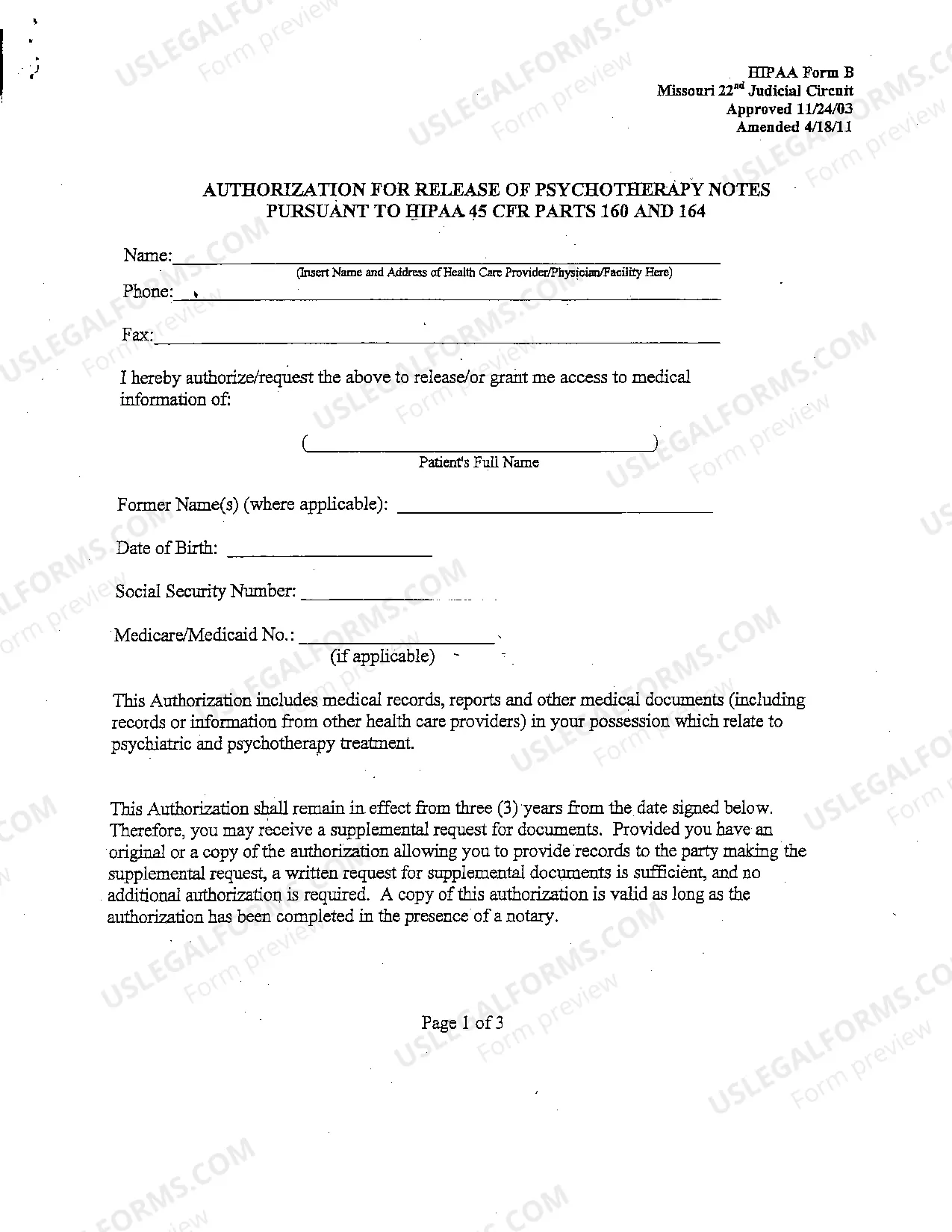
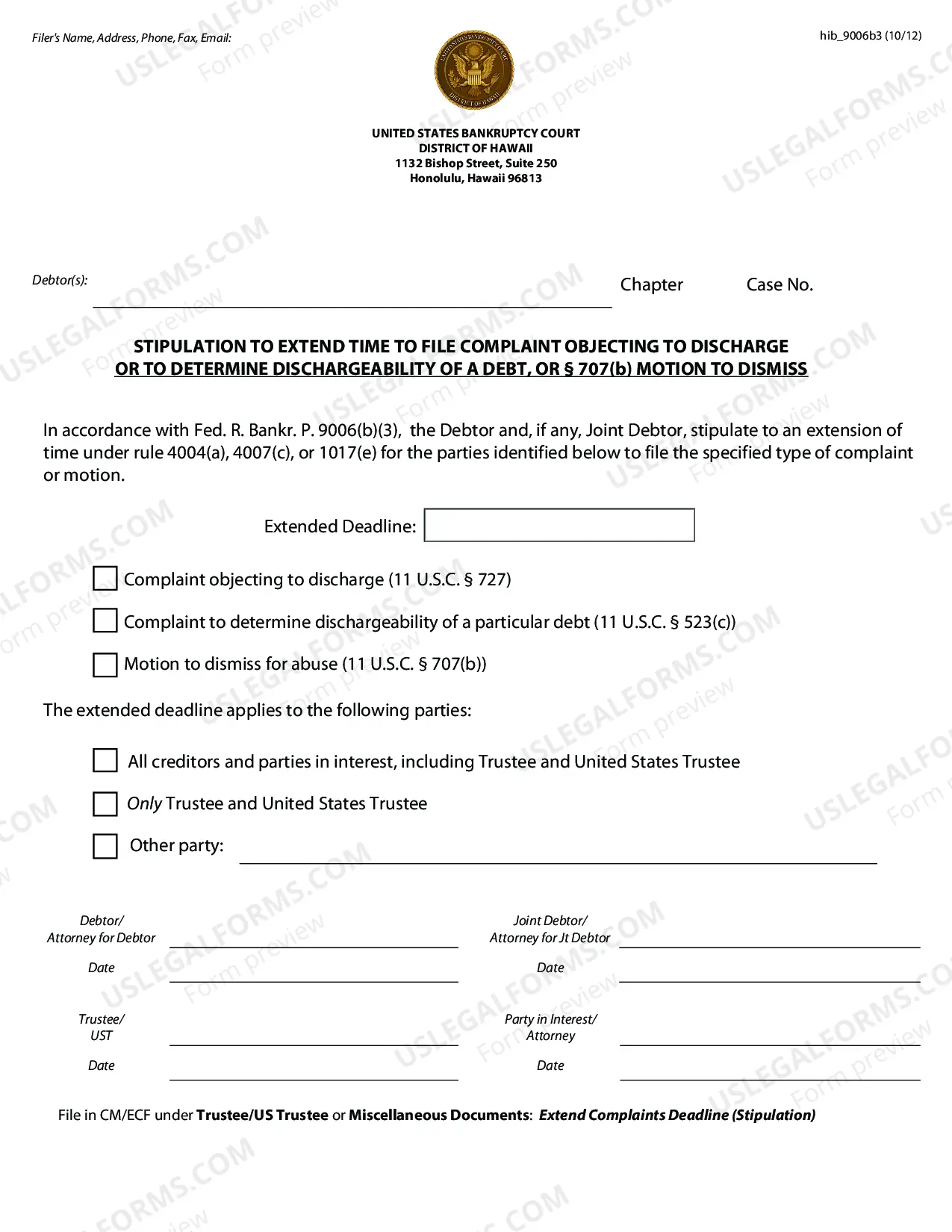
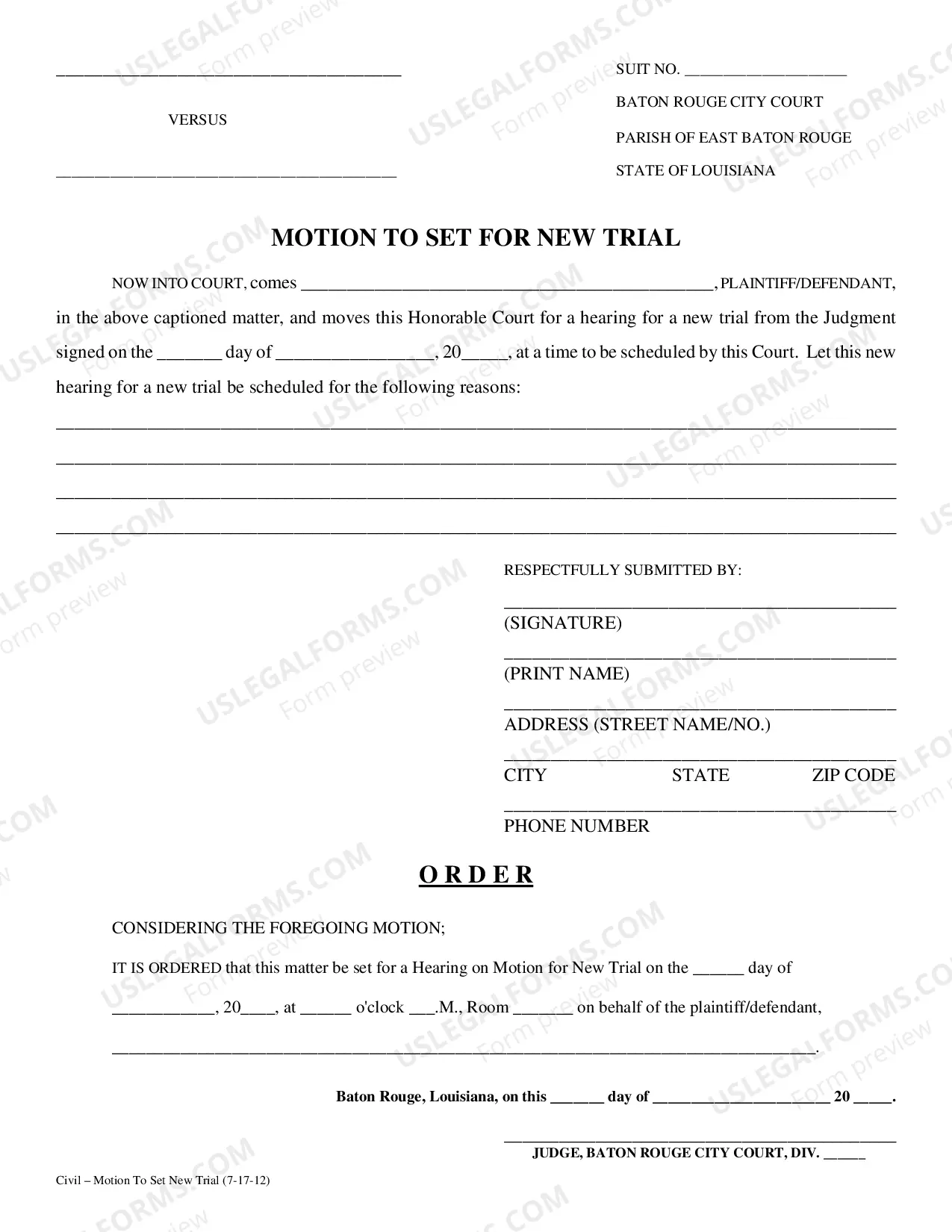
Form popularity
FAQ
A: In California, judges consider various factors when determining whether to award spousal support, including the duration of the marriage, each spouse's earning capacity and needs, and the standard of living established during the marriage.
The guideline states that the paying spouse's support be presumptively 40% of his or her net monthly income, reduced by one-half of the receiving spouse's net monthly income. If child support is an issue, spousal support is calculated after child support is calculated.
Misconduct: Certain behaviors can also lead to the disqualification of alimony. For instance, if a spouse is found to have engaged in financial misconduct, such as hiding assets or failing to disclose financial information during the divorce proceedings, this can result in disqualification.
Can you get alimony if your husband cheated? In the United States, adultery won't and can't affect alimony. State laws prescribe when a spouse is eligible for alimony. Except in a very few jurisdictions, divorce courts have no power to punish an adulterous spouse.
Specifically in California, disqualification might result from several key factors. One such factor is a significant change in the financial status of the recipient spouse, such as acquiring a new job or receiving an inheritance, which could render them financially independent and no longer in need of support.
Since the goal is to protect mutual standards of living, if your ex remarries or finds themselves once again in a steady double-income household, you may no longer be required to maintain or begin alimony payments.
His earning capacity will play a factor in this calculation. This includes his earning history as well as his future earning potential (including his health). California is a no-fault divorce state. Cheating does not reduce or eliminate your spouse's eligibility to receive alimony.
The key factors analyzed in an alimony decision are each spouse's income, ability to earn and standards of living established during the marriage. If there is a history of violence, abuse or certain criminal convictions, however, this could bar a spouse from receiving alimony payments under California law.
