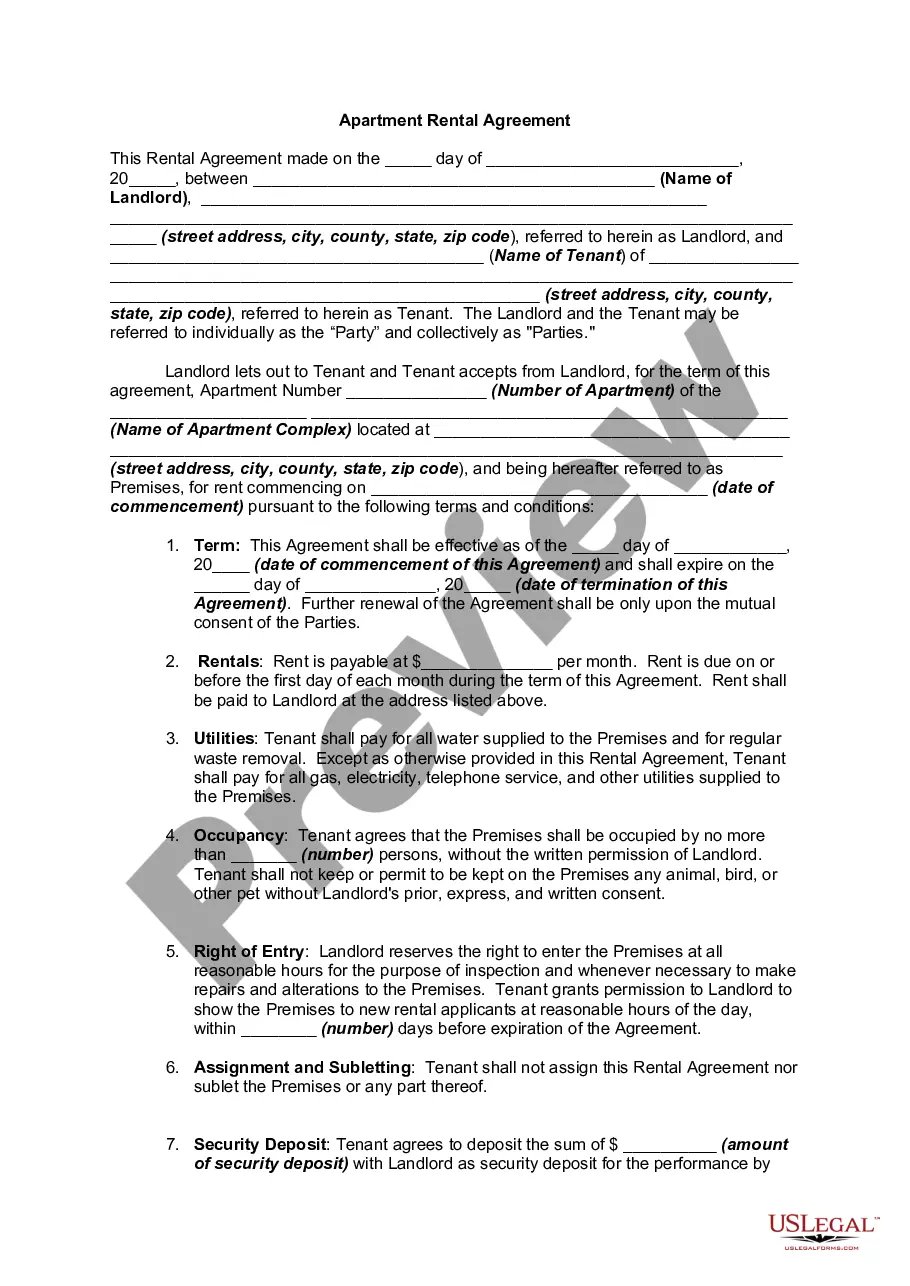
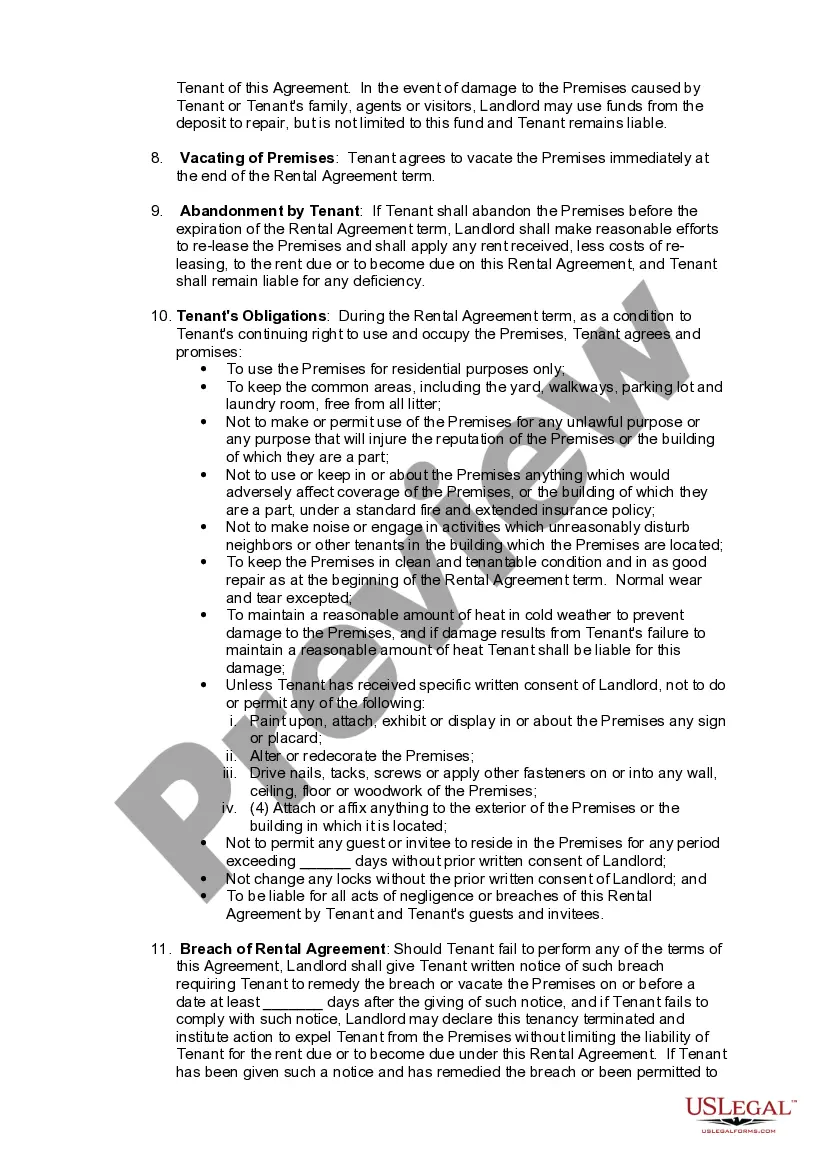
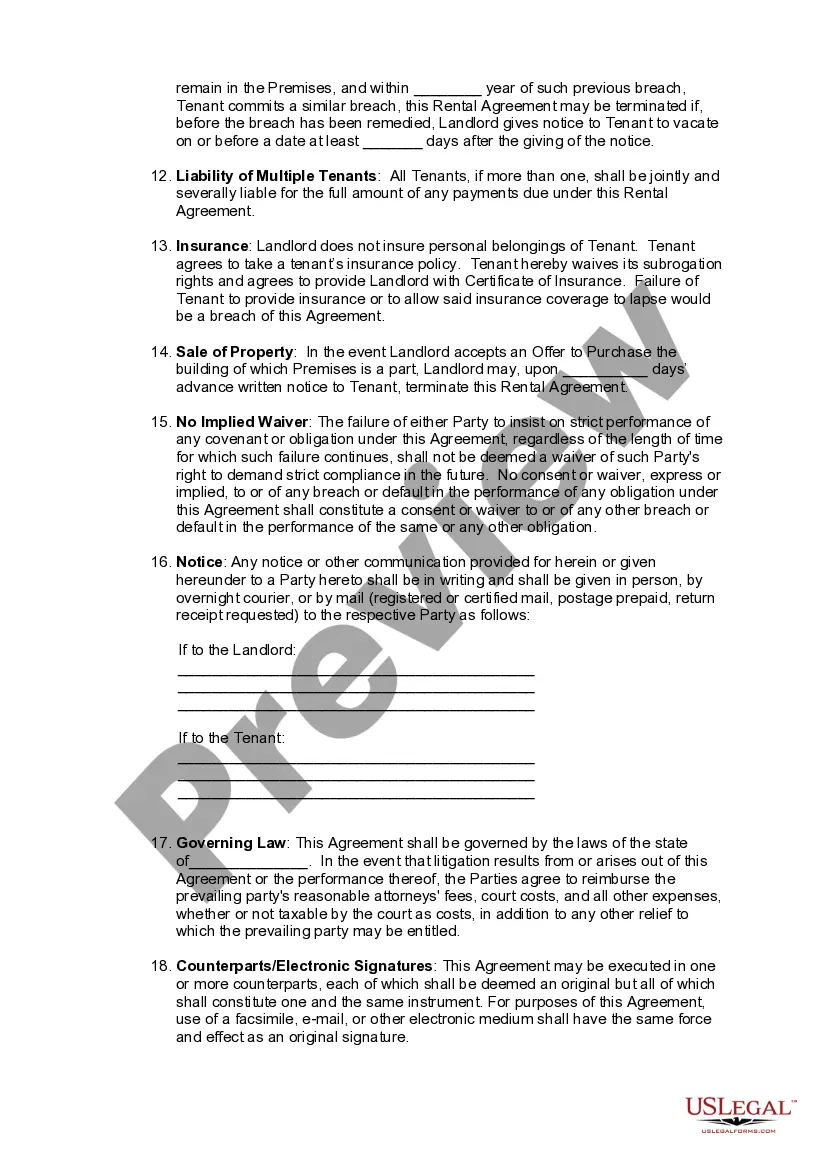
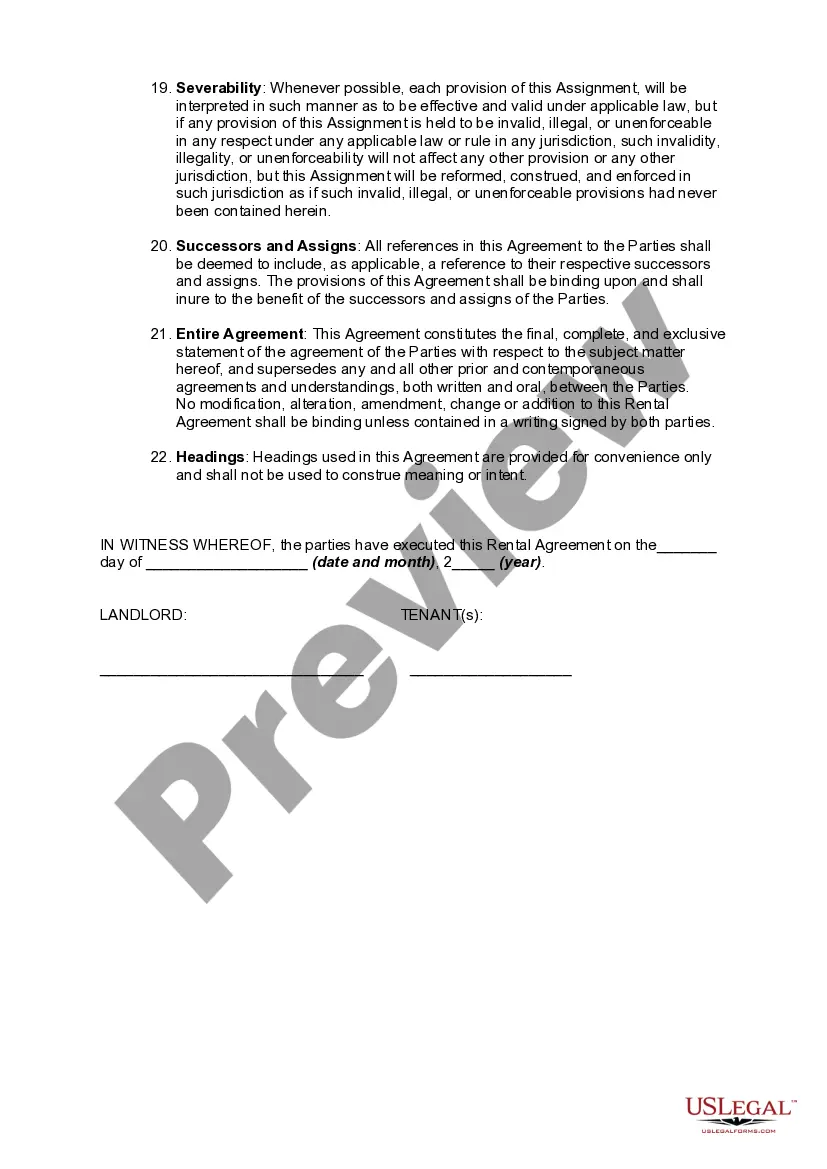
Apartment With Leasing In San Jose
Description
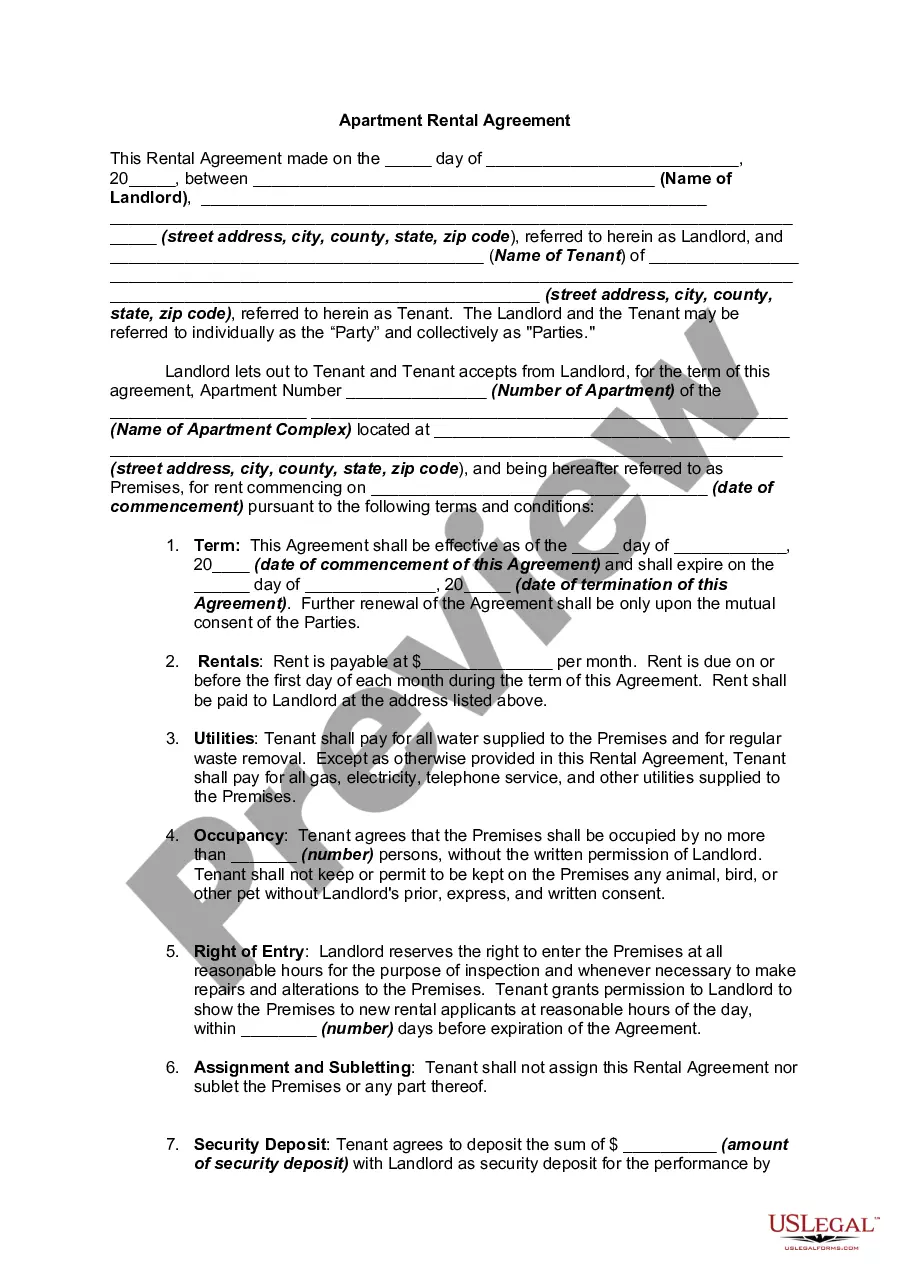
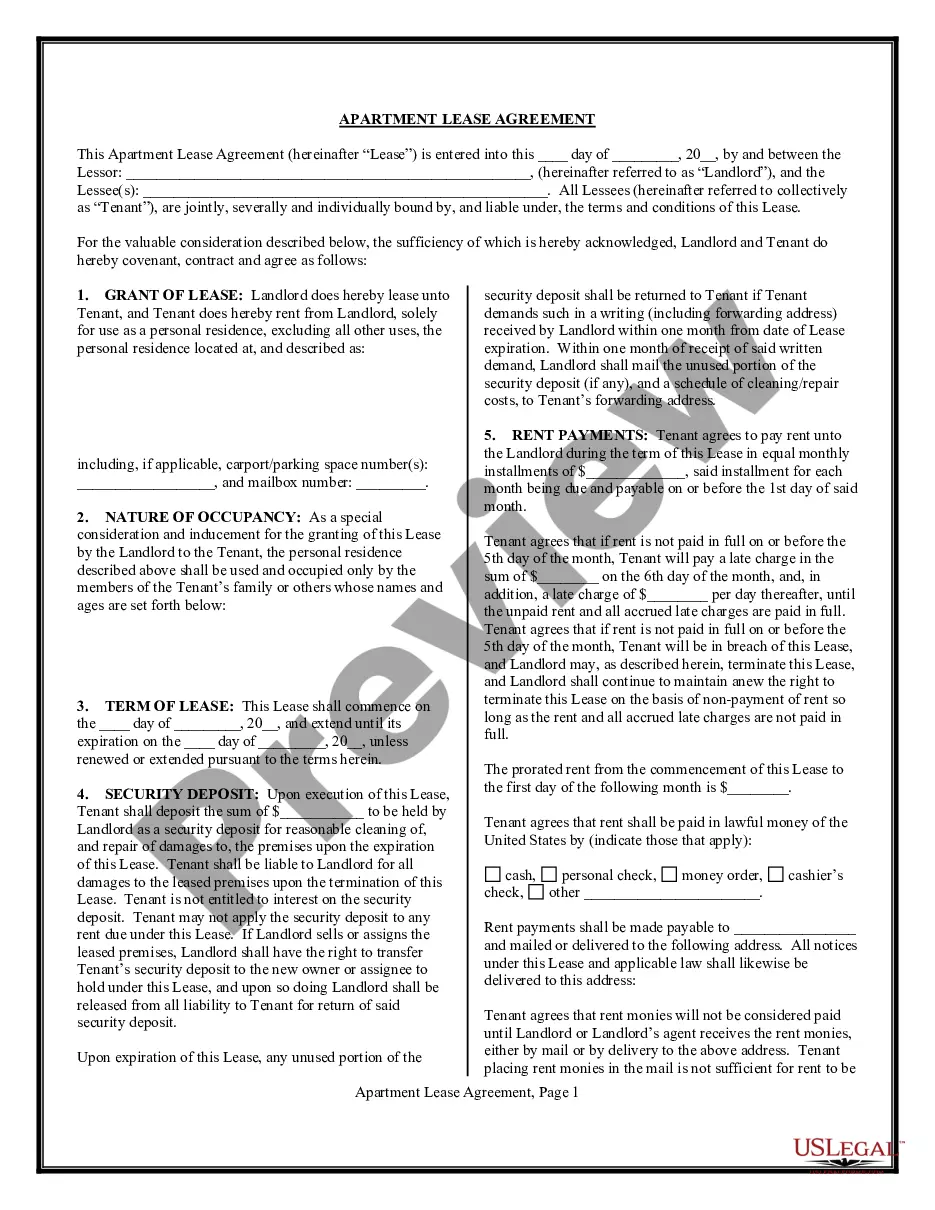
Get your form ready online
Our built-in tools help you complete, sign, share, and store your documents in one place.
Make edits, fill in missing information, and update formatting in US Legal Forms—just like you would in MS Word.
Download a copy, print it, send it by email, or mail it via USPS—whatever works best for your next step.
Sign and collect signatures with our SignNow integration. Send to multiple recipients, set reminders, and more. Go Premium to unlock E-Sign.
If this form requires notarization, complete it online through a secure video call—no need to meet a notary in person or wait for an appointment.
We protect your documents and personal data by following strict security and privacy standards.

Make edits, fill in missing information, and update formatting in US Legal Forms—just like you would in MS Word.

Download a copy, print it, send it by email, or mail it via USPS—whatever works best for your next step.

Sign and collect signatures with our SignNow integration. Send to multiple recipients, set reminders, and more. Go Premium to unlock E-Sign.

If this form requires notarization, complete it online through a secure video call—no need to meet a notary in person or wait for an appointment.

We protect your documents and personal data by following strict security and privacy standards.
Looking for another form?
Form popularity
FAQ
Request a Copy in Writing: Formally request a copy of the rent agreement in writing. Check Local Laws: Research your local landlord-tenant laws. Communicate Clearly: Have a direct conversation with your landlord. Document Everything: Keep records of all communications with your landlord regarding the lease agreement.
While you can sue a tenant without a lease, there are a few things to consider before you proceed. First, tenants that do not have a written lease may still have significant protection under the law. Second, it can be more difficult to argue and win your case without a written lease to refer to.
San Jose's Rent Stabilization Program requires landlords to provide tenants with a 30-day written notice for rent increases. They cannot exceed the 5% annual increase limit. This ensures predictability for renters and discourages sudden rent hikes.
Right to Habitability Tenants are entitled to a “warranty of habitability.” This legal doctrine requires landlords to provide a living space that is safe, healthy, and in good repair. Even without a lease, landlords must ensure: Functioning plumbing and electrical systems. Adequate heat and water.
Although there is no formal lease, both parties still have rights and obligations under state and local landlord-tenant laws. Tenants are entitled to a habitable living space, privacy, and proper notice before eviction, while landlords must maintain the property, make necessary repairs, and respect the tenant's rights.
You must fill out a rental application and get it approved before renting an apartment. The application will ask for documentation of any previous rental history, personal references, proof of your income, and where you work. You'll give the property manager permission to run your credit history.
Follow these nine steps, and you'll be ready to tackle the renting process with confidence. Determine your budget. Identify your priorities. Ensure you have a good credit score. Search for an apartment. Take an apartment tour. Submit your rental application. Complete a background check. Read and sign the lease.
Renting an apartment isn't as easy as waltzing in and saying “I'll take it!”—particularly in today's competitive rental market. With many prospective tenants to choose from, landlords can be picky, and they will prioritize applicants with a track record of paying off debts and respecting their neighbors and community.
Renting, especially on a short-term basis, can sometimes come with higher monthly costs due to the increased flexibility it offers the landlord. For instance, a studio apartment for rent on a month-to-month basis might be more expensive per month than the same apartment under a lease agreement.
