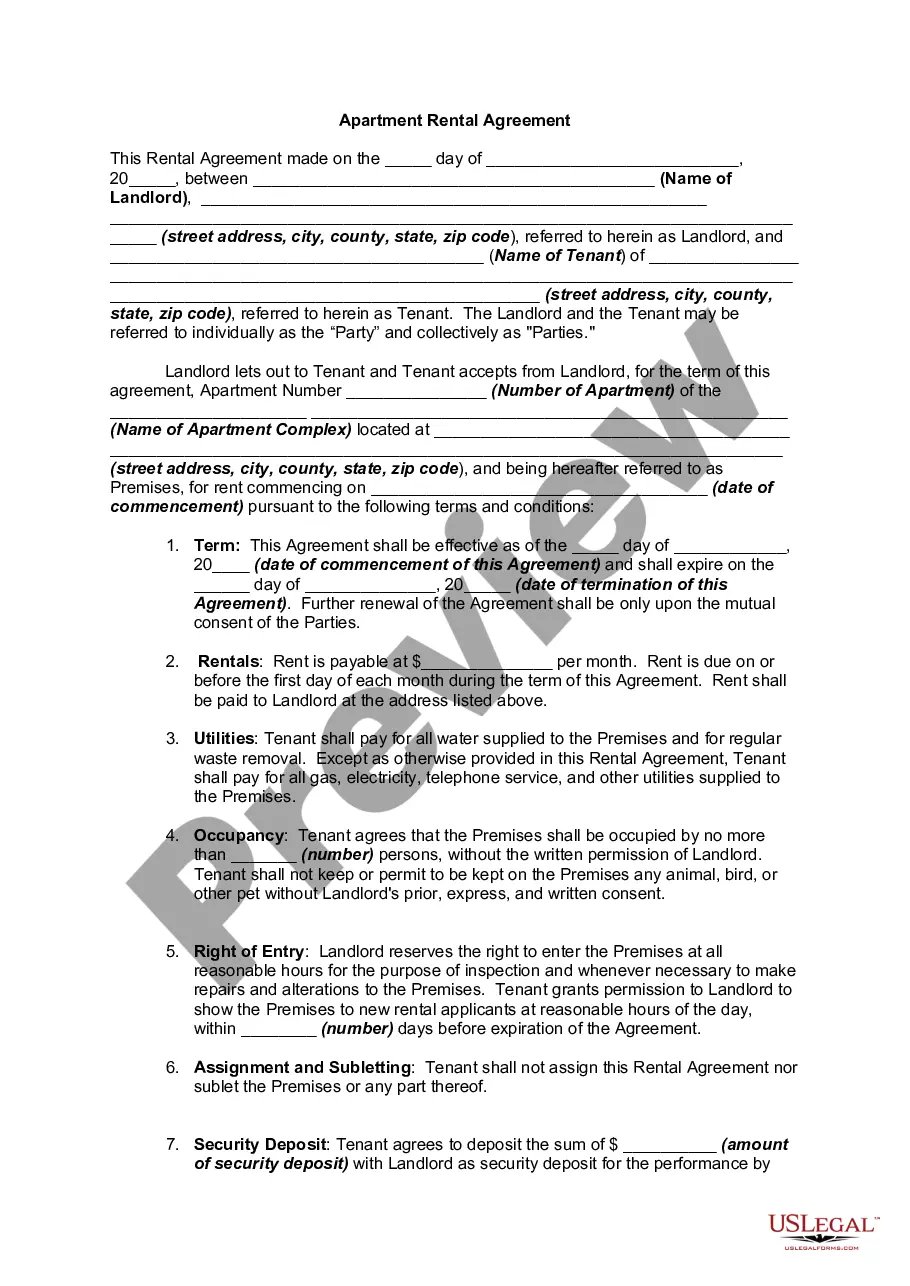
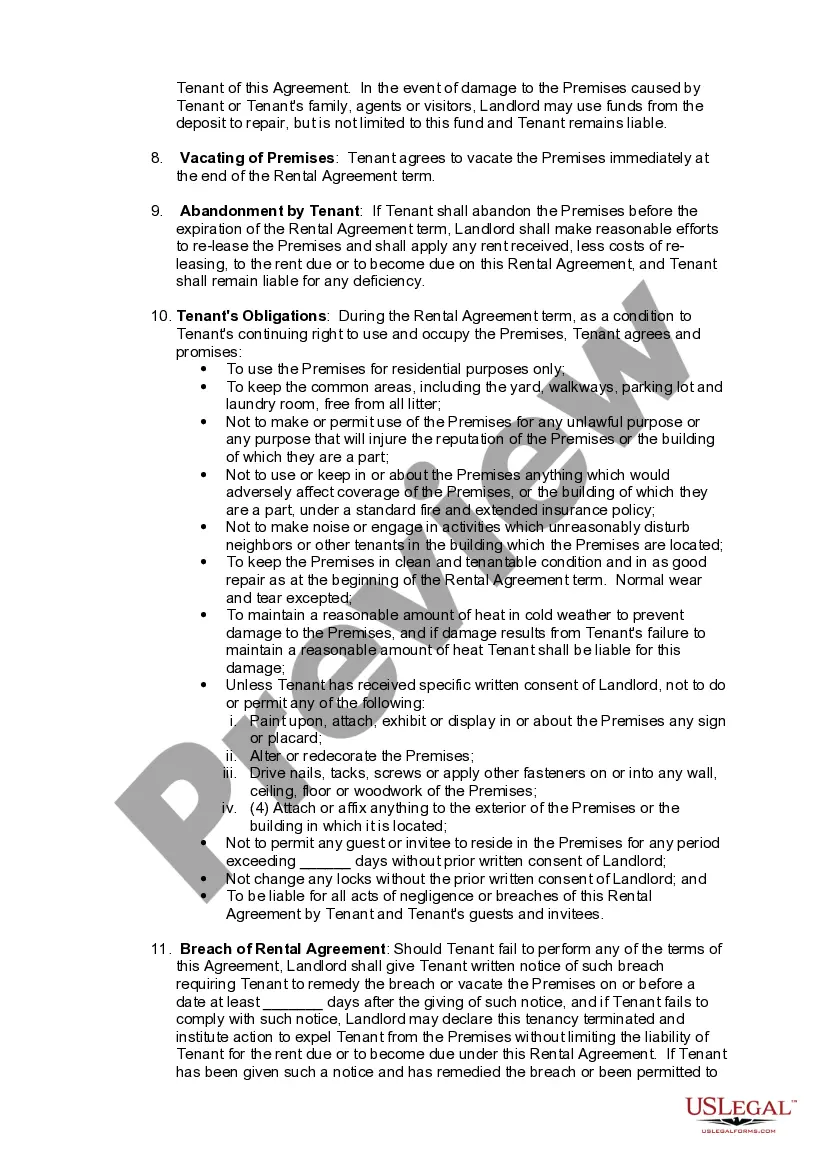
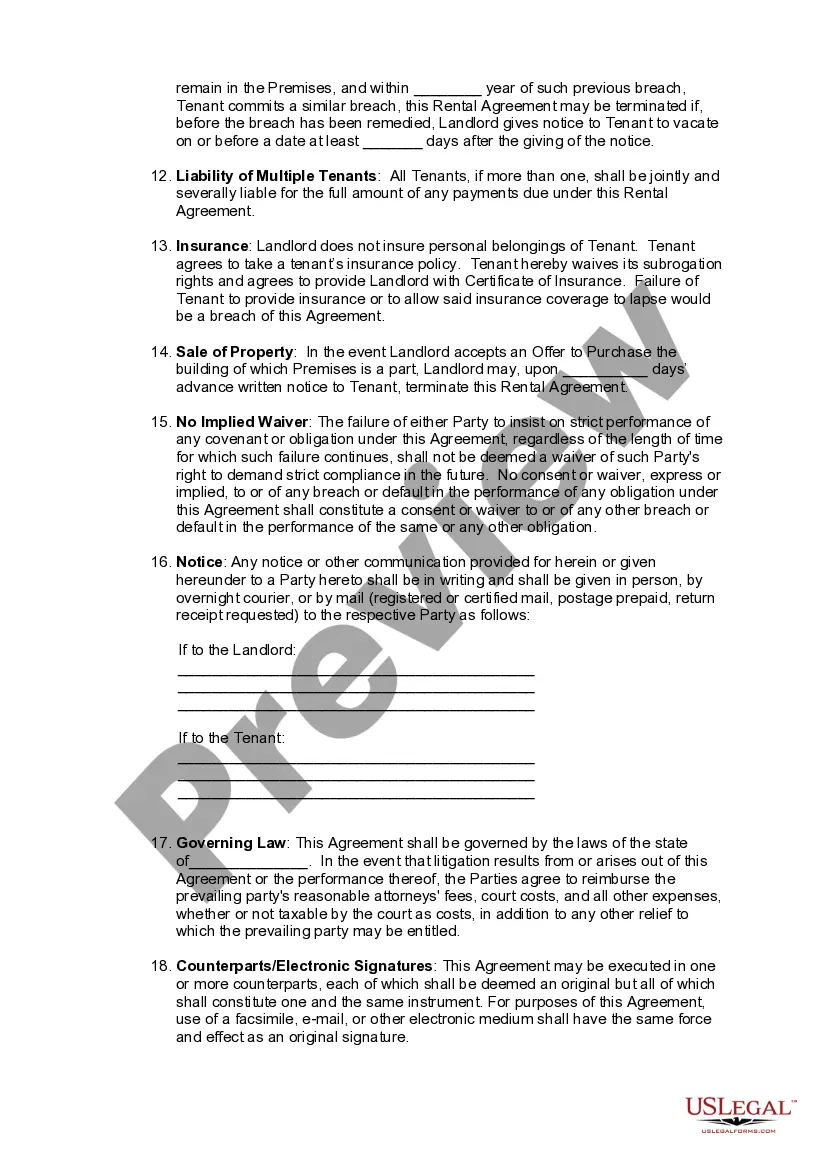
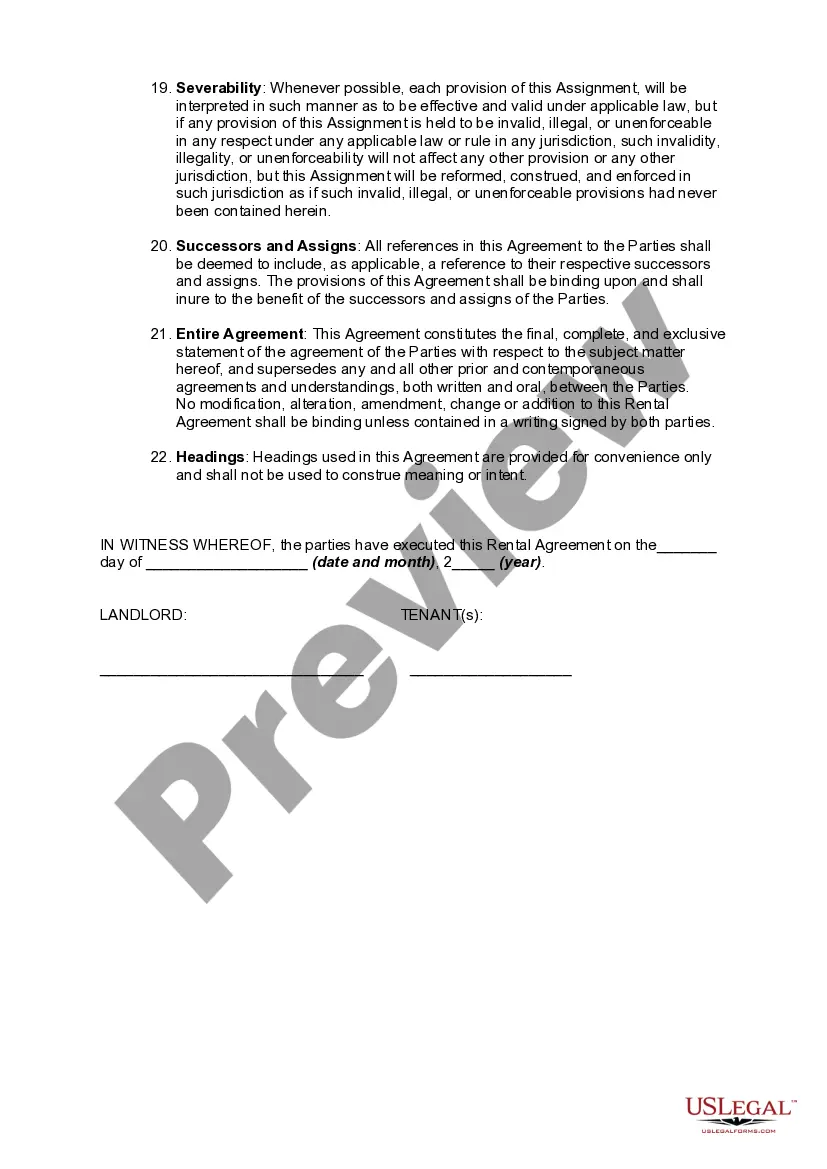
Contrato Apartamento Formula In Nevada
Description
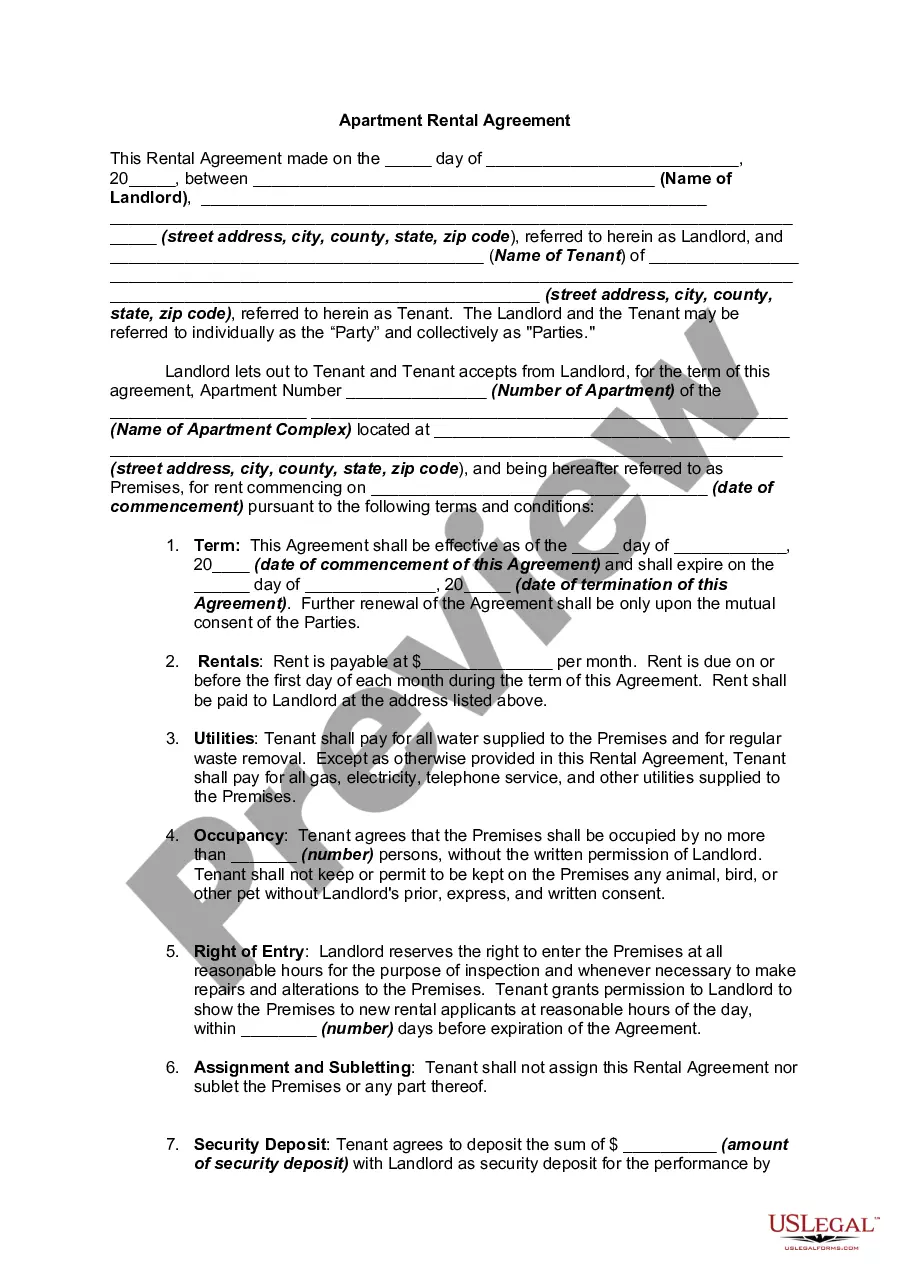
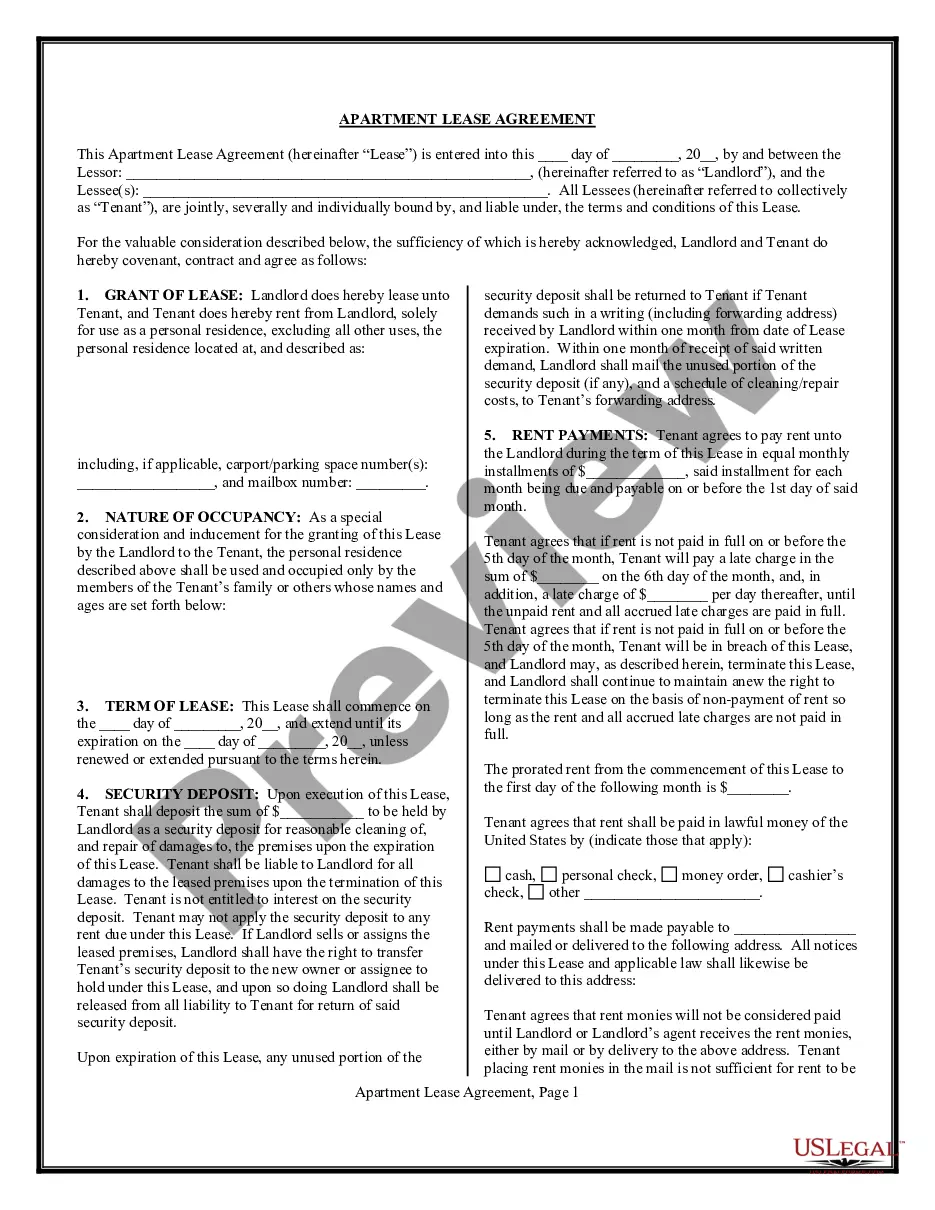
Get your form ready online
Our built-in tools help you complete, sign, share, and store your documents in one place.
Make edits, fill in missing information, and update formatting in US Legal Forms—just like you would in MS Word.
Download a copy, print it, send it by email, or mail it via USPS—whatever works best for your next step.
Sign and collect signatures with our SignNow integration. Send to multiple recipients, set reminders, and more. Go Premium to unlock E-Sign.
If this form requires notarization, complete it online through a secure video call—no need to meet a notary in person or wait for an appointment.
We protect your documents and personal data by following strict security and privacy standards.

Make edits, fill in missing information, and update formatting in US Legal Forms—just like you would in MS Word.

Download a copy, print it, send it by email, or mail it via USPS—whatever works best for your next step.

Sign and collect signatures with our SignNow integration. Send to multiple recipients, set reminders, and more. Go Premium to unlock E-Sign.

If this form requires notarization, complete it online through a secure video call—no need to meet a notary in person or wait for an appointment.

We protect your documents and personal data by following strict security and privacy standards.
Looking for another form?

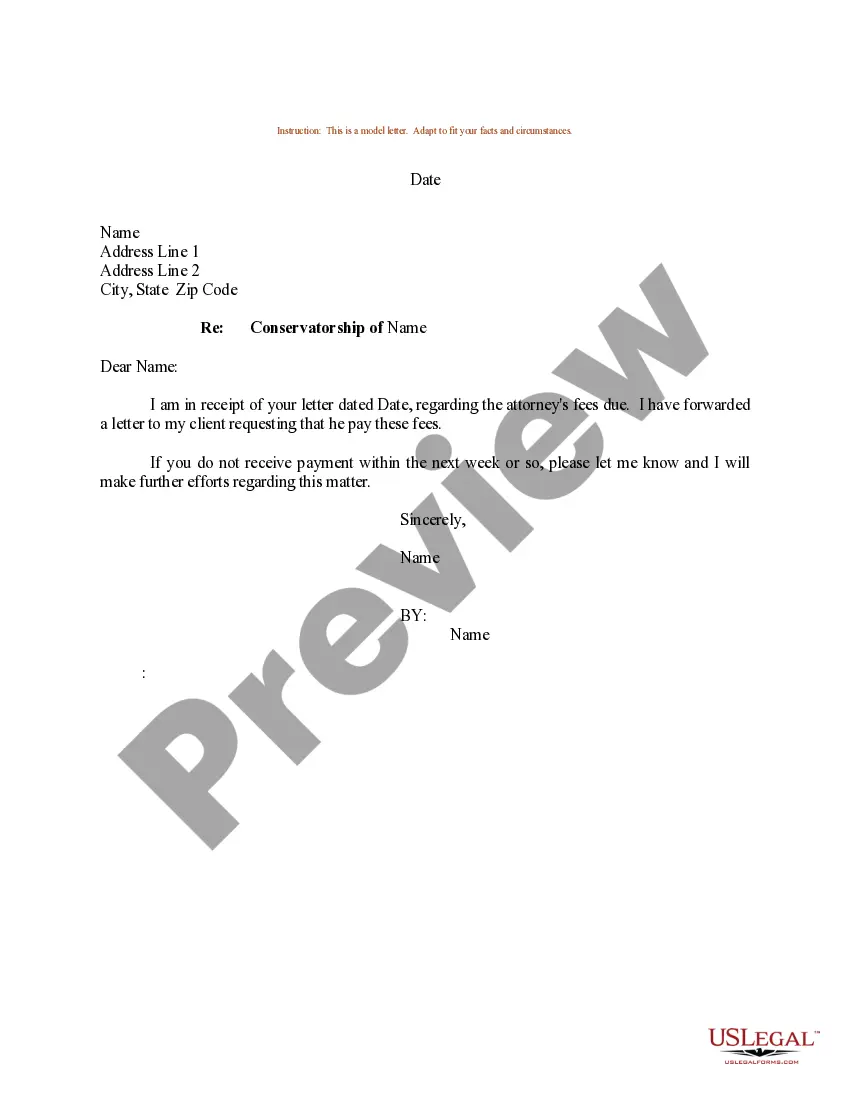



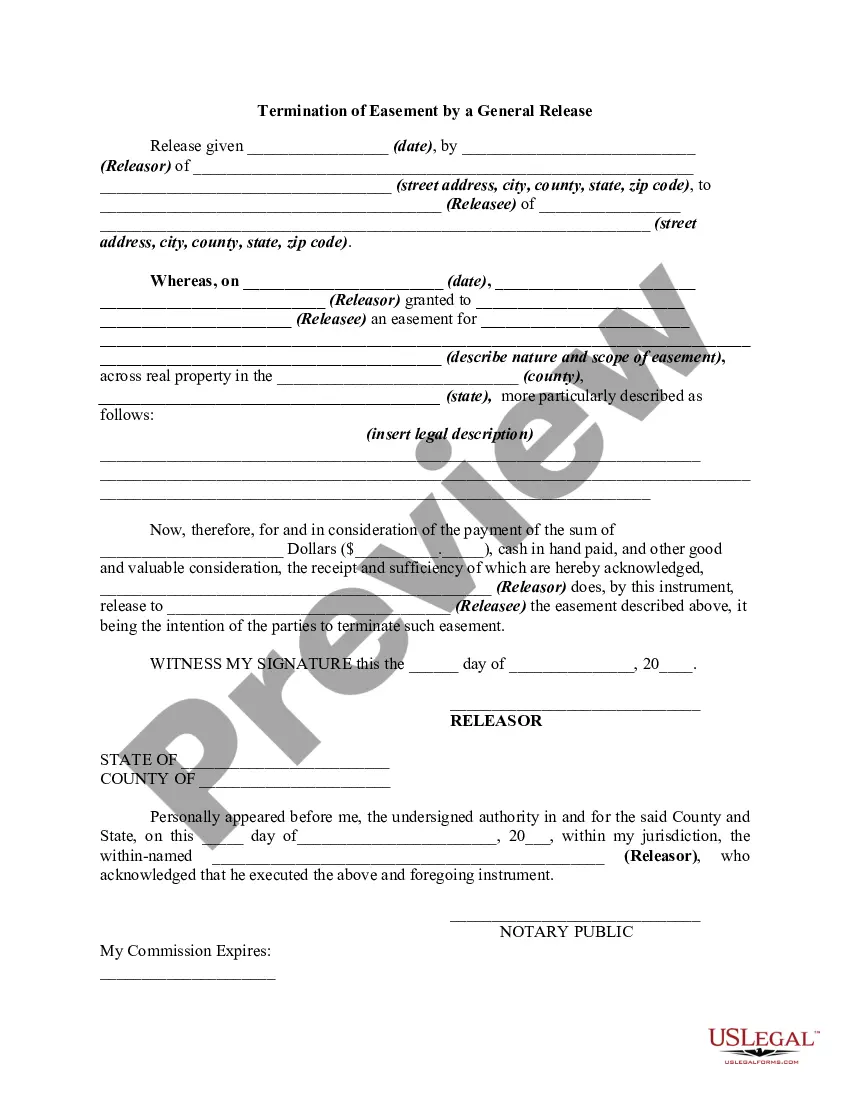
Form popularity
FAQ
Flat 30 days, also known as a Banker's Month Divide the monthly rent by 30, regardless of how many days are in that month. Some states, such as California, require the use of this method exclusively.
In California, there's no law requiring landlords to prorate rent for tenants moving in mid-month. However, it's a common practice and might be specified in your lease agreement. Here's how to find out: Review Your Lease Agreement: Carefully read your lease agreement for any clauses mentioning prorated rent.
In order to calculate the prorated rent amount you must take the total rent due, divide it by the number of days in the month to determine a daily rent amount. You then multiply the daily rent amount by the number of days the tenant will be occupying the property to generate the prorated amount for the partial month.
Personal property left behind Under Nevada law the landlord must provide a reasonably safe storage location for the property for 30 days after an abandonment or eviction by the tenant. This 30 day period also pertains to personal property left behind by a tenant that leaves at the end of an agreement term.
Landlords must honor tenant protections in Nevada, refraining from illegal evictions and improper security deposit withholdings. Adherence to the specific Nevada eviction process is a legal responsibility for landlords.
In order to calculate the prorated rent amount you must take the total rent due, divide it by the number of days in the month to determine a daily rent amount. You then multiply the daily rent amount by the number of days the tenant will be occupying the property to generate the prorated amount for the partial month.
If you're going to ask for prorated rent, do it in writing and politely. If you are moving into a place mid-month, include in your letter how much you are looking forward to renting the apartment, and to having a friendly, fair relationship with the landlord. Then make your case.
Nevada law requires a thirty-day notice to the tenant (or a seven-day notice if the tenant pays rent weekly), followed by a second five-day Notice to Quit for Unlawful Detainer (after the first notice period has elapsed) instructing the tenant to leave because tenant's presence is now unlawful.
A rental property is not habitable if it violates housing or health codes concerning health, safety, sanitation, or fitness, or if the property substantially lacks: Effective waterproofing and weather protection of the roof and exterior walls, including windows and doors.
