Apartment With Leasing In Nassau
Description
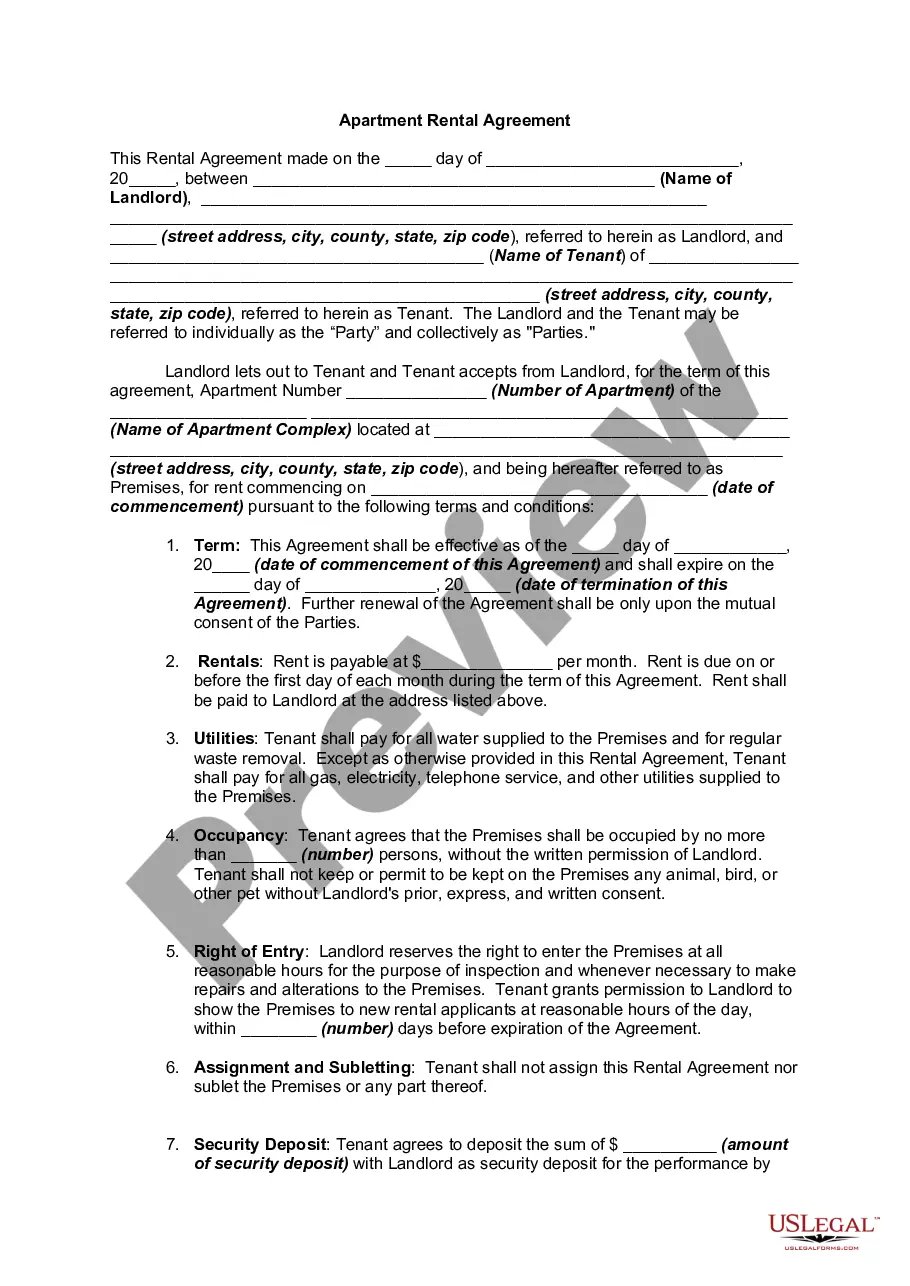
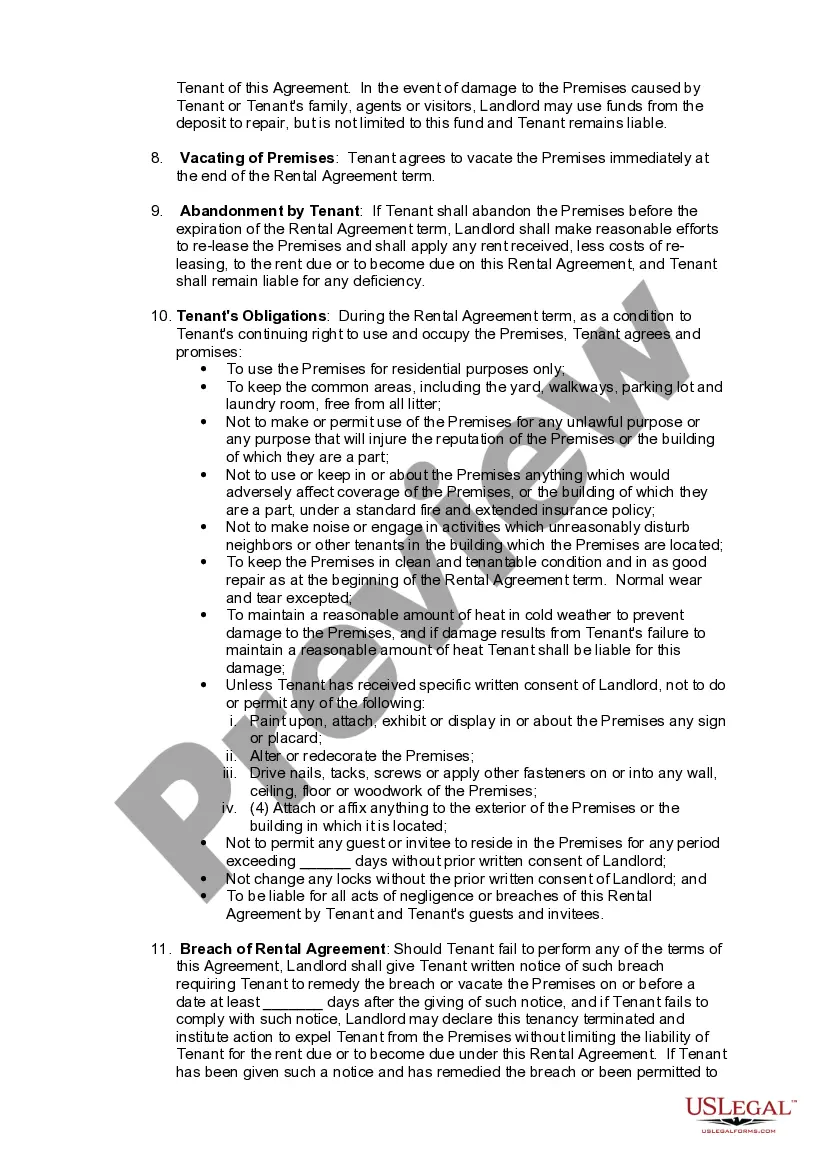
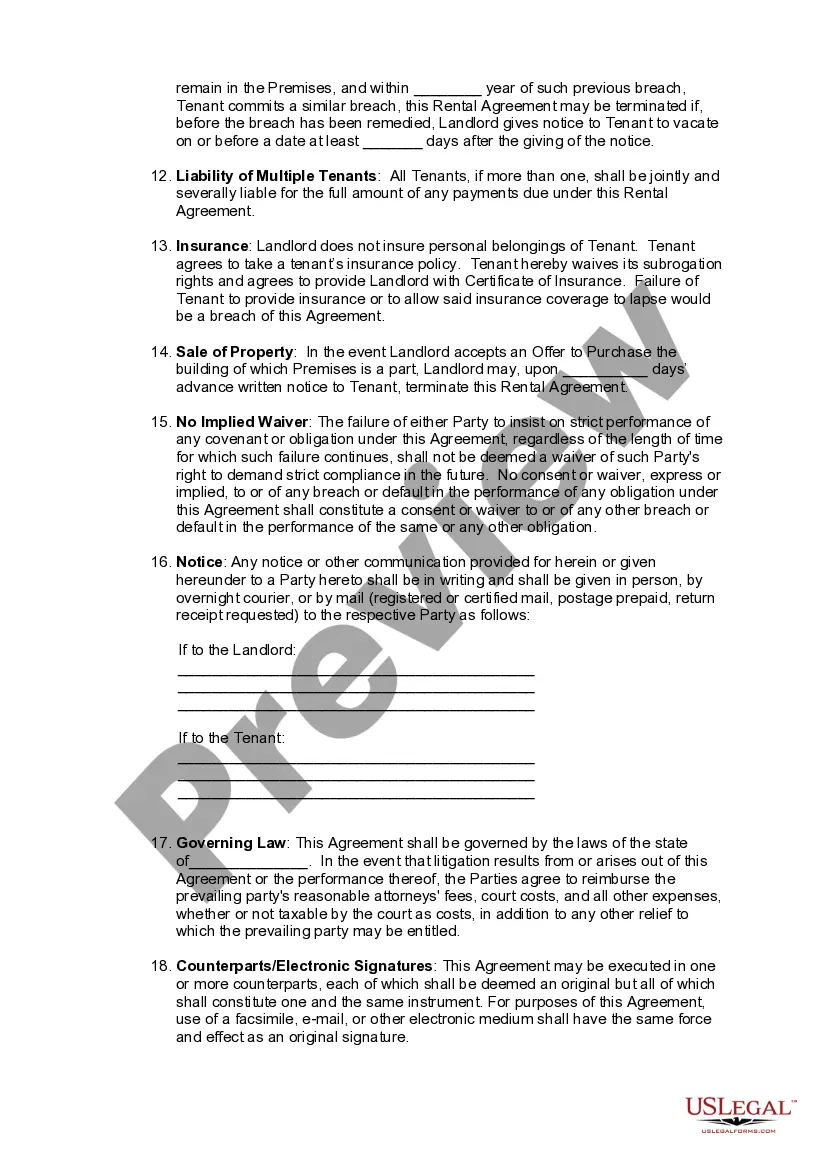
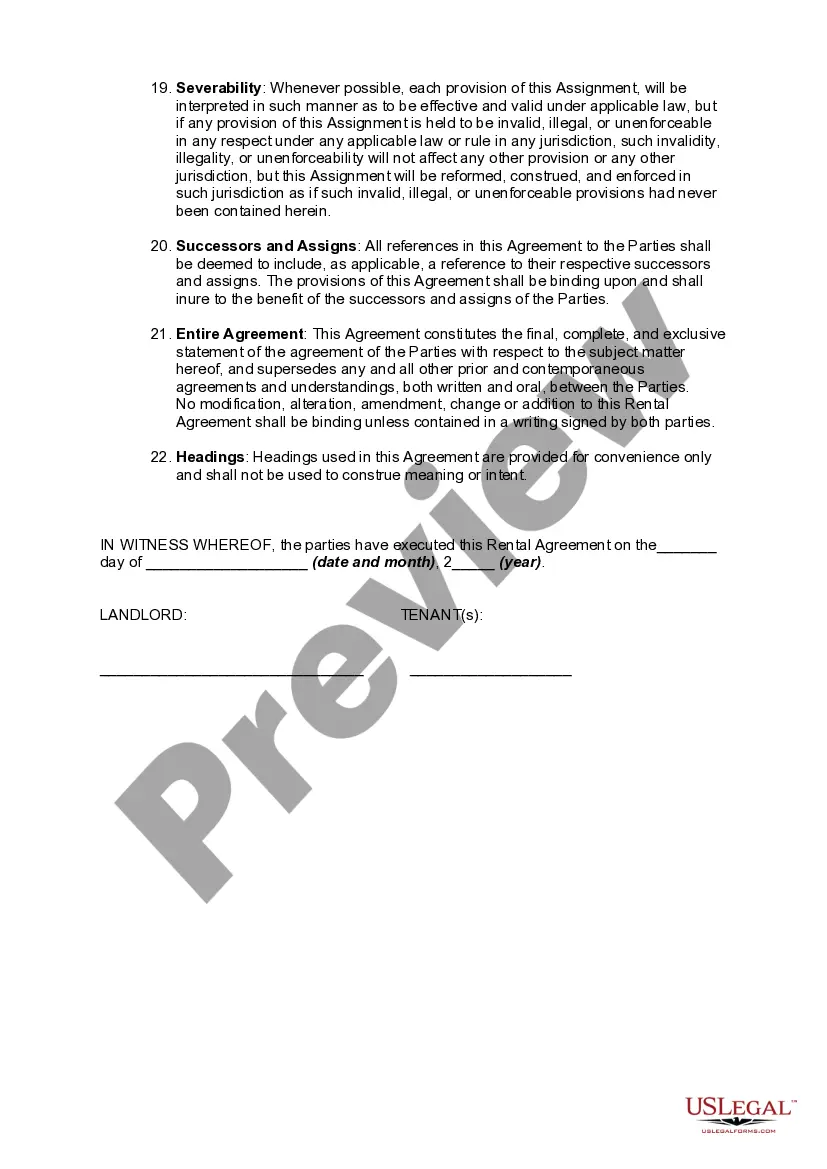
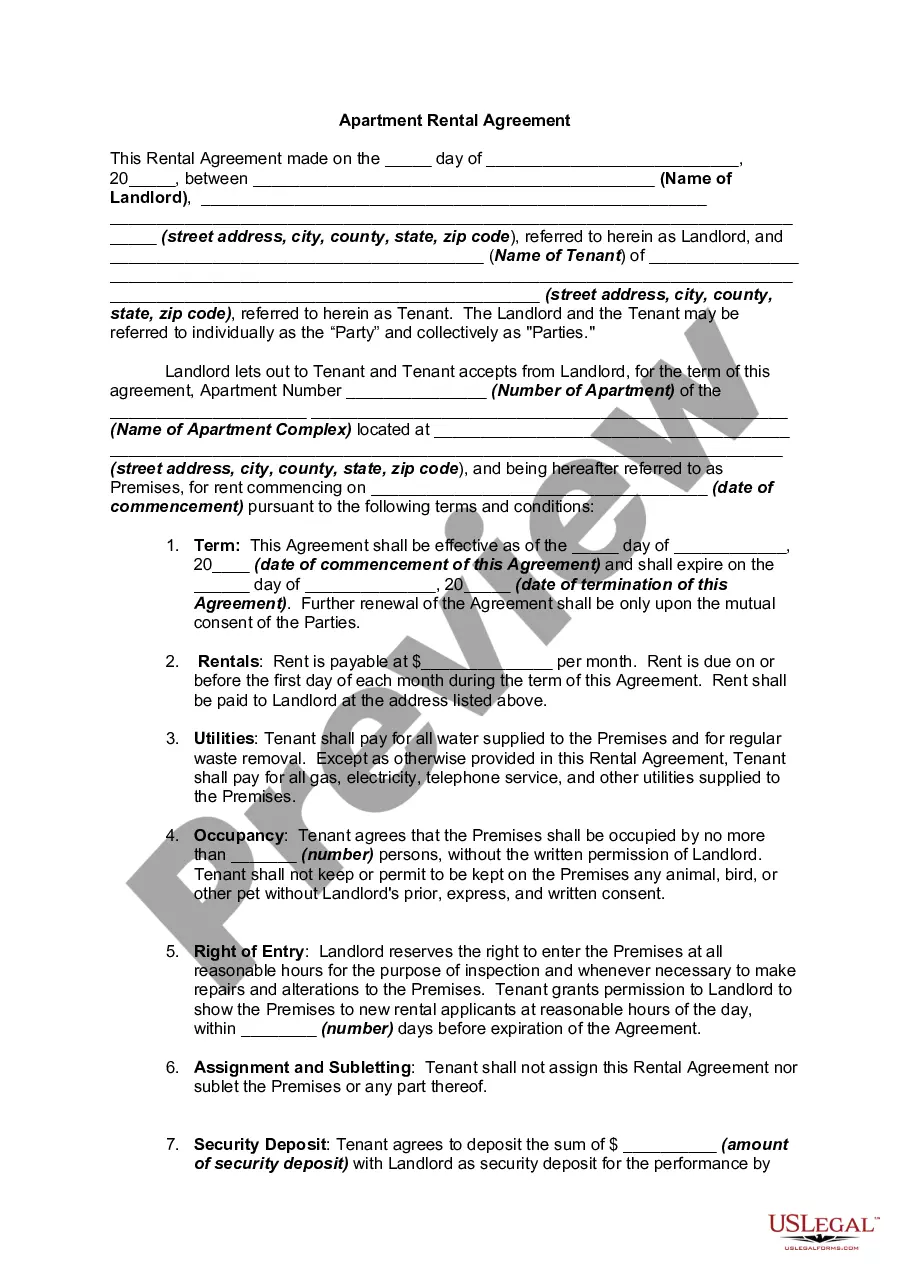
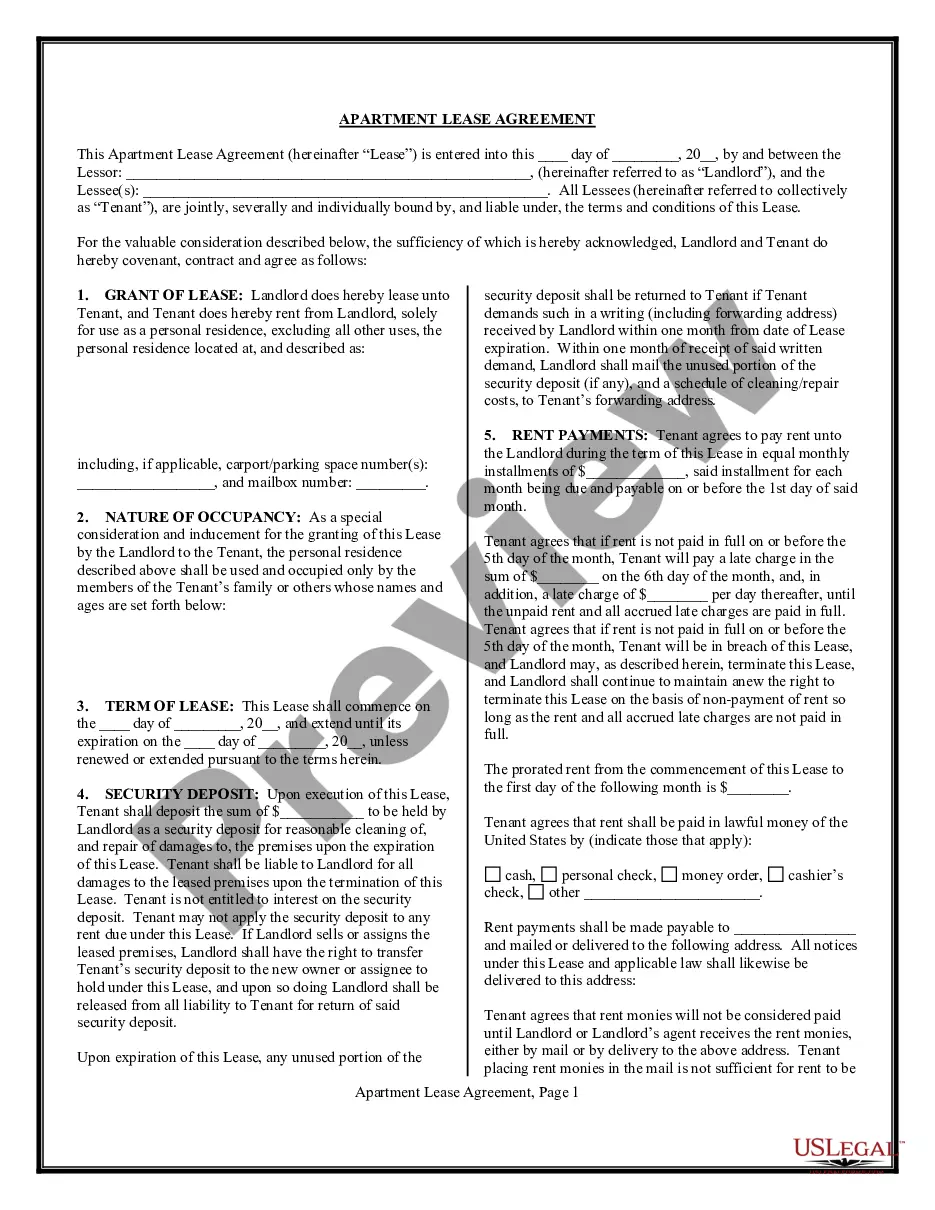
Get your form ready online
Our built-in tools help you complete, sign, share, and store your documents in one place.
Make edits, fill in missing information, and update formatting in US Legal Forms—just like you would in MS Word.
Download a copy, print it, send it by email, or mail it via USPS—whatever works best for your next step.
Sign and collect signatures with our SignNow integration. Send to multiple recipients, set reminders, and more. Go Premium to unlock E-Sign.
If this form requires notarization, complete it online through a secure video call—no need to meet a notary in person or wait for an appointment.
We protect your documents and personal data by following strict security and privacy standards.

Make edits, fill in missing information, and update formatting in US Legal Forms—just like you would in MS Word.

Download a copy, print it, send it by email, or mail it via USPS—whatever works best for your next step.

Sign and collect signatures with our SignNow integration. Send to multiple recipients, set reminders, and more. Go Premium to unlock E-Sign.

If this form requires notarization, complete it online through a secure video call—no need to meet a notary in person or wait for an appointment.

We protect your documents and personal data by following strict security and privacy standards.
Looking for another form?

Form popularity
FAQ
The application will ask you for the following information: your place of employment, past employers, names and addresses of your current and past landlords, your Social Security number, driver's license number and authorization for the landlord to run a background and credit check.
Renting an apartment isn't as easy as waltzing in and saying “I'll take it!”—particularly in today's competitive rental market. With many prospective tenants to choose from, landlords can be picky, and they will prioritize applicants with a track record of paying off debts and respecting their neighbors and community.
In some cities, the odds of getting denied for an apartment can be as high as 30% or more, making it essential to understand why applications get rejected and how you can improve your chances of securing your ideal rental.
You can find short-term apartment leases for three months, six months, nine months or even month-to-month. Monthly leases generally renew automatically each month as long as you and your landlord both agree.
Leasing vs. renting. The main difference between a lease and rent agreement is the period of time they cover. A rental agreement tends to cover a short term—usually 30 days—while a lease contract is applied to long periods—usually 12 months, although 6 and 18-month contracts are also common.
For a 3-month period, renting is likely the most economical and flexible option. Leasing could be a consideration, but it may not be practical due to potential penalties for early termination. Buying is generally not advisable for such a short duration due to high upfront costs and depreciation concerns.
A "tenancy agreement" is the term more often associated with a residential letting for less than three years, whereas a "lease" is more generally used in relation to a commercial tenancy, and in the case of residential lettings, for in excess of three years.
Leasing and renting are similar and sometimes used interchangeably, but there are some subtle differences between the two, like the length of tenancy. A lease is generally a long-term agreement while a rental agreement can be on a month-to-month basis.
written rental agreement is absolutely valid and enforceable. It doesn't need to be notarized, but must be signed by both parties to the lease. Essential terms must be present in the writing, however.
In CA, yes the owner / PM will want her on the lease due to laws that would protect her if she established residency thru simply staying there.
