Housing With Lease In Michigan
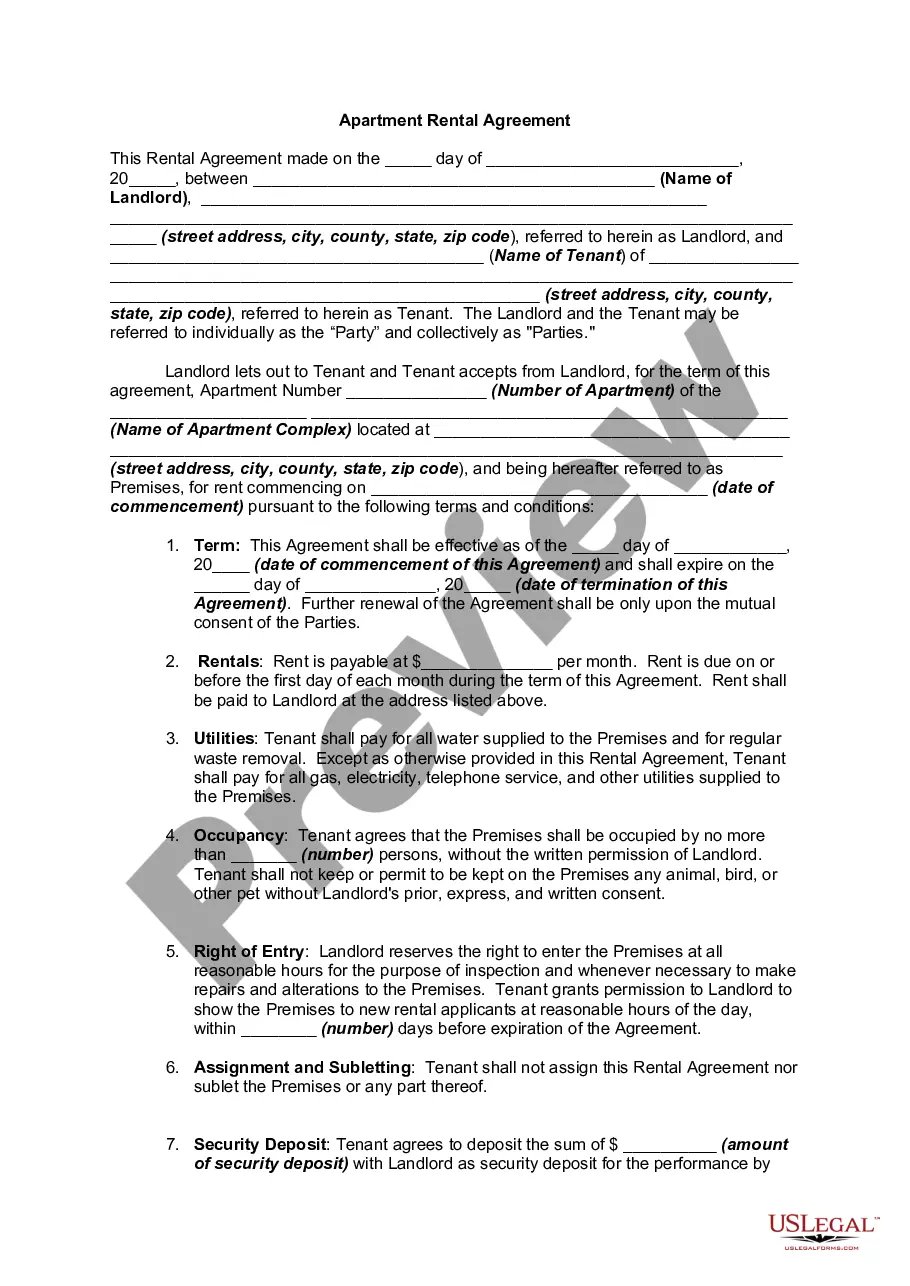
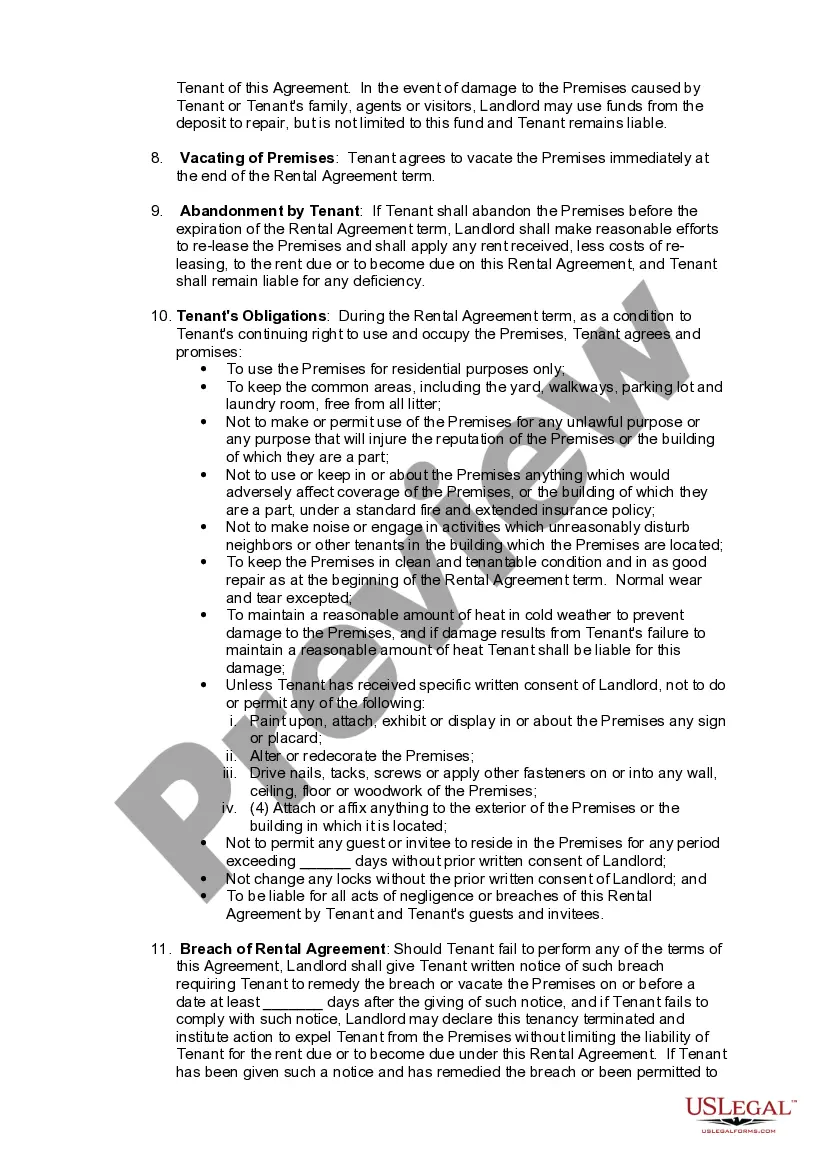
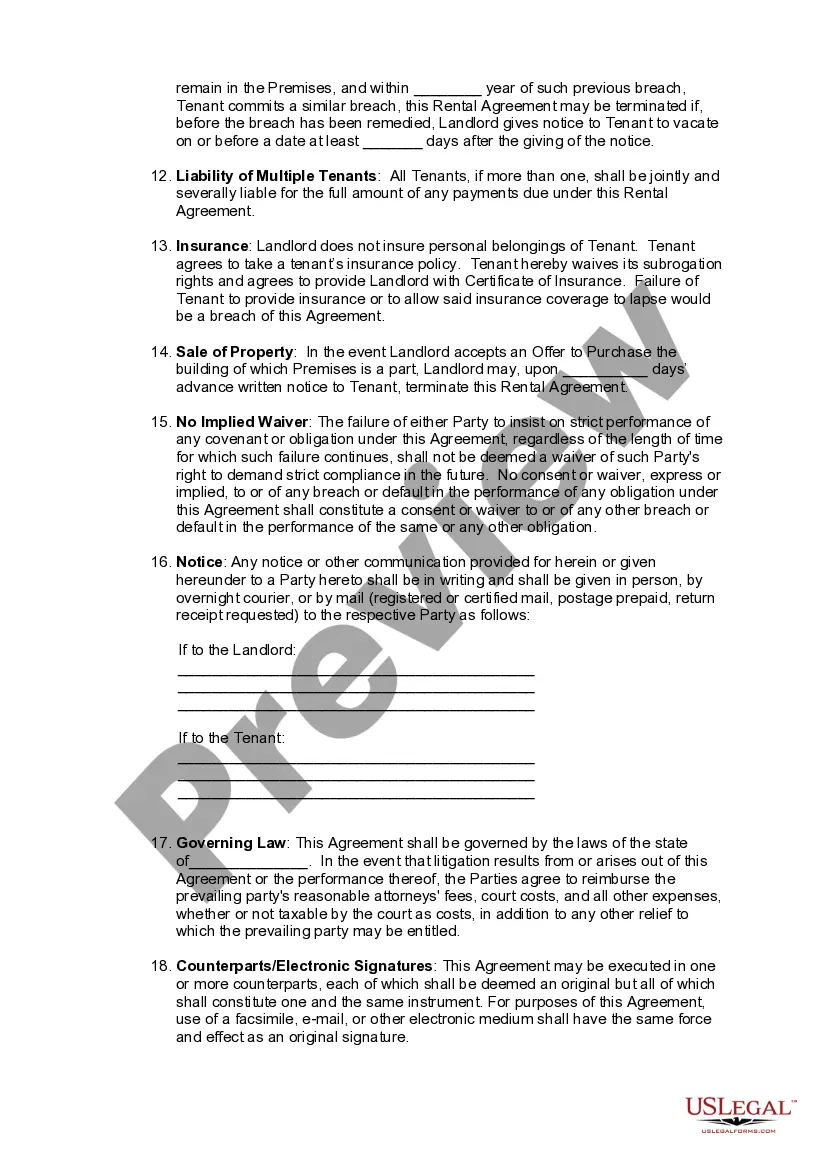
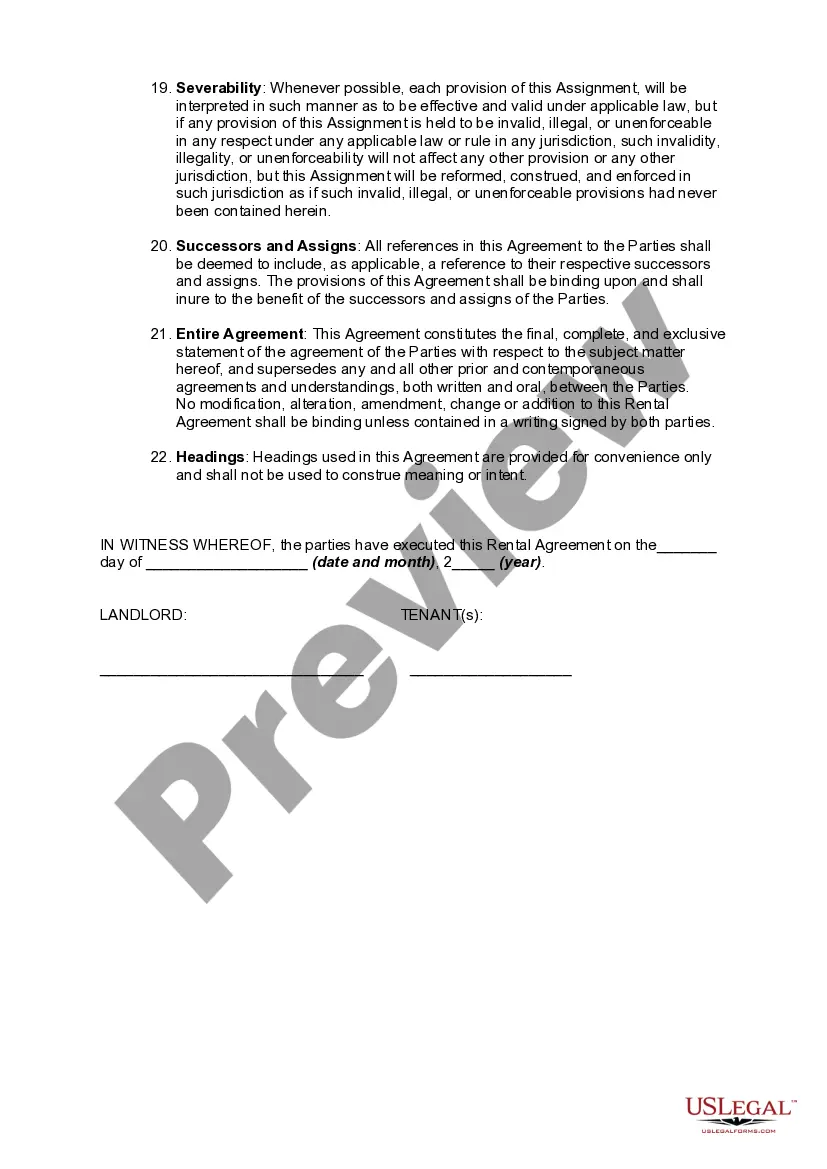
Description
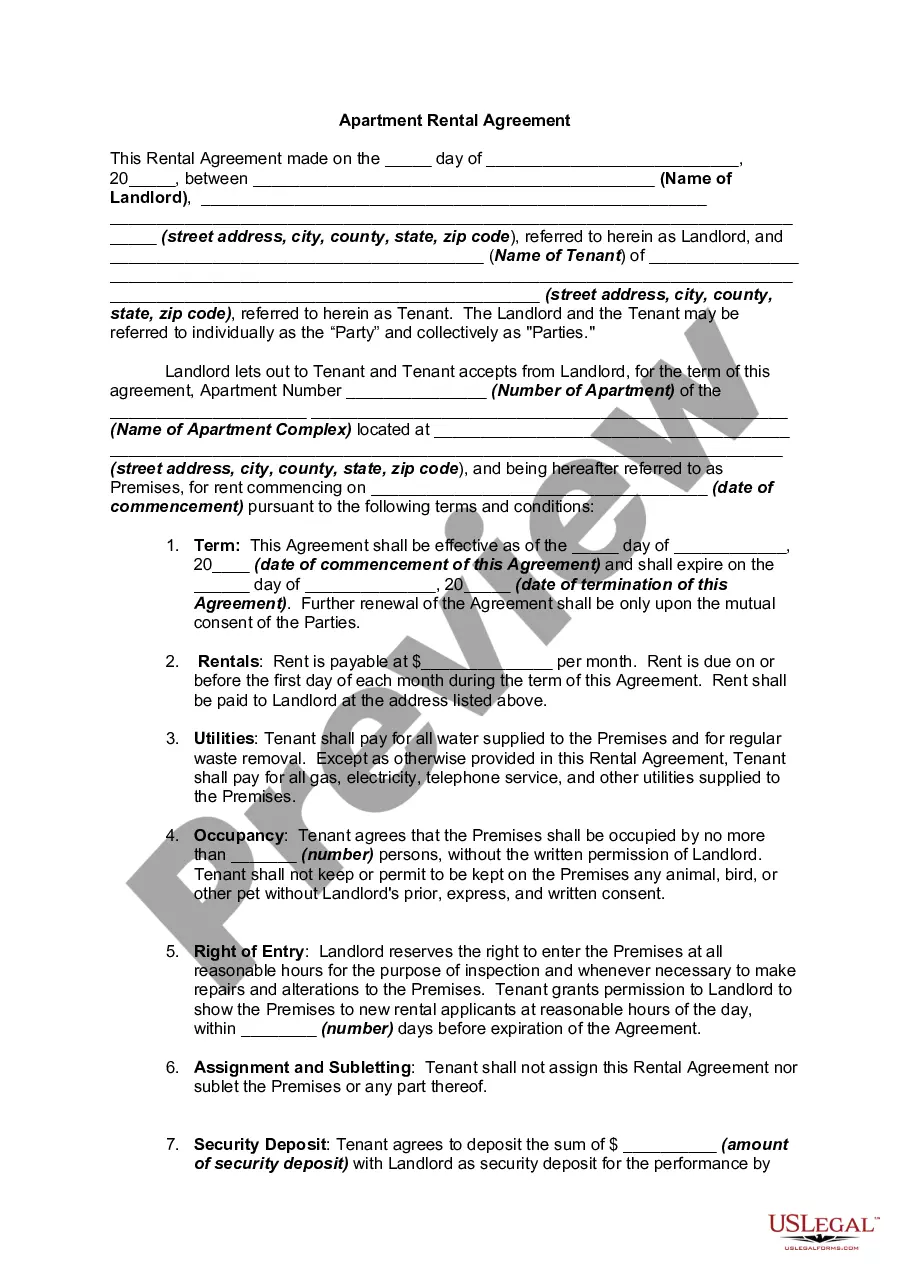
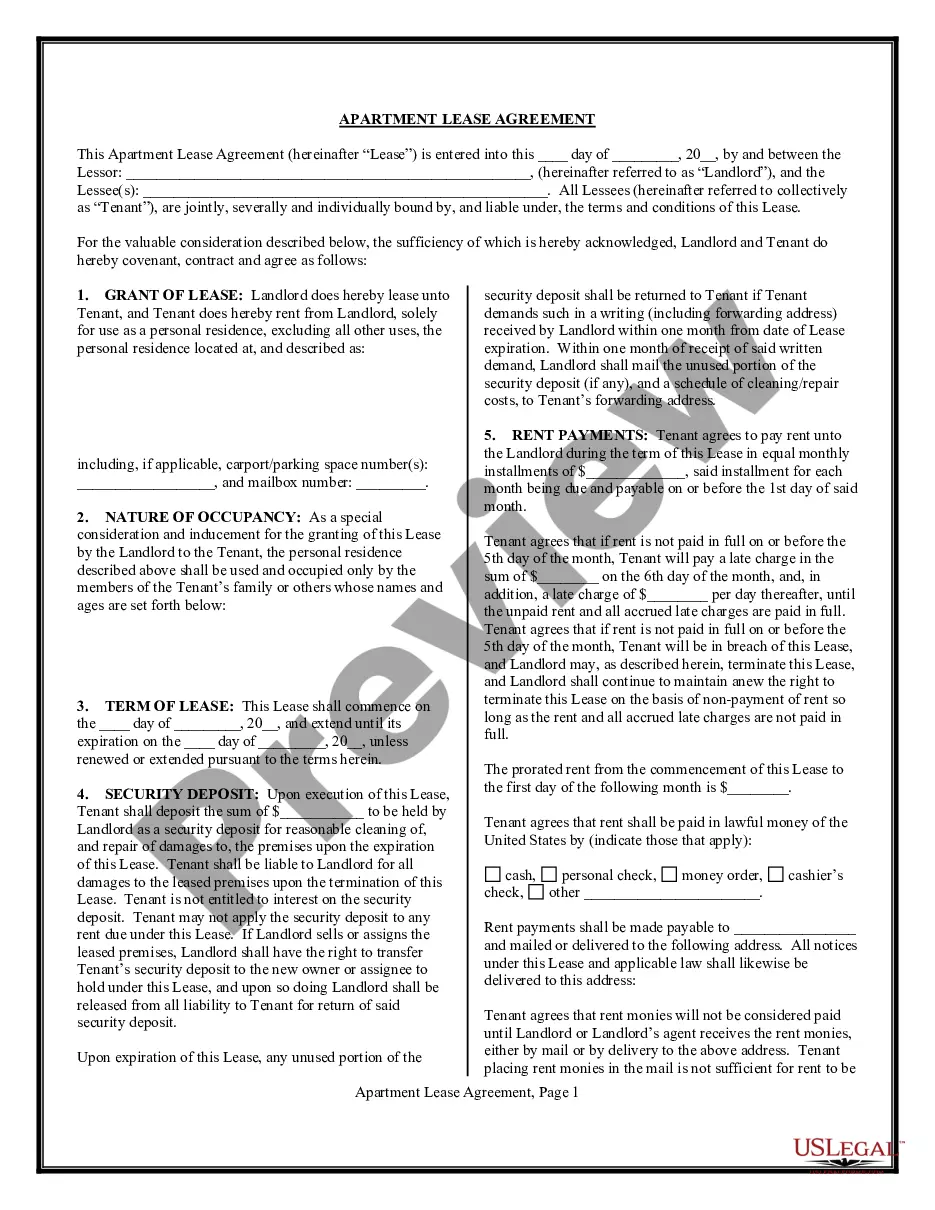
Get your form ready online
Our built-in tools help you complete, sign, share, and store your documents in one place.
Make edits, fill in missing information, and update formatting in US Legal Forms—just like you would in MS Word.
Download a copy, print it, send it by email, or mail it via USPS—whatever works best for your next step.
Sign and collect signatures with our SignNow integration. Send to multiple recipients, set reminders, and more. Go Premium to unlock E-Sign.
If this form requires notarization, complete it online through a secure video call—no need to meet a notary in person or wait for an appointment.
We protect your documents and personal data by following strict security and privacy standards.

Make edits, fill in missing information, and update formatting in US Legal Forms—just like you would in MS Word.

Download a copy, print it, send it by email, or mail it via USPS—whatever works best for your next step.

Sign and collect signatures with our SignNow integration. Send to multiple recipients, set reminders, and more. Go Premium to unlock E-Sign.

If this form requires notarization, complete it online through a secure video call—no need to meet a notary in person or wait for an appointment.

We protect your documents and personal data by following strict security and privacy standards.
Looking for another form?
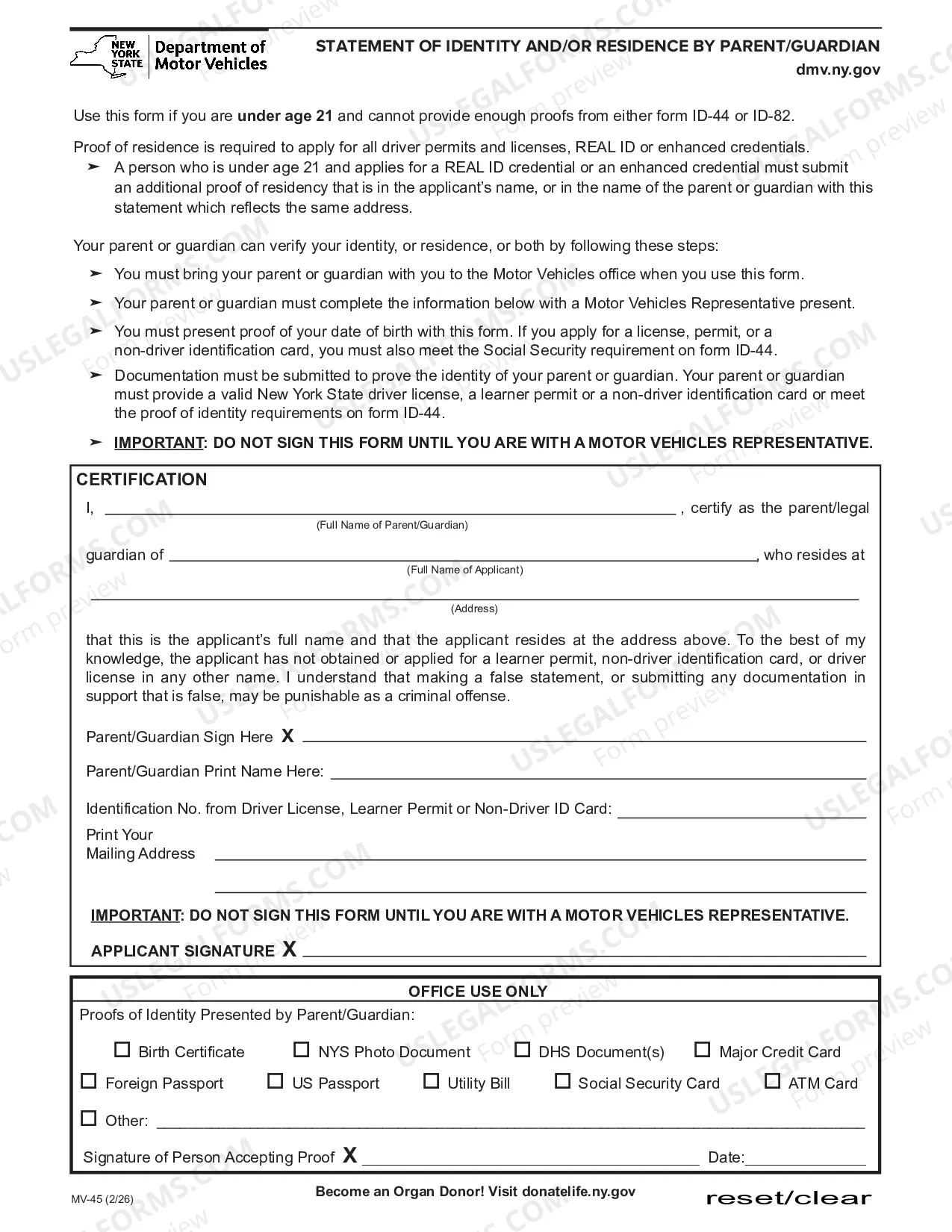






Form popularity
FAQ
There is no fast way. However, if the section 8 wait list is open go ahead and apply for it and hud housing. The good news, is that having a child and being disabled will put you higher list. You should check to see if there is a rapid rehousing program in your area.
To get any type of Section 8 benefits, you must: Have very low income (less than 50% of the area median income) Not all income is counted. Not own a home your family could live in. Have less than $100,000 in countable assets (not all assets are counted) ... Be a U.S. citizen or an eligible immigrant.
Housing assistance programs are required to deny applicants who (1) have been evicted from public housing within the past 3 years for drug-related reasons, (2) are on the lifetime sex offender registry in any state, (3) have been convicted of manufacturing methamphetamines on public housing property, (4) are using ...
To legally operate as a landlord in Michigan, you must apply for a rental license with LARA and obtain a landlord certificate from the local county clerk's office. This certification process ensures that you meet the state requirements and are qualified to manage rental properties within Michigan.
The Elliott-Larsen Civil Rights Act prohibits housing providers in Michigan from denying rentals or enforcing different terms or conditions for prospective tenants because a person is of a certain age. In Michigan, anyone 18 years or older may sign a contract such as a lease.
Month-to-month lease terms may be ideal if you're looking for more flexibility on who you rent to throughout the year or planning on renting the property out for a short period. This can also be a great option if an active fixed-term lease ends, but the tenants need more time to find their next home.
Either you or your landlord can end the month-to-month lease with one month's notice. If your landlord wants you to move, you should be given a Notice to Quit for termination of tenancy. If you want to move, give your landlord a written, one month's notice. Always keep a copy of your notice for your records.
Michigan Legislature's Public Act 226 of 1988 bans rent control, meaning there's no cap on rent increases. While there are no rent control laws in the state aside from the ban, landlords must provide at least 30 days' notice in the event of a rent hike if the tenant has been in the unit for less than a year.
At its simplest, a lease is a deal made between two parties, the lessee and lessor, over the use of an asset. Instead of buying the asset upfront, the lessee pays a set amount for the right to use it, usually in instalments over the life of the lease agreement.
You must include the landlord or property manager, and most likely get written permission to go ahead with the lease takeover. Most landlords will write into the original rental agreement rules for a lease transfer, and it's up to the current renter to follow those rules.
