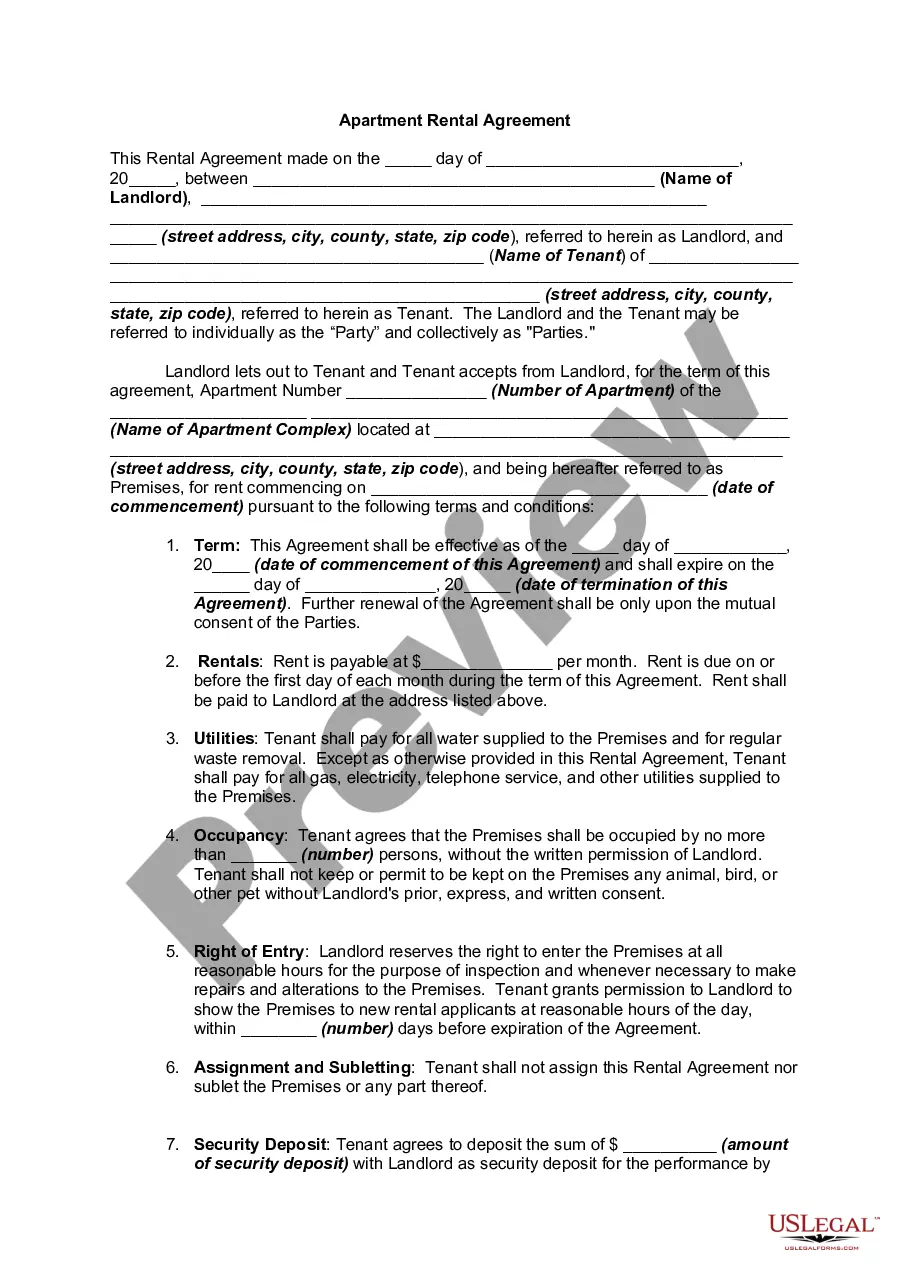
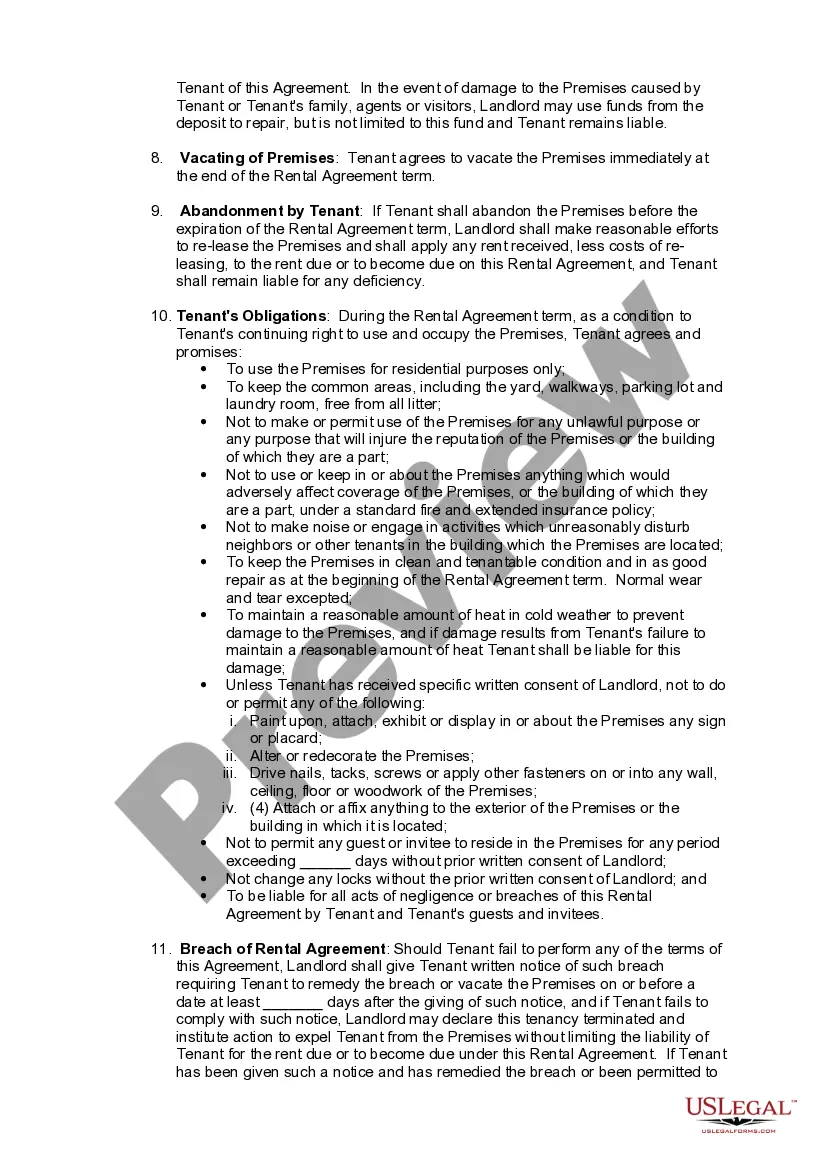
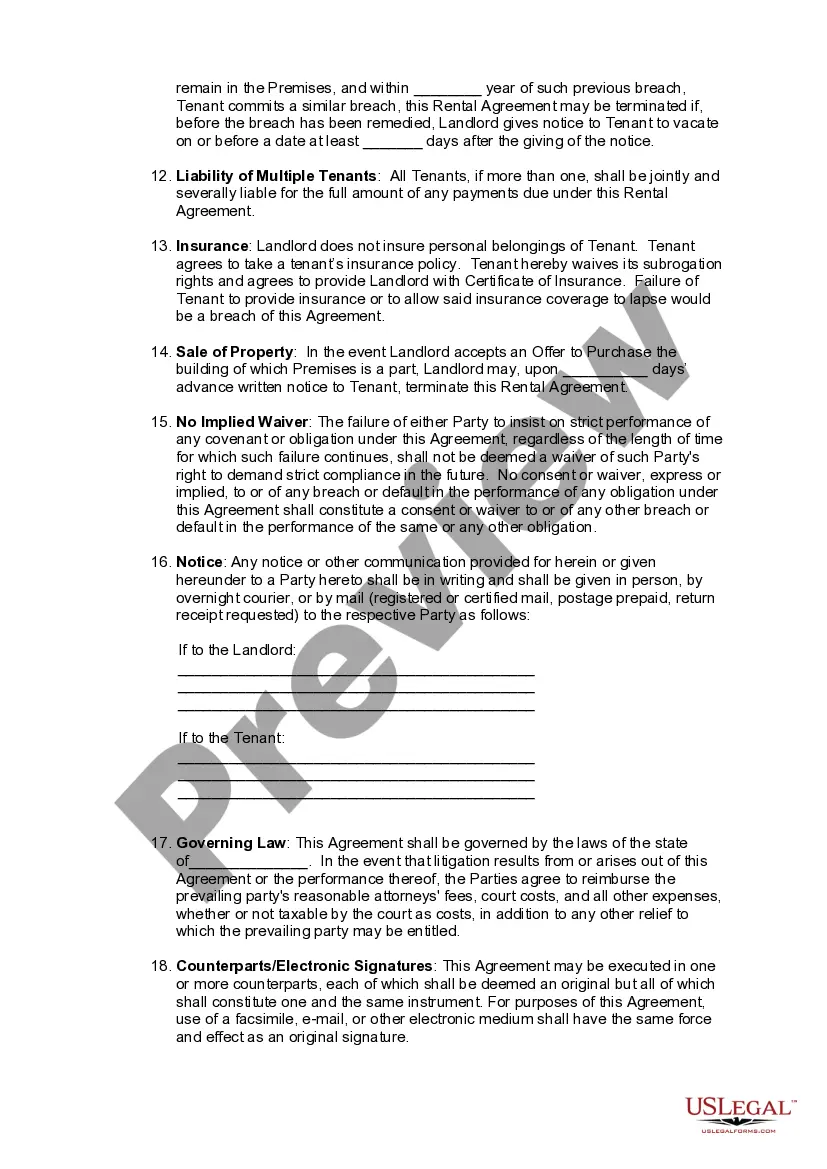
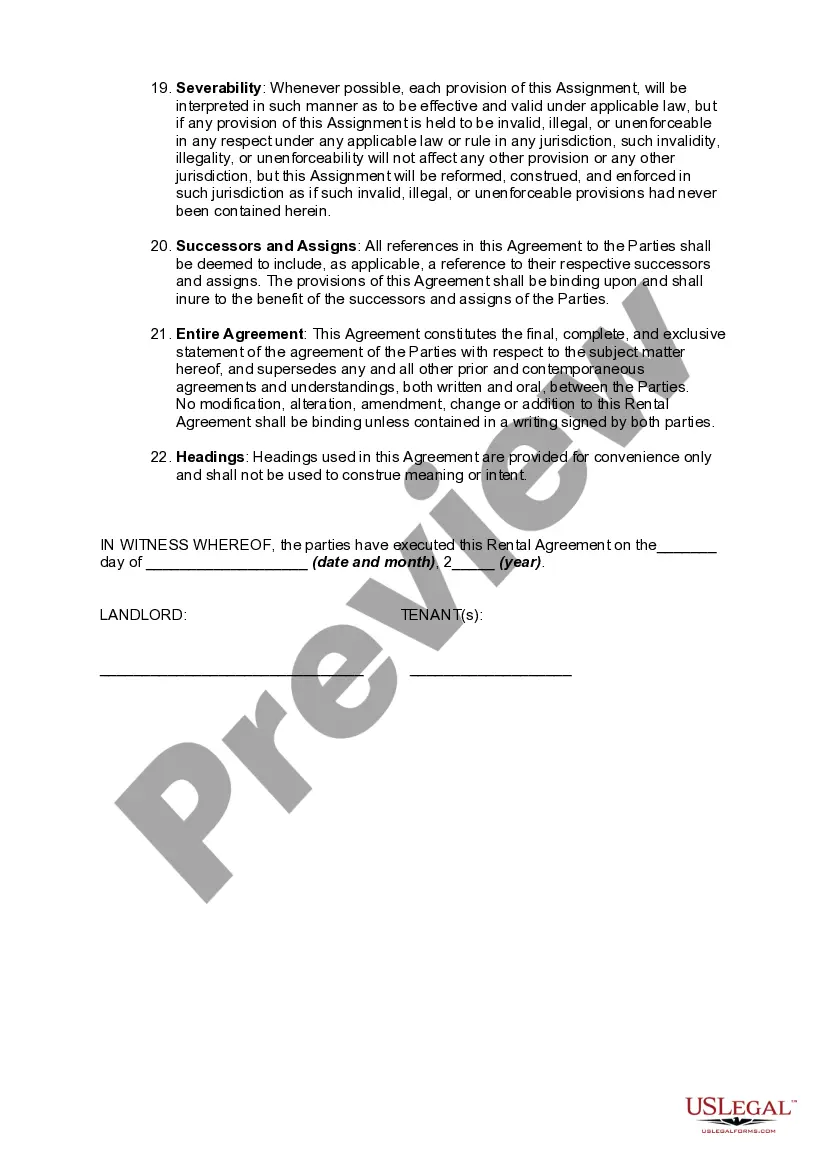
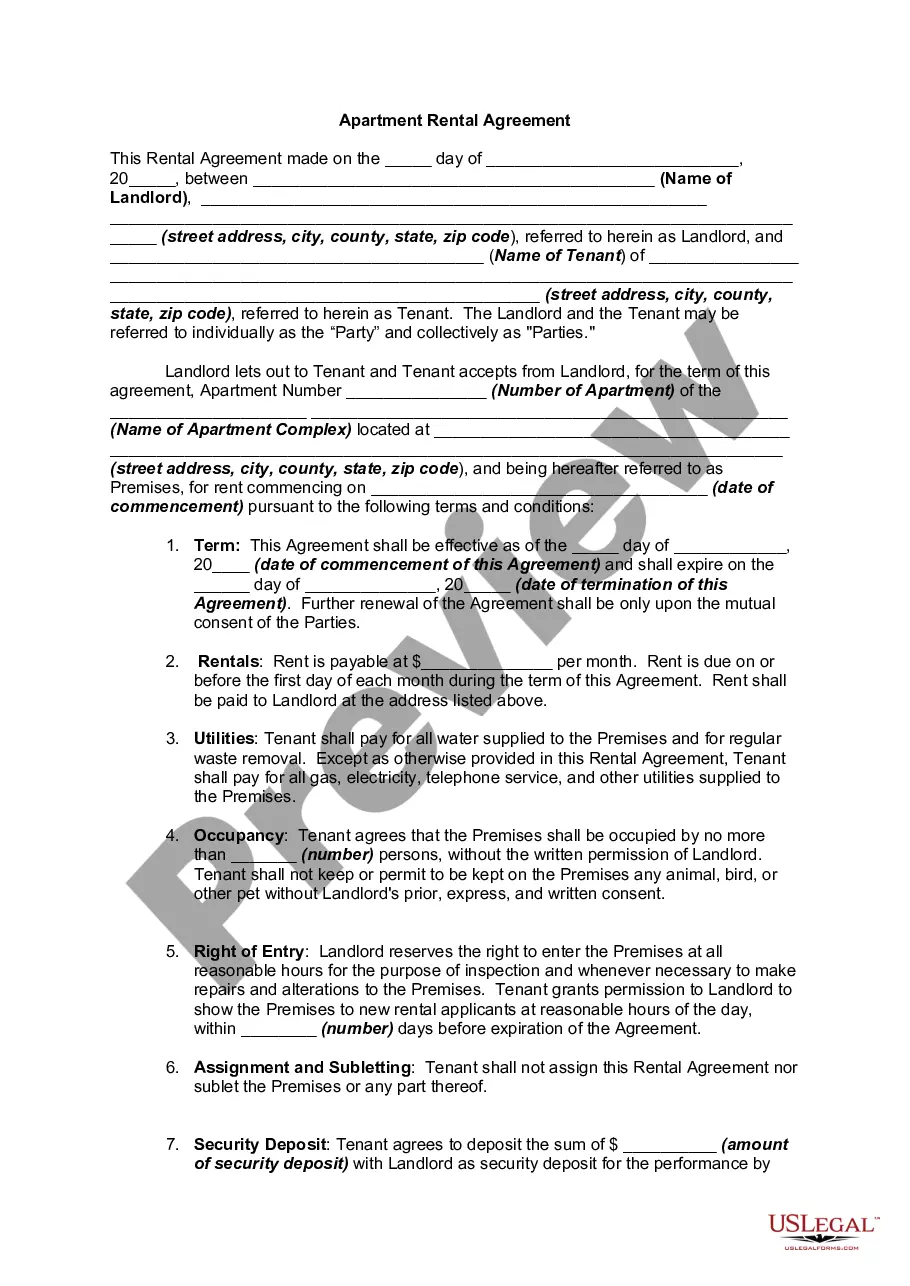
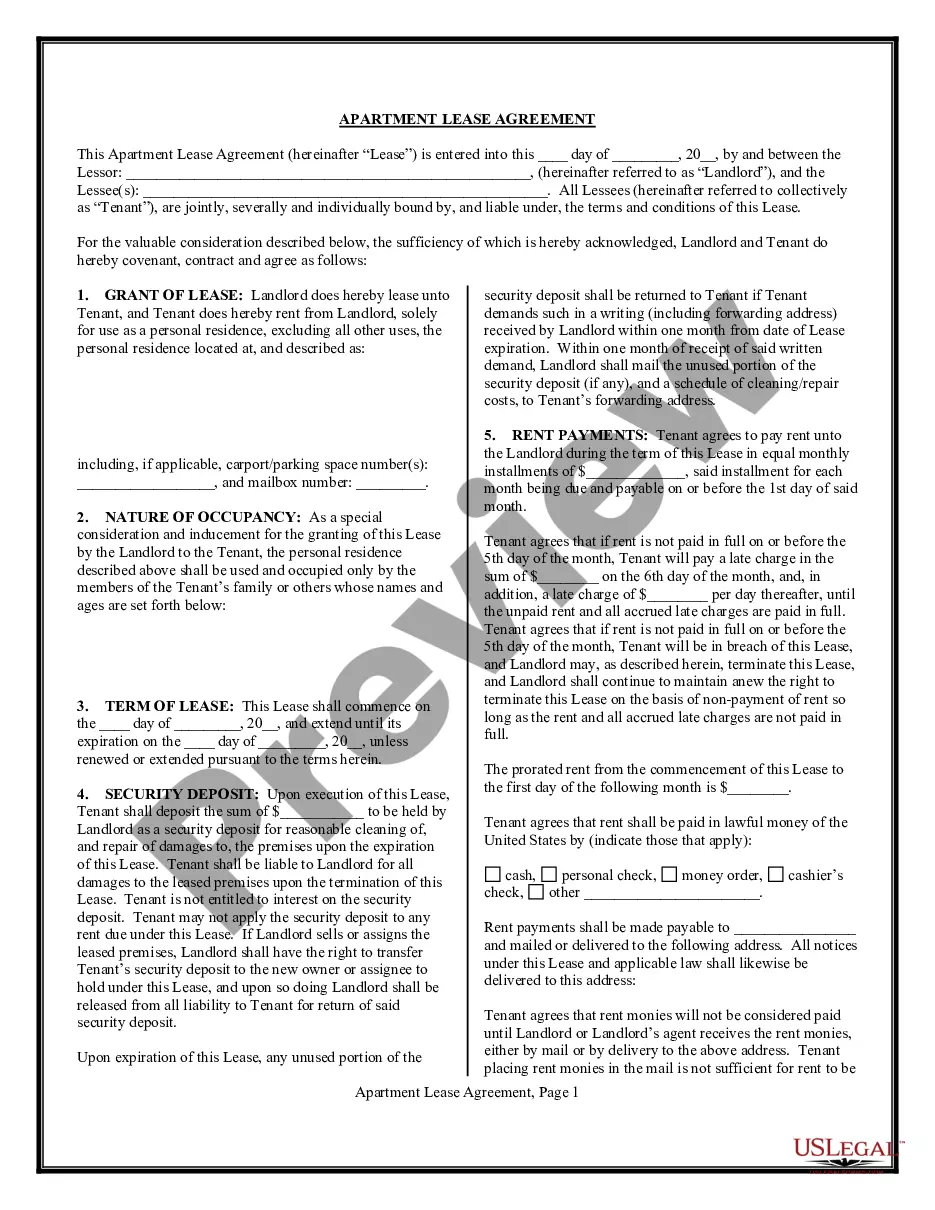
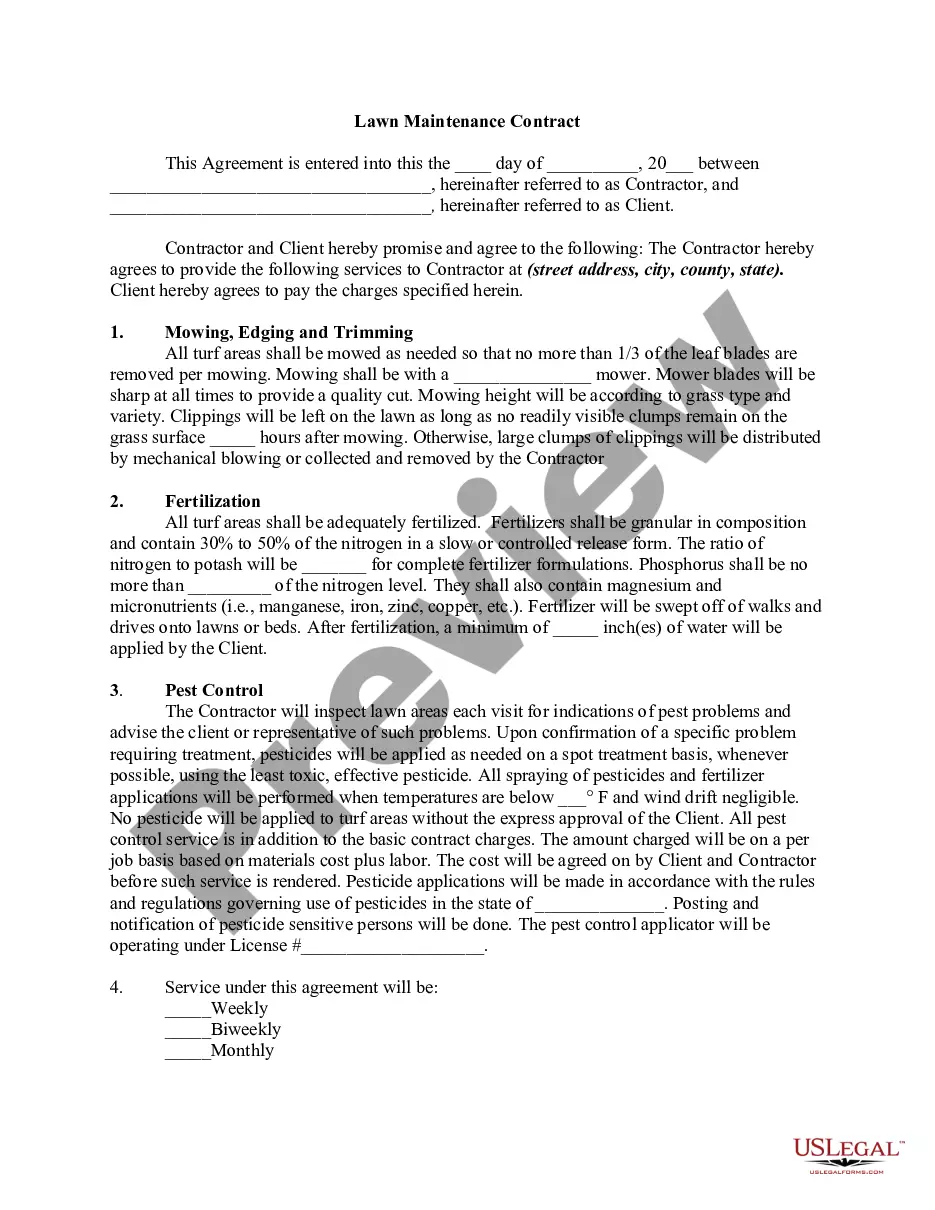
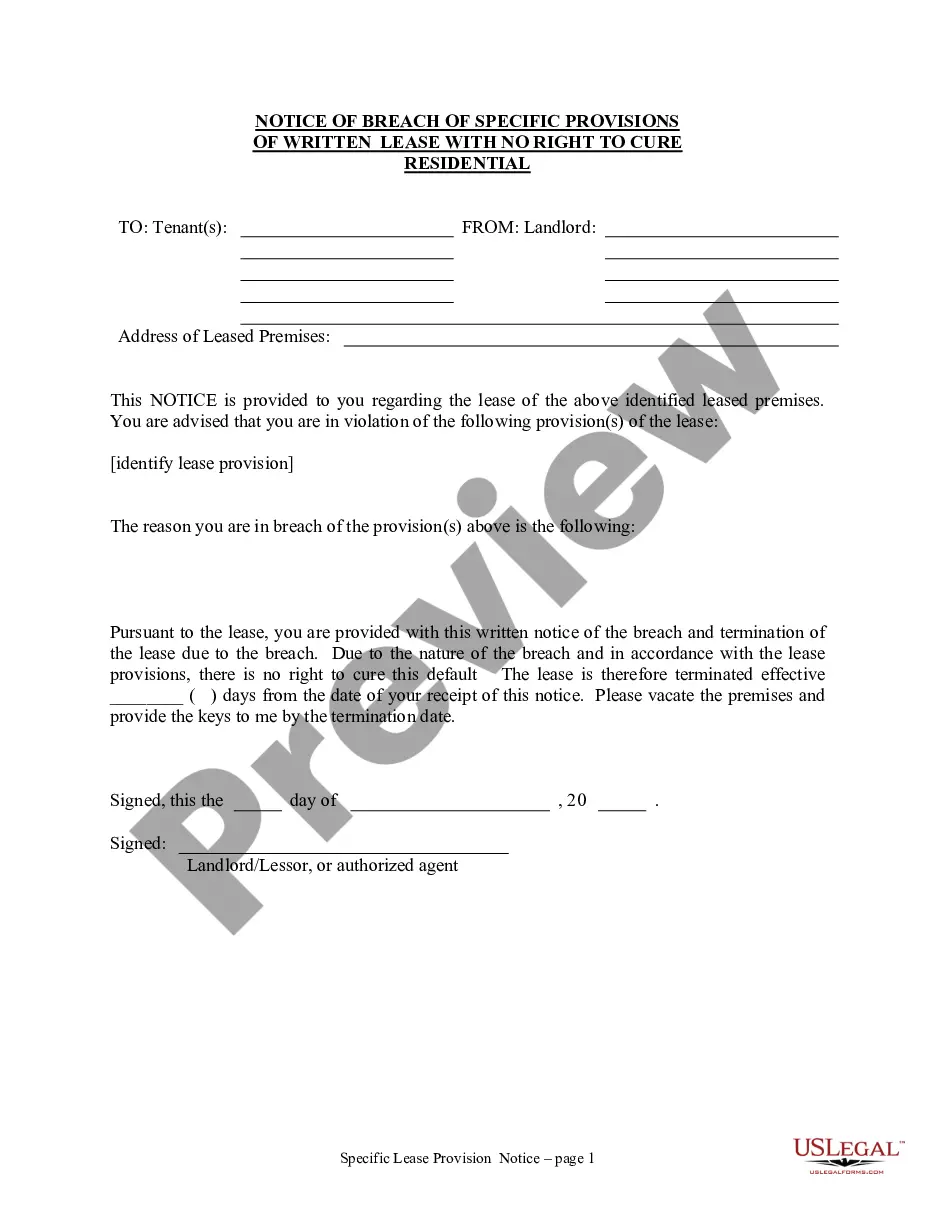
Apartment Lease With Cosigner In Houston
Description
Get your form ready online
Our built-in tools help you complete, sign, share, and store your documents in one place.
Make edits, fill in missing information, and update formatting in US Legal Forms—just like you would in MS Word.
Download a copy, print it, send it by email, or mail it via USPS—whatever works best for your next step.
Sign and collect signatures with our SignNow integration. Send to multiple recipients, set reminders, and more. Go Premium to unlock E-Sign.
If this form requires notarization, complete it online through a secure video call—no need to meet a notary in person or wait for an appointment.
We protect your documents and personal data by following strict security and privacy standards.

Make edits, fill in missing information, and update formatting in US Legal Forms—just like you would in MS Word.

Download a copy, print it, send it by email, or mail it via USPS—whatever works best for your next step.

Sign and collect signatures with our SignNow integration. Send to multiple recipients, set reminders, and more. Go Premium to unlock E-Sign.

If this form requires notarization, complete it online through a secure video call—no need to meet a notary in person or wait for an appointment.

We protect your documents and personal data by following strict security and privacy standards.
Looking for another form?
Form popularity
FAQ
A cosigner could help you get approved for an apartment if you don't meet your landlord's financial requirements.
A cosigner can be a person who lives in the apartment, such as a roommate or partner, but they can also live elsewhere and simply step up financially if you fall short. A cosigner will need to meet a few general qualifications, including: A good credit score, usually a score of 720 or above.
Although requirements can vary by lender, a cosigner typically needs to have good to excellent credit (670 and up) to cosign a loan or credit line. Lenders look at a cosigner's credit score and report as well as their income and assets to determine whether they qualify for a loan.
Most landlords seek credit scores of 650 or higher as a sign of tenant responsibility. Applicants with scores below 600 may face additional hurdles in securing approval. Exact minimum thresholds vary widely depending on factors like the type of apartment, current occupancy rates, and the landlord's discretion.
Put simply, a cosigner is a person who can guarantee a loan or a lease for a borrower who has poor credit or no credit. If the lender thinks you are a risk for their investment, a cosigner can help you get approved.
There are other issues with cosigners that affect tenants and landlords negatively but adjudicators nullifying their financial guarantees is the primary reason that landlords avoid them.
That safety net makes it easier for a hopeful tenant to get approved for an apartment, especially if they don't have a strong rental history or an income that meets the landlord's requirements. The most common example is a parent co-signing for their child's first apartment since the child has no rental history.
A cosigner signs the lease agreement like the tenant does; therefore, you must screen cosigners as thoroughly as you screen your tenants. All potential cosigners should fill out a rental application, provide proof of income, and agree to submit a credit and background check if your state allows.
Have them fill out a rental application and run a credit check to ensure they're financially fit. Check state laws: Create a lease agreement in ance with the applicable state laws outlining the terms of the cosigner and their responsibility. Sign: Review the lease agreement with both parties before signing.
Have them fill out a rental application and run a credit check to ensure they're financially fit. Check state laws: Create a lease agreement in ance with the applicable state laws outlining the terms of the cosigner and their responsibility. Sign: Review the lease agreement with both parties before signing.