Housing With Lease In Florida
Description
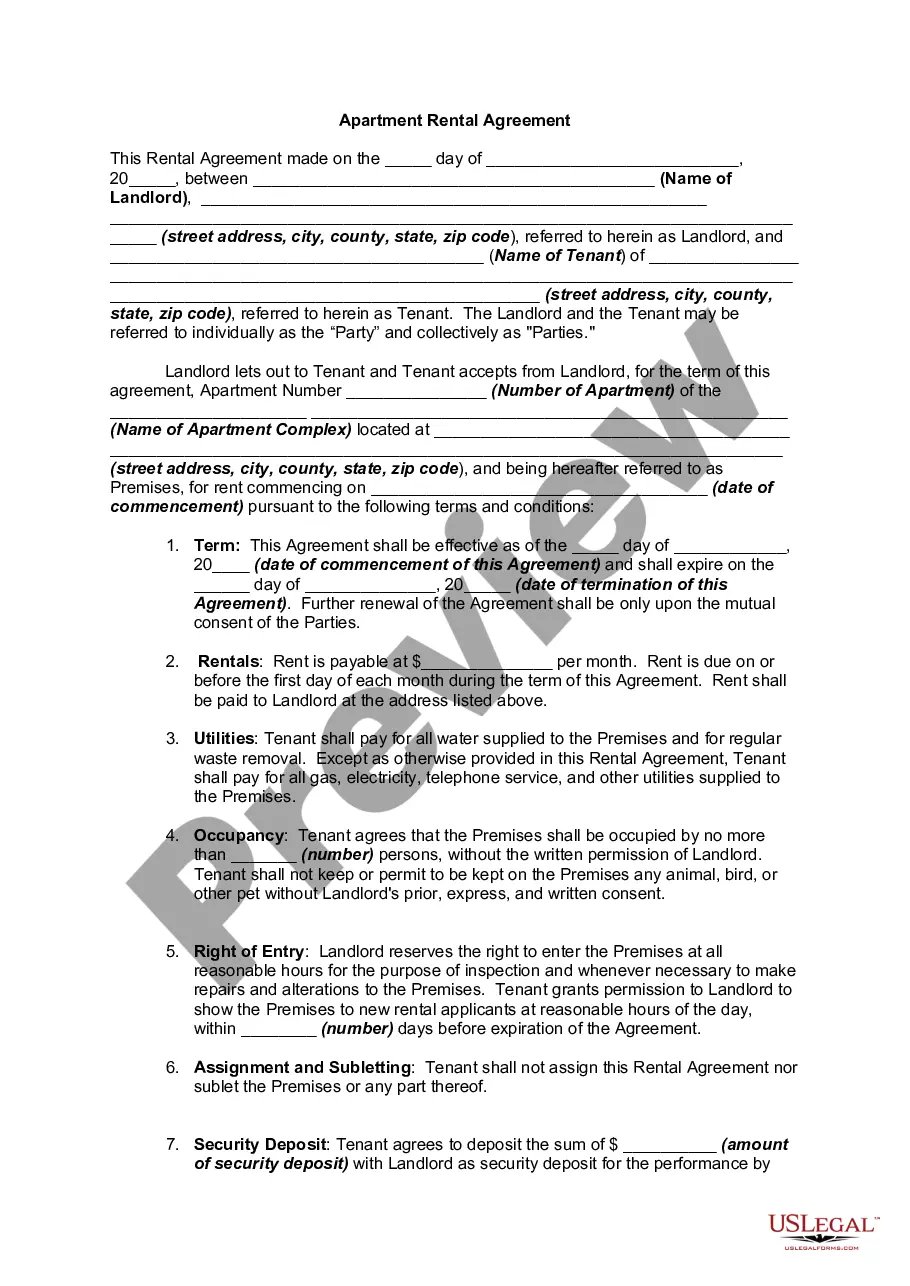
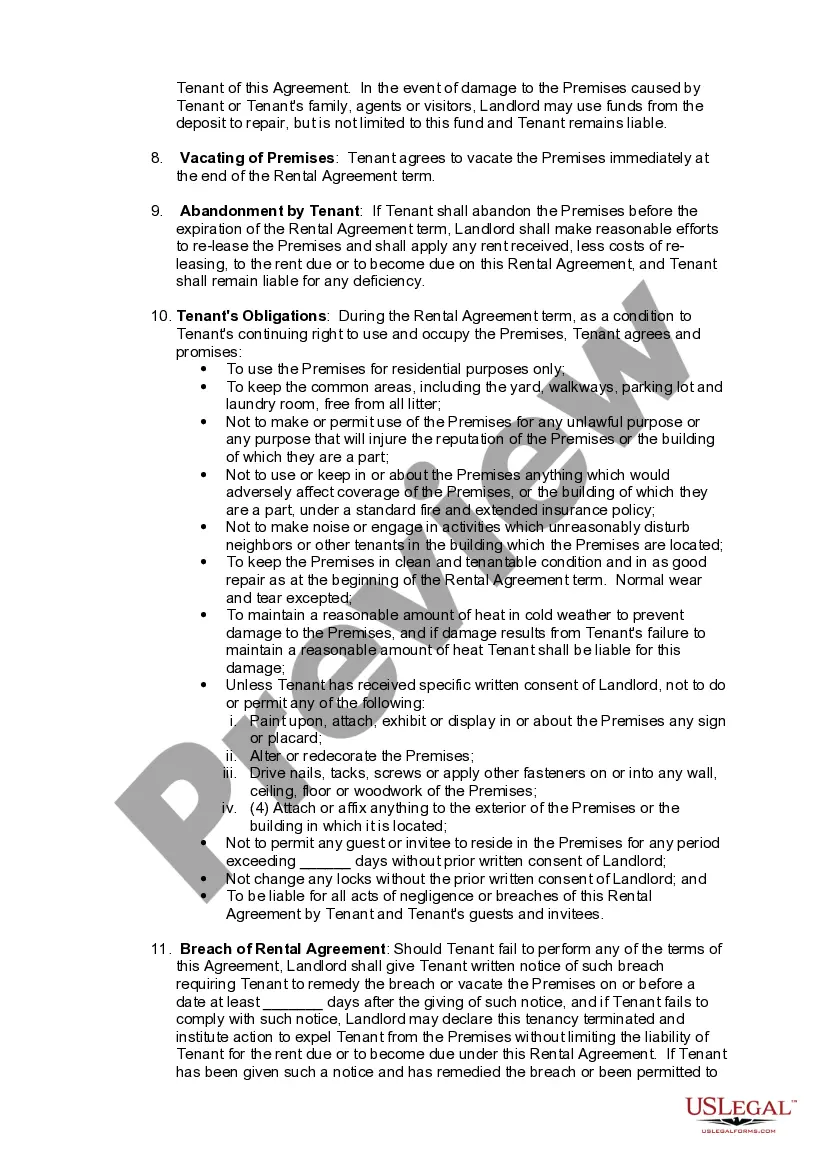
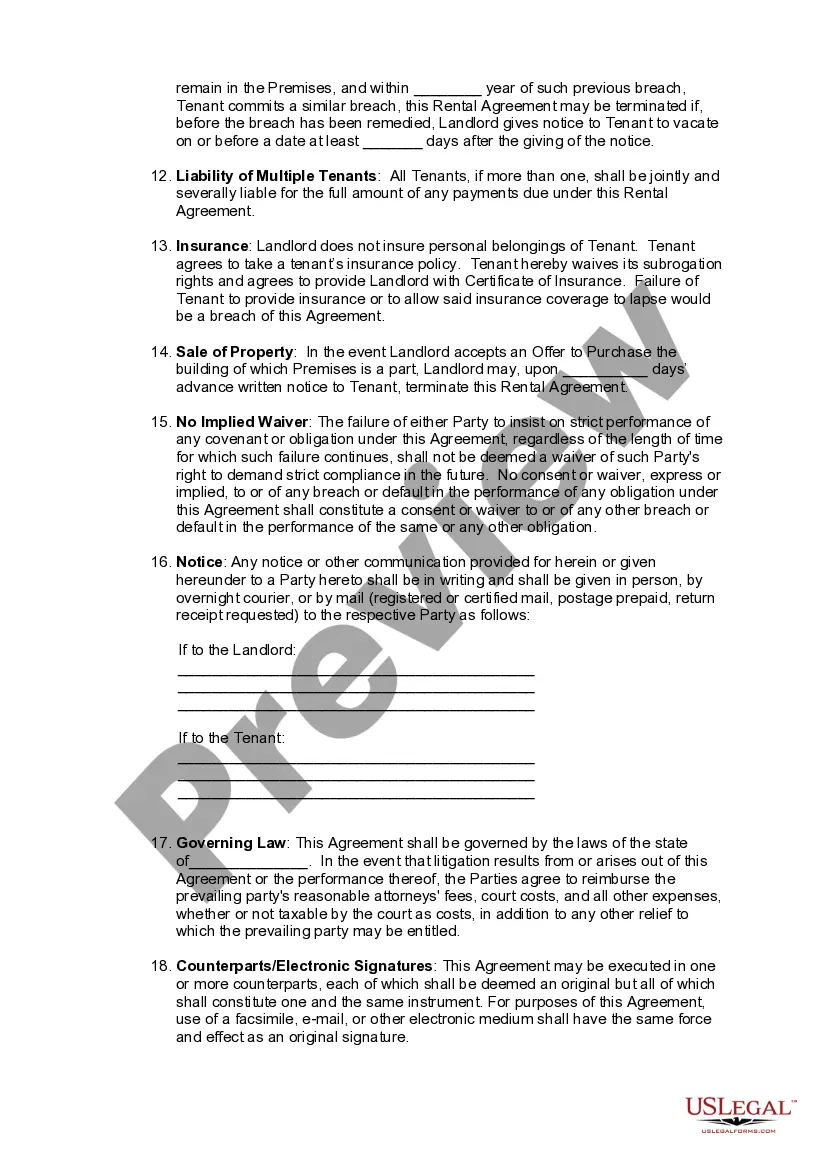
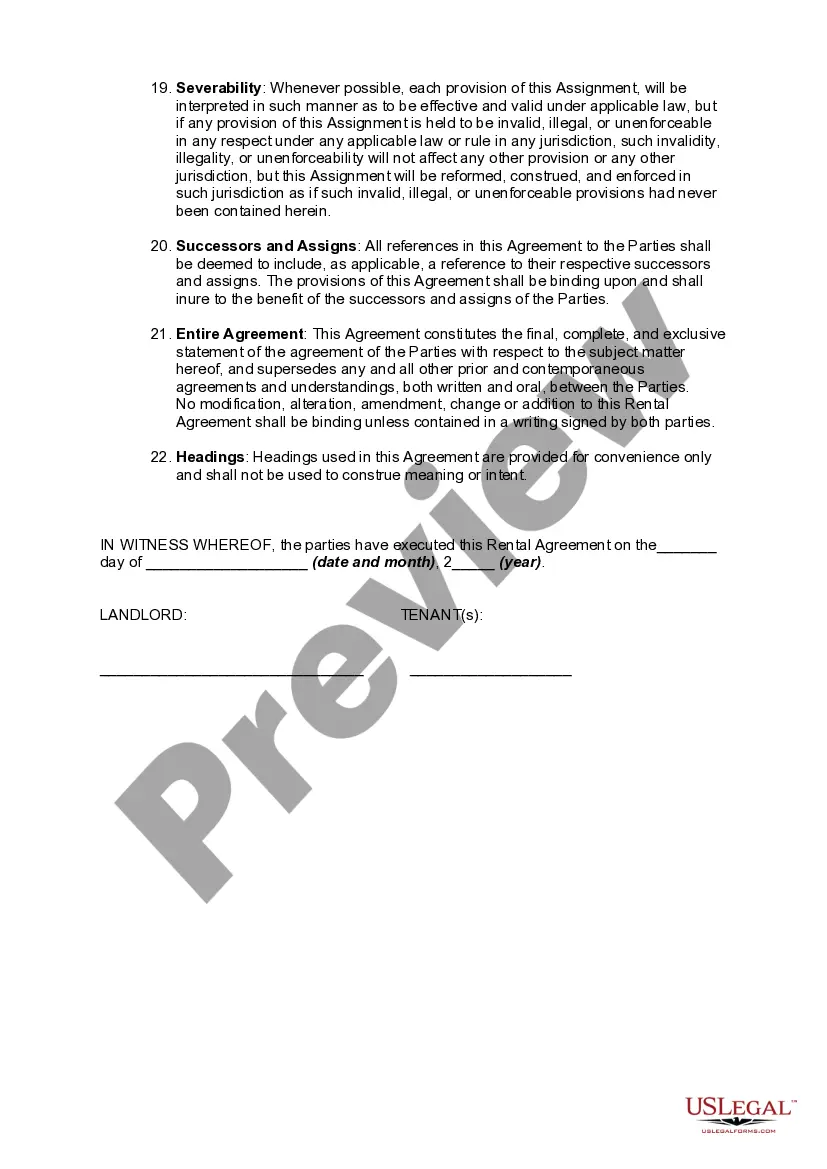
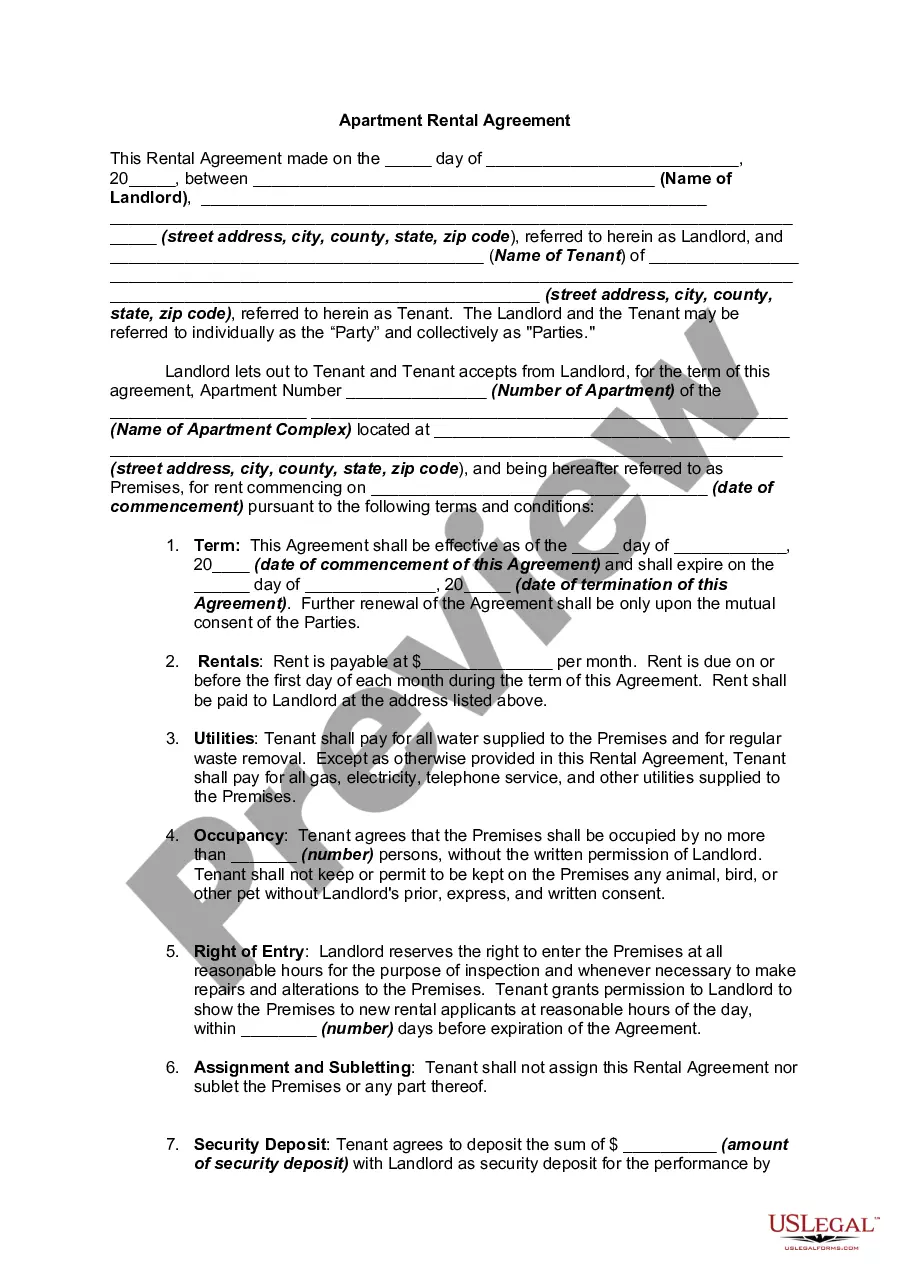
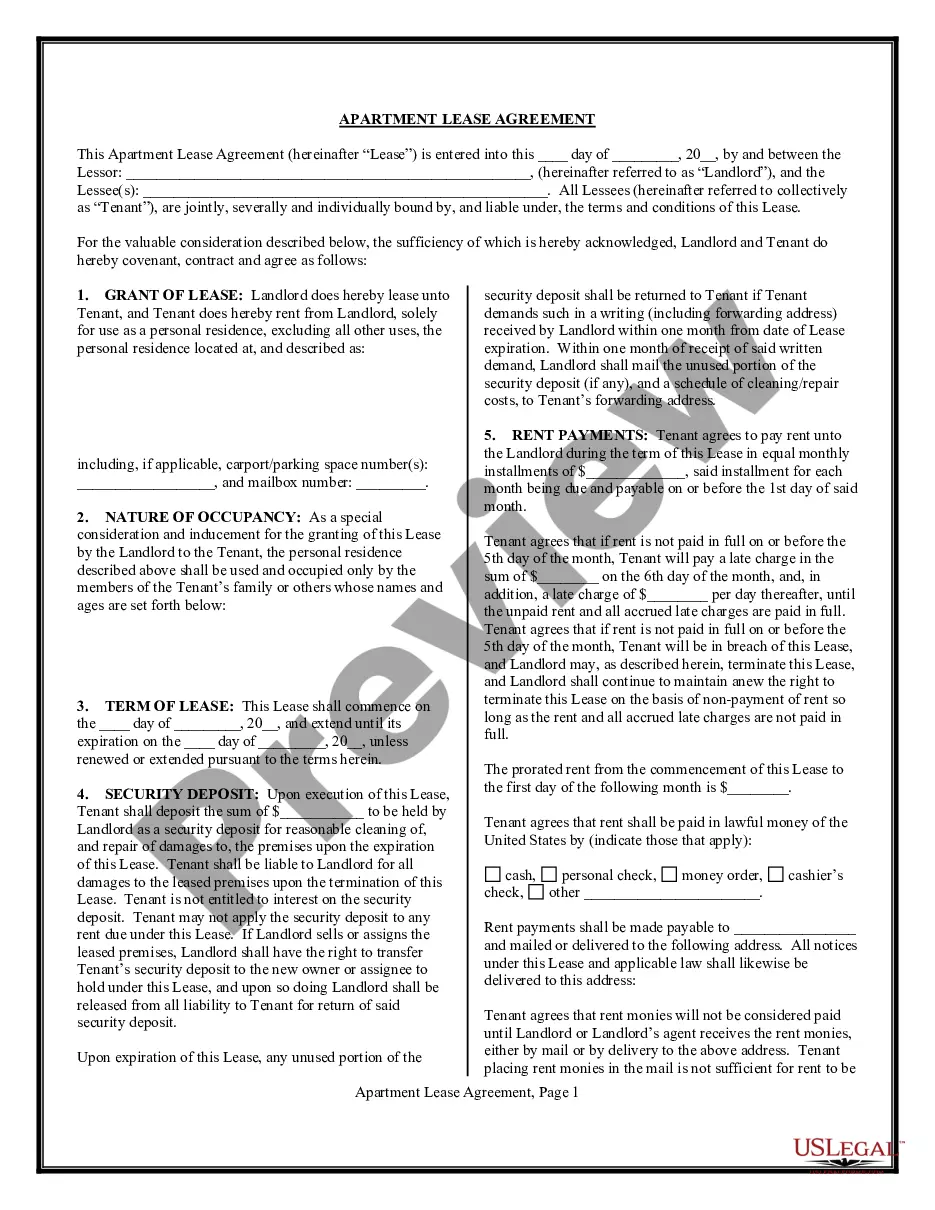
Get your form ready online
Our built-in tools help you complete, sign, share, and store your documents in one place.
Make edits, fill in missing information, and update formatting in US Legal Forms—just like you would in MS Word.
Download a copy, print it, send it by email, or mail it via USPS—whatever works best for your next step.
Sign and collect signatures with our SignNow integration. Send to multiple recipients, set reminders, and more. Go Premium to unlock E-Sign.
If this form requires notarization, complete it online through a secure video call—no need to meet a notary in person or wait for an appointment.
We protect your documents and personal data by following strict security and privacy standards.

Make edits, fill in missing information, and update formatting in US Legal Forms—just like you would in MS Word.

Download a copy, print it, send it by email, or mail it via USPS—whatever works best for your next step.

Sign and collect signatures with our SignNow integration. Send to multiple recipients, set reminders, and more. Go Premium to unlock E-Sign.

If this form requires notarization, complete it online through a secure video call—no need to meet a notary in person or wait for an appointment.

We protect your documents and personal data by following strict security and privacy standards.
Looking for another form?


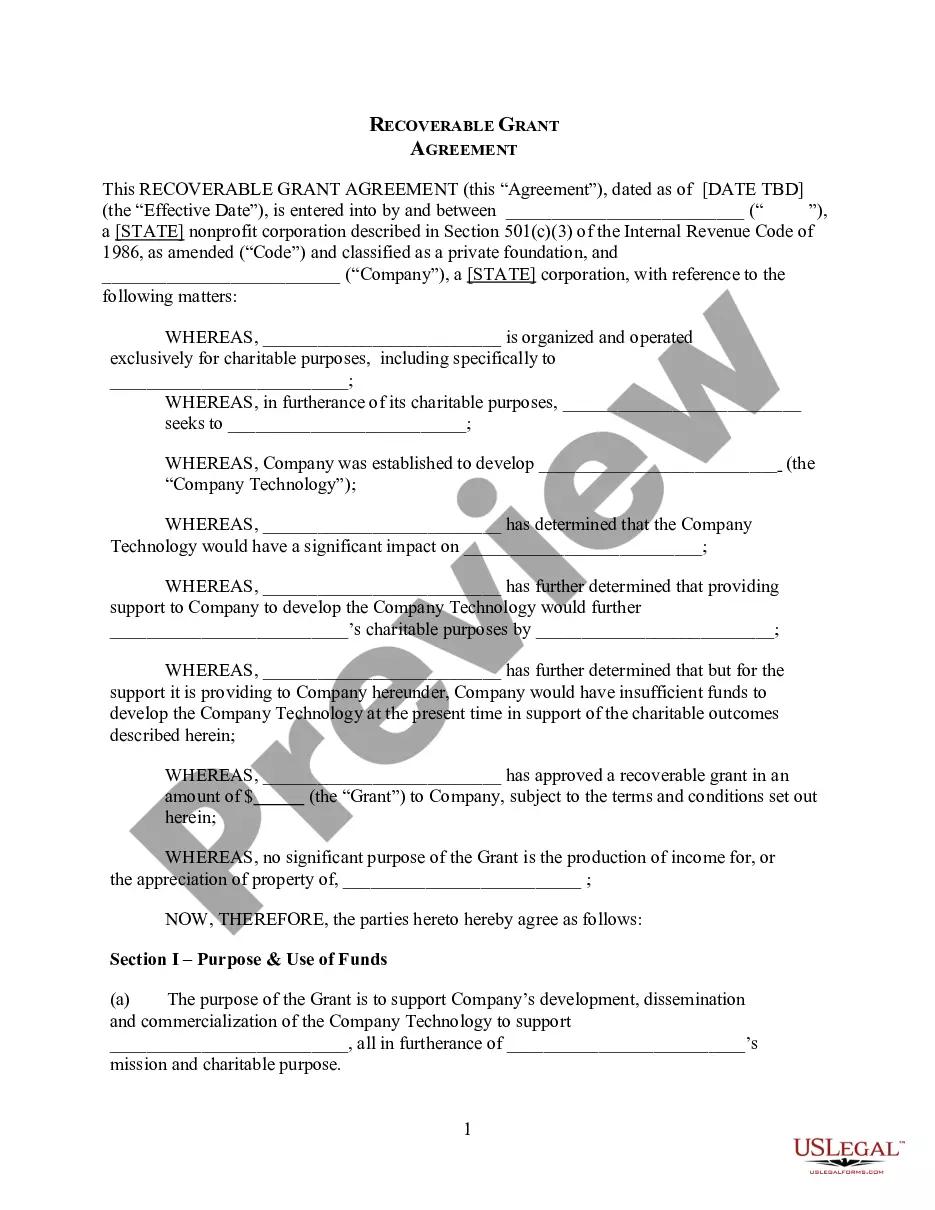
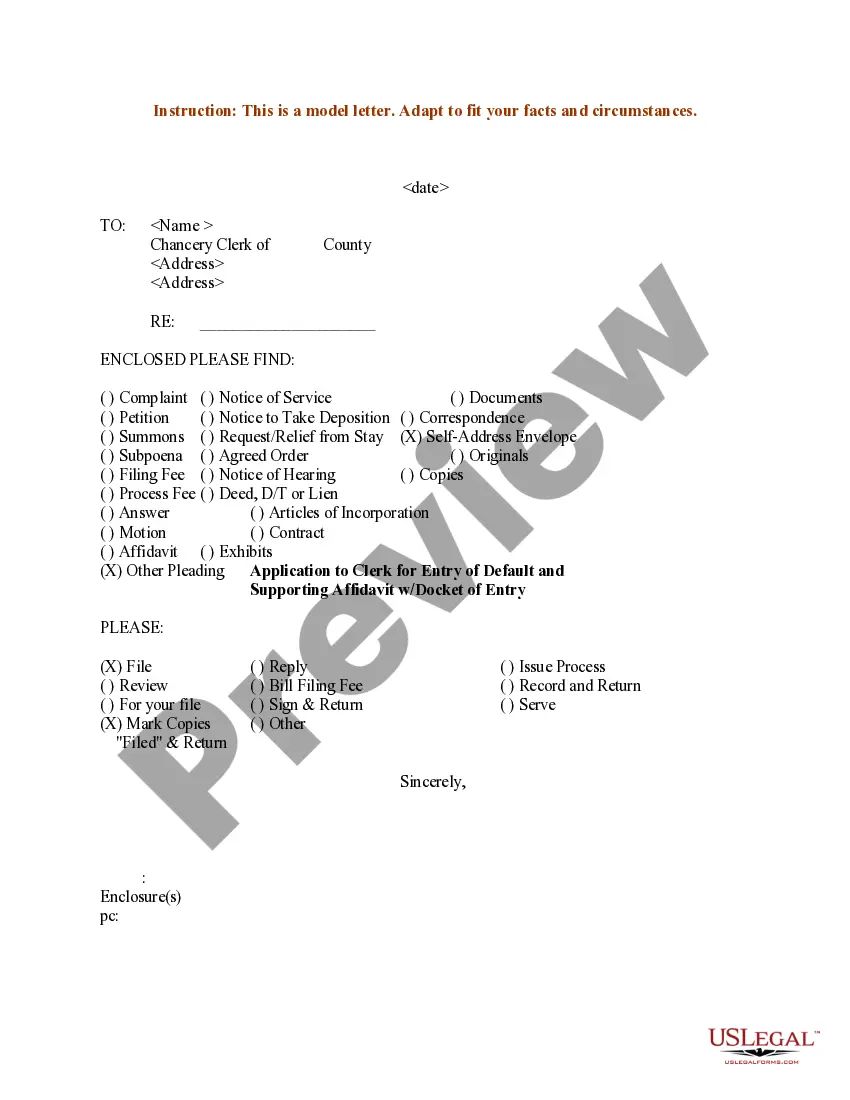



Form popularity
FAQ
Given the stakes, it's common for property owners to consider whether they can draft this document themselves. While it is legally possible to write your own commercial lease agreement in Florida, doing so involves careful consideration of legal, business, and practical factors.
Here are 16 steps on how to make a lease agreement: Include the contact information of both parties. Include property details. Outline property utilities and services. Define the lease term. Disclose the monthly rent amount and due date. Detail the penalties and late fees. Describe any additional or services fees.
Does a Florida lease need to be notarized? Florida leases do not need to be notarized.
How to fill out the Florida Residential Lease Agreement Instructions? Gather information for both the landlord and tenant. Fill in the property details including address and type. Indicate lease type and terms that suit both parties. Complete financial sections like rent and deposits.
The following are legal exemptions from the fair housing laws: Selling or renting out single-family houses without a real estate agent or broker. Selling or renting out owner-occupied properties that have four units or less. Private organizations and clubs that are exclusive to members only.
The Fair Housing Act covers most housing. In some circumstances, the Act exempts owner-occupied buildings with no more than four units, single-family housing sold or rented without the use of a broker, and housing operated by organizations and private clubs that limit occupancy to members.
It is against the law to do any of the following based on race, color, national origin, sex, handicap, familial status, or religion: Refuse to rent or sell housing. Falsely deny that housing is available for inspection, rental or sale. Refuse to make a mortgage loan.
Most landlords seek credit scores of 650 or higher as a sign of tenant responsibility. Applicants with scores below 600 may face additional hurdles in securing approval. Exact minimum thresholds vary widely depending on factors like the type of apartment, current occupancy rates, and the landlord's discretion.
In general, the income eligible household is said to be living in affordable housing when it spends no more than 30% of its income on either rent or mortgage payments. Affordable housing is defined in terms of the income of the people living in the home. The household must be income eligible.
(2) It is unlawful to discriminate against any person in the terms, conditions, or privileges of sale or rental of a dwelling, or in the provision of services or facilities in connection therewith, because of race, color, national origin, sex, handicap, familial status, or religion.
