Contrato Apartamento Formula In Fairfax
Description
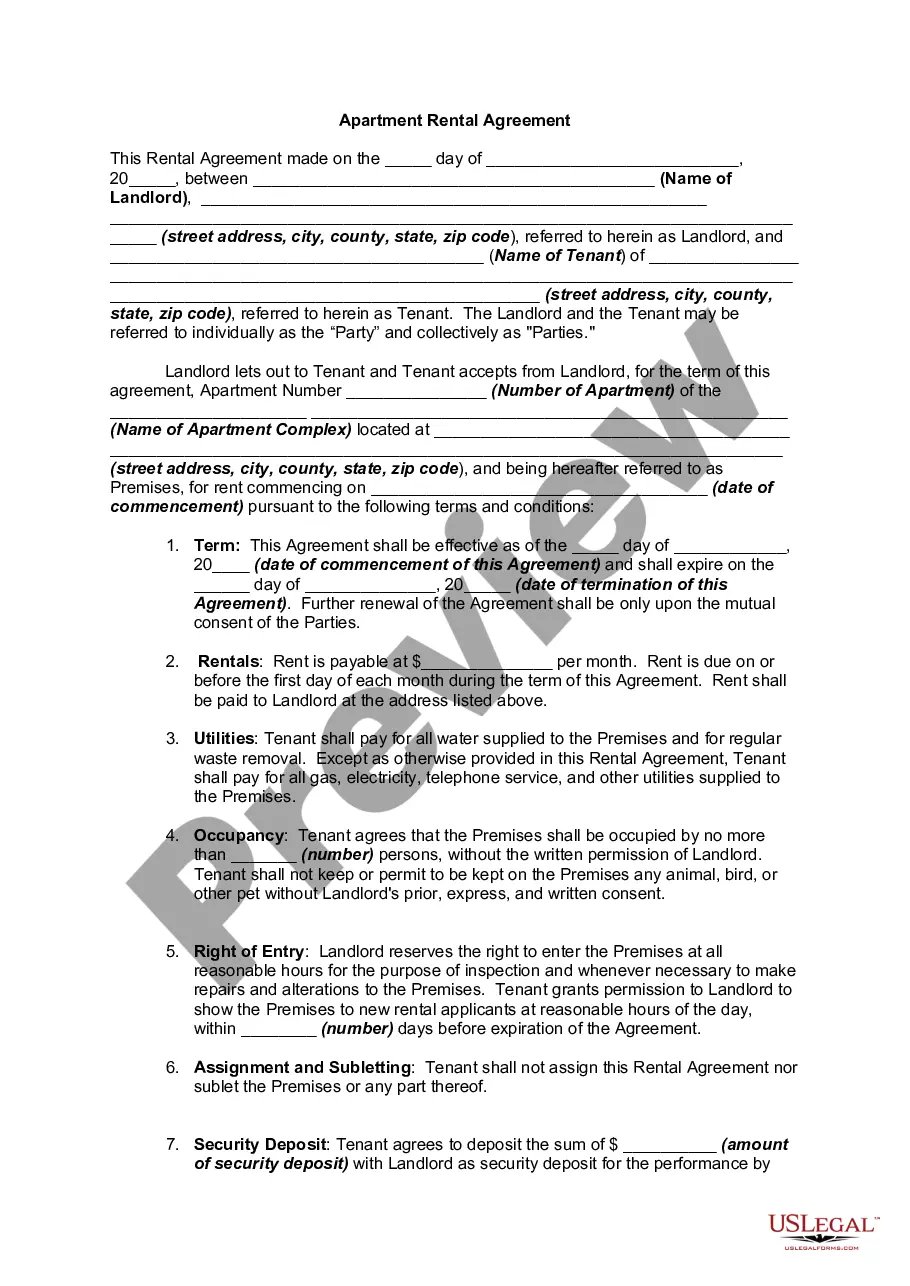
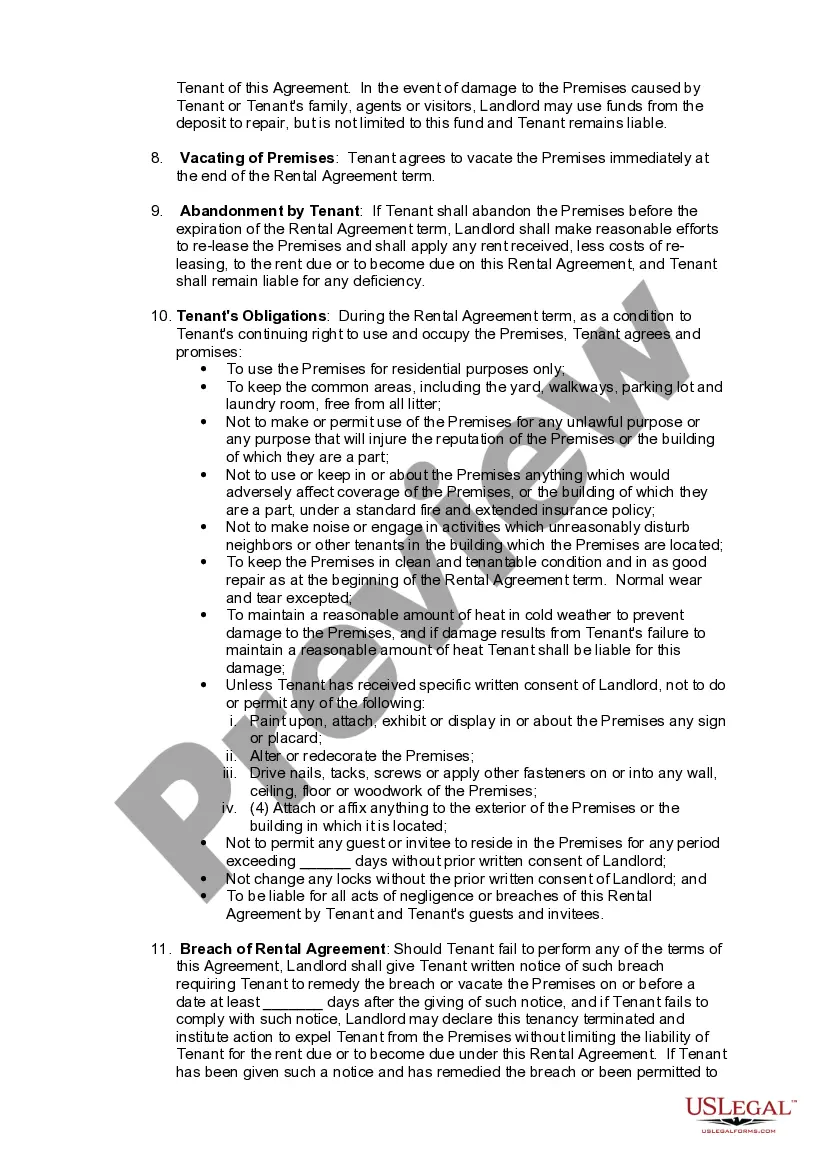
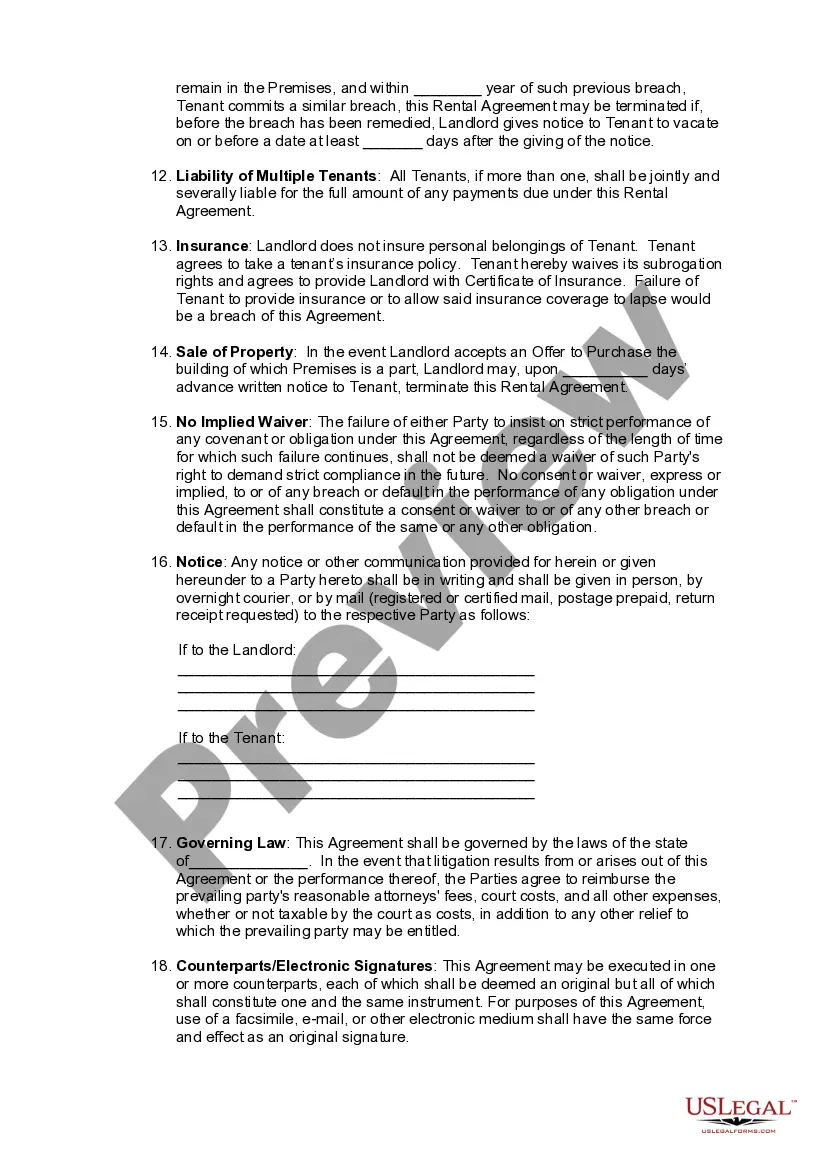
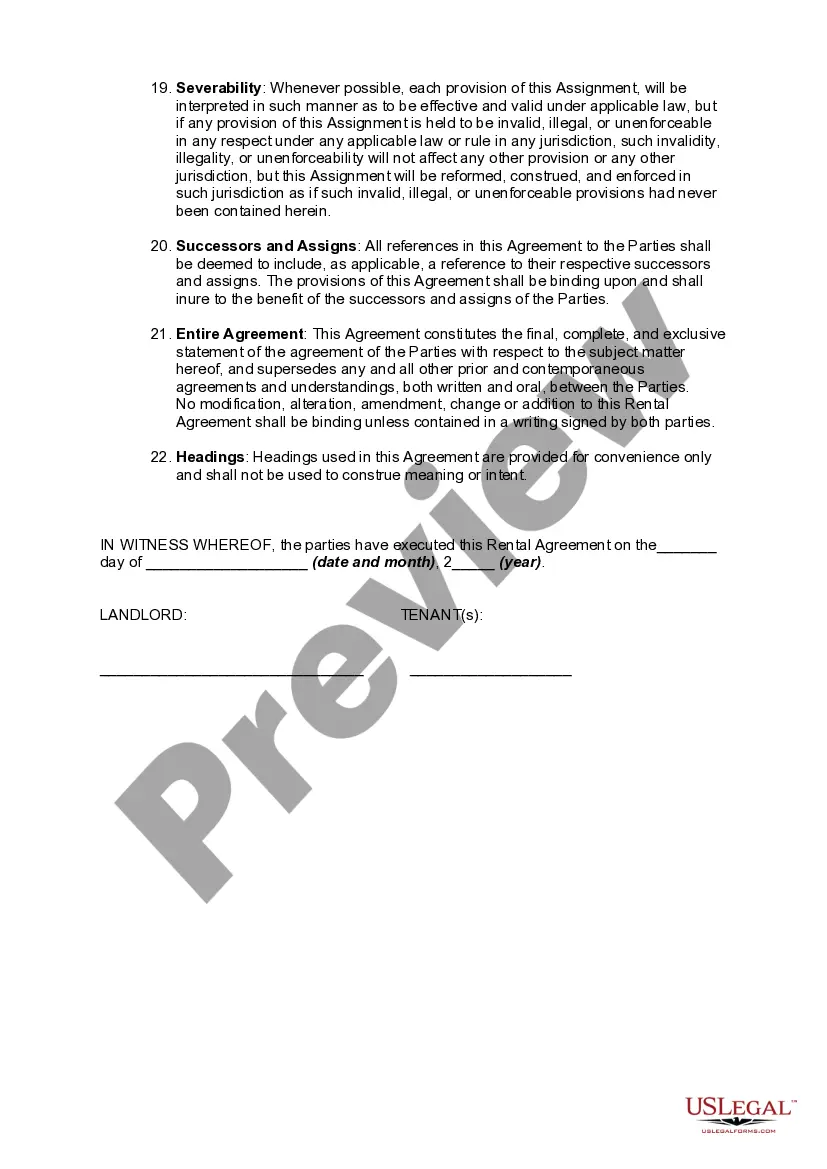
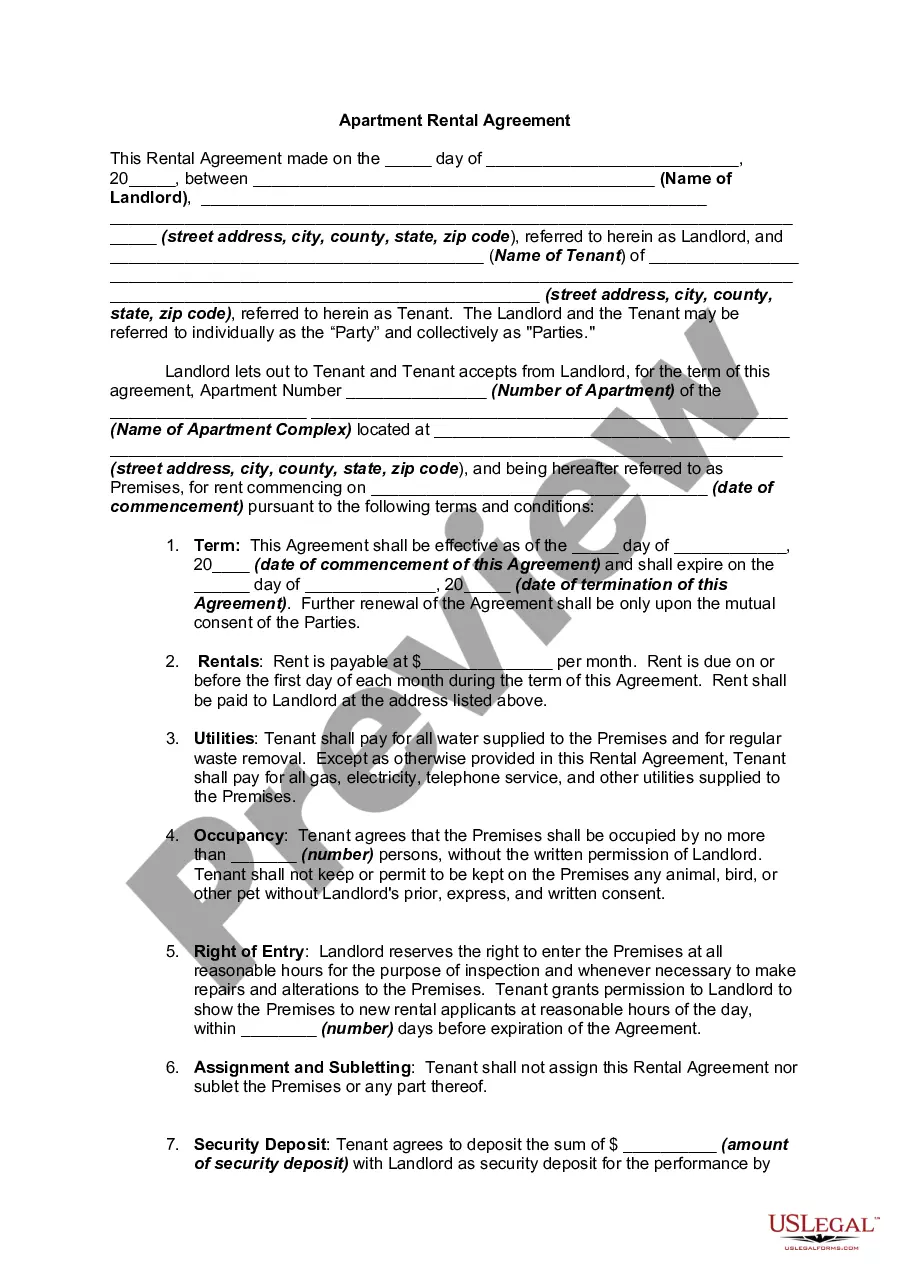
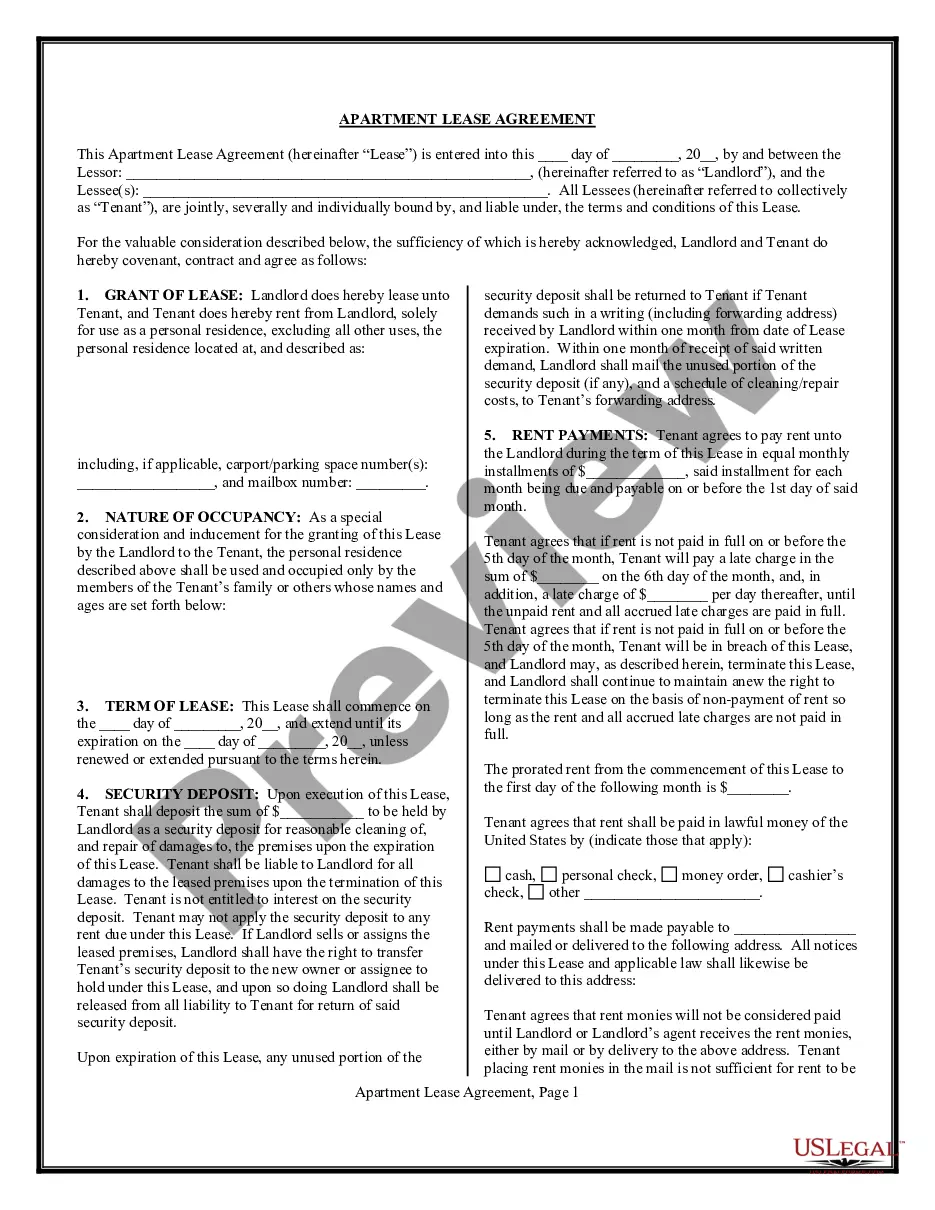
Get your form ready online
Our built-in tools help you complete, sign, share, and store your documents in one place.
Make edits, fill in missing information, and update formatting in US Legal Forms—just like you would in MS Word.
Download a copy, print it, send it by email, or mail it via USPS—whatever works best for your next step.
Sign and collect signatures with our SignNow integration. Send to multiple recipients, set reminders, and more. Go Premium to unlock E-Sign.
If this form requires notarization, complete it online through a secure video call—no need to meet a notary in person or wait for an appointment.
We protect your documents and personal data by following strict security and privacy standards.

Make edits, fill in missing information, and update formatting in US Legal Forms—just like you would in MS Word.

Download a copy, print it, send it by email, or mail it via USPS—whatever works best for your next step.

Sign and collect signatures with our SignNow integration. Send to multiple recipients, set reminders, and more. Go Premium to unlock E-Sign.

If this form requires notarization, complete it online through a secure video call—no need to meet a notary in person or wait for an appointment.

We protect your documents and personal data by following strict security and privacy standards.
Looking for another form?






Form popularity
FAQ
The address of the Land Records Division is: Fairfax Circuit Court, 4110 Chain Bridge Road, Suite 317, Fairfax, VA 22030. The telephone number is 703/691-7320 (press 3, then 3). The office is open from a.m. – p.m. Monday through Friday.
Historic Land Records Research For information about researching current Fairfax Circuit Court Land Records and Deeds, please visit the Land Records Research Room page or contact the Land Records Division at 703-691-7320 (press 3, then 4) (TTY 711).
You may view your tax information online or request a copy of the bill by emailing DTARCD@fairfaxcounty or calling 703-222-8234, TTY 711.
Once it is signed by both the landlord and the tenant, the lease is a legally binding contract. If you have any questions about anything in this lease, you should talk to an attorney about the lease before you sign it.
Handwritten contracts are legally binding if they meet the necessary conditions that apply to all contracts: mutual agreement, capacity, consideration, and legal validity.
Once a lease is signed by both the tenant and the landlord, it becomes a legally binding contract. The terms of the lease for whatsoever reason should not be unilaterally changed by the landlord or property manager without the tenant's consent. Doing so would constitute a breach of the lease agreement.
The rental lease agreement is a formal contract between a tenant and a property owner, or a representative of the owner, like a property manager, outlining the terms and conditions for living at a rental property in exchange for rent. In order for a lease agreement to be valid, both parties must sign the contract.
Most contracts can be either written or oral and still be legally enforceable. However, some agreements must be in writing to constitute a binding agreement. Oral contracts are difficult to enforce.
Parties must voluntarily consent to be bound by the agreement without coercion or intimidation. If any party was compelled to enter into the contract against their will, it will invalidate the contract. To determine whether there is duress, you'll look at the effect of the action on the person's state of mind.
Here are 16 steps on how to make a lease agreement: Include the contact information of both parties. Include property details. Outline property utilities and services. Define the lease term. Disclose the monthly rent amount and due date. Detail the penalties and late fees. Describe any additional or services fees.
