Apartment Lease For A Month In Chicago
Description

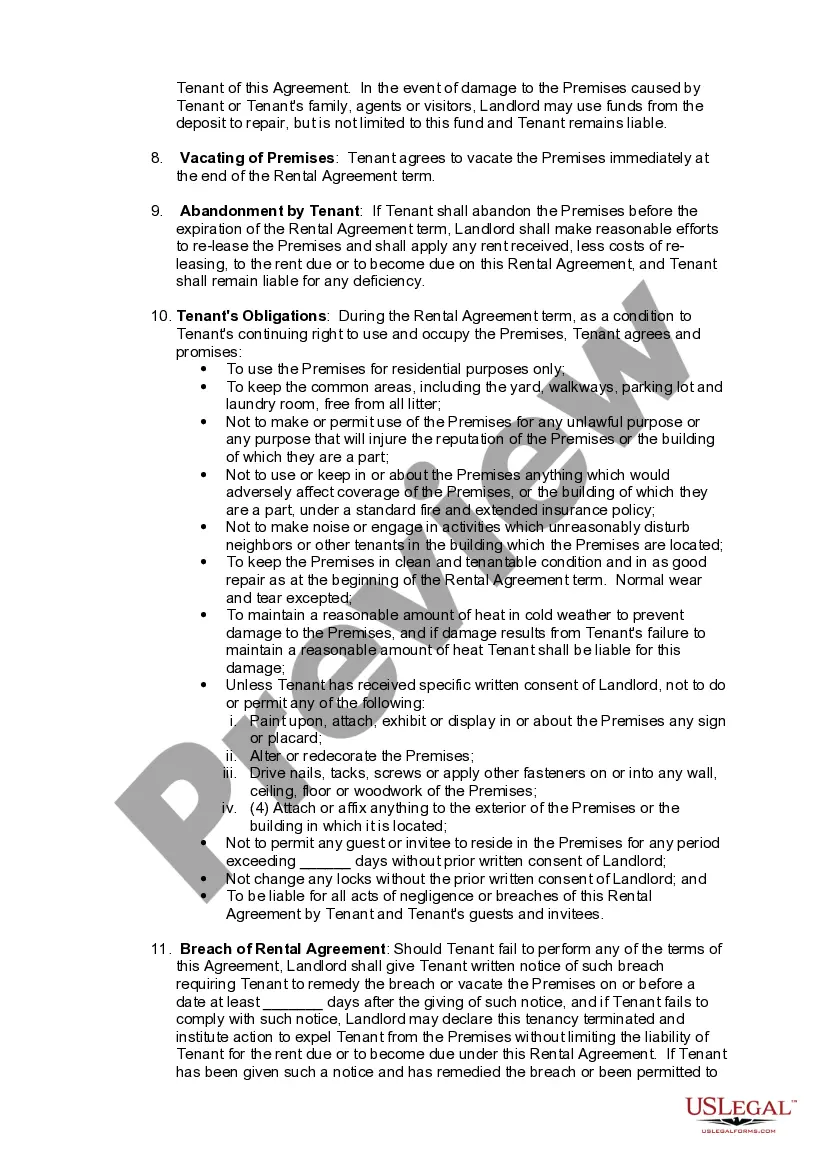
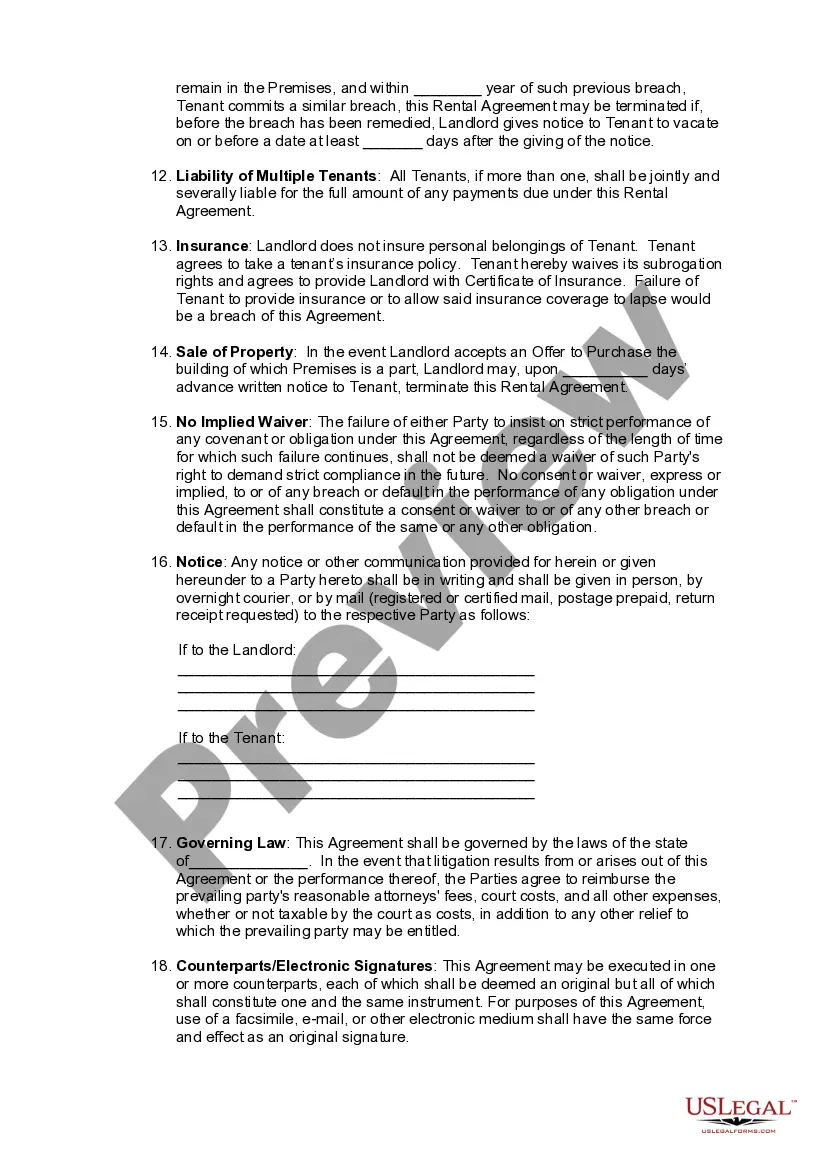
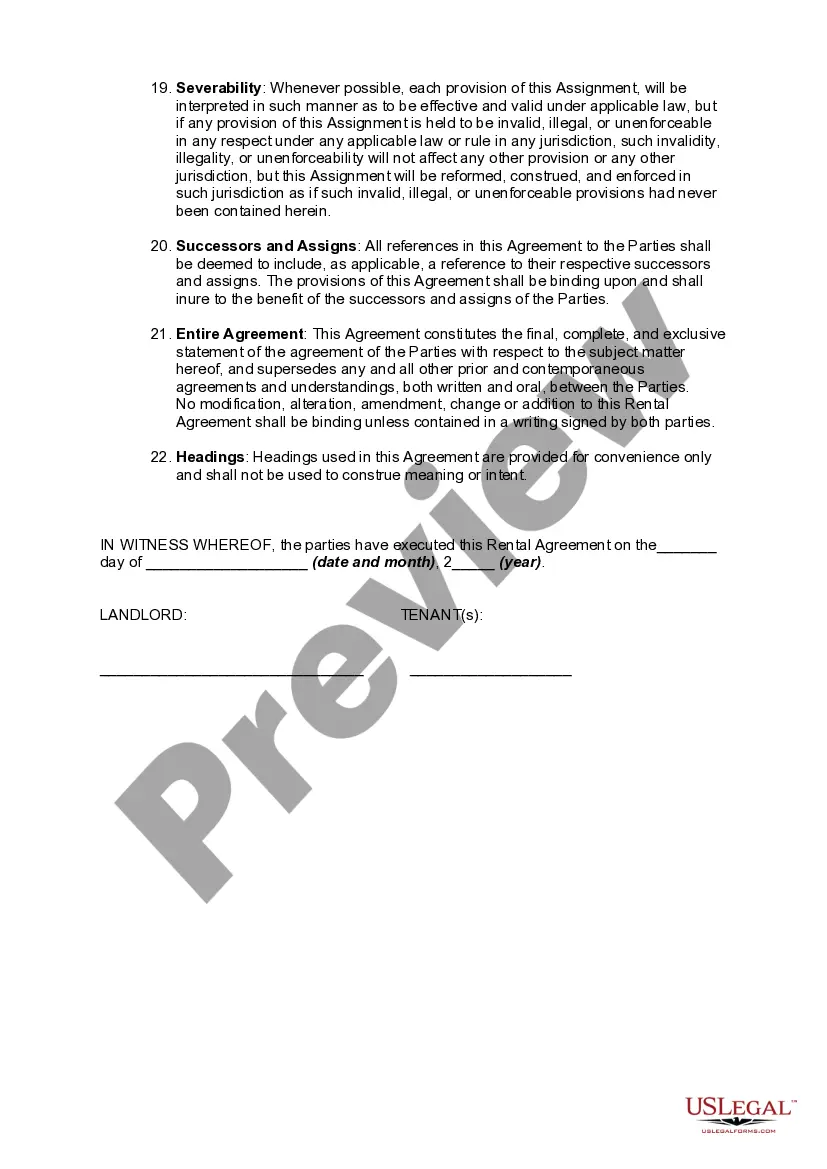
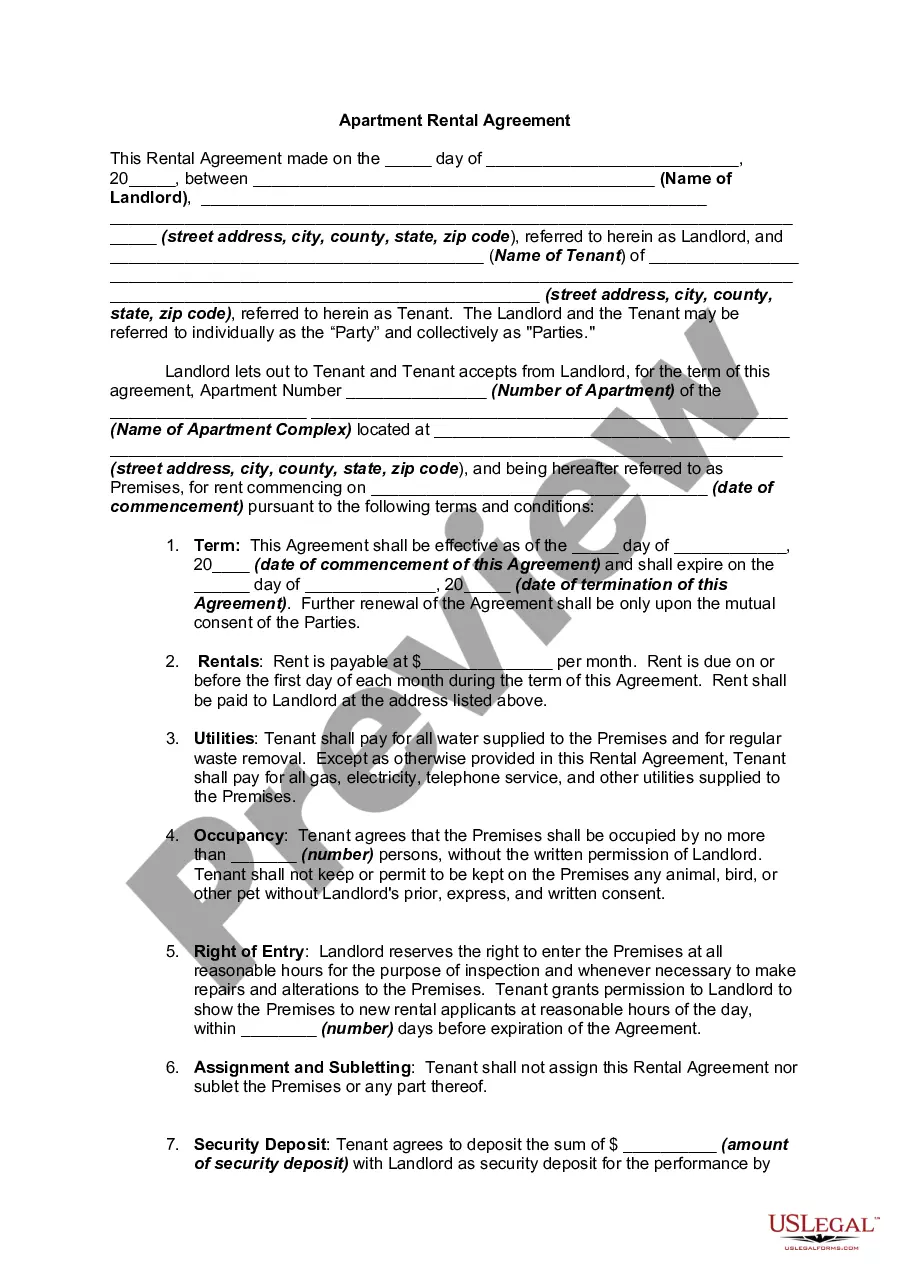
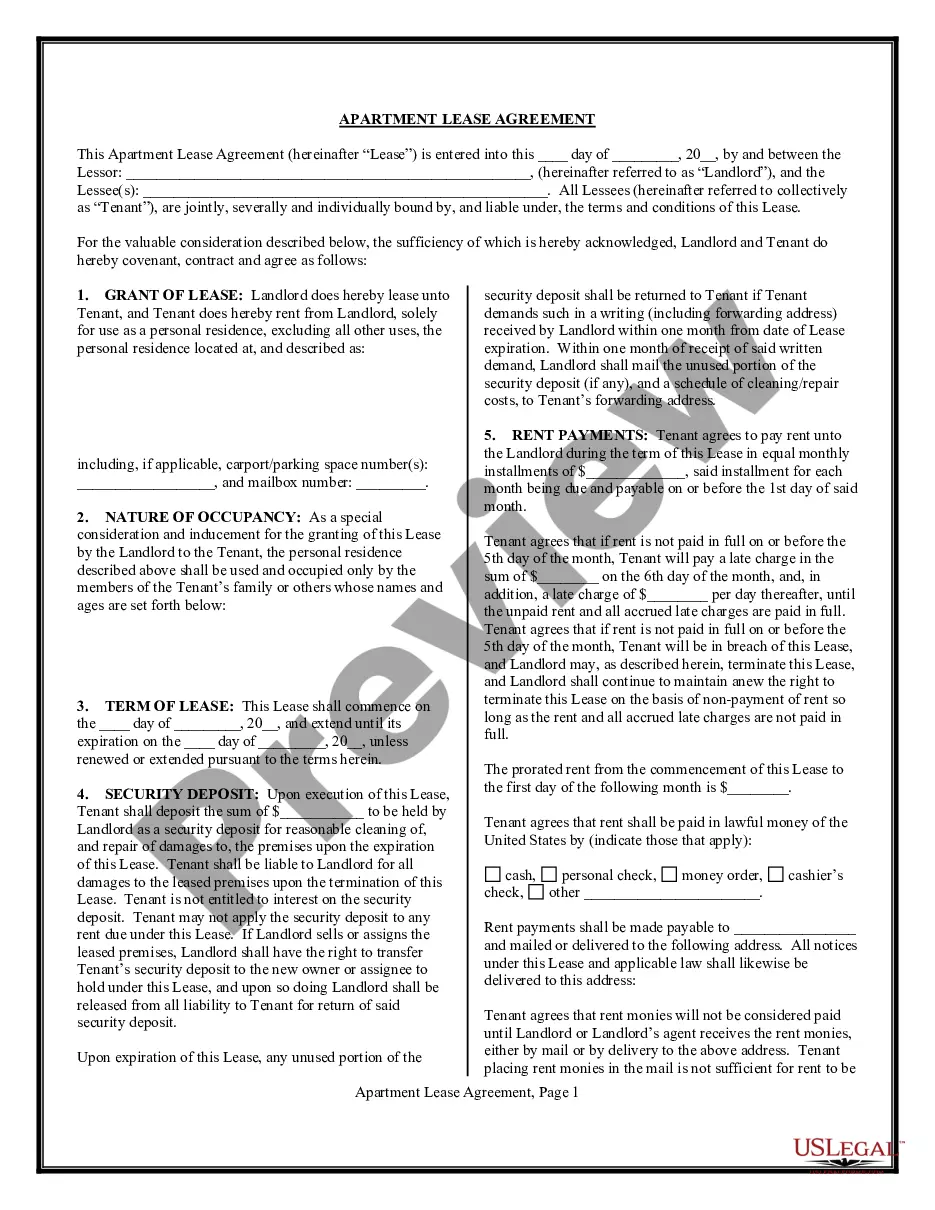
Get your form ready online
Our built-in tools help you complete, sign, share, and store your documents in one place.
Make edits, fill in missing information, and update formatting in US Legal Forms—just like you would in MS Word.
Download a copy, print it, send it by email, or mail it via USPS—whatever works best for your next step.
Sign and collect signatures with our SignNow integration. Send to multiple recipients, set reminders, and more. Go Premium to unlock E-Sign.
If this form requires notarization, complete it online through a secure video call—no need to meet a notary in person or wait for an appointment.
We protect your documents and personal data by following strict security and privacy standards.

Make edits, fill in missing information, and update formatting in US Legal Forms—just like you would in MS Word.

Download a copy, print it, send it by email, or mail it via USPS—whatever works best for your next step.

Sign and collect signatures with our SignNow integration. Send to multiple recipients, set reminders, and more. Go Premium to unlock E-Sign.

If this form requires notarization, complete it online through a secure video call—no need to meet a notary in person or wait for an appointment.

We protect your documents and personal data by following strict security and privacy standards.
Looking for another form?
Form popularity
FAQ
Limited legal protection: In some jurisdictions, tenants under month-to-month leases might have fewer legal protections compared to those with fixed-term leases. This can leave them more vulnerable to sudden eviction or other unfavorable changes in the rental agreement.
Yes, a month-to-month leases is typically more expensive than a 12-month rental agreement. Some landlords that offer short-term leases also have a tiered rental system based on lease length, with the longest leases providing the most savings (and the shortest leases commanding the highest rental prices).
It works in many cases but not for every property. Many rental agreements are for a fixed length ranging from three months too many years at a time. Long-term leases give landlords security for future income, while it provides tenants with certainty that they'll have the next residence.
The tenant cannot simply move out with no notice – doing so will often result in loss of a security deposit or even a lawsuit for unpaid rent. Terminating a month-to-month lease requires at least 30 days written notice and a termination date that falls at the end of a rental period (usually the end of the month).
30 days of notice to terminate a month-to-month tenancy, decline to renew your lease or raise your rent if you have lived in your apartment for less than six months. 60 days of notice for the same if you have lived in your apartment for more than six months but less than three years.
After a standard one year lease, most landlords will either let the lease expire, in which case it will default to a month to month rental agreement or have their tenant sign another lease.
When your lease is ready to expire, notify your landlord ahead of time that you want to be month to month or, at the most, a three month lease. If he does not agree, you can make your own choice as to what to do.
Month-to-month leases do provide some benefits over fixed term leases, but what's best for you depends on your situation and needs. The biggest advantages revolve around the flexibility that a month to month lease offers. The lease automatically renews each month, meaning you could theoretically stay there forever.
How to Rent an Apartment in One Month: 7 Tips for a Quick Move-In Plan ahead — and do it thoroughly. Get your online search on, but also keep an eye on offline listings. Word of mouth is underrated, so let all your friends know you're apartment hunting. Prepare your documents in advance. Stay flexible.
