Power Of Attorney Delegating Parental Powers For Minor Child
Description
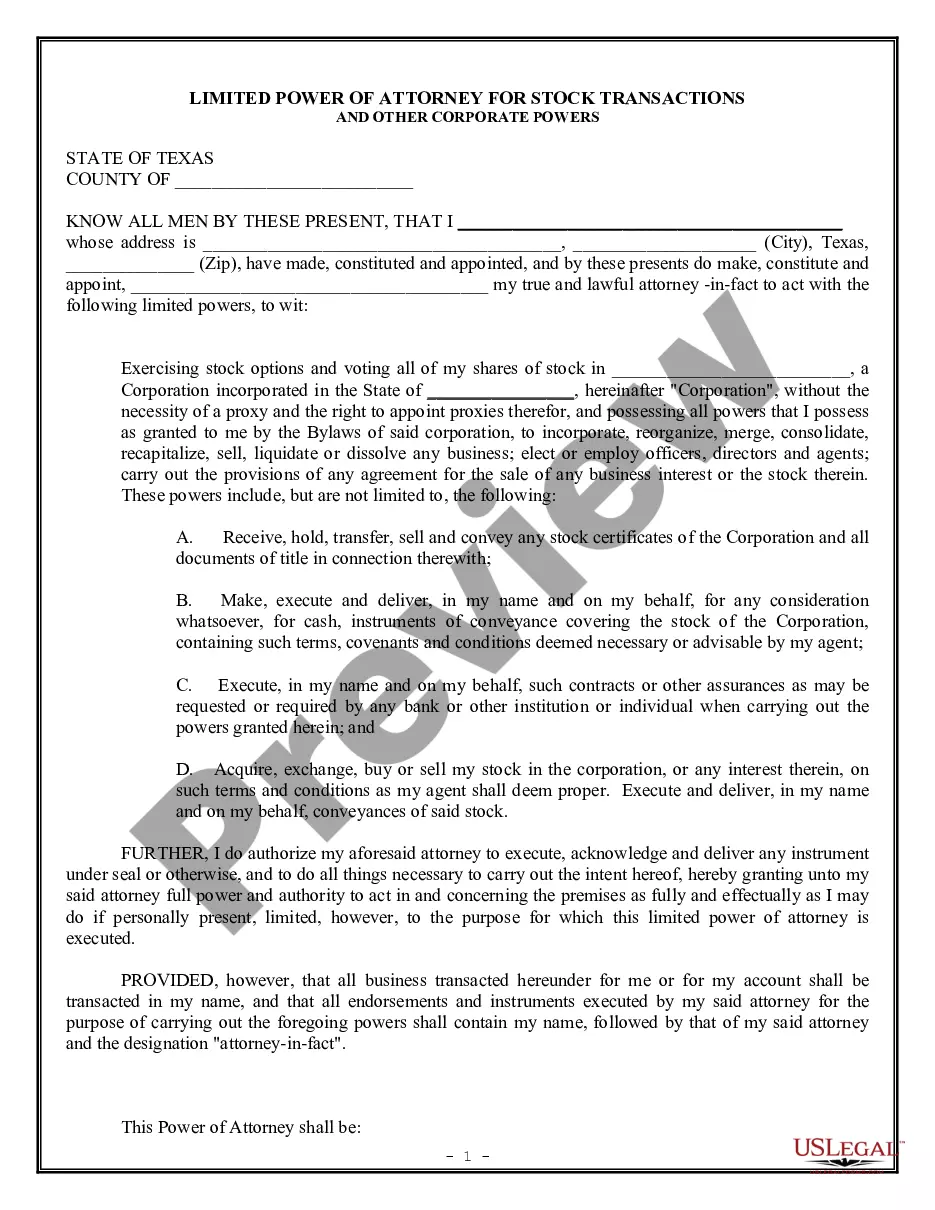
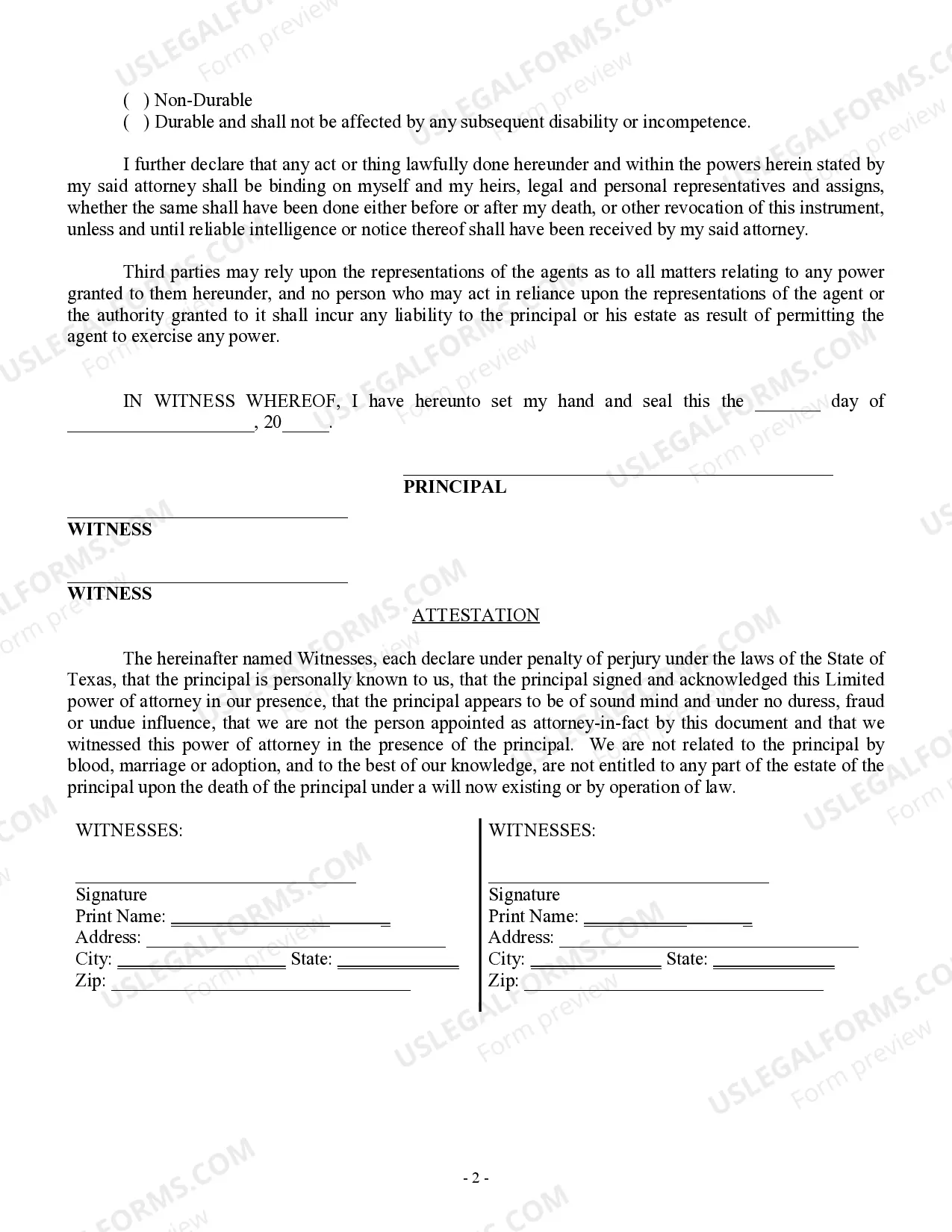
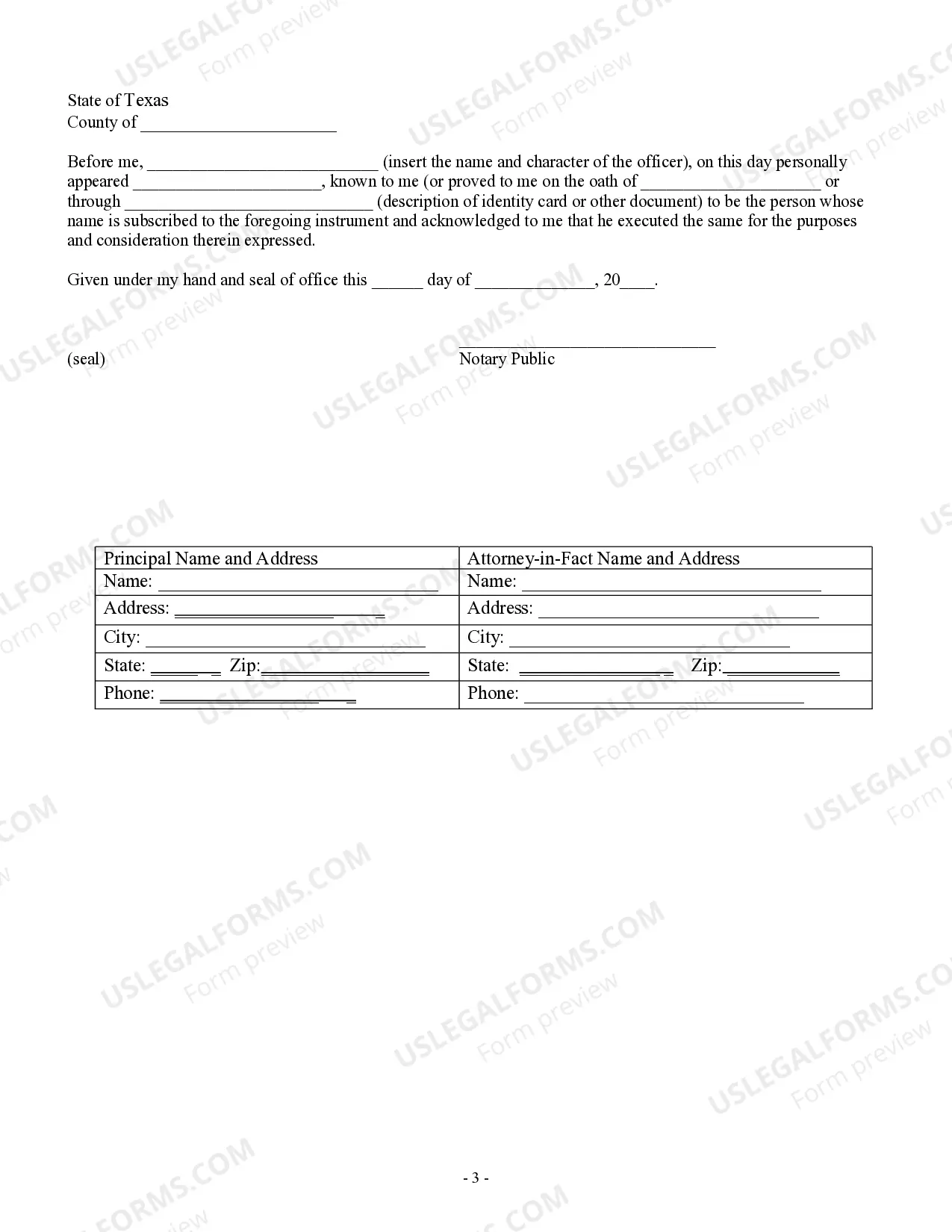
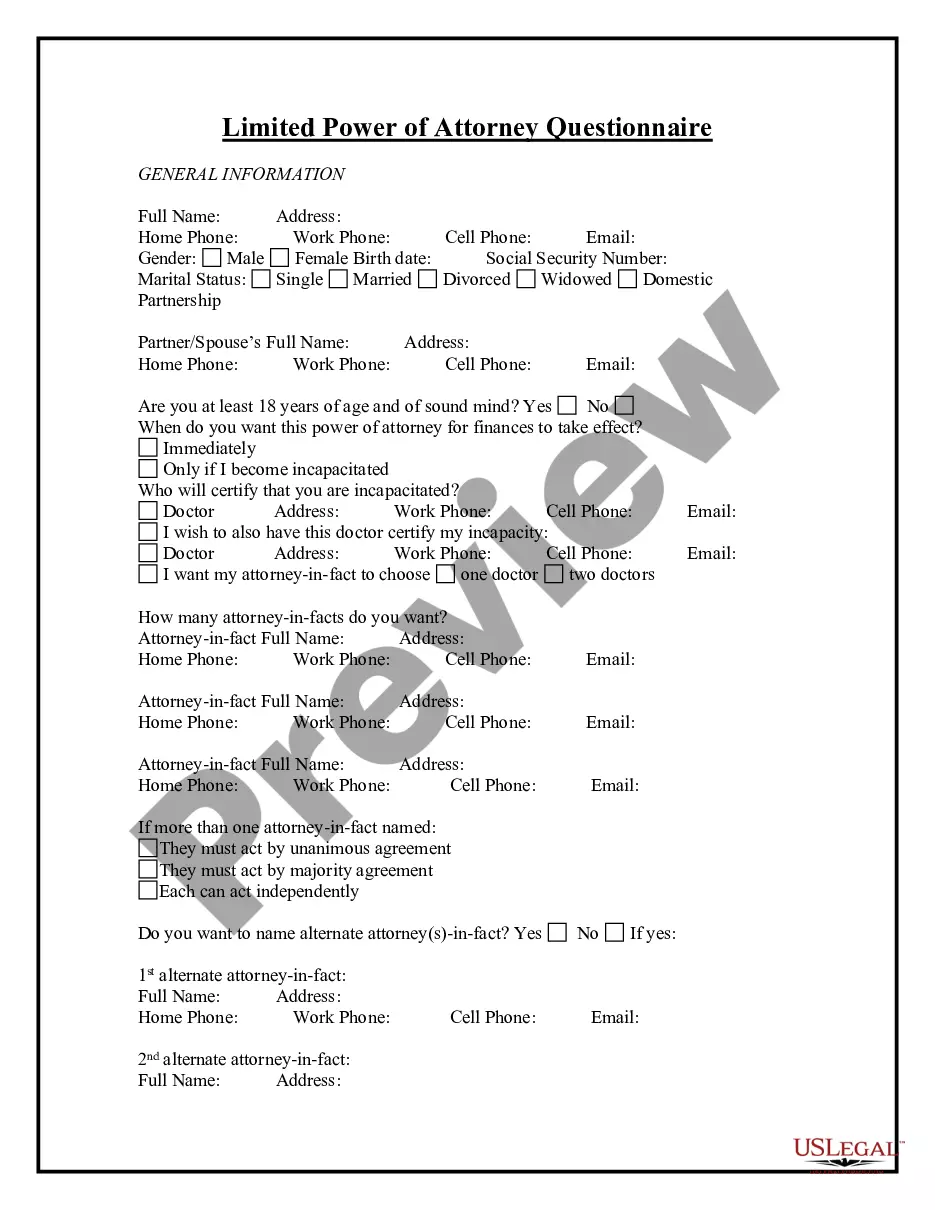
Get your form ready online
Our built-in tools help you complete, sign, share, and store your documents in one place.
Make edits, fill in missing information, and update formatting in US Legal Forms—just like you would in MS Word.
Download a copy, print it, send it by email, or mail it via USPS—whatever works best for your next step.
Sign and collect signatures with our SignNow integration. Send to multiple recipients, set reminders, and more. Go Premium to unlock E-Sign.
If this form requires notarization, complete it online through a secure video call—no need to meet a notary in person or wait for an appointment.
We protect your documents and personal data by following strict security and privacy standards.

Make edits, fill in missing information, and update formatting in US Legal Forms—just like you would in MS Word.

Download a copy, print it, send it by email, or mail it via USPS—whatever works best for your next step.

Sign and collect signatures with our SignNow integration. Send to multiple recipients, set reminders, and more. Go Premium to unlock E-Sign.

If this form requires notarization, complete it online through a secure video call—no need to meet a notary in person or wait for an appointment.

We protect your documents and personal data by following strict security and privacy standards.
Looking for another form?
How to fill out Texas Limited Power Of Attorney For Stock Transactions And Corporate Powers?
- Log into your US Legal Forms account if you're a returning user, ensuring that your subscription is active. If not, renew it as per your plan.
- Preview the available templates relevant to the power of attorney. Confirm that the chosen form aligns with your local jurisdiction's requirements.
- If you need a different template, utilize the Search tab to find the appropriate document. Ensure it meets your criteria before proceeding.
- Purchase your selected form by clicking the Buy Now button. Choose a subscription plan and create an account to access the wide array of resources.
- Complete the payment using your credit card or PayPal, securing your subscription.
- Download your completed form. You can access it anytime in the My Forms section of your profile for future reference.
In conclusion, US Legal Forms is a powerful tool that streamlines the process of acquiring legal documents, specifically for delegating parental powers. With its extensive library and user-friendly interface, you can ensure your forms are accurate and valid.
Start your legal journey today by visiting US Legal Forms and unlocking the resources you need!
Form popularity
FAQ
Gaining guardianship of a child without a lawyer is a feasible process by following established legal steps. First, gather necessary documentation, including proof of the child’s current living situation and your relationship to them. You will need to fill out specific forms that vary by state, which can often be found on government websites or platforms like USLegalForms. After filing these forms with the court, you may need to attend a hearing to present your case and demonstrate your ability to meet the child's needs.
Obtaining power of attorney for a minor involves a few specific steps. First, decide what powers you wish to delegate to the designated individual. Next, draft the power of attorney document, which you can create easily using USLegalForms. Once you finalize the document, ensure both parties sign in accordance with your state’s requirements, which may include notarization for added authenticity. With this document, you can confidently give permission for others to make important decisions for your child.
To get a power of attorney for a child, start by determining the scope of authority you want to delegate. You can create a legal document that clearly outlines the powers granted. Using a trusted platform like USLegalForms can simplify this process, providing you with templates and guidance to ensure you meet legal requirements. After completing the document, both the parent and the designated attorney-in-fact must sign it to make it effective.
Guardianship and power of attorney for a child serve different purposes. Guardianship grants a person the legal authority to care for a child and make decisions about their upbringing. In contrast, a power of attorney delegating parental powers for a minor child allows a parent to designate another individual to make specific decisions, typically relating to medical or educational needs, without transferring custody. Understanding these distinctions helps in making the right choice for your family's needs.
Certain decisions cannot be made through a power of attorney delegating parental powers for minor child. These typically include decisions regarding adoption, consent to marriage, and termination of parental rights. It's crucial to specify these limitations clearly within the document to prevent any misunderstandings.
Power of attorney delegating parental powers for minor child does not affect custody arrangements. Custody remains under the jurisdiction of the court, whereas the power of attorney is a separate agreement for managing day-to-day decisions. If there are disputes or concerns, it's advisable to consult with a legal expert for guidance.
Power of attorney delegating parental powers for minor child does not override parental rights; rather, it complements them. The parent retains overall authority while delegating specific powers to another trusted individual. This can enhance the child’s care and support without diminishing the original parent's rights.
Delegation of parental authority refers to the process where a parent or legal guardian temporarily assigns their responsibilities and rights to another person. This is often done through a power of attorney delegating parental powers for minor child. It allows the delegate to act on behalf of the child while ensuring that the child's needs are met effectively.
The power of attorney delegating parental powers for minor child grants the designated agent authority over specific aspects of the child's life. This includes making medical decisions, signing documents related to schools, and managing other daily activities that contribute to the child's welfare. However, this authority is typically limited to the parameters outlined in the document.
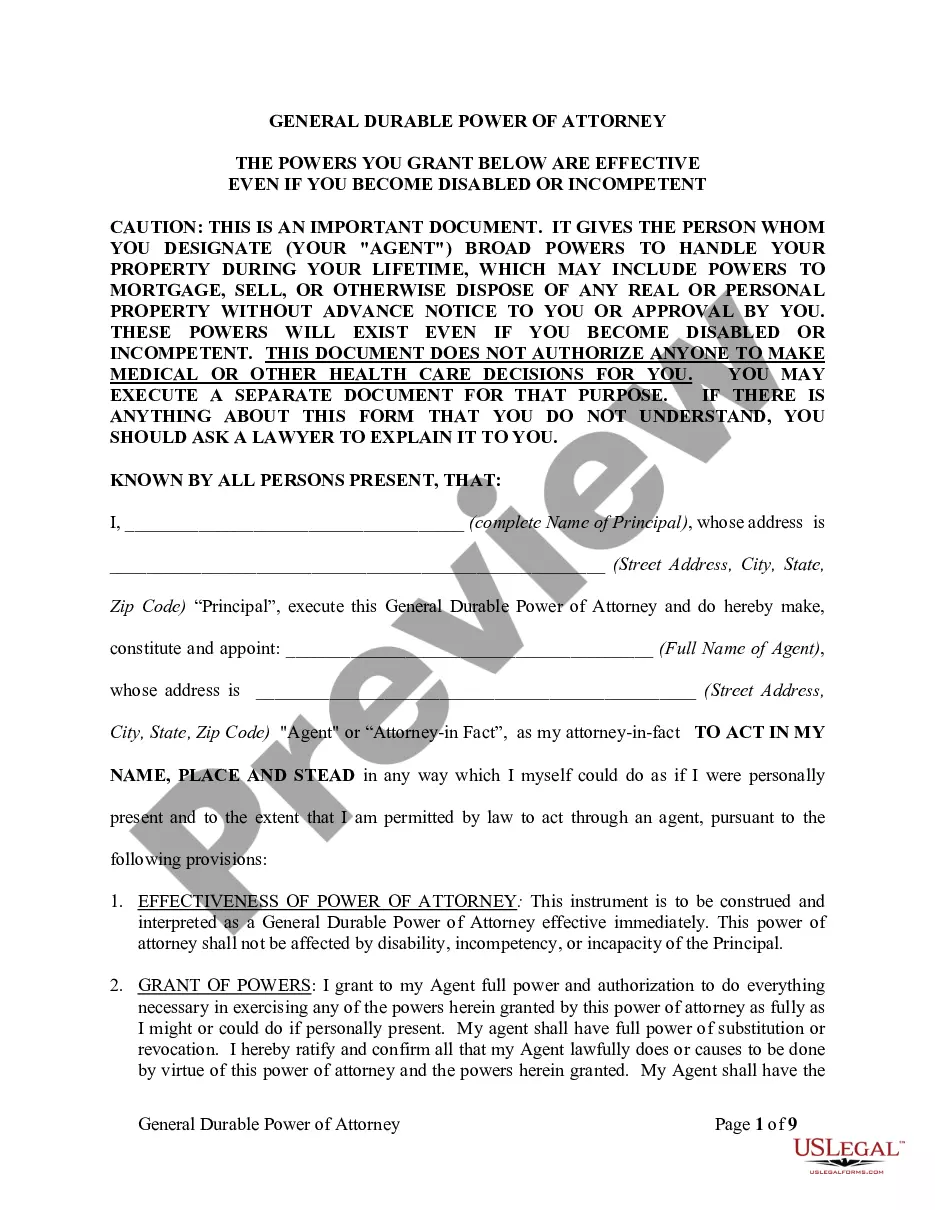
Power of attorney delegating parental powers for minor child enables a parent or guardian to assign decision-making authority to another trustworthy adult. This arrangement allows the designated person to make important decisions regarding medical care, education, and general welfare for the child. It is essential to create this document with clear details to ensure the child’s best interests are represented.