Sample Deposition Upon Written Questions
Description
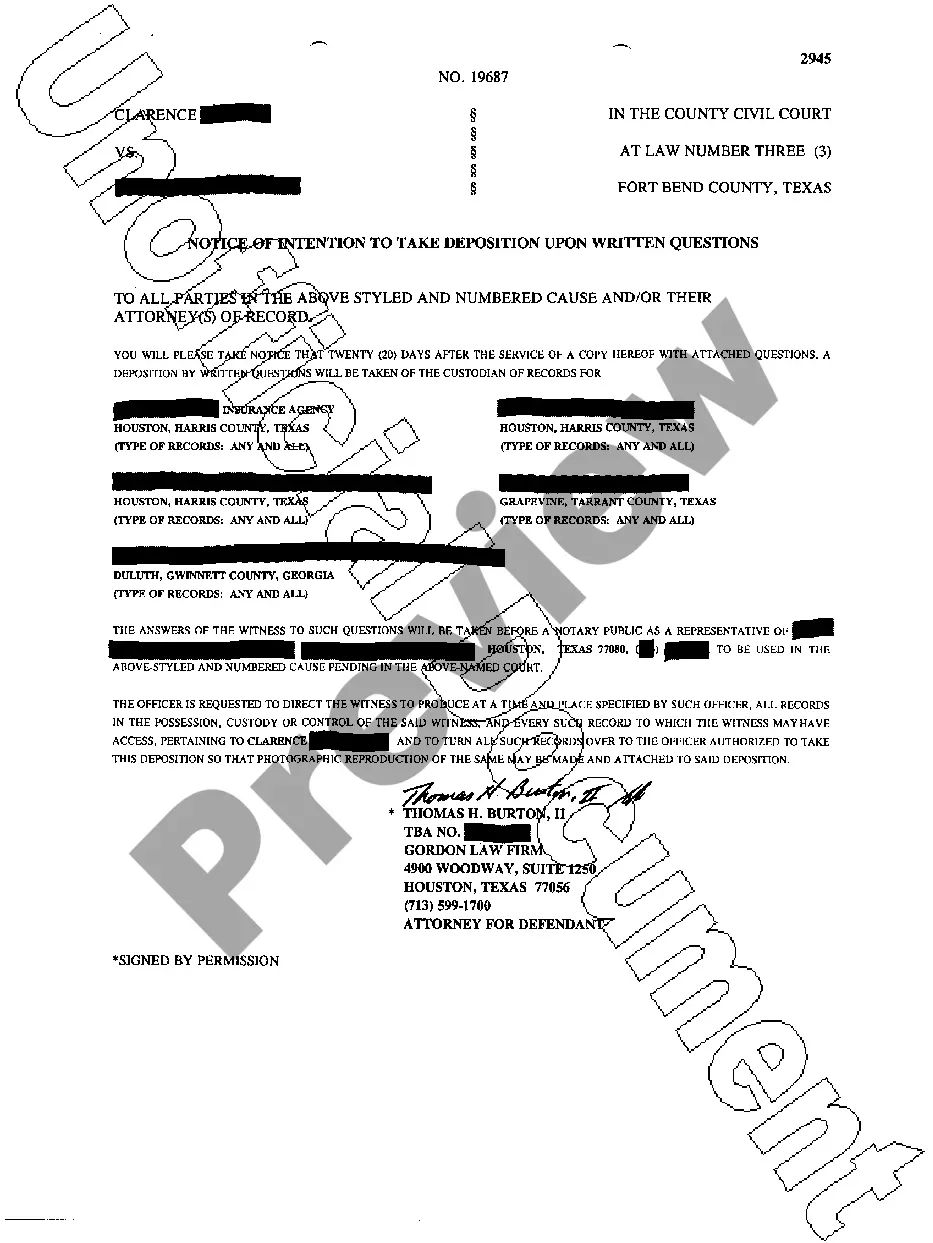

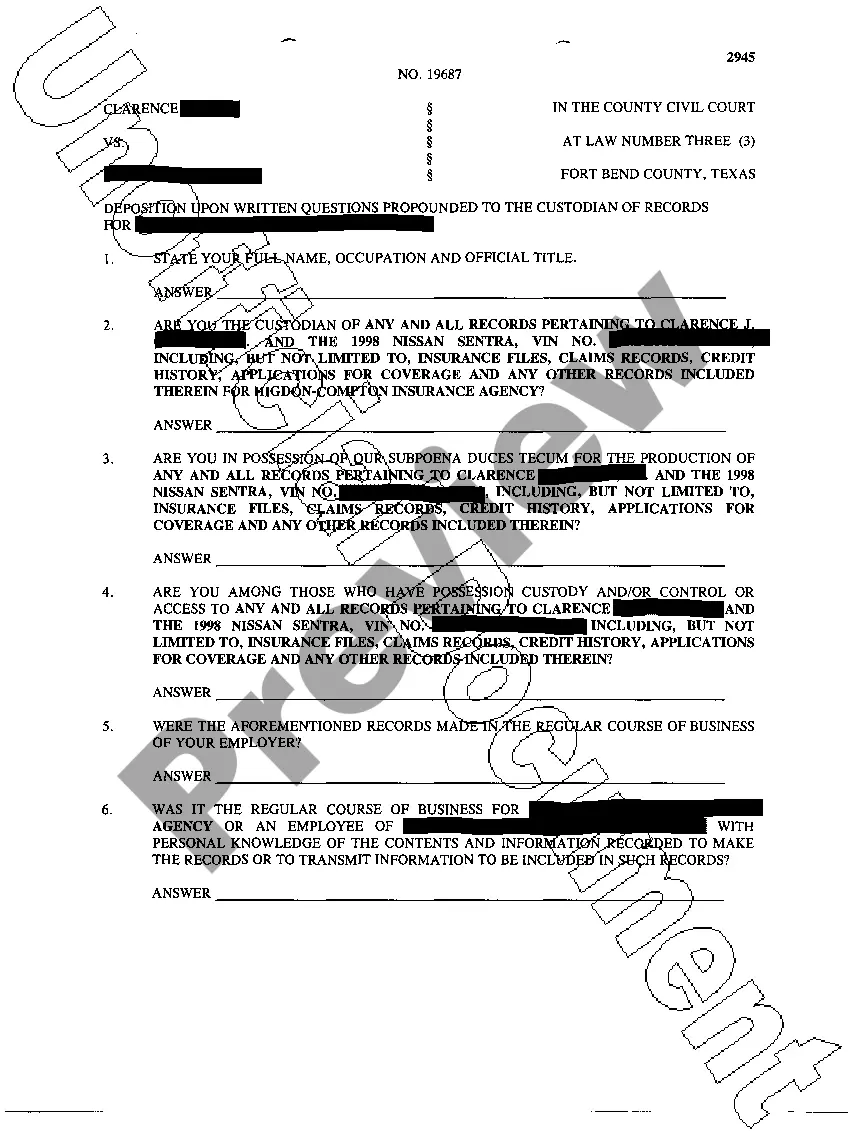
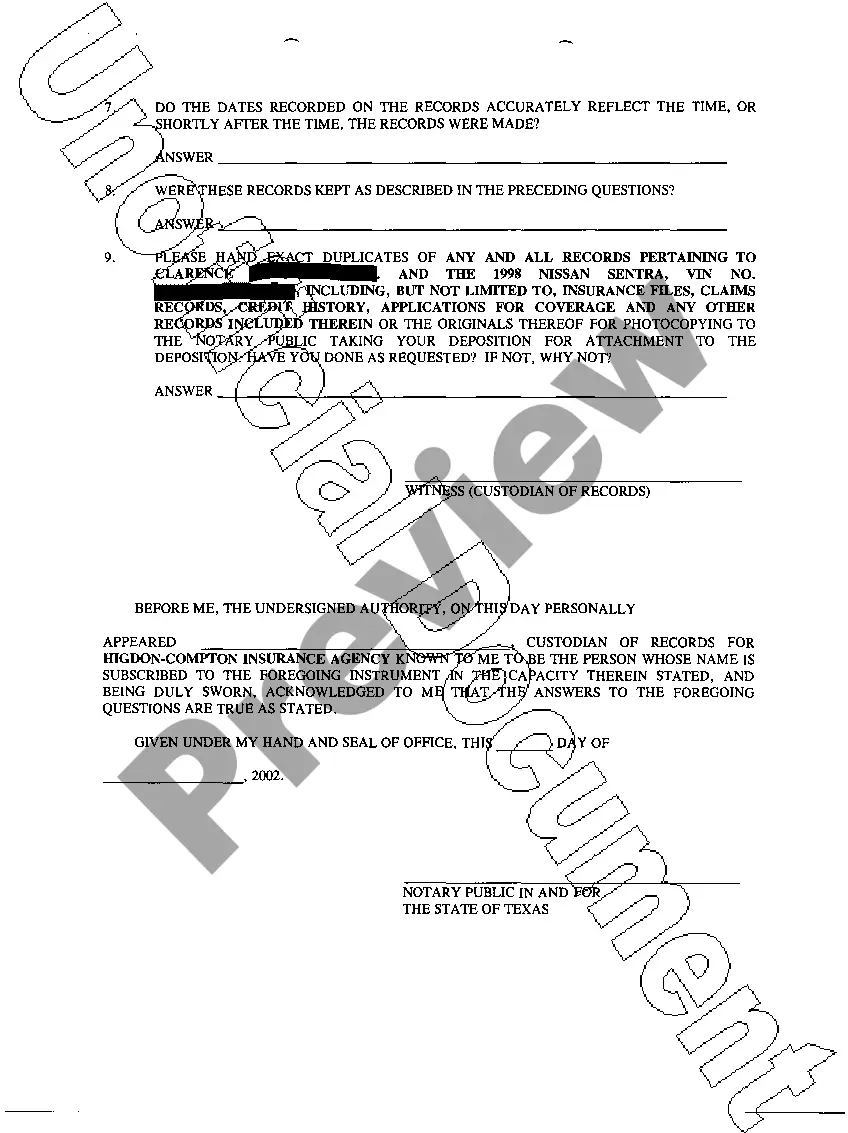
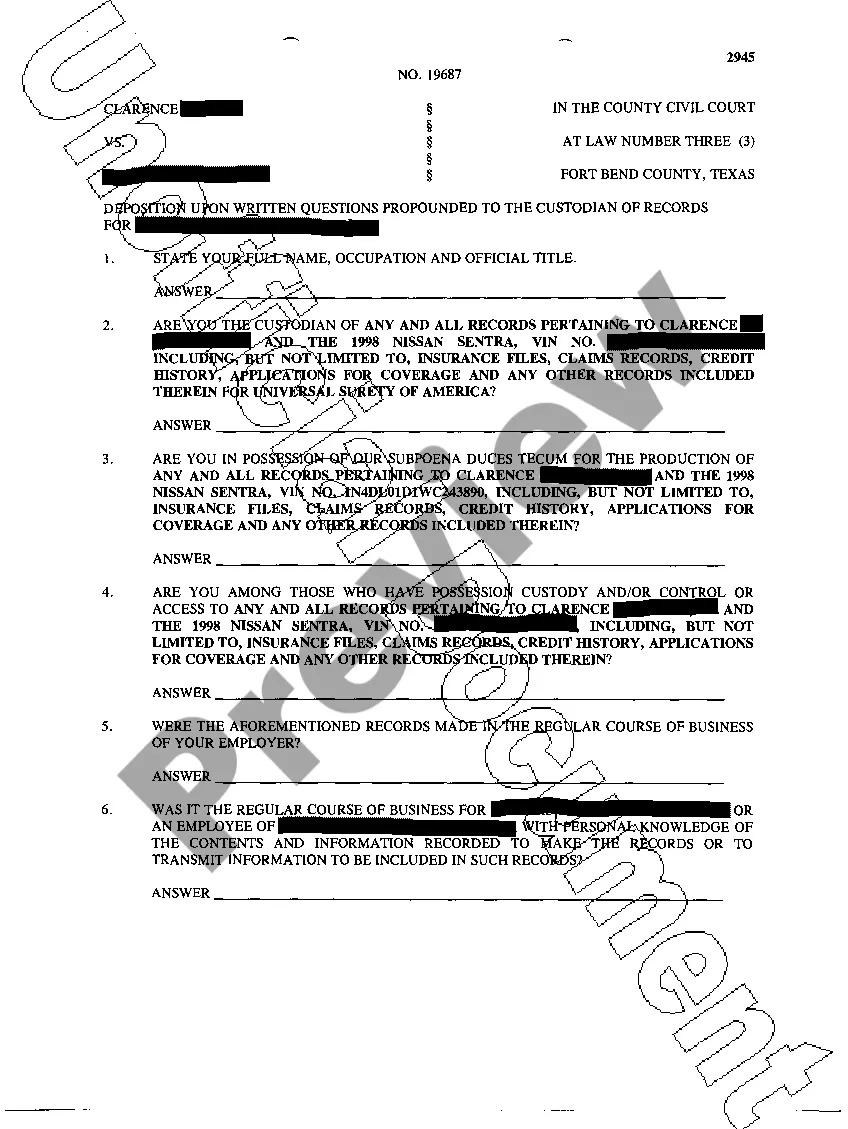
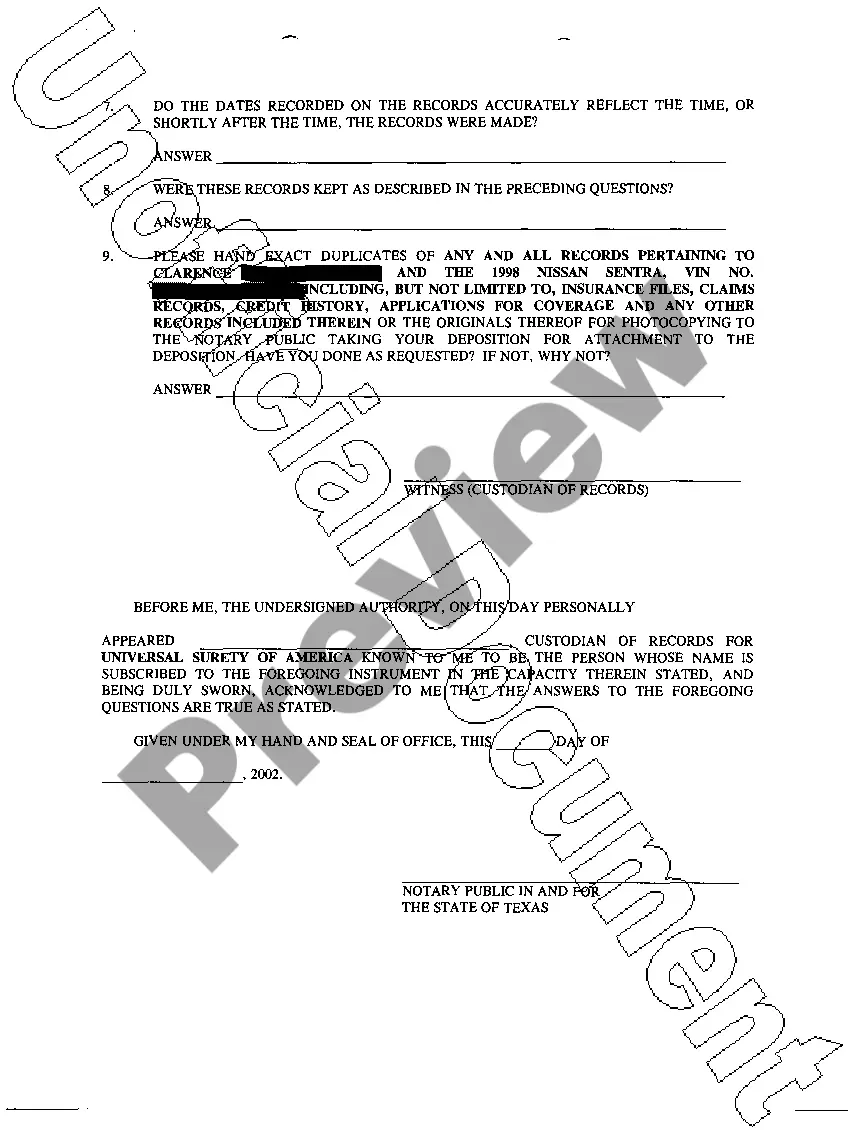
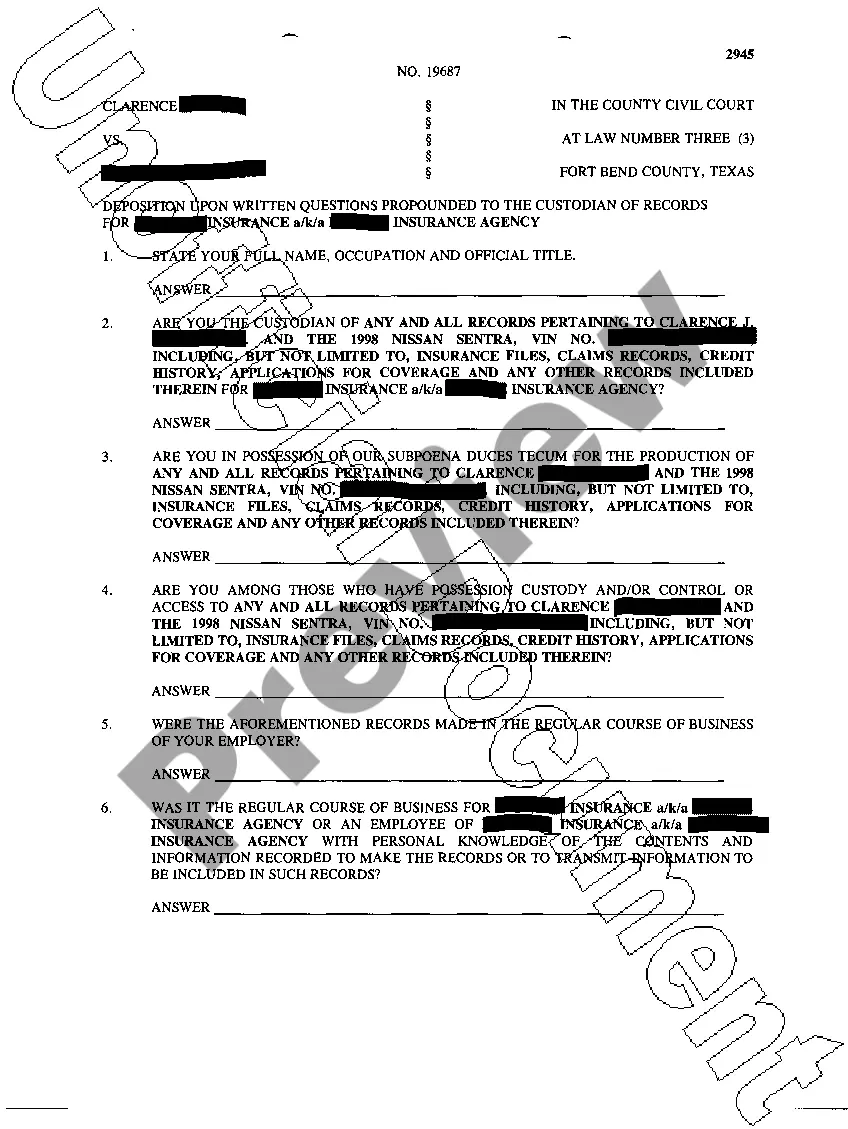
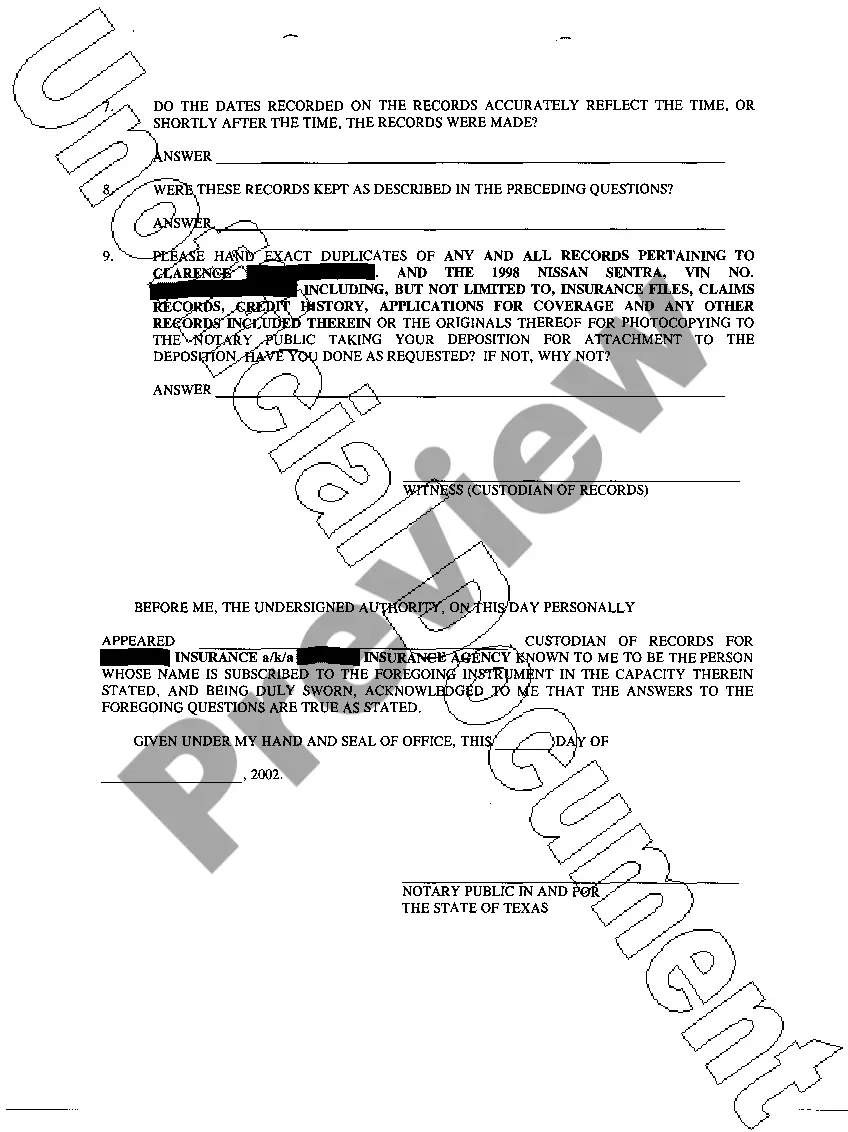
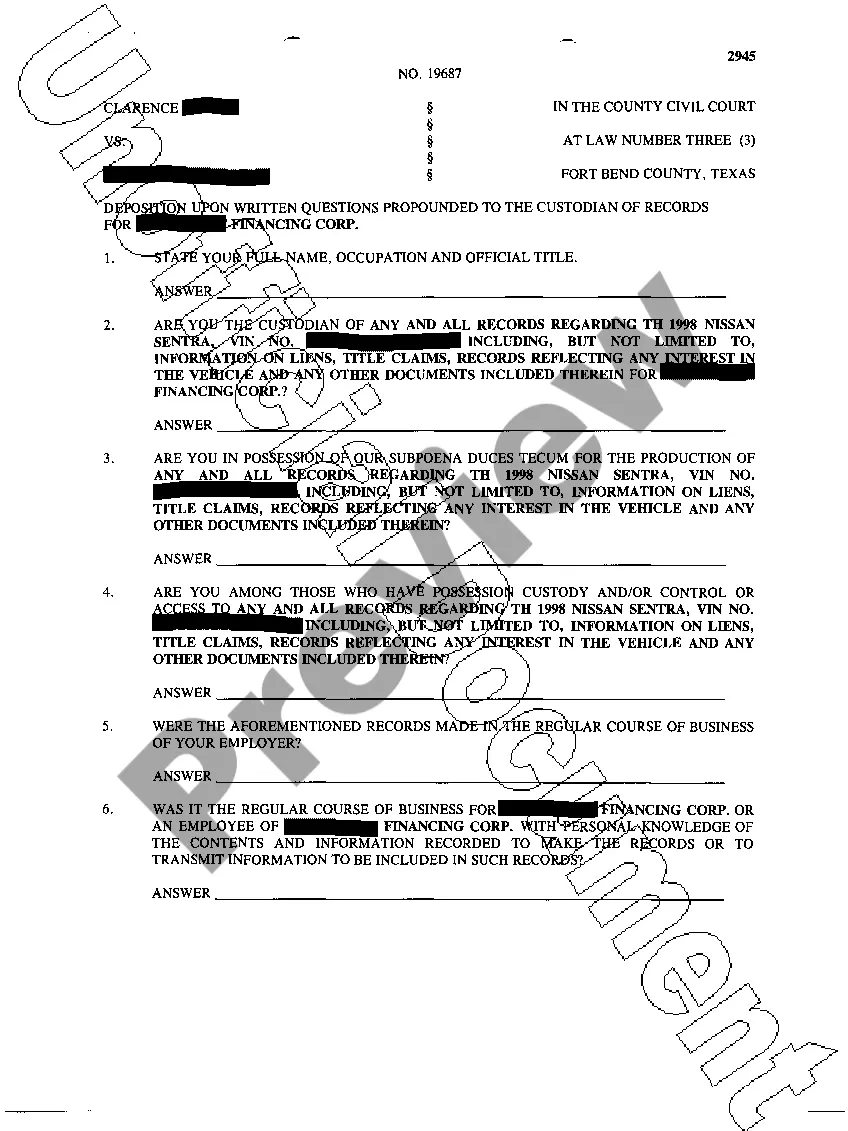
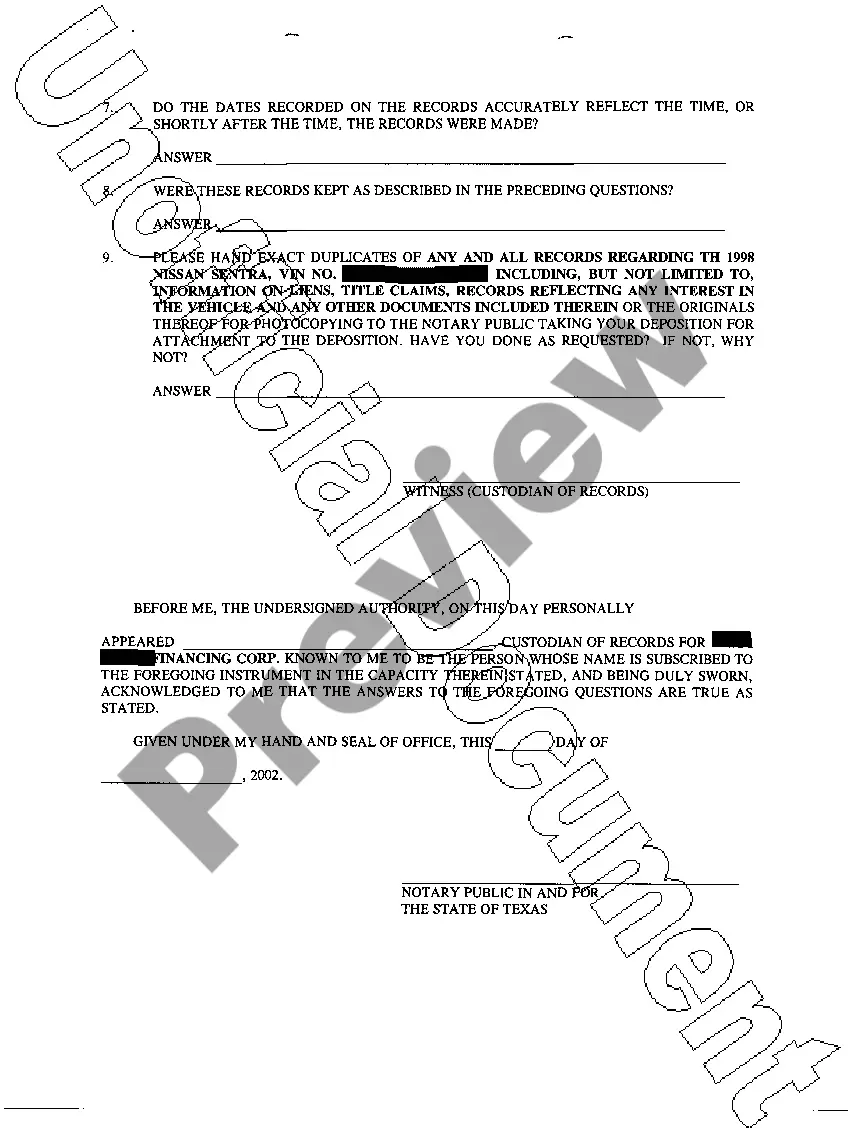

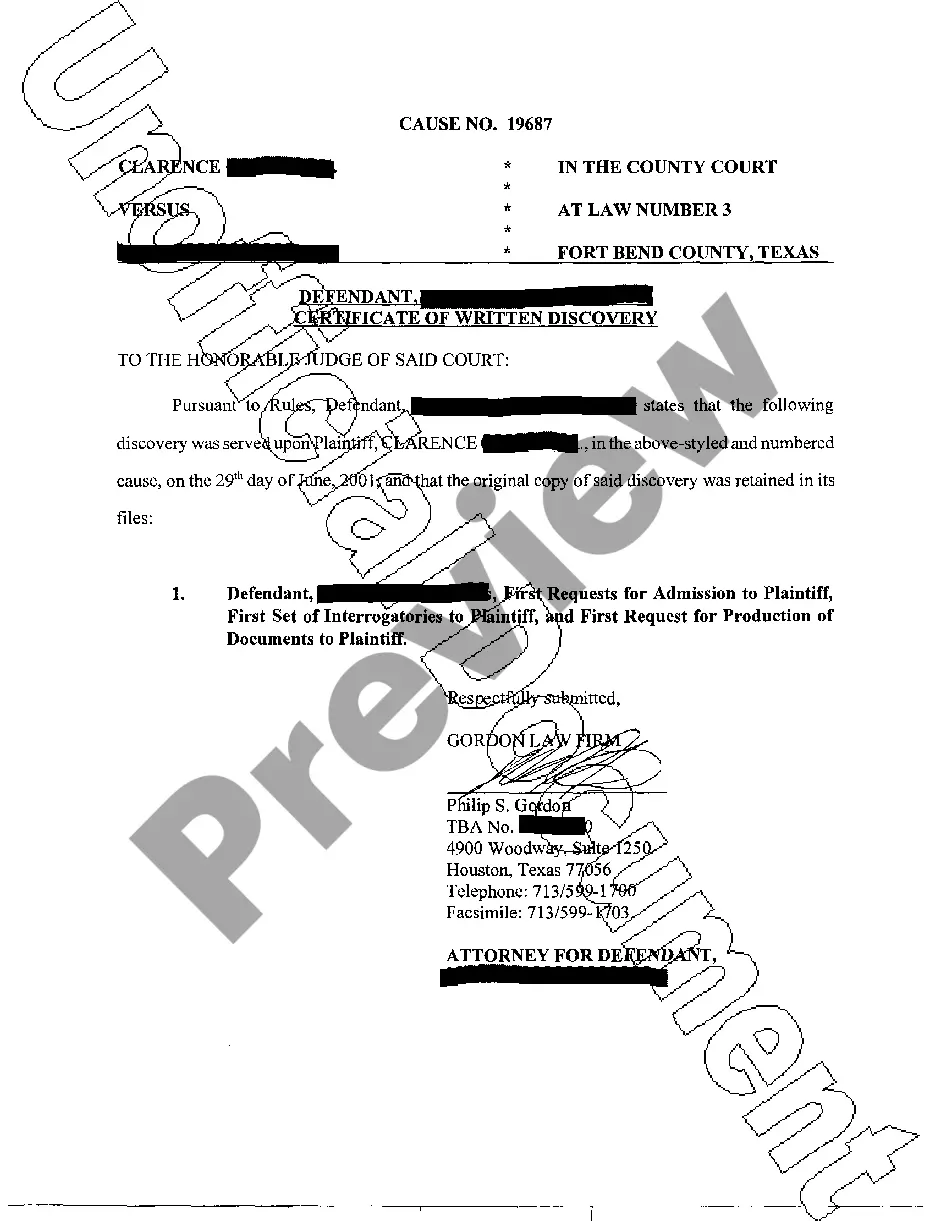
How to fill out Texas Notice Of Deposition Upon Written Questions?
Managing legal documents can be daunting, even for experienced professionals.
When you're in search of a Sample Deposition Upon Written Questions and don’t have the time to devote to finding the right and current version, the process can be burdensome.
US Legal Forms encompasses all your needs, from personal to commercial documents, all in one location.
Leverage innovative tools to complete and manage your Sample Deposition Upon Written Questions.
- Access a helpful repository of articles, guides, manuals, and materials related to your scenarios and requirements.
- Save time and energy hunting for the necessary documents, and utilize US Legal Forms’ enhanced search and Preview feature to locate Sample Deposition Upon Written Questions and obtain it.
- If you possess a subscription, Log In to your US Legal Forms account, search for the form, and download it.
- Refer to your My documents section to review the documents you have downloaded and to organize your files as needed.
- If this is your initial experience with US Legal Forms, create an account and gain unlimited access to all the benefits the platform offers.
- A robust web form repository can be a transformative tool for anyone looking to navigate these situations adeptly.
- US Legal Forms is a frontrunner in digital legal documents, with more than 85,000 state-specific legal templates available to you at any time.
- With US Legal Forms, accessibility to tailored legal and business forms based on state or county is simplified.
Form popularity
FAQ
While both depositions by written questions and interrogatories serve to gather information, they differ in significant ways. A deposition involves witnesses responding to set questions, whereas interrogatories are more formalized questions submitted in writing that must be answered under oath. The former often provides more flexibility for follow-up, while interrogatories tend to be more rigid in format. Reviewing a sample deposition upon written questions can help illustrate these differences.
Rule 31 governs depositions upon written questions in U.S. legal procedures, allowing parties to submit questions in advance for a witness to answer in writing. This rule provides a formal framework for gathering written testimony, which can be essential for certain types of cases. Familiarizing yourself with a sample deposition upon written questions can clarify how to effectively use Rule 31 in your legal strategy.
Yes, a deposition can indeed be conducted in writing, particularly through the use of written questions. This method provides a structured way to gather testimony while offering parties time to reflect on their responses. To see how this is effectively executed, reviewing a sample deposition upon written questions can be beneficial and clearly illustrates the format and expectations involved.
Rule 31 governs the procedures for depositions conducted on written questions, focusing on how questions should be prepared and served. This rule includes timelines for submitting questions and when responses should be provided. For a clearer understanding of these procedures, refer to a sample deposition upon written questions.
A deposition by written questions is a legal method where a party submits questions in writing, and the witness responds to those questions, often under oath. This process is useful in gathering information without the need for live testimony, thus streamlining the legal proceedings. To see how this works in practice, look into a sample deposition upon written questions.
Rule 31 specifically addresses depositions by written questions and provides guidelines on how they should be conducted. This rule ensures that questions submitted are clear and concise, allowing for straightforward responses that are documented appropriately. For practical insights, reviewing a sample deposition upon written questions can be quite helpful.
Deadlines for objections and serving cross questions in a deposition by written questions vary by jurisdiction, but they are generally outlined in the applicable rules. Typically, you must file any objections within a specific time frame after receiving the questions. To ensure you meet all necessary timeframes, a detailed examination of a sample deposition upon written questions can provide clarity.
Rule 28 governs the manner in which depositions are conducted and specifies that depositions must be recorded in a manner that is official and reliable. This rule emphasizes the appropriate tools and techniques for capturing testimony, ensuring that all parties have access to accurate records. For further details on the structure, consider exploring a sample deposition upon written questions.
To certify a question in a deposition, you must follow the proper legal procedures outlined in the rules governing depositions. This typically involves filing a certificate with the relevant court that indicates the questions have been properly posed and documented. If you need a clear breakdown or template, a sample deposition upon written questions can serve as an excellent reference.
Yes, depositions can be taken by written questions. This method allows parties to submit their questions in writing, which are then answered by the deponent in writing as well. It is often used in situations where a more formal process is beneficial. For a comprehensive guide, consider checking out a sample deposition upon written questions.