Motion To Compel Discovery And Sanctions
Description
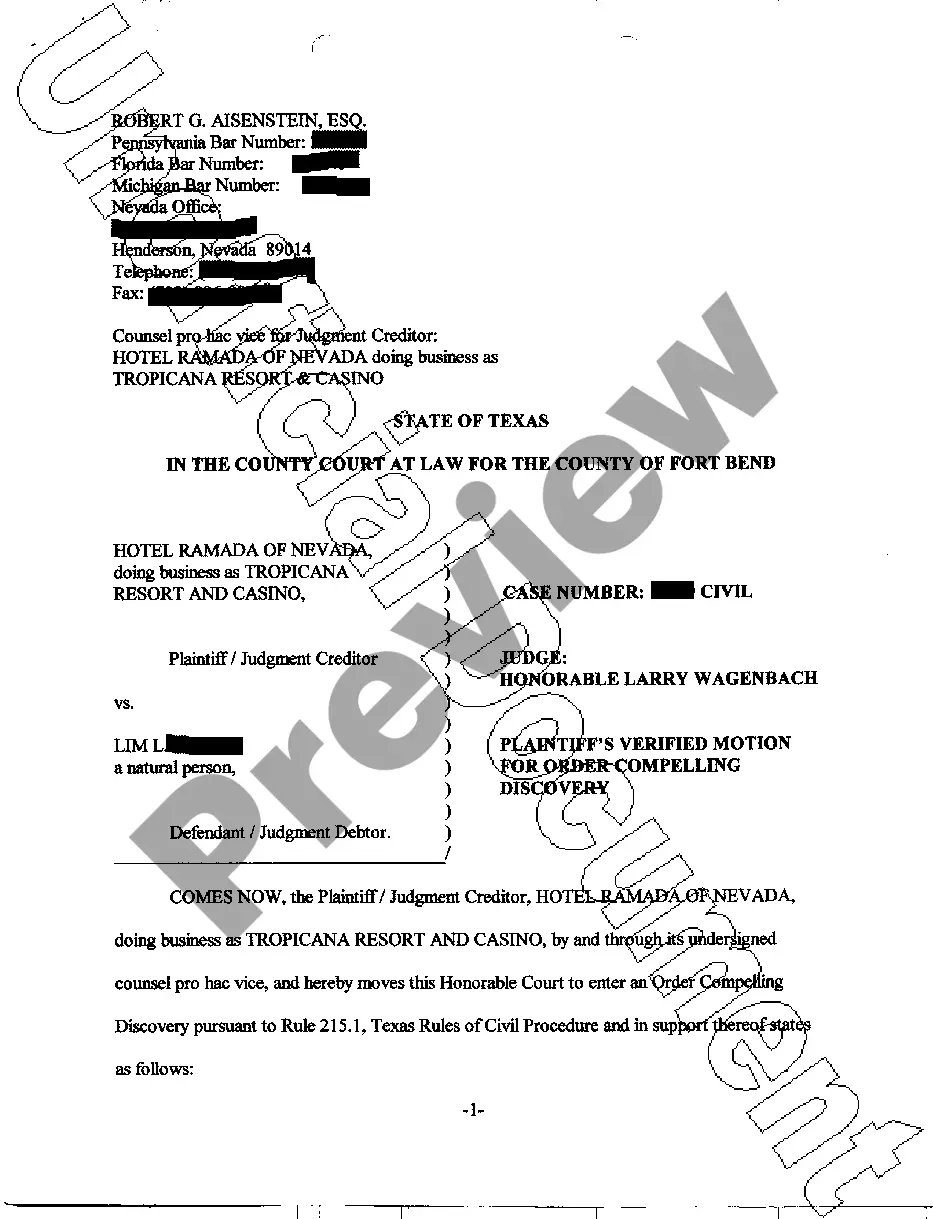
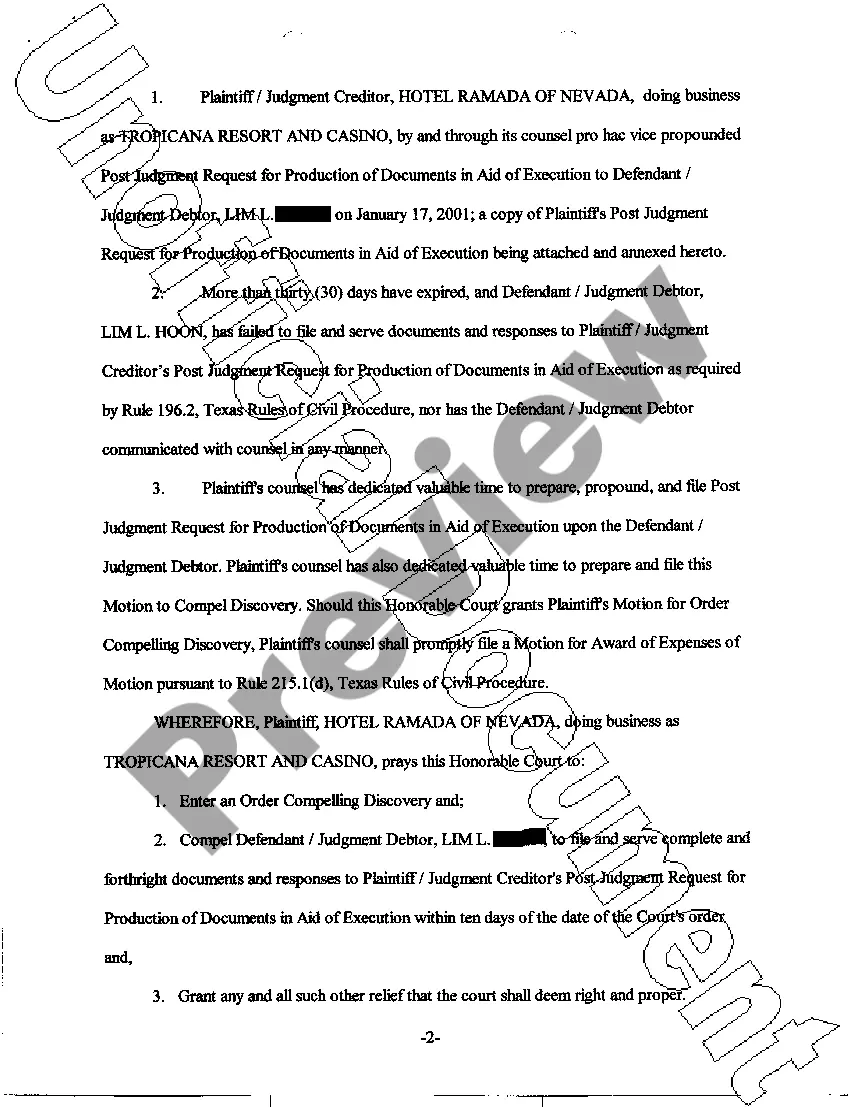
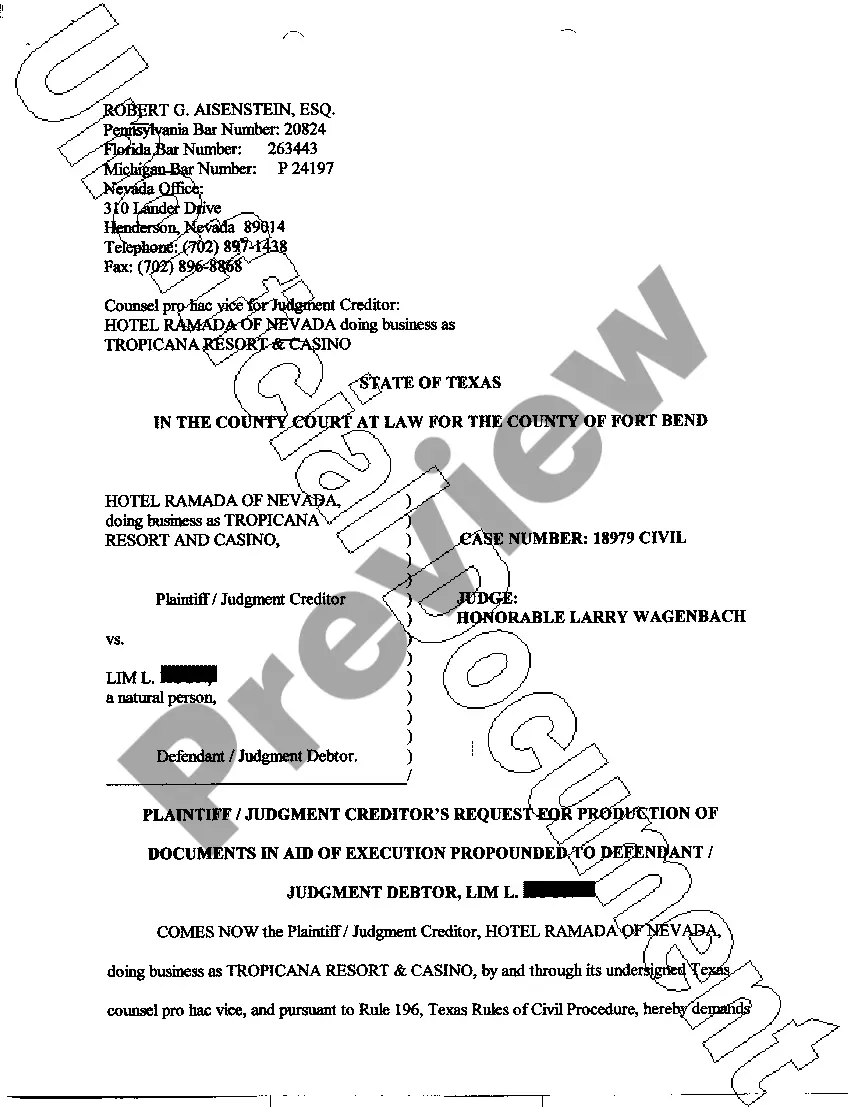
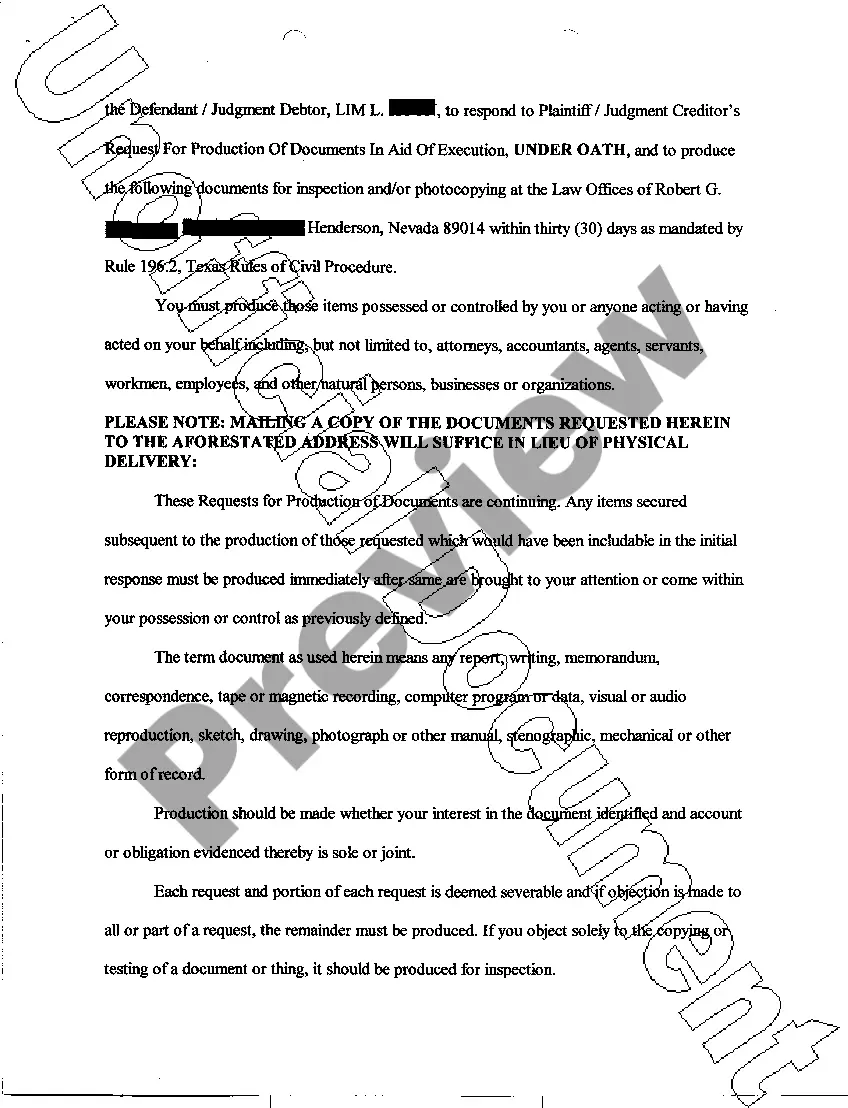
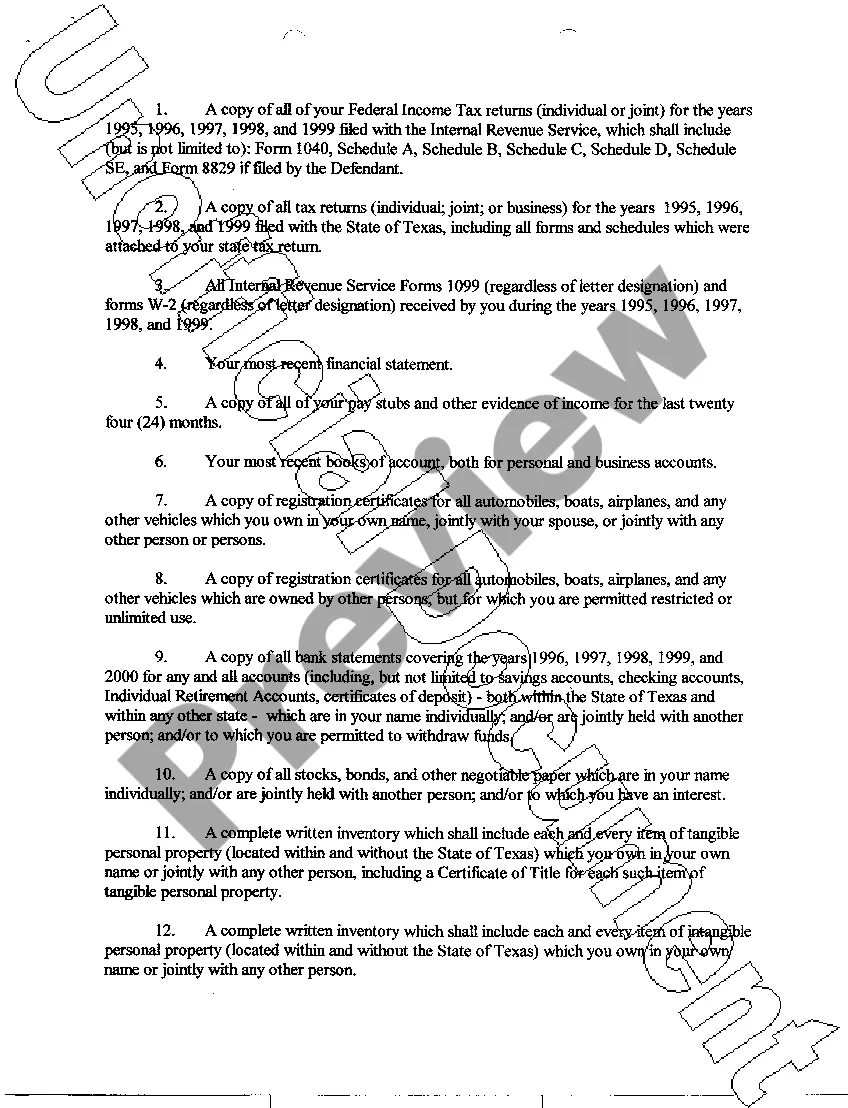
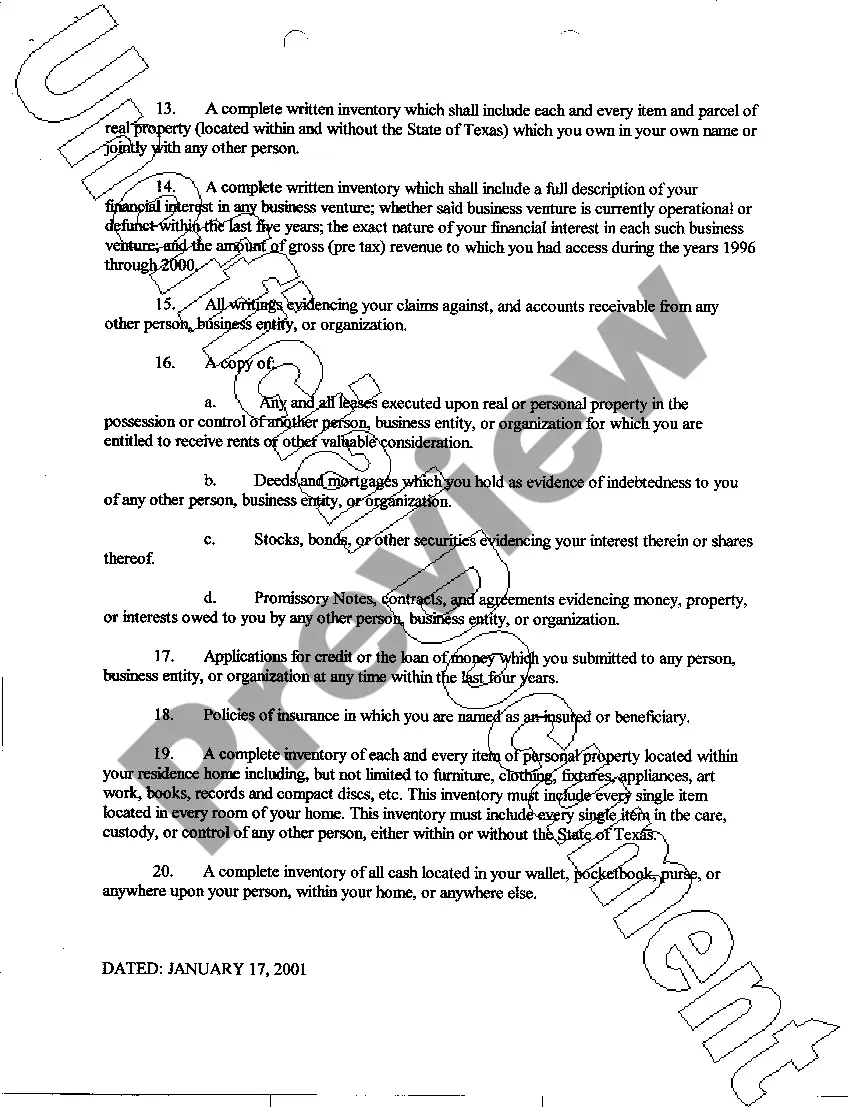
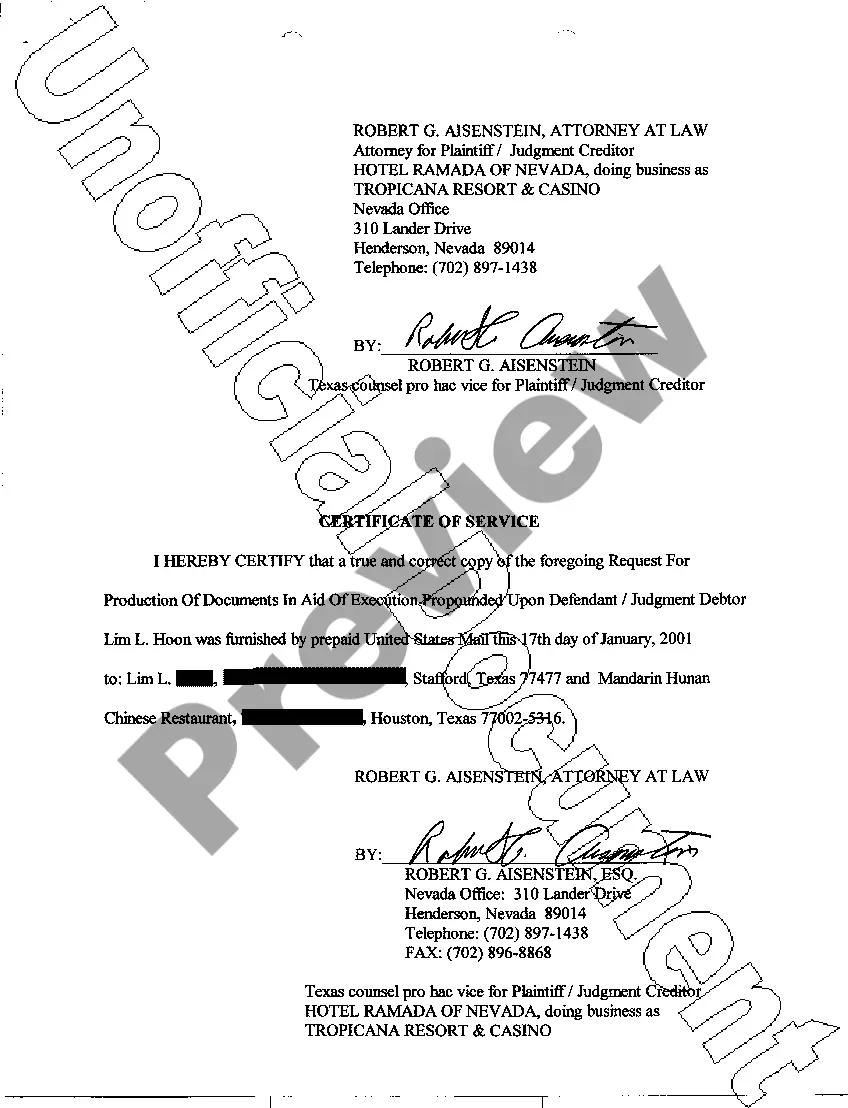


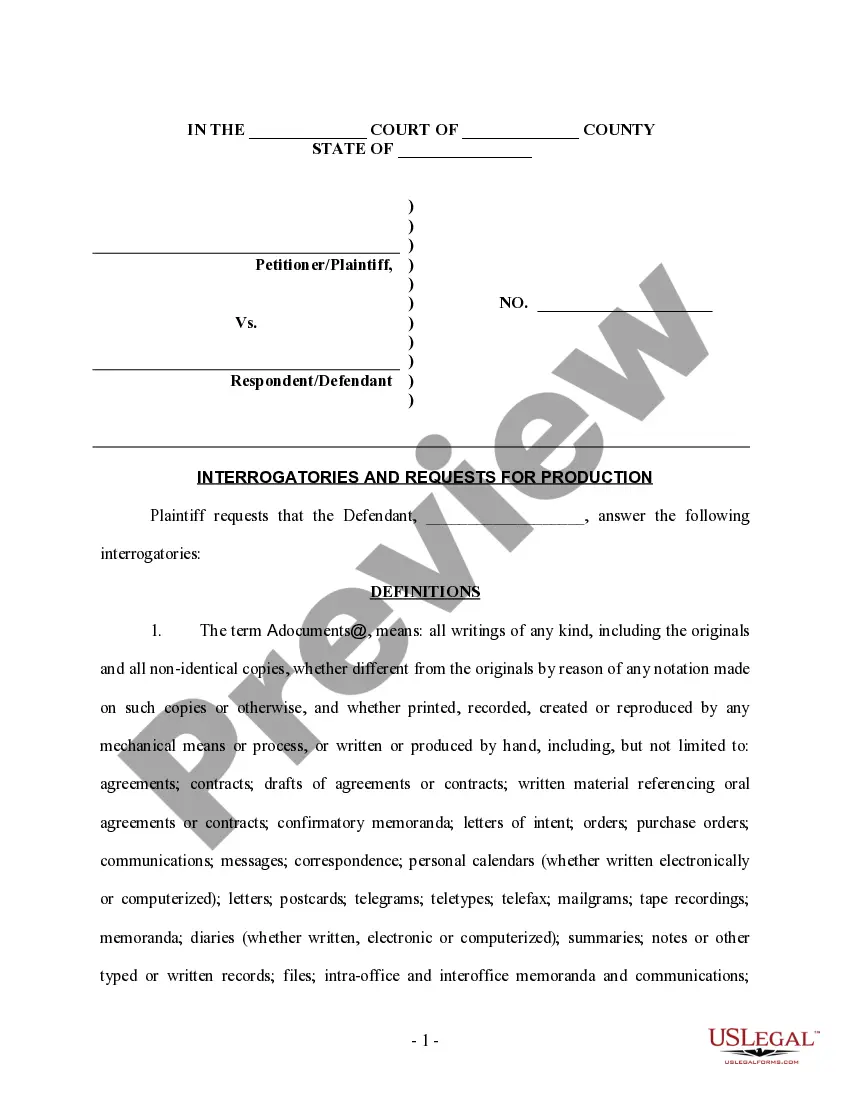
How to fill out Texas Motion To Compel Discovery?
The Motion To Compel Discovery And Sanctions you see on this page is a reusable formal template drafted by professional lawyers in line with federal and state laws and regulations.
For over 25 years, US Legal Forms has provided individuals, businesses, and legal experts with more than 85,000 verified, state-specific documents for any corporate and personal situation. It’s the quickest, simplest, and most trustworthy way to acquire the forms you require, as the service ensures bank-level data protection and anti-malware security.
Register for US Legal Forms to have verified legal templates for all of life’s situations at your fingertips.
- Search for the document you require and review it.
- Sign up and Log In.
- Acquire the fillable template.
- Complete and sign the paperwork.
- Download your documents again.
Form popularity
FAQ
Rule 37 - Failure to Make Disclosures or to Cooperate in Discovery; Sanctions (a) Motion for Order Compelling Disclosure or Discovery (1)Generally. Subject to Rule 26(d), a party may move for an order compelling disclosure or discovery.
The answering or objecting party may file a response to the motion to compel. The response must contain adequate justification for that party's objections, or argument showing why the party's answers to the discovery requests at issue were sufficient.
Rule 37 authorizes the court to direct that parties or attorneys who fail to participate in good faith in the discovery process pay the expenses, including attorney's fees, incurred by other parties as a result of that failure.
Consider Filing a Motion to Compel if: A party fails to answer an interrogatory. A party's response to a discovery request is incomplete or evasive. A person fails to answer a question during a deposition. A non-party objects to a request for documents under a subpoena.
The motion to compel is used to ask the court to order the non-complying party to produce the documentation or information requested, and/or to sanction the non-complying party for their failure to comply with the discovery requests.