Easement Rights
Description
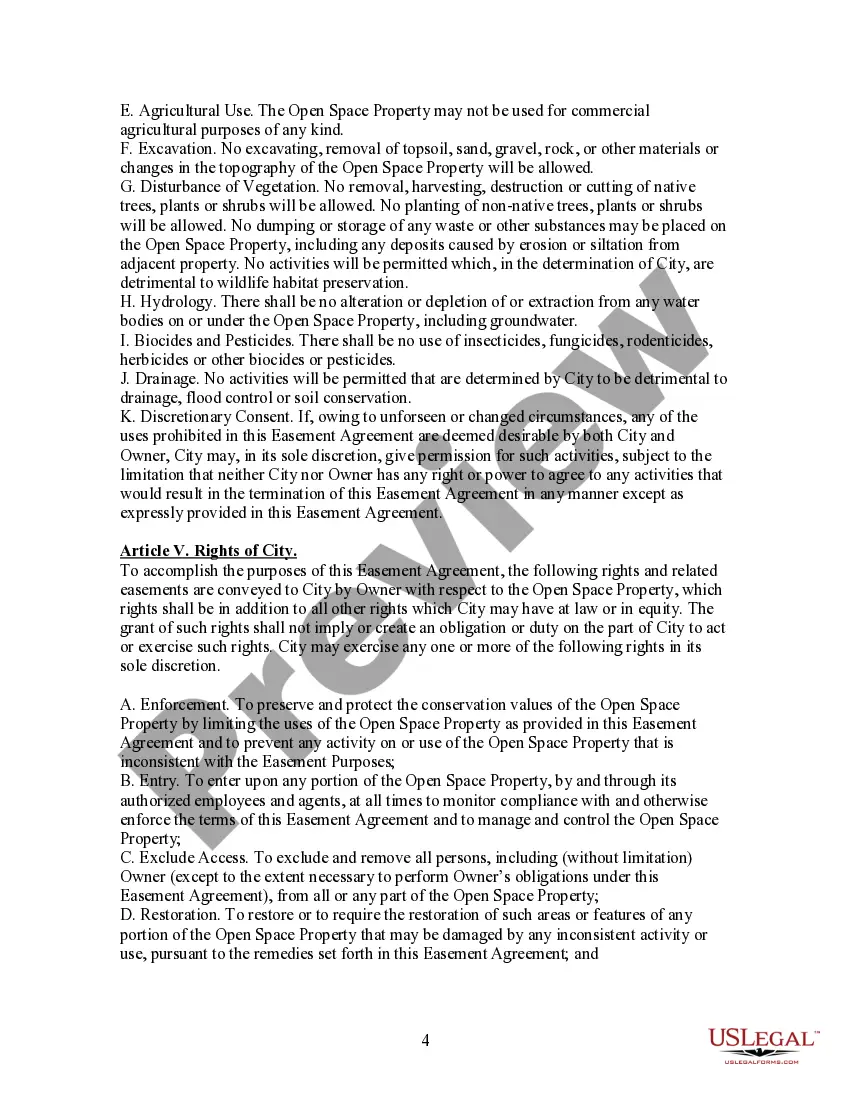
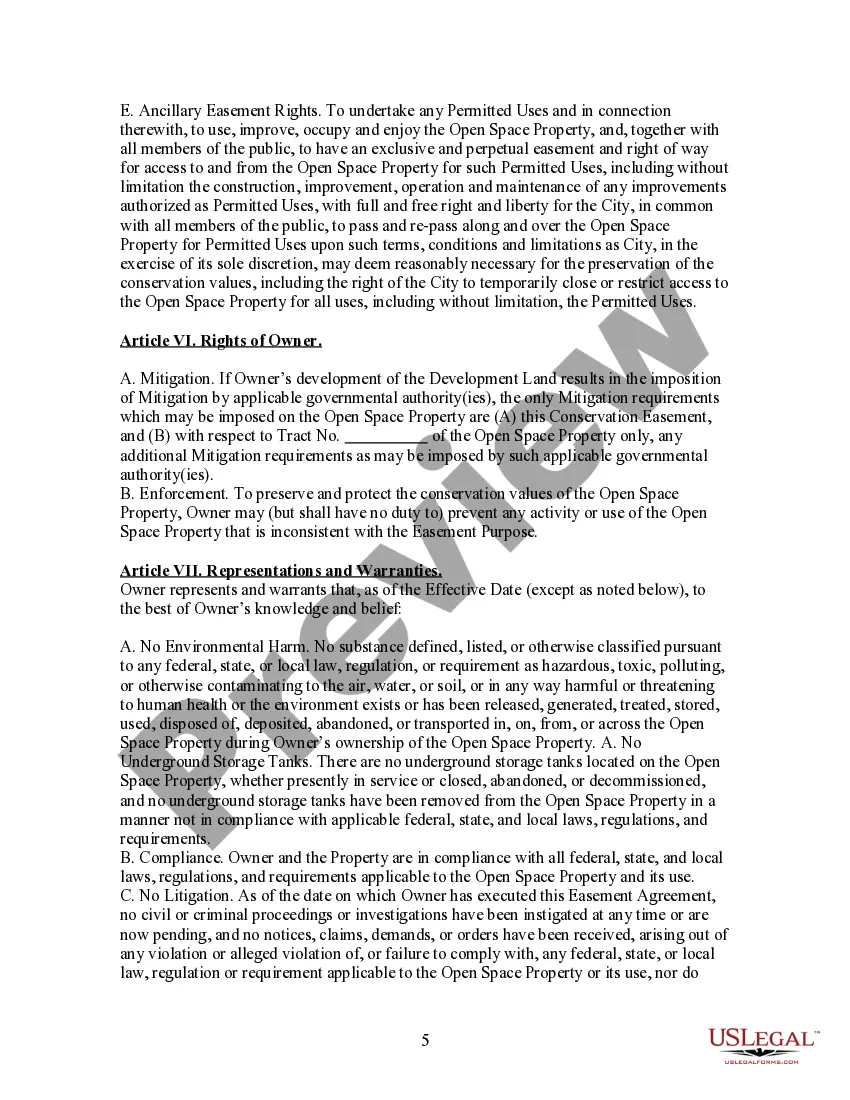
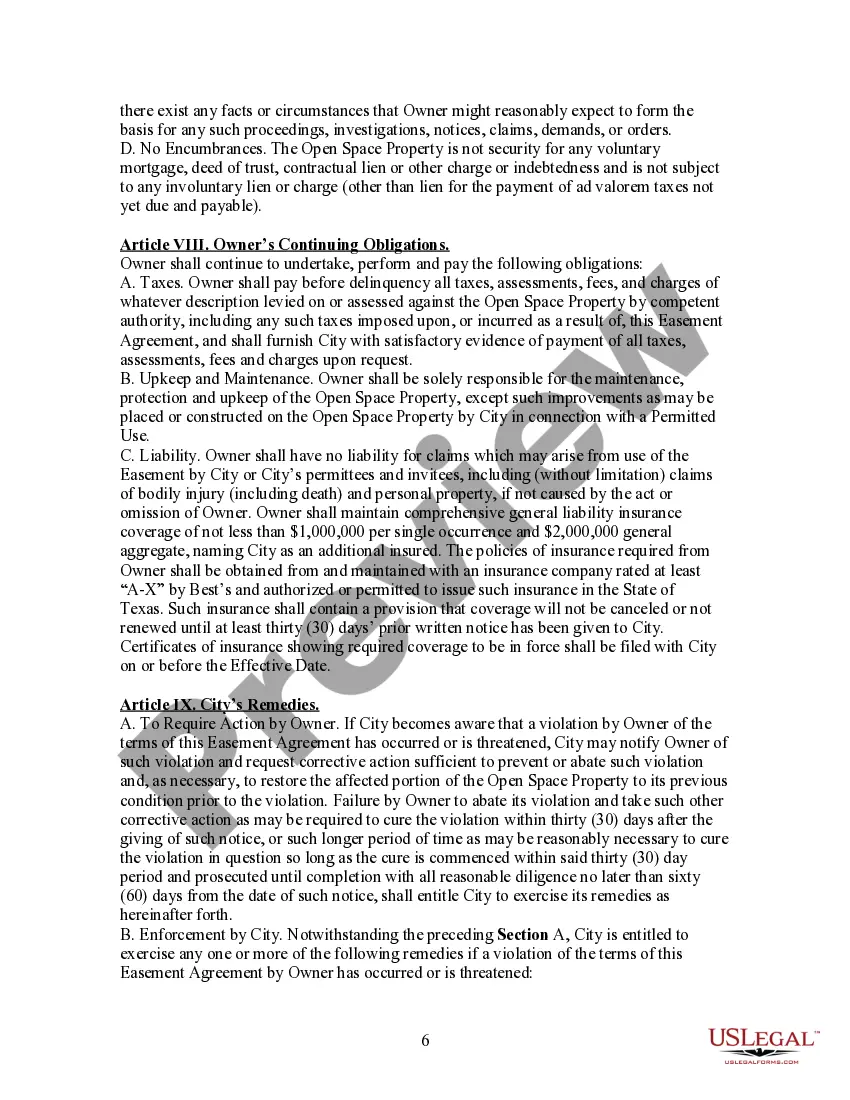
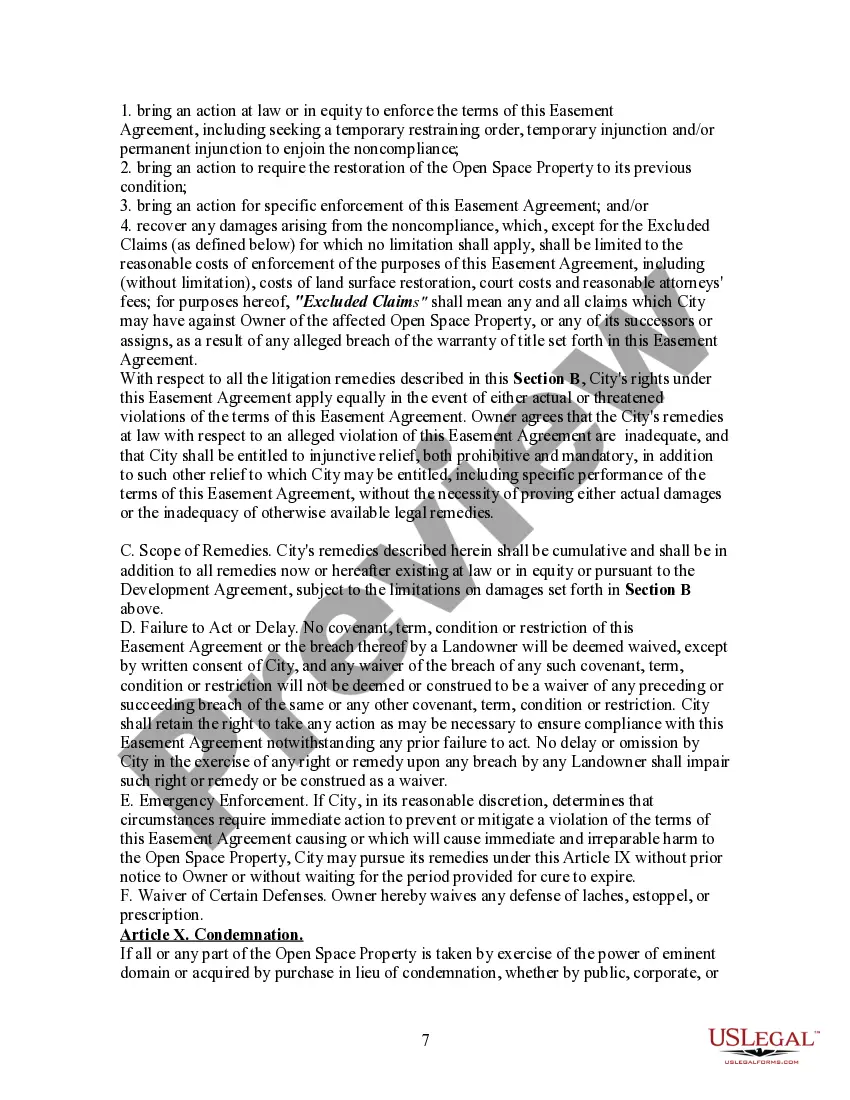
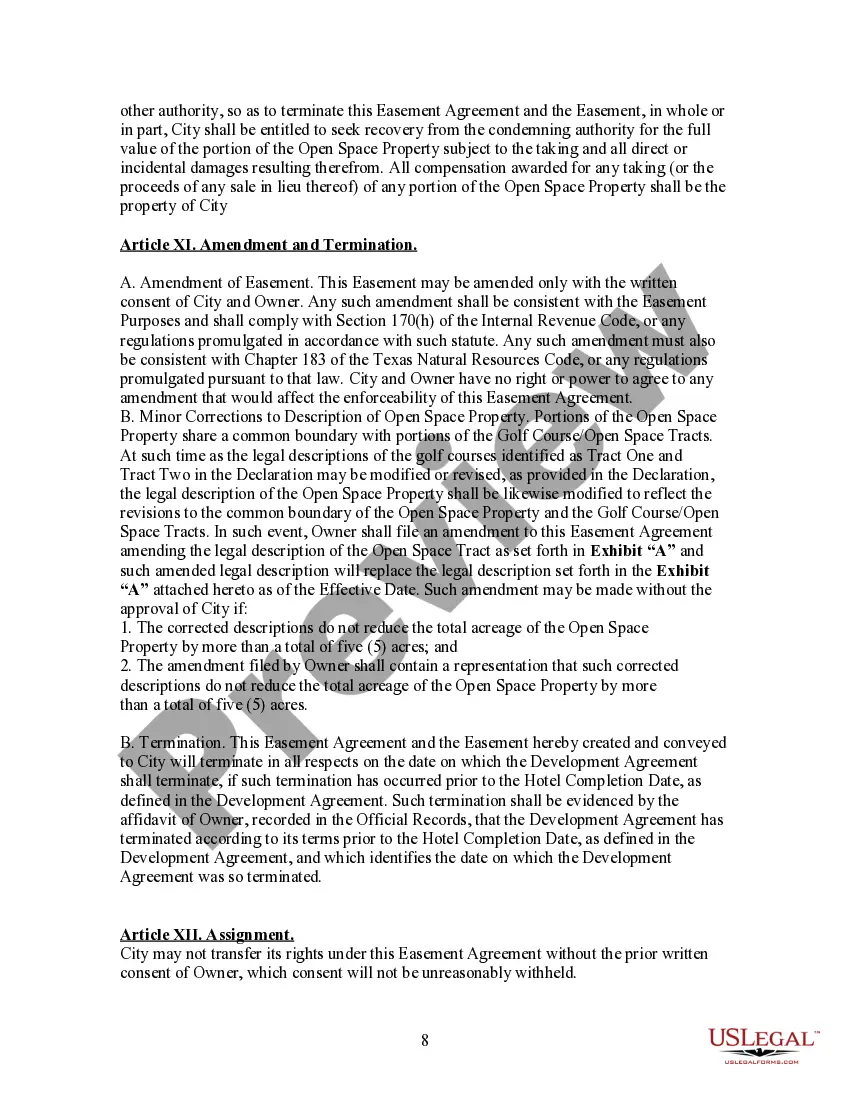
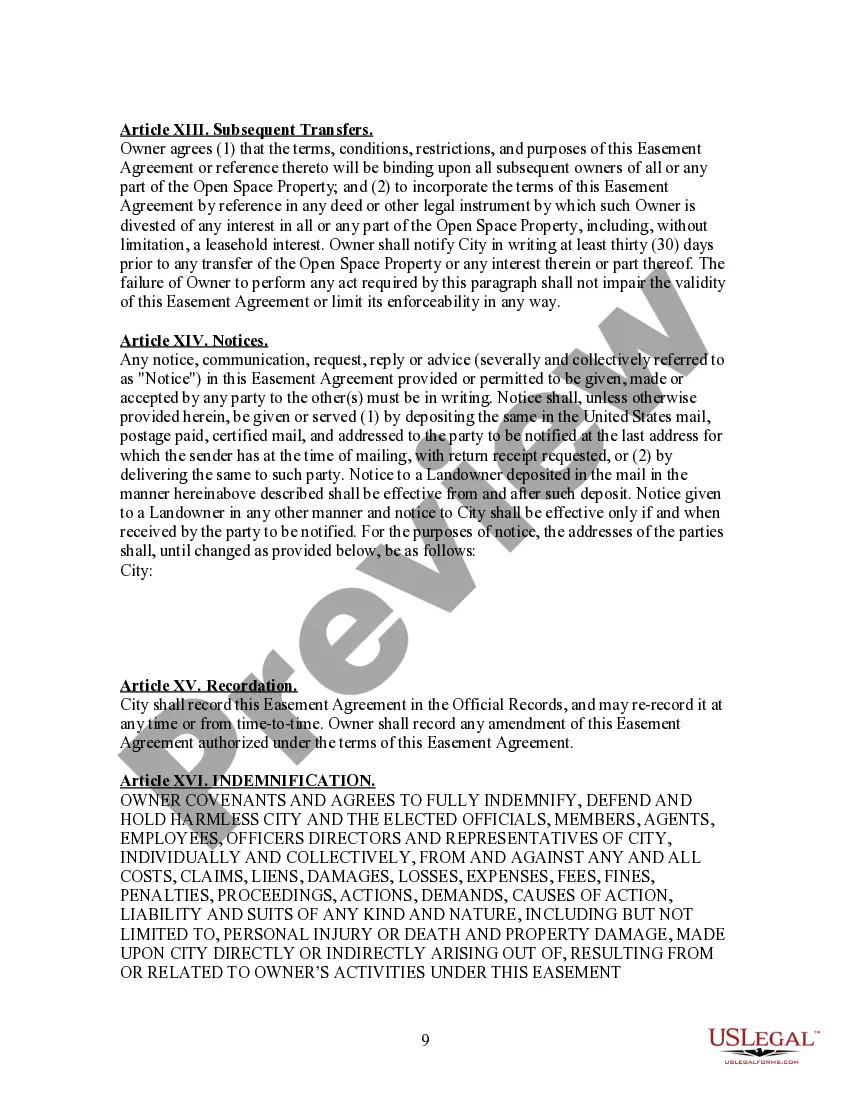
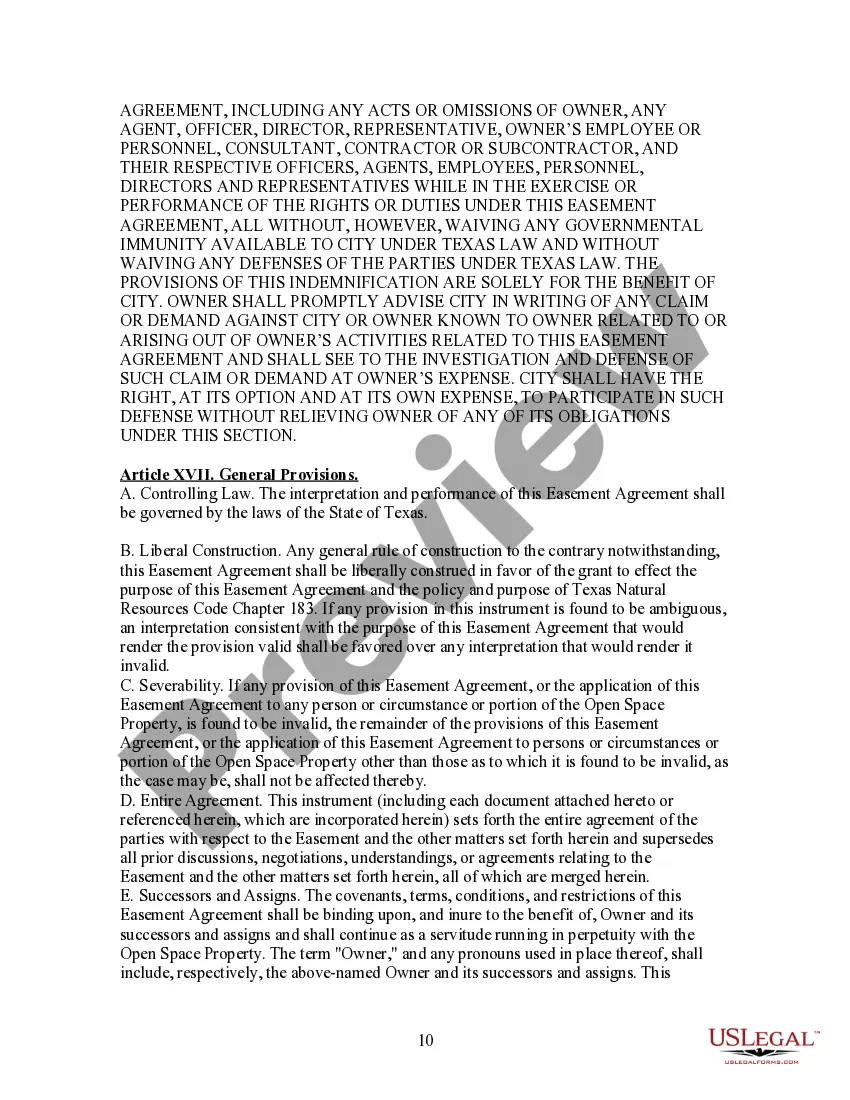

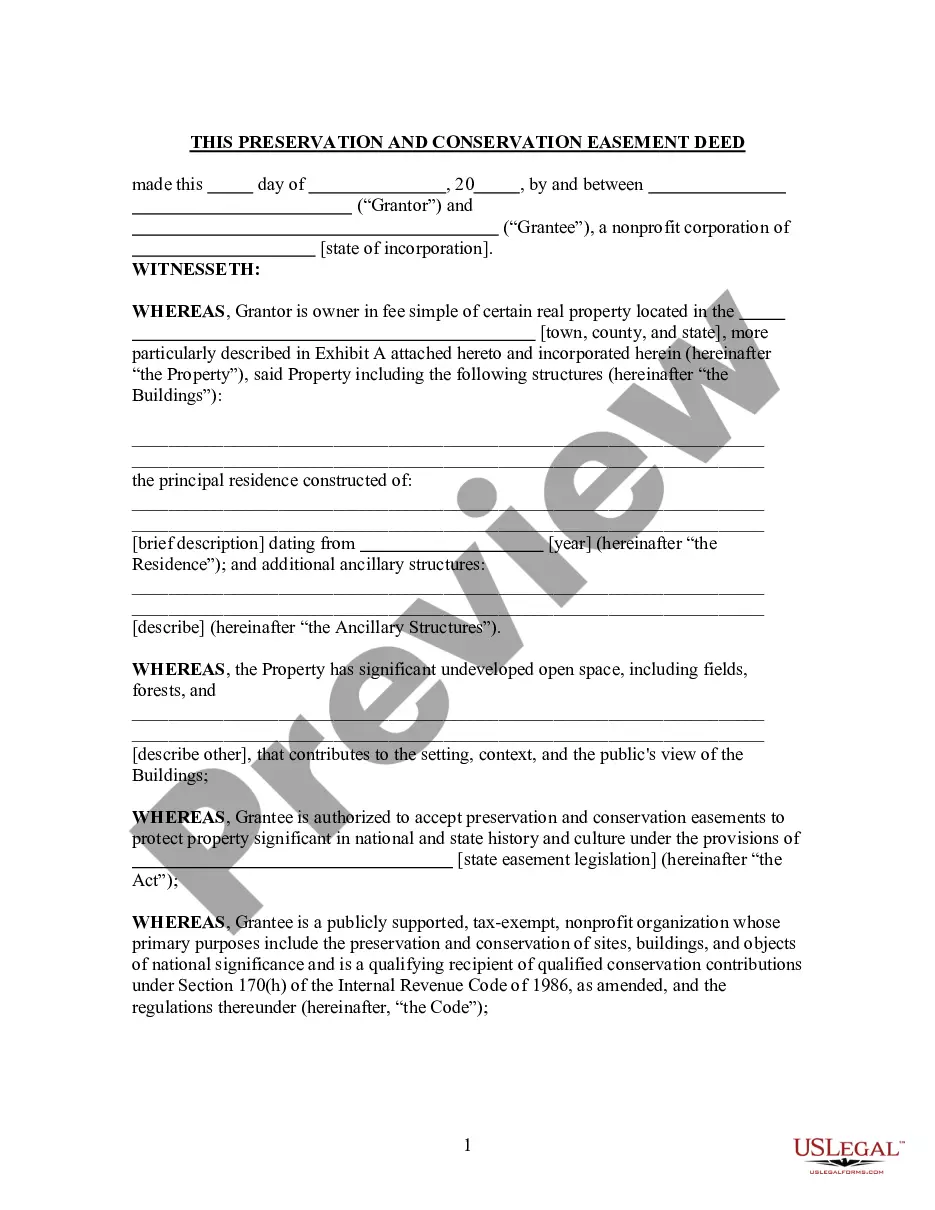
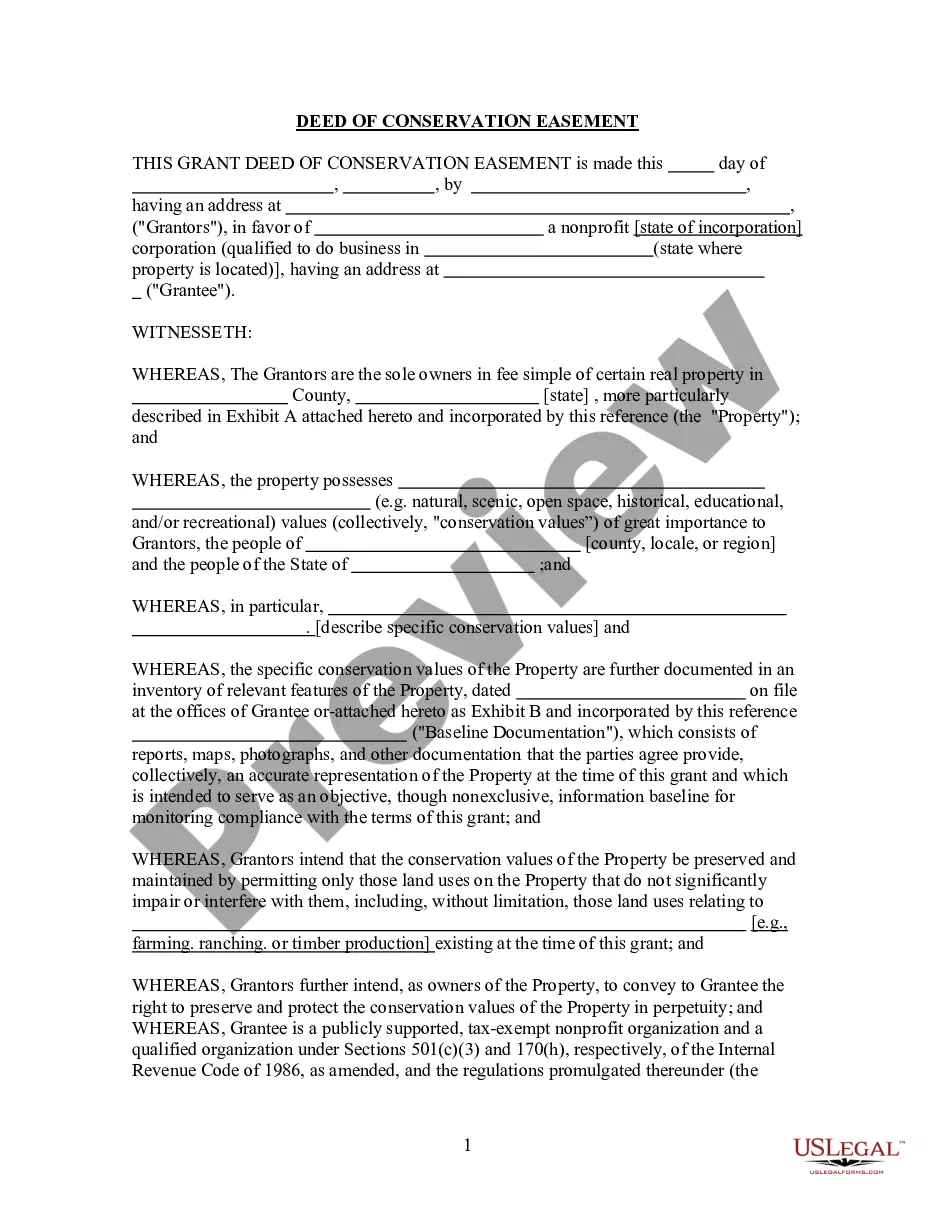
Get your form ready online
Our built-in tools help you complete, sign, share, and store your documents in one place.
Make edits, fill in missing information, and update formatting in US Legal Forms—just like you would in MS Word.
Download a copy, print it, send it by email, or mail it via USPS—whatever works best for your next step.
Sign and collect signatures with our SignNow integration. Send to multiple recipients, set reminders, and more. Go Premium to unlock E-Sign.
If this form requires notarization, complete it online through a secure video call—no need to meet a notary in person or wait for an appointment.
We protect your documents and personal data by following strict security and privacy standards.

Make edits, fill in missing information, and update formatting in US Legal Forms—just like you would in MS Word.

Download a copy, print it, send it by email, or mail it via USPS—whatever works best for your next step.

Sign and collect signatures with our SignNow integration. Send to multiple recipients, set reminders, and more. Go Premium to unlock E-Sign.

If this form requires notarization, complete it online through a secure video call—no need to meet a notary in person or wait for an appointment.

We protect your documents and personal data by following strict security and privacy standards.
Looking for another form?

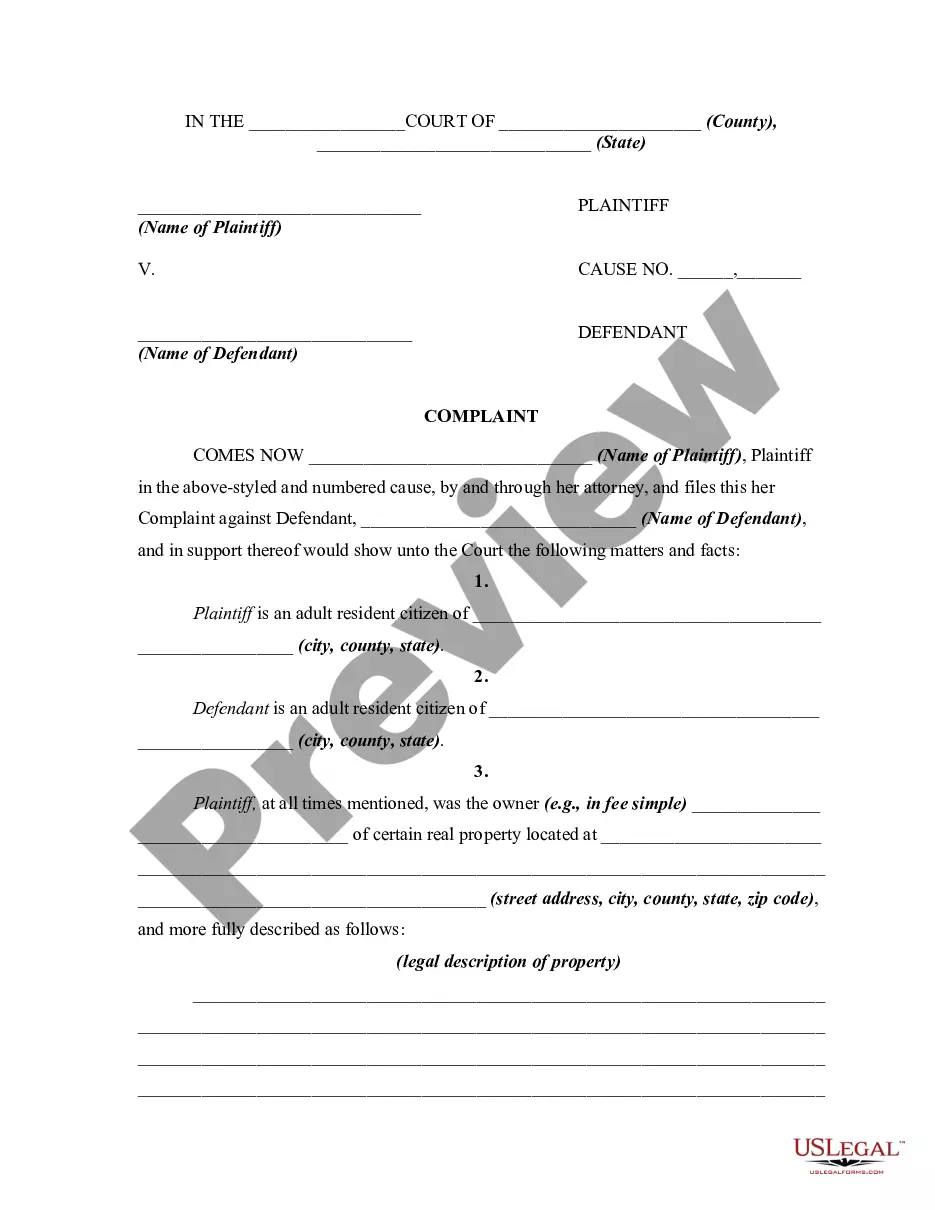


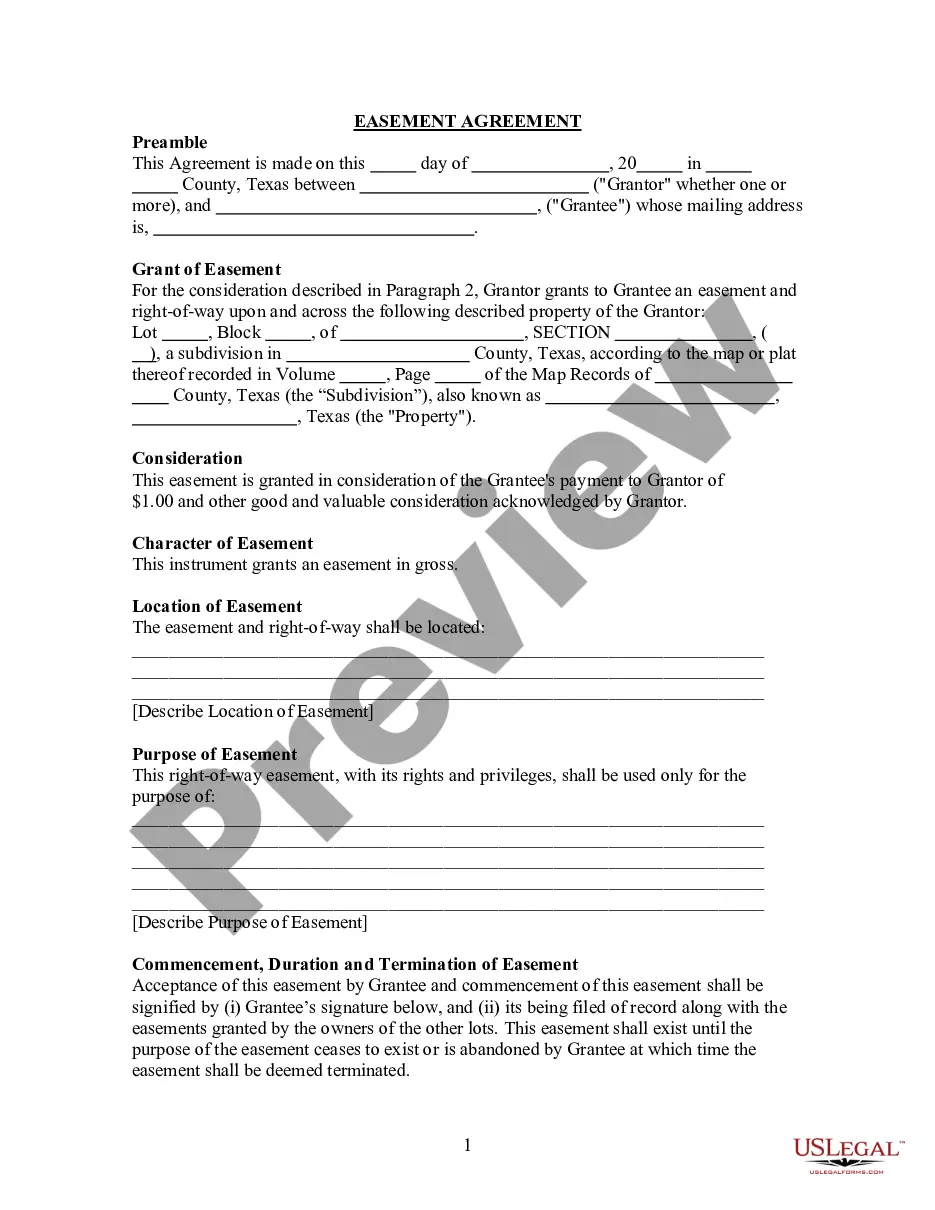



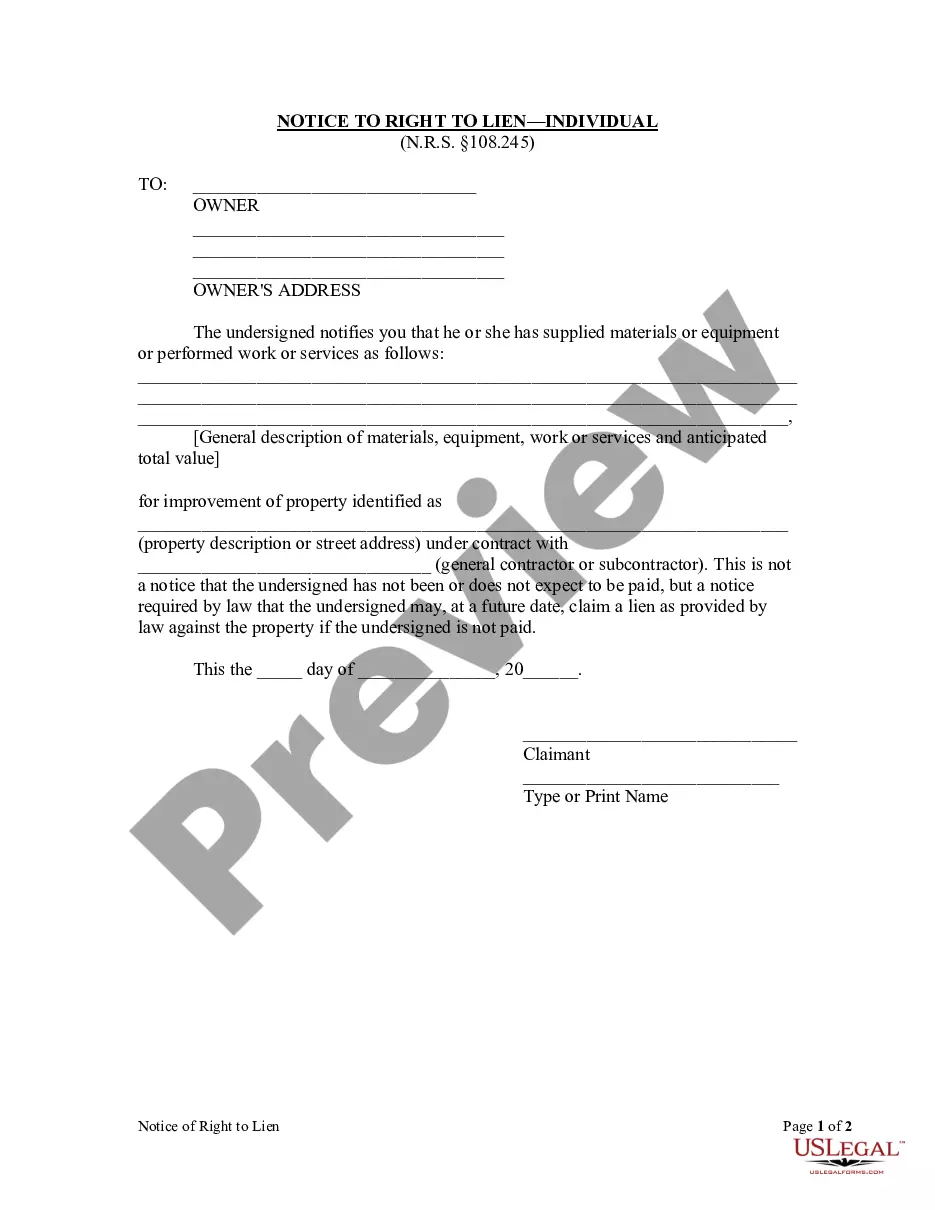
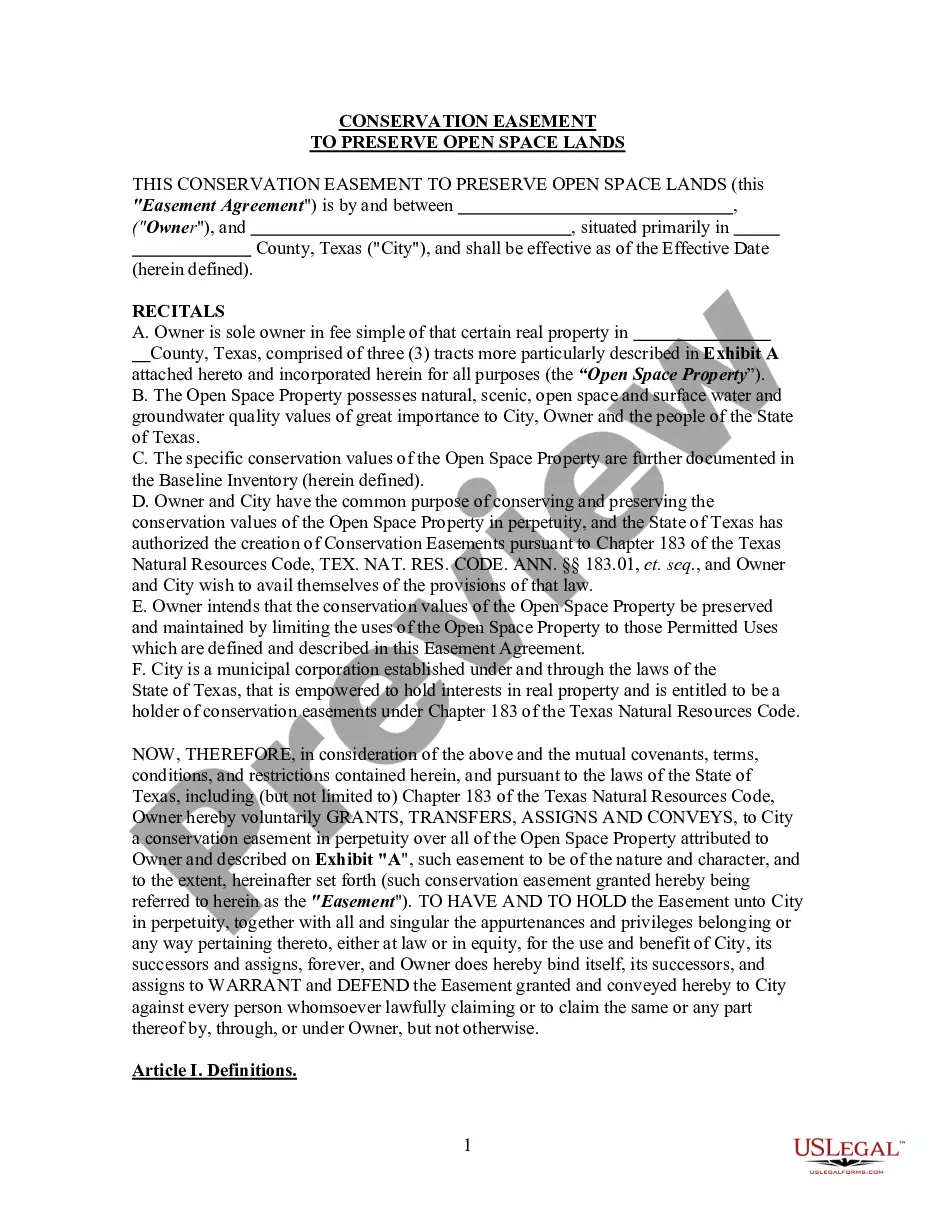
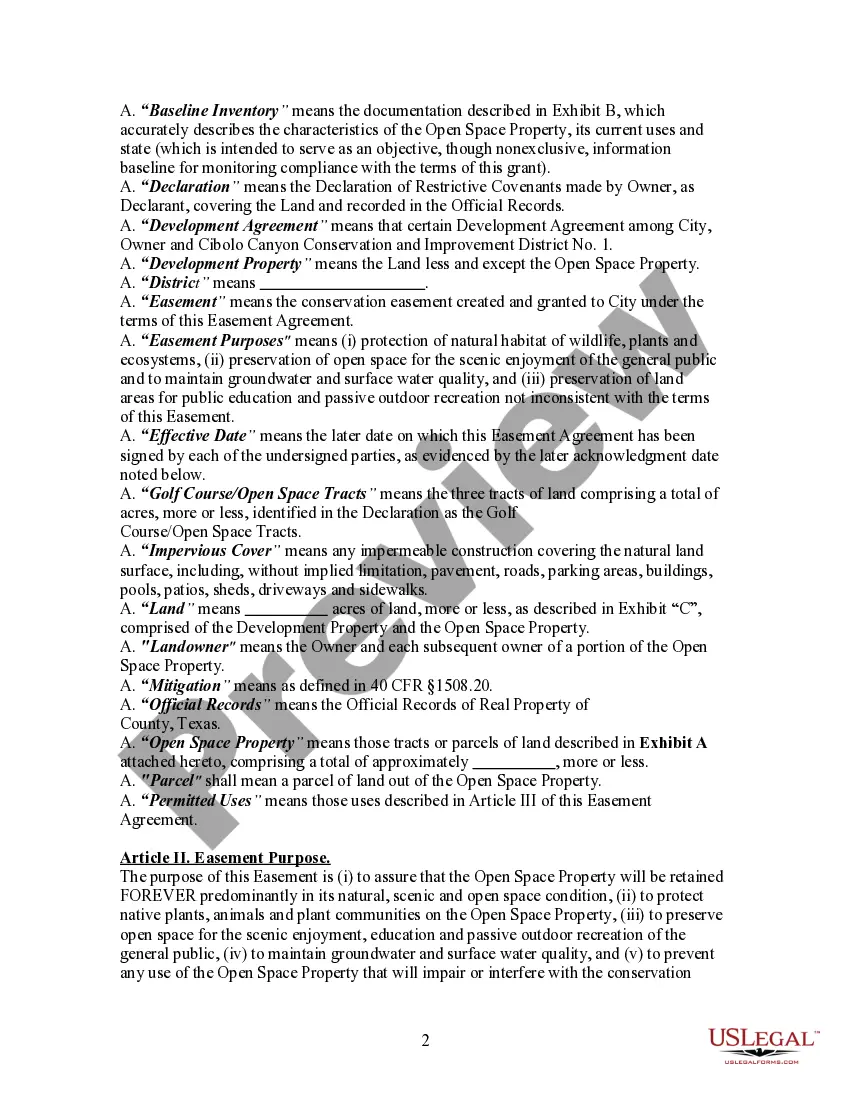
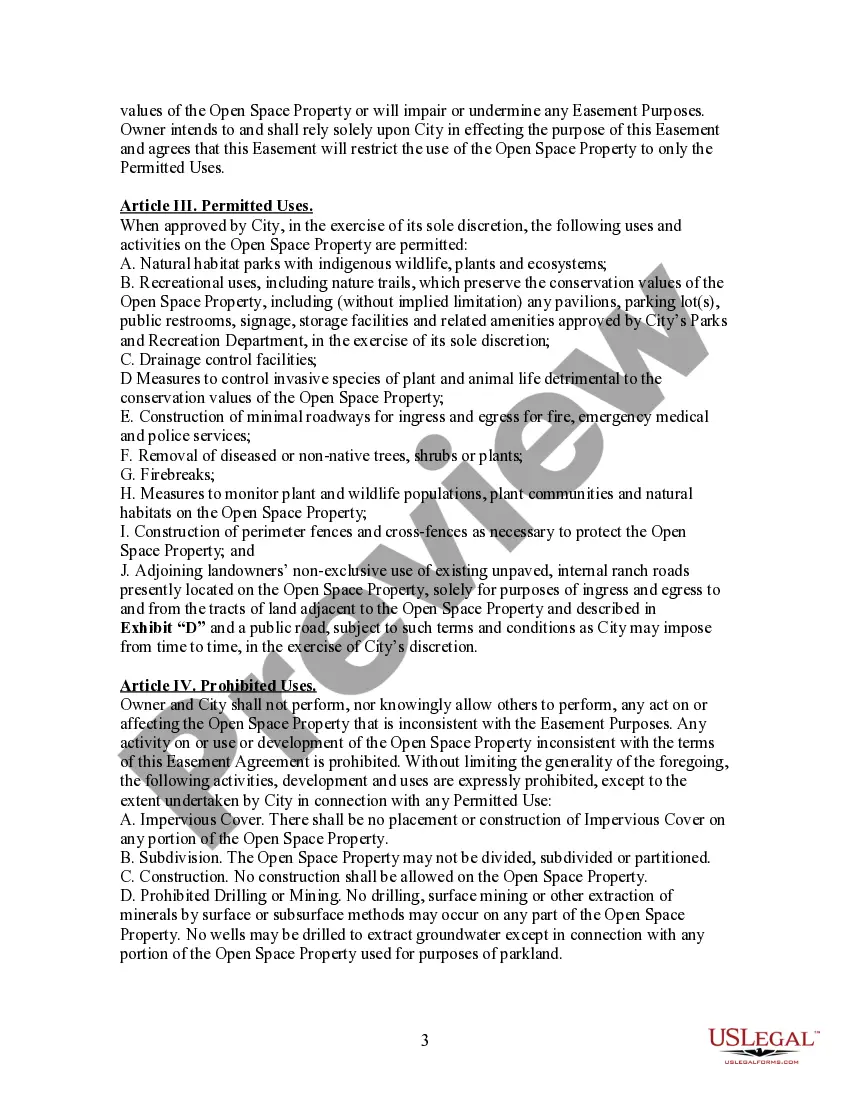
How to fill out Texas Conservation Easement To Preserve Open Space Lines?
Individuals often link legal documents to something complex that only an expert can manage.
In a certain sense, this holds true, as preparing Easement Rights requires comprehensive knowledge of subject criteria, including state and regional laws.
However, with US Legal Forms, the process has become more straightforward: ready-to-use legal templates for any personal and business circumstance related to state regulations are gathered in a single online library and are now accessible to everyone.
All templates in our library can be reused: once obtained, they remain stored in your profile. You can access them anytime you need through the My documents section. Discover all the benefits of using the US Legal Forms platform. Subscribe today!
- US Legal Forms offers over 85,000 current documents categorized by state and application area, making the search for Easement Rights or any specific template quick and easy.
- Returning users with an active subscription must Log In to their account and click Download to retrieve the document.
- New users on the platform must first create an account and subscribe before they can download any documents.
- Here are the step-by-step instructions on how to acquire the Easement Rights.
- Review the page content thoroughly to confirm it aligns with your requirements.
- Examine the form description or view it through the Preview function.
- If the previous template is not suitable, search for another example using the Search bar in the header.
- Once you find the appropriate Easement Rights, click Buy Now.
- Select a pricing plan that meets your needs and financial situation.
- Create an account or Log In to continue to the payment page.
- Complete your subscription payment via PayPal or with your credit card.
- Choose the file format and click Download.
- Print your document or upload it to an online editor for quicker completion.
Form popularity
FAQ
An easement is defined as a right, privilege or advantage in real property, existing distinct from the ownership of the land. In other words, easements consist of an interest (or estate) in real property that does not constitute full ownership.
In order to obtain an implied easement, the party seeking the easement is required to go to court, prove each of the required elements for the type of implied easement sought, obtain a court order granting the easement, and file the court order in the county deed records.
This 33-feet law is regardless of the specific right-of-way width. However, there is a waiver process if the posted speed limit is 35 mph or less and MaineDOT determines that the obstacle will not pose a safety risk to the traveling public.
Usually, the owner of the easement is responsible for maintenance (20 Florida Jurisprudence 2d Easements section 49 2014). The parties to an express easement may alter their responsibilities by agreement. The owner of an implied easement is responsible for its maintenance (Morrill v.
Because an easement represents an interest in land, it is required to be in writing, subscribed by the grantor, and delivered (Sec. 5.021). In order to be recorded, an easement deed must be signed by the grantor and properly acknowledged, sworn to with a jurat, or proved according to law (Sec. 12.001a).