Trust Account For Security Deposit
Description
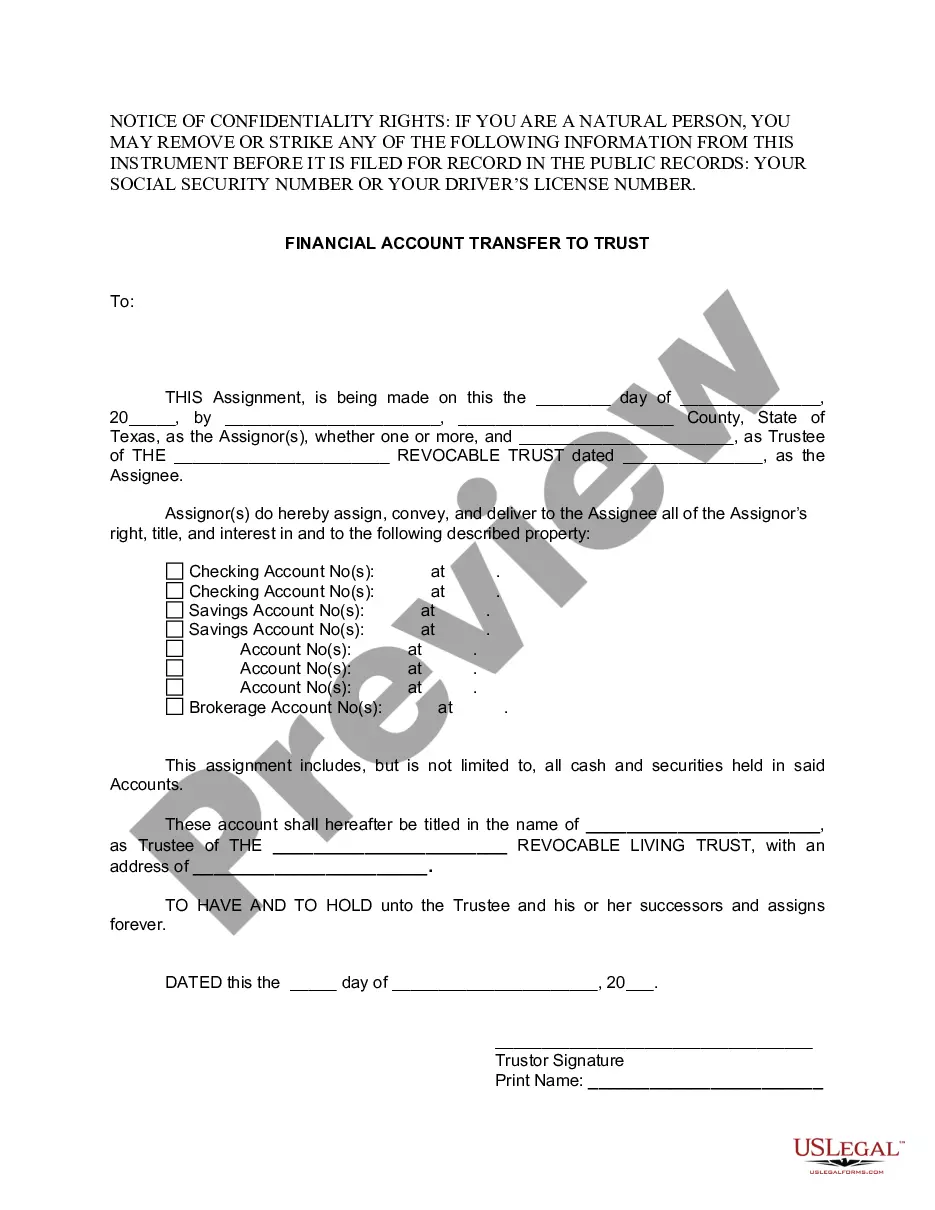
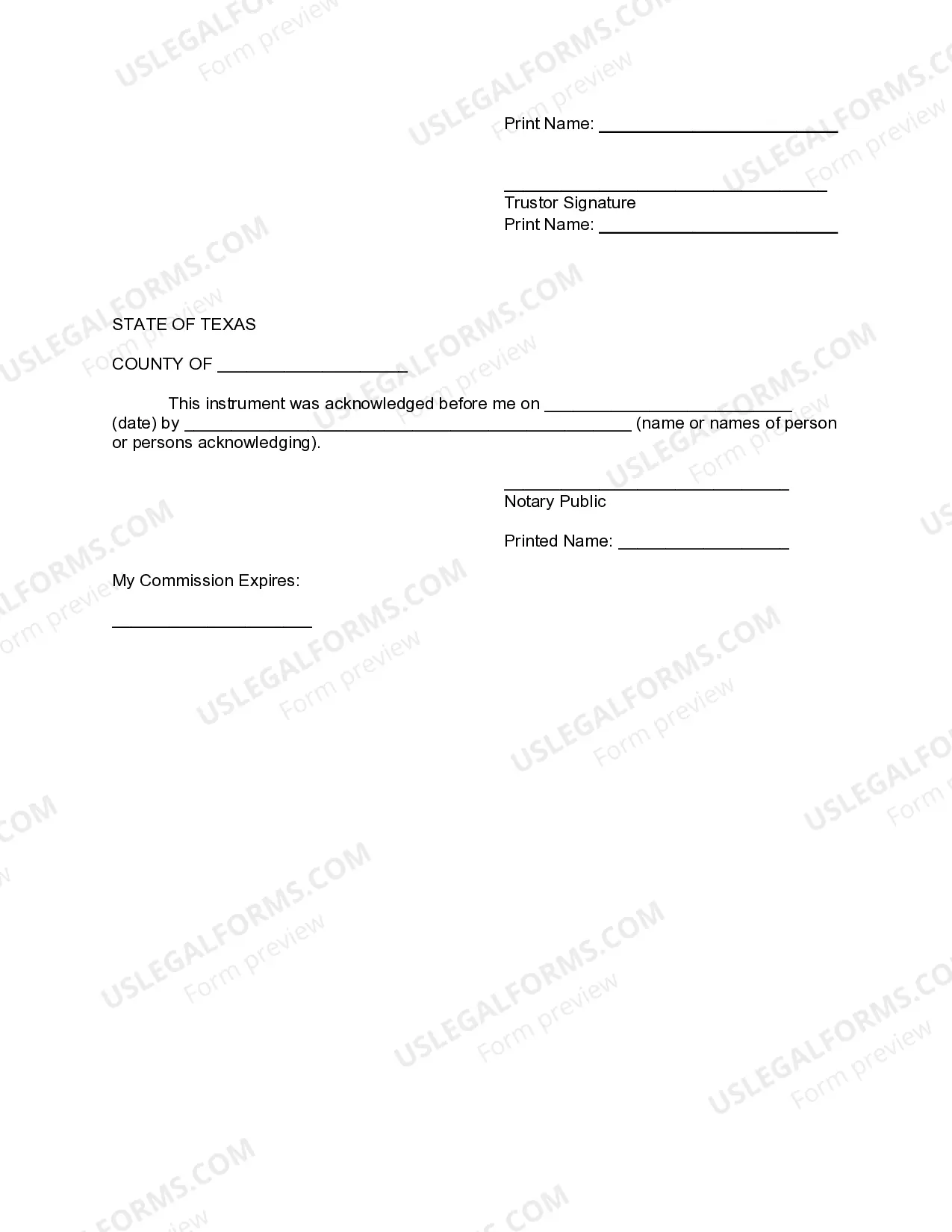

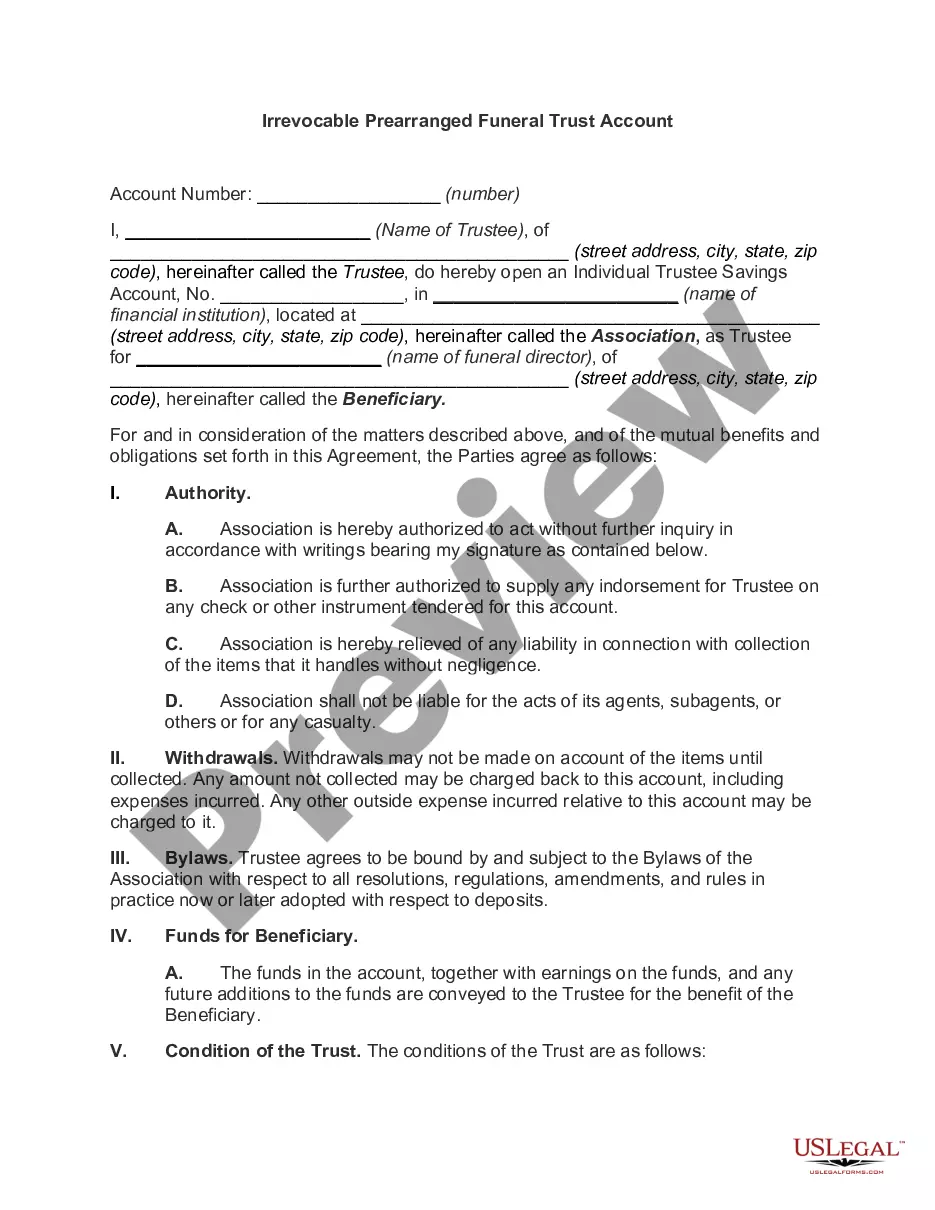
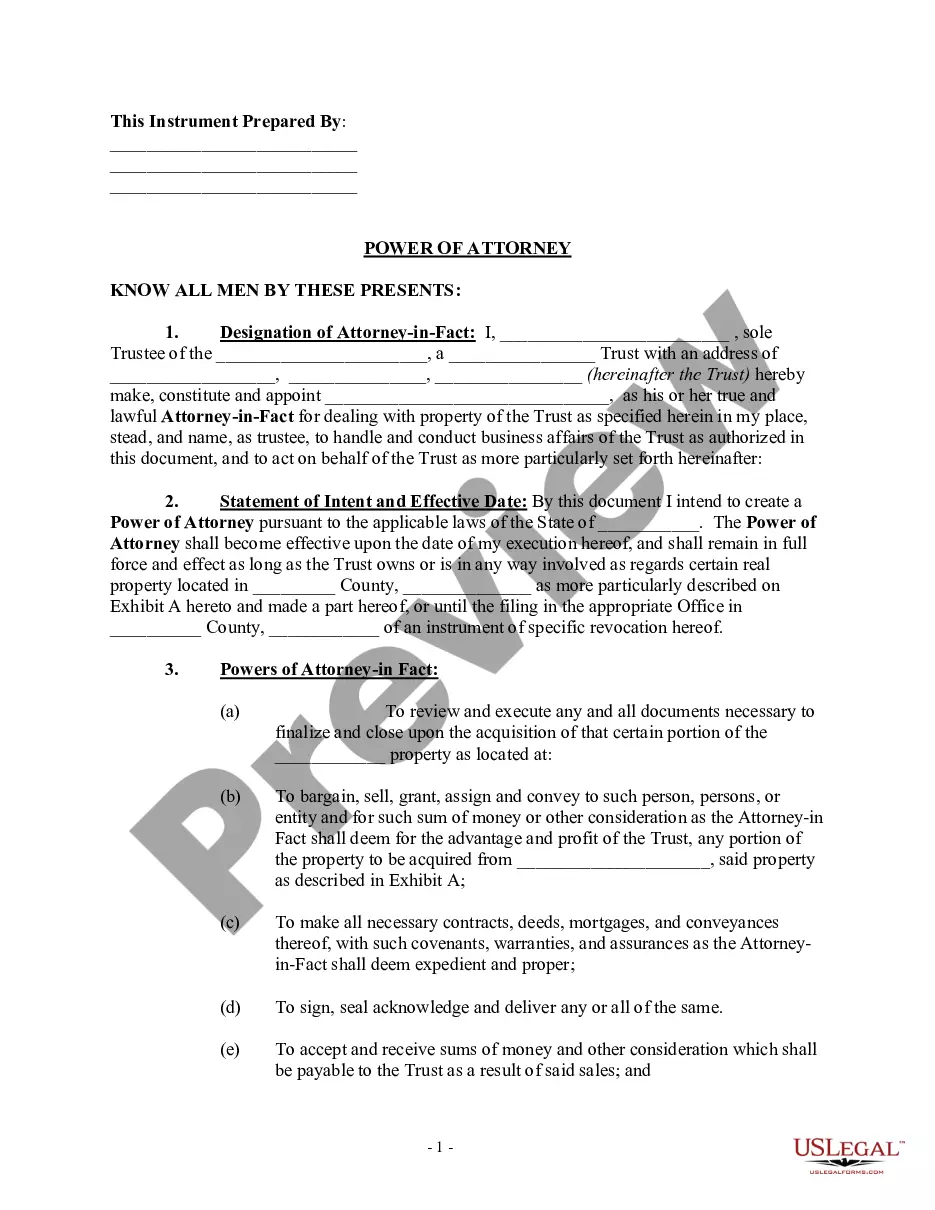
Get your form ready online
Our built-in tools help you complete, sign, share, and store your documents in one place.
Make edits, fill in missing information, and update formatting in US Legal Forms—just like you would in MS Word.
Download a copy, print it, send it by email, or mail it via USPS—whatever works best for your next step.
Sign and collect signatures with our SignNow integration. Send to multiple recipients, set reminders, and more. Go Premium to unlock E-Sign.
If this form requires notarization, complete it online through a secure video call—no need to meet a notary in person or wait for an appointment.
We protect your documents and personal data by following strict security and privacy standards.

Make edits, fill in missing information, and update formatting in US Legal Forms—just like you would in MS Word.

Download a copy, print it, send it by email, or mail it via USPS—whatever works best for your next step.

Sign and collect signatures with our SignNow integration. Send to multiple recipients, set reminders, and more. Go Premium to unlock E-Sign.

If this form requires notarization, complete it online through a secure video call—no need to meet a notary in person or wait for an appointment.

We protect your documents and personal data by following strict security and privacy standards.
Looking for another form?
How to fill out Texas Financial Account Transfer To Living Trust?
The Trust Account For Security Deposit detailed on this site is a reusable formal blueprint crafted by experienced attorneys in accordance with federal and state laws.
For over 25 years, US Legal Forms has supplied individuals, entities, and legal practitioners with more than 85,000 authenticated, state-specific documents for any commercial and personal situation. It’s the fastest, most direct, and most trustworthy method to acquire the paperwork you require, as the service guarantees banking-level data security and anti-malware safeguards.
Register for US Legal Forms to access verified legal templates for every aspect of life as needed.
- Search for the document you require and examine it. Scan through the sample you sought and preview it or review the form description to confirm it meets your requirements. If it does not, utilize the search feature to locate the suitable one.
- Register and sign in. Choose the payment plan that fits your needs and create an account. Use PayPal or a credit card for a swift transaction. If you already possess an account, sign in and check your subscription to proceed.
- Obtain the editable template. Select the format you desire for your Trust Account For Security Deposit (PDF, Word, RTF) and download the sample onto your device.
- Complete and sign the documentation. Print the template to finish it manually. Alternatively, employ an online multifunctional PDF editor to quickly and precisely complete and sign your form with an eSignature.
- Redownload your documents as needed. Access the same document at any time. Open the My documents section in your profile to redownload any forms previously obtained.
Form popularity
FAQ
You can open an escrow account for a security deposit at various financial institutions, specialized escrow companies, or law firms that offer escrow services. It's important to choose a reputable provider that follows regulatory guidelines to protect your funds. U.S. Legal Forms can assist you with templates and resources to facilitate this process.
If there is no written lease the tenant has no obligation to contribute towards insurance or do anything to the premises, other than to avoid deliberate damage. In this situation you will be out of pocket for the insurance premium and may find yourself with a steep clean up and decorating bill before you can re-let.
The two most common types of leases are operating leases and financing leases (also called capital leases). In order to differentiate between the two, one must consider how fully the risks and rewards associated with ownership of the asset have been transferred to the lessee from the lessor.
California's Statute of Frauds requires a lease to be in writing if it either: 1. has a term longer than one year; or 2. has a term less than one year which expires more than one year after the agreement is reached.
This form is a residential tenancy agreement (standard lease).
1. Gross Lease. Gross leases are most common for commercial properties such as offices and retail space. The tenant pays a single, flat amount that includes rent, taxes, utilities, and insurance.
The landlord cannot increase the rent, decrease the services provided, or evict a tenant for asking that repairs be made or for notifying Code Enforcement of defects in the property. 3. The right to a rental unit that is habitable and compliant with all building and housing codes (KRS 383.595).
Does the tenant have rights if the lease is oral (not written)? Yes. This kind of lease is valid and creates the same rights and responsibilities as a written lease. But the landlord must give the tenant a special form.
There are different types of leases, but the most common types are absolute net lease, triple net lease, modified gross lease, and full-service lease. Tenants and proprietors need to understand them fully before signing a lease agreement.