Closing Statement Trial Example

Description
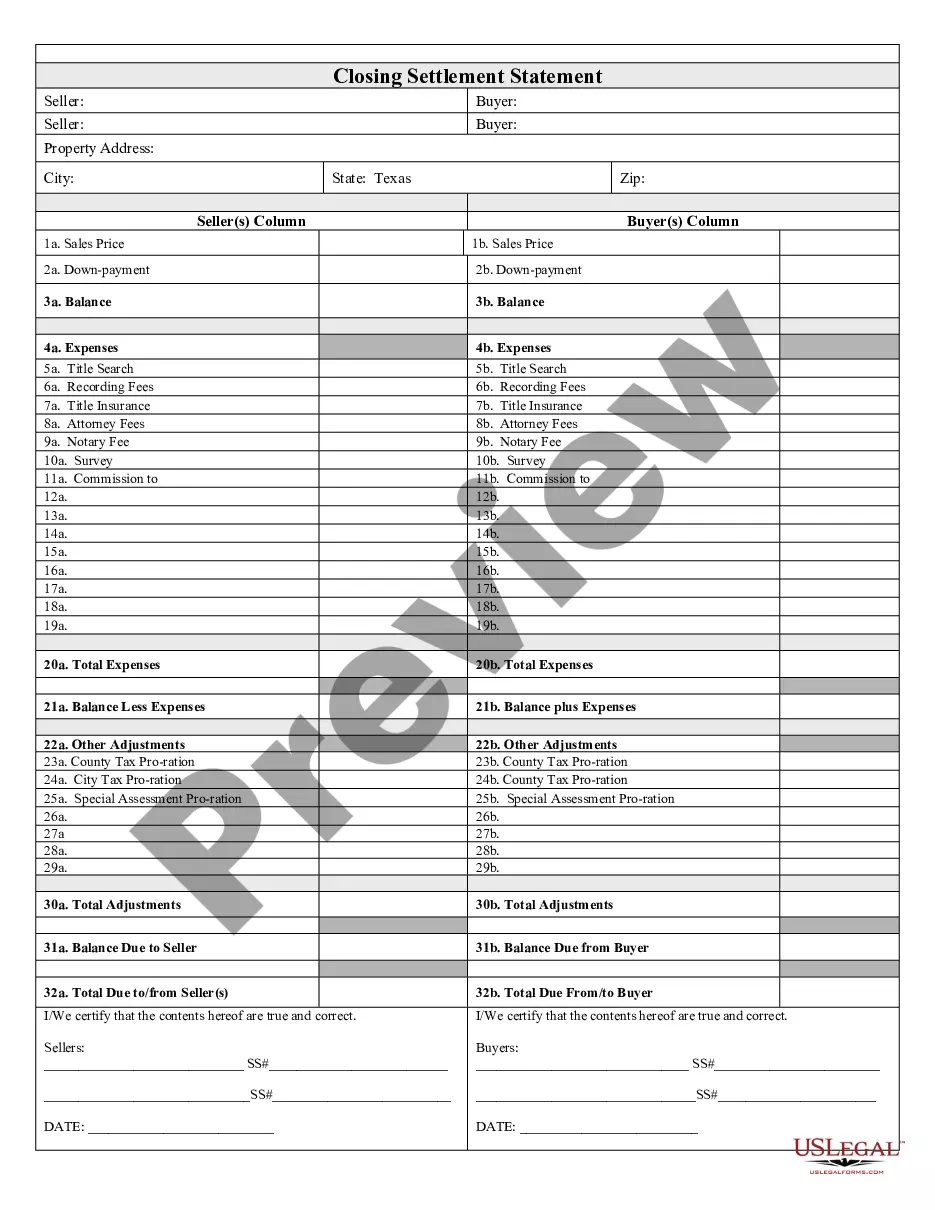

Get your form ready online
Our built-in tools help you complete, sign, share, and store your documents in one place.
Make edits, fill in missing information, and update formatting in US Legal Forms—just like you would in MS Word.
Download a copy, print it, send it by email, or mail it via USPS—whatever works best for your next step.
Sign and collect signatures with our SignNow integration. Send to multiple recipients, set reminders, and more. Go Premium to unlock E-Sign.
If this form requires notarization, complete it online through a secure video call—no need to meet a notary in person or wait for an appointment.
We protect your documents and personal data by following strict security and privacy standards.

Make edits, fill in missing information, and update formatting in US Legal Forms—just like you would in MS Word.

Download a copy, print it, send it by email, or mail it via USPS—whatever works best for your next step.

Sign and collect signatures with our SignNow integration. Send to multiple recipients, set reminders, and more. Go Premium to unlock E-Sign.

If this form requires notarization, complete it online through a secure video call—no need to meet a notary in person or wait for an appointment.

We protect your documents and personal data by following strict security and privacy standards.
Looking for another form?
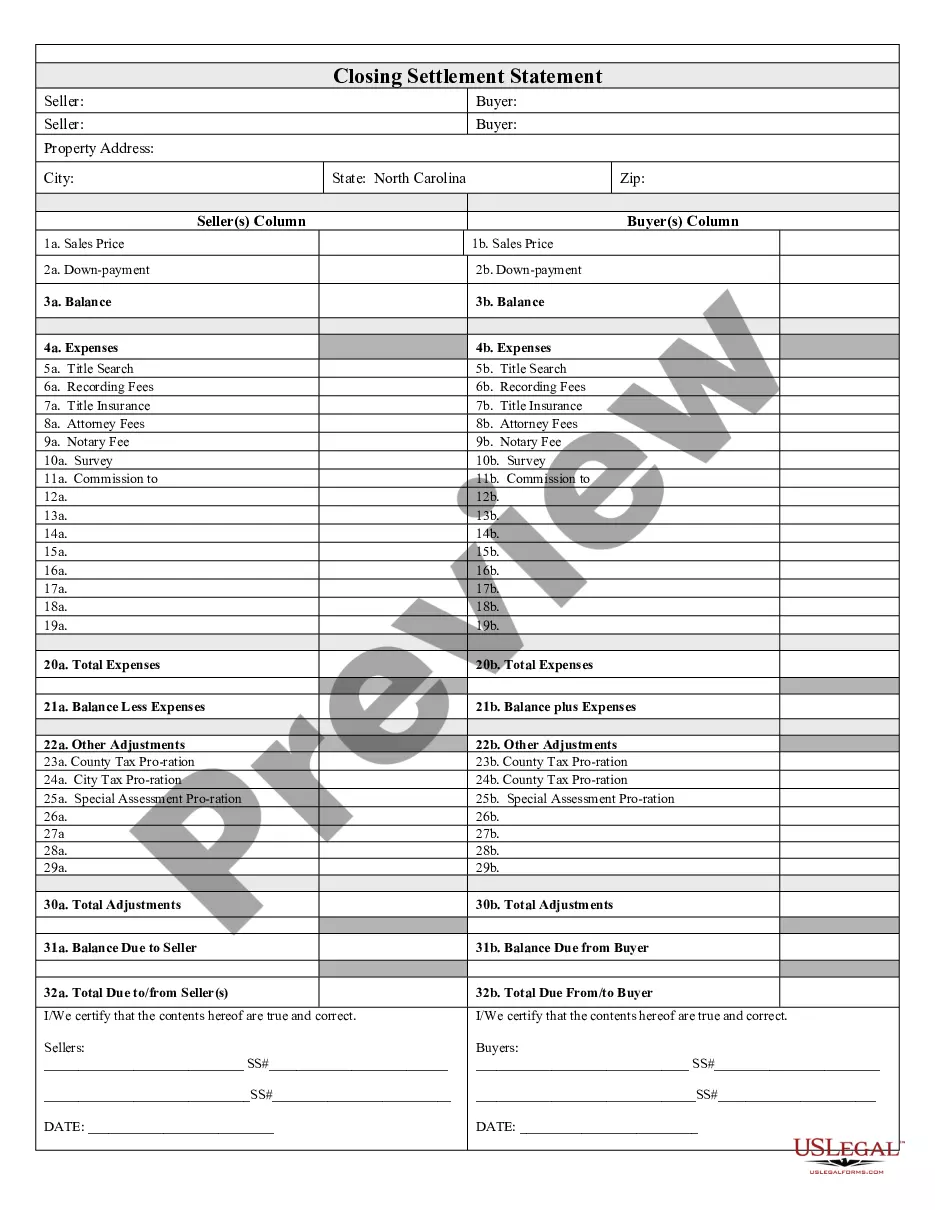
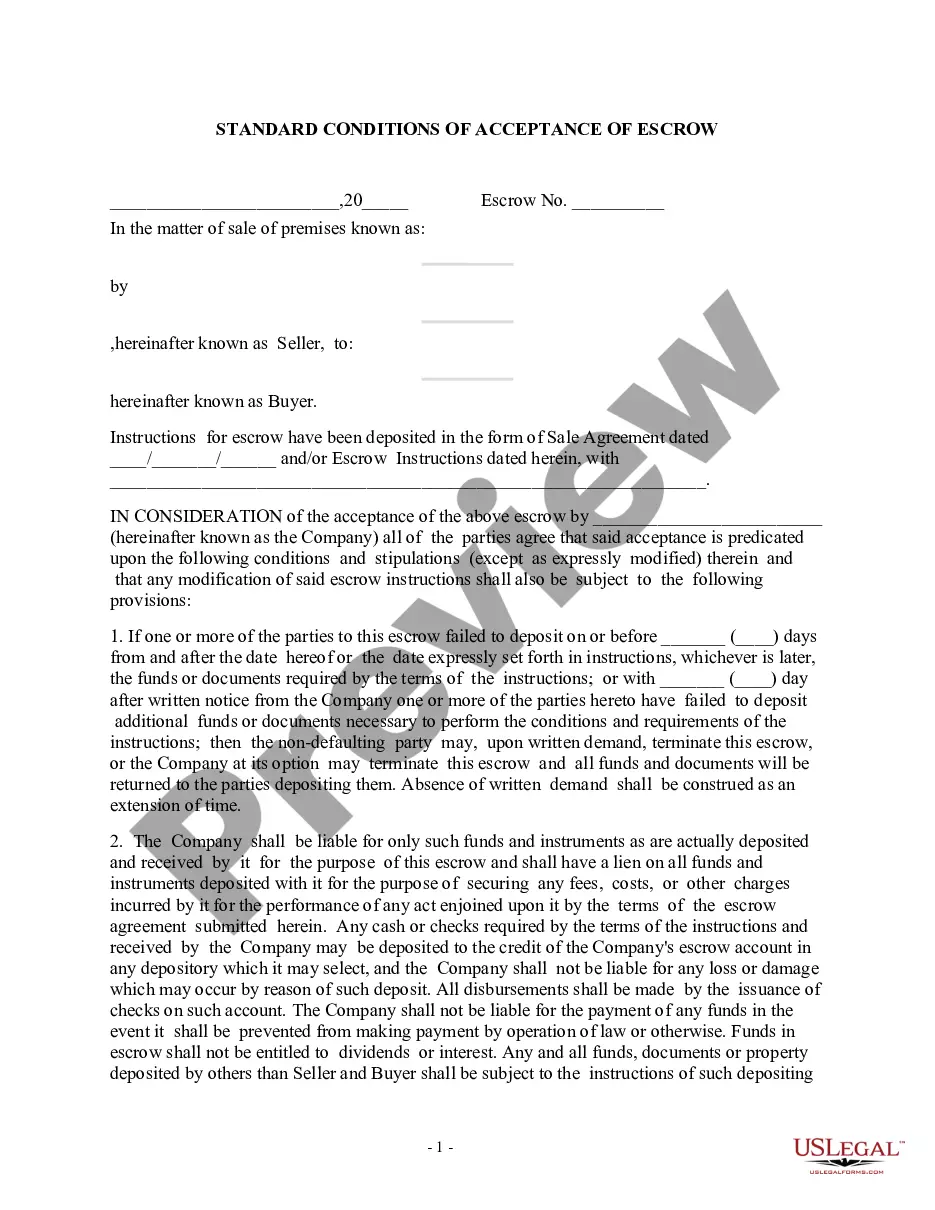
How to fill out Texas Closing Statement?
Acquiring legal documents that comply with federal and local regulations is crucial, and the web provides a plethora of choices to select from.
However, what’s the benefit of spending time searching for the suitable Closing Statement Trial Example template online if the US Legal Forms digital library already compiles such documents in one location.
US Legal Forms is the premier online legal repository with more than 85,000 editable templates prepared by attorneys for any business and personal situation. They are user-friendly with all files organized by state and intended use.
All templates available through US Legal Forms are reusable. To re-download and complete previously saved documents, access the My documents section in your account. Experience the most comprehensive and user-friendly legal document service!
- Our experts keep abreast of legislative changes, ensuring that your form is current and compliant when acquiring a Closing Statement Trial Example from our site.
- Retrieving a Closing Statement Trial Example is quick and straightforward for both existing and new users.
- If you already possess an account with an active subscription, Log In and obtain the document sample you need in your desired format.
- If you are a newcomer to our site, follow the steps outlined below.
- Review the template using the Preview feature or through the text description to confirm it meets your requirements.
Form popularity
FAQ
A strong closing statement effectively encapsulates the case's essence. For instance, you might say, 'The evidence shows that the defendant acted with intent, and the witness testimonies corroborate this fact.' This type of powerful closing statement trial example not only summarizes the evidence clearly but also appeals to the emotions of the jury. Using a platform like uslegalforms can help you find templates and examples to craft your own strong closing statement.
When preparing a closing statement for a hearing, focus on clarity and conciseness. Begin by recapping the main points discussed during the hearing, then reiterate your position clearly. Make sure to address any counterarguments respectfully, reinforcing the merits of your case. A strong closing statement trial example in a hearing should leave a lasting impression and summarize your arguments effectively.
To write an effective closing statement for a trial, start by summarizing the key evidence presented. Clearly outline how this evidence supports your client's position. Use a logical structure to guide the jury through your arguments, emphasizing emotional and factual appeals. A compelling closing statement trial example often highlights the strengths of your case while addressing any weaknesses.
At the conclusion of the case we would ask you to find that my client is innocent. The state has not met its burden of proof, and we would ask for a verdict of not guilty. Thank you.
Anatomy of a Closing Argument : The Basics An Introduction: ... Theory of the case. ... A brief review of what you (or the other side) must prove or disprove. ... Tell the jury what the evidence has (and has not) shown and how the elements that need to be shown have (or have not) been proven. ... A conclusion.
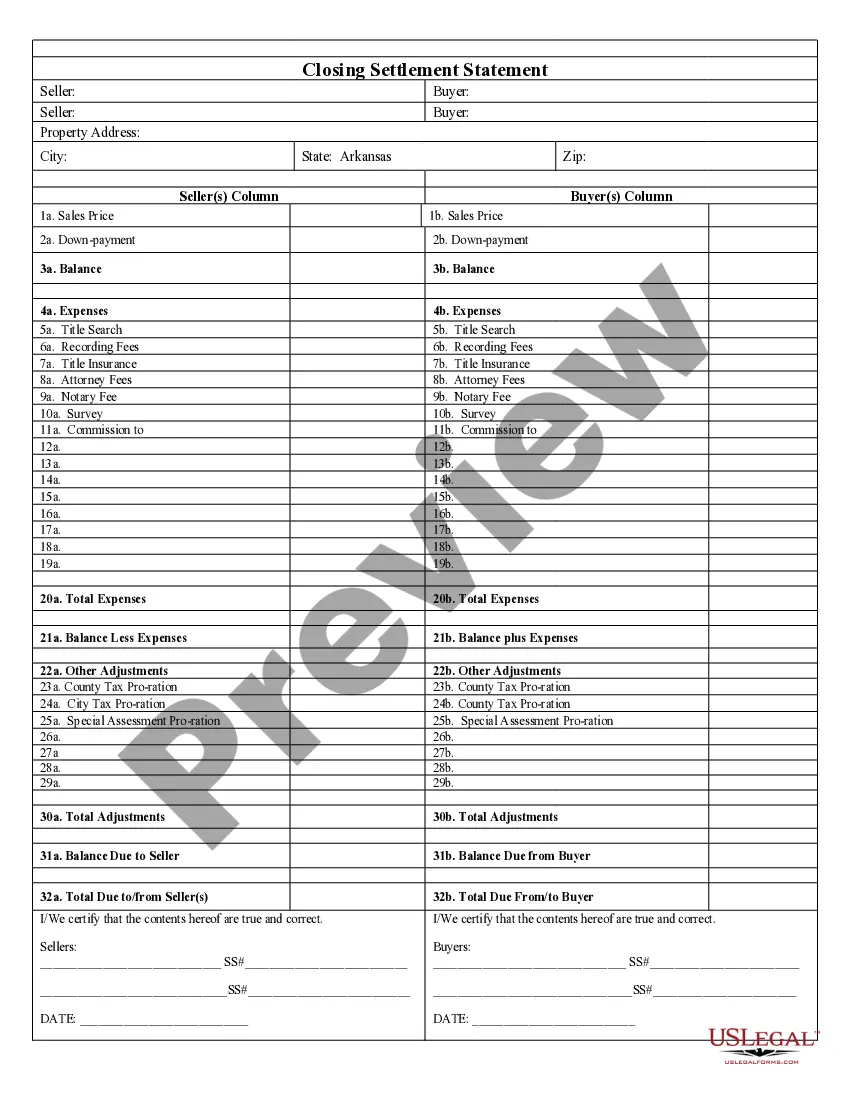
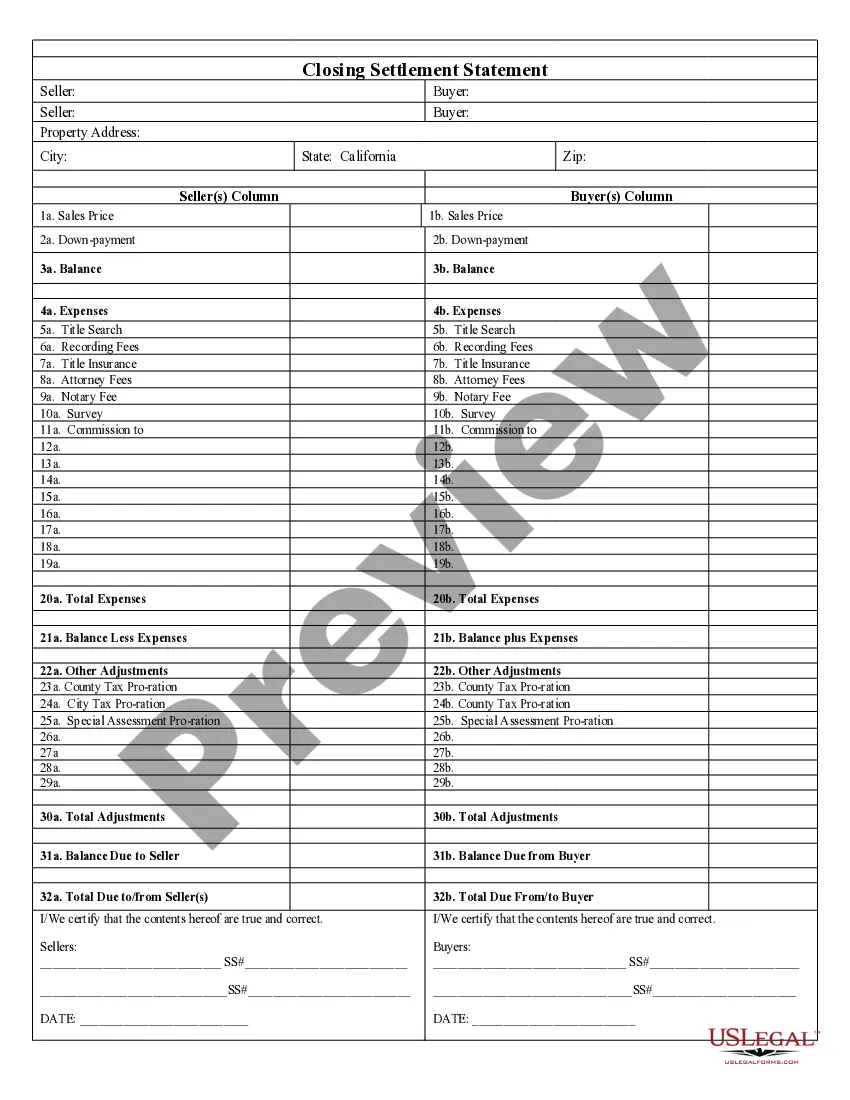
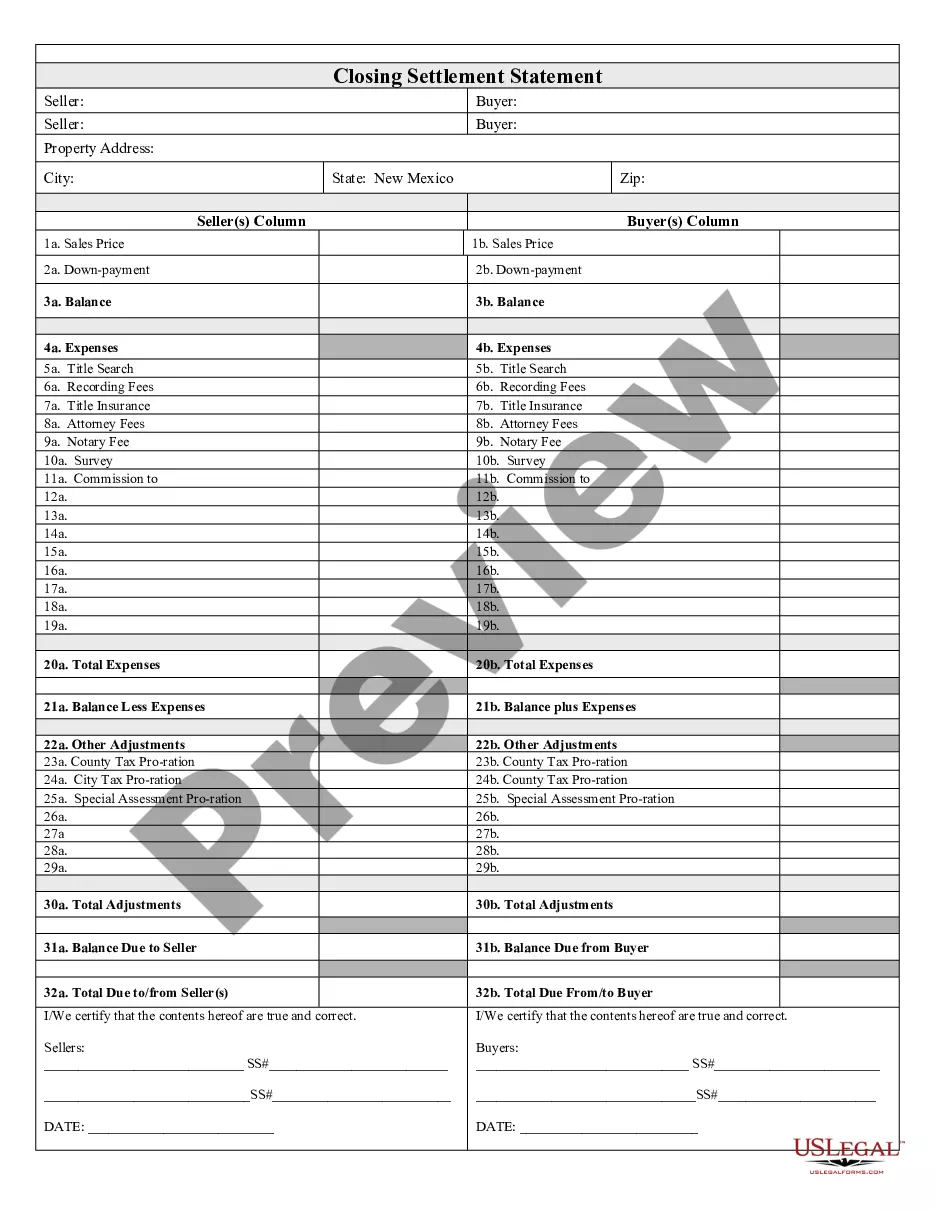
The closing statement should also detail the purchase price of the home, deposits paid by the buyer, and seller credits. Prorated amounts. If a buyer or seller is paying prorated amounts toward property taxes or homeowners association (HOA) fees, then these also would be included on the closing statement.
You should explain how the facts and law require that those issues by resolved in favor of your client. Summarize the facts that have been presented through the evidence. Stress how these facts have confirmed the representations that you made in opening.
You can structure any closing argument in any criminal case the same way. You need to break down what the elements of the offense are, and how each element is met. During your closing argument, you should also anticipate the points that the defense may bring up during their closing.