General Denial Form Texas
Description
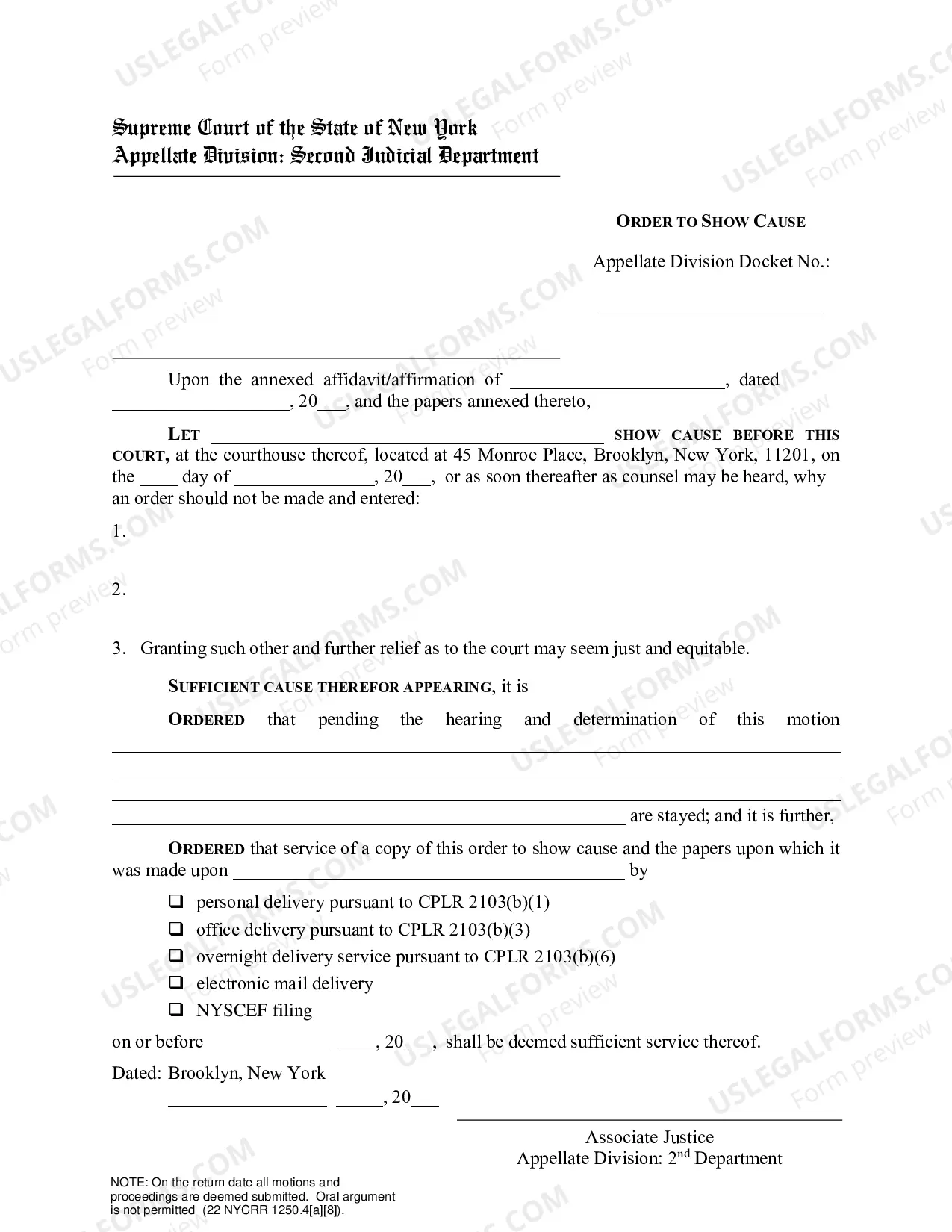



How to fill out Texas Defendants Answer And General Denial?
Handling legal documents and processes can be a labor-intensive addition to your day.
General Denial Form Texas and similar forms frequently necessitate you to locate them and comprehend how to fill them out correctly.
Thus, if you are managing financial, legal, or personal issues, having a thorough and user-friendly online directory of forms when needed will significantly help.
US Legal Forms is the leading online platform for legal templates, featuring over 85,000 state-specific documents and an array of tools to help you complete your paperwork swiftly.
Is this your first time using US Legal Forms? Sign up and create your account in just a few minutes, and you will gain access to the form catalog and General Denial Form Texas. Then, follow the steps below to complete your form: Ensure you have located the correct form using the Review option and reading the form details. Select Buy Now when ready, and choose the monthly subscription plan that fits your needs. Click Download, then fill out, sign, and print the form. US Legal Forms has twenty-five years of experience helping clients manage their legal documents. Find the form you need today and simplify any process effortlessly.
- Explore the collection of relevant documents available with just a single click.
- US Legal Forms offers you state- and county-specific forms accessible anytime for download.
- Safeguard your document management tasks by utilizing a high-quality service that allows you to prepare any form in minutes without extra or concealed charges.
- Simply Log In to your profile, locate General Denial Form Texas, and download it immediately from the My documents section.
- You can also access previously downloaded forms.
Form popularity
FAQ
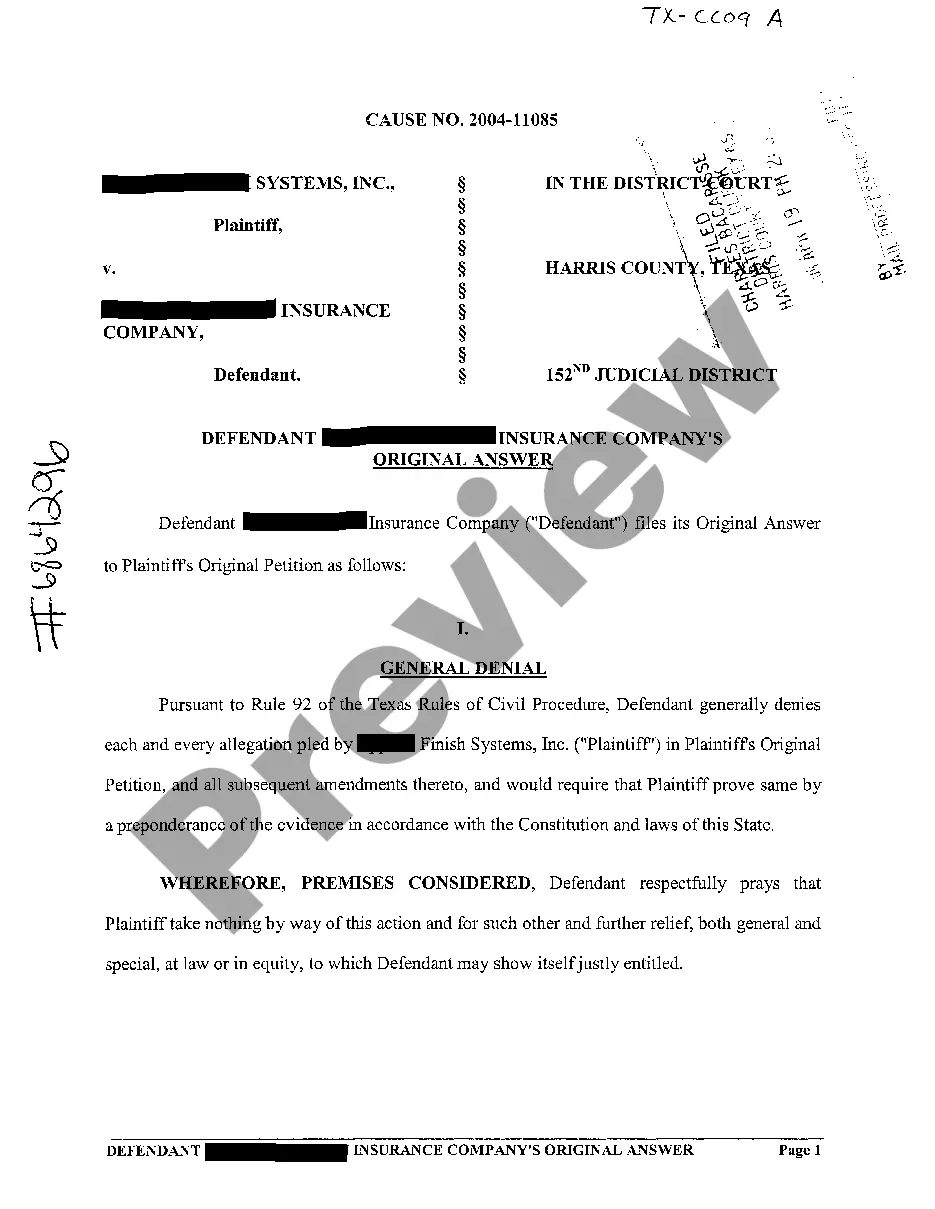
N. a statement in an answer to a lawsuit or claim by a defendant in a lawsuit, in which the defendant denies everything alleged in the complaint without specifically denying any allegation.
Your answer can be a handwritten letter to the court that says you do not agree with the lawsuit. Include your case (cause) number and mailing address and any defenses you may have to the lawsuit; for example, the amount they claim you owe is incorrect, the account isn't yours, or the debt is older than 4 years.
There are two main ways to serve this General Denial: by personal delivery or by mail. It may be served by anyone at least 18 years of age EXCEPT you or any other party to this legal action. Be sure that whoever serves the General Denial fills out and signs a proof of service.
In Texas, it is sufficient for the Respondent to file a ?general denial? answer ? that is, as the name suggests, an answer that generally denies the Petitioner's allegations. The Respondent also has the opportunity to deny specific allegations in the Petition.
When the defendant has pleaded a general denial, and the plaintiff shall afterward amend his pleading, such original denial shall be presumed to extend to all matters subsequently set up by the plaintiff.