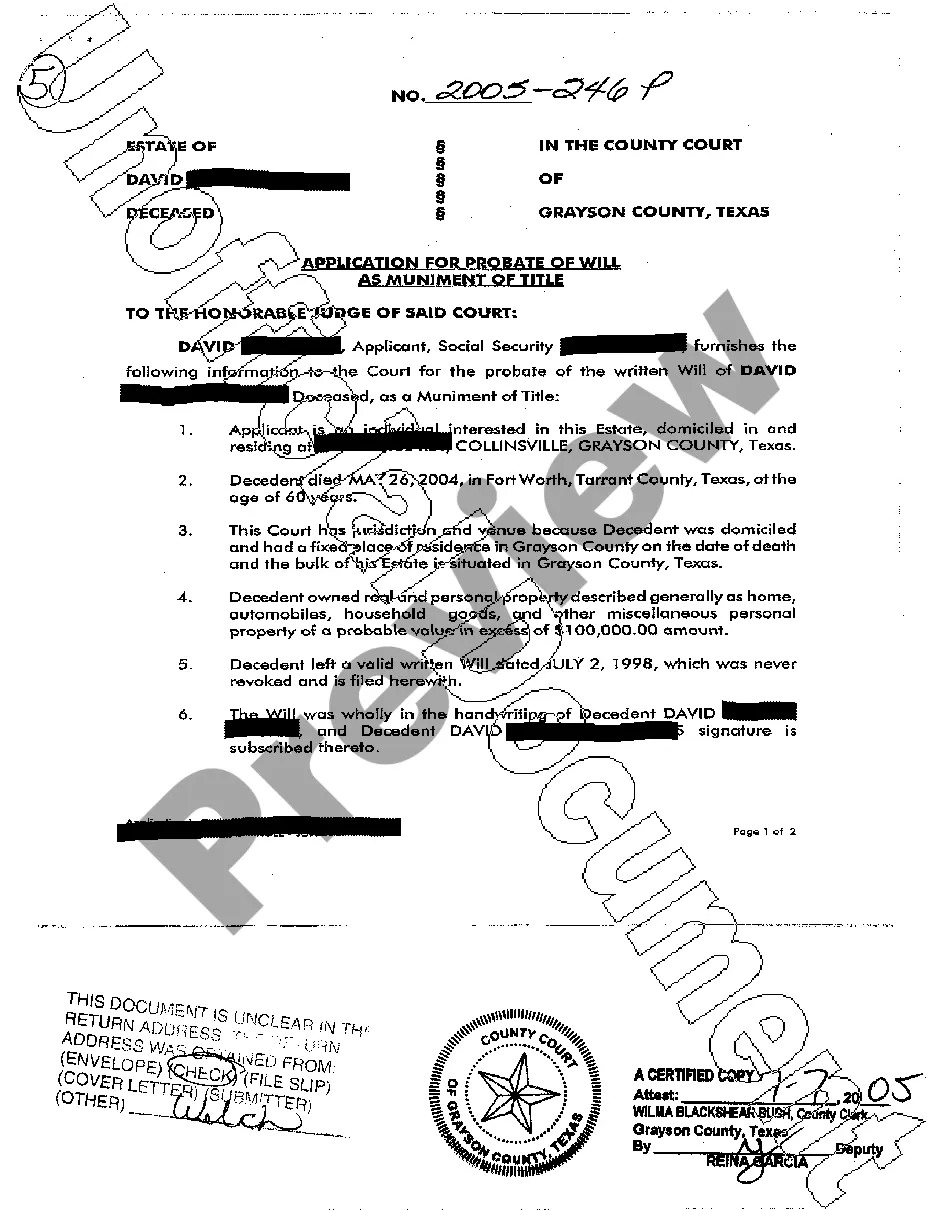
Will As Muniment Of Title In Texas
Description
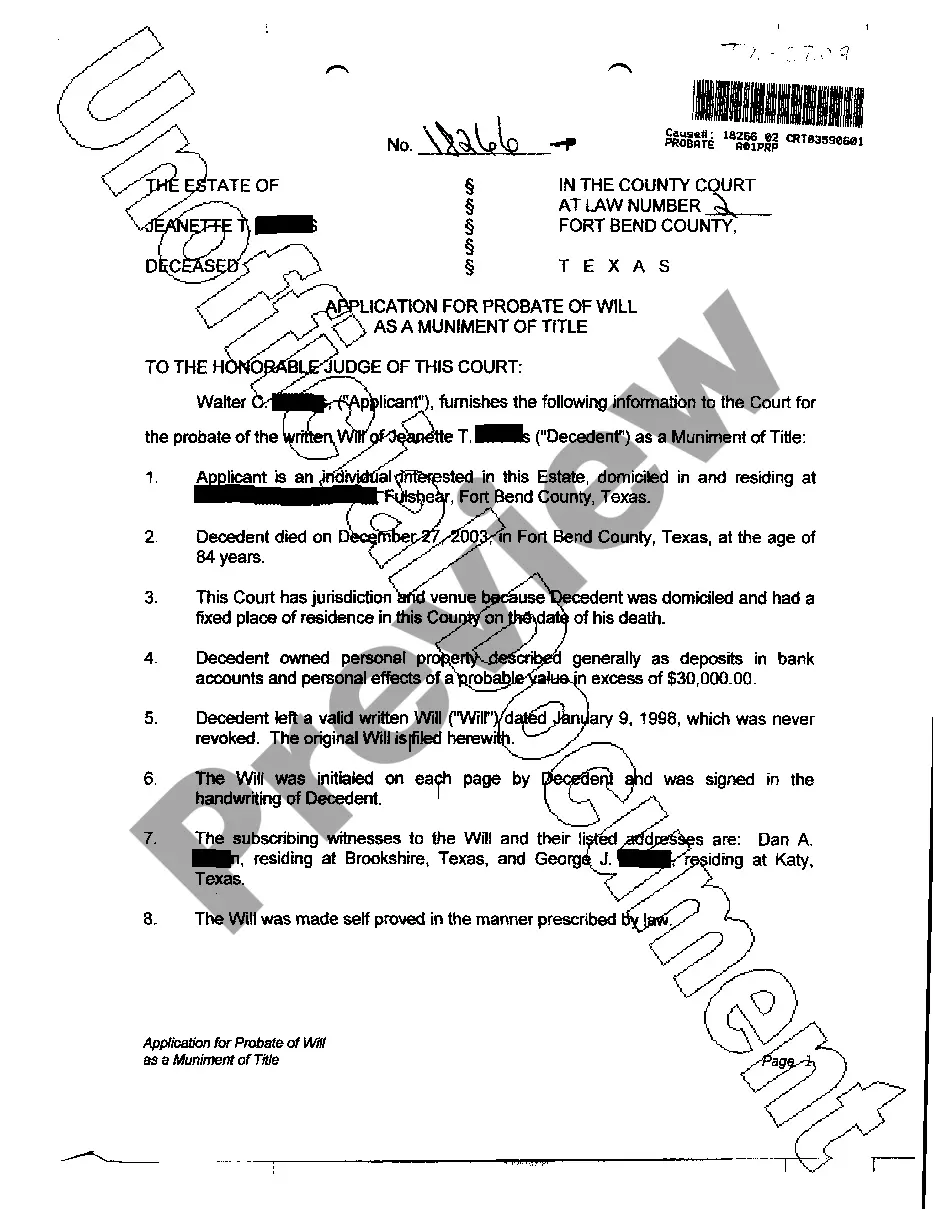
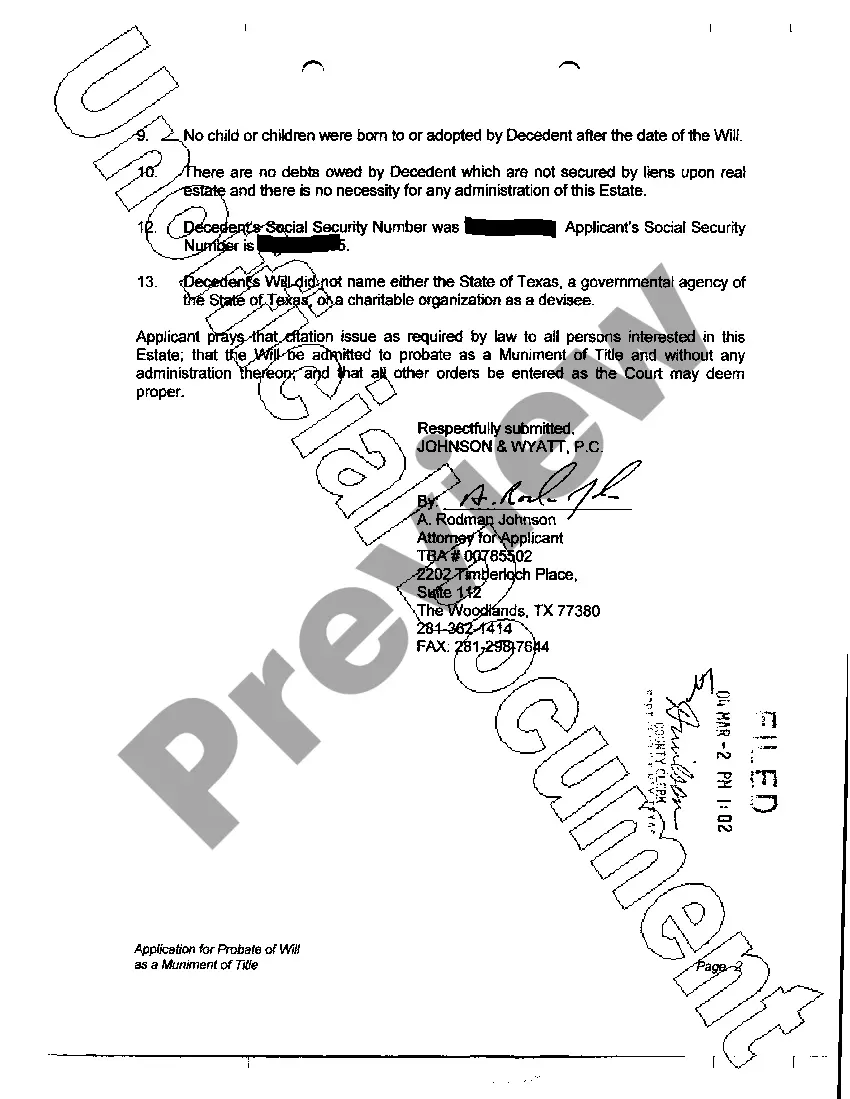
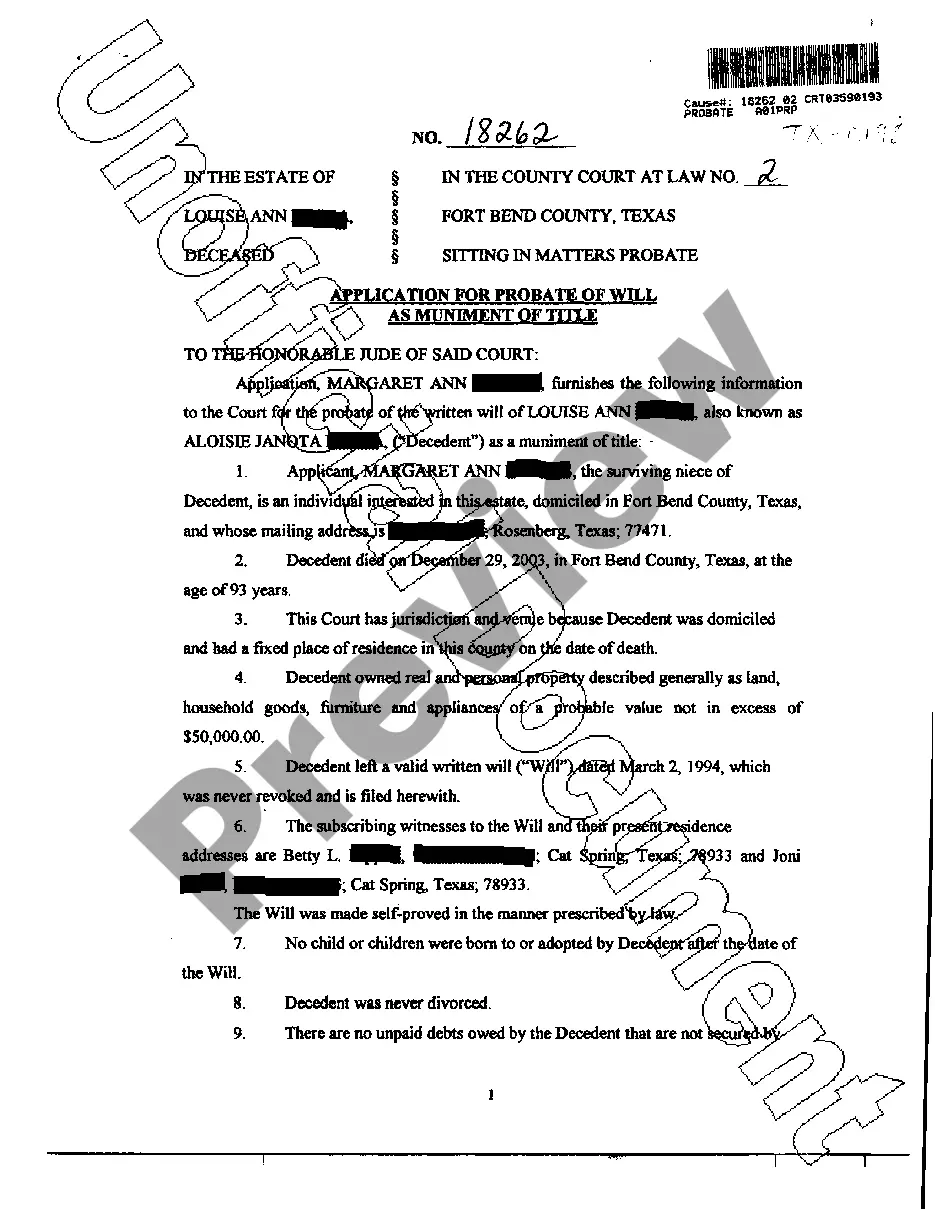

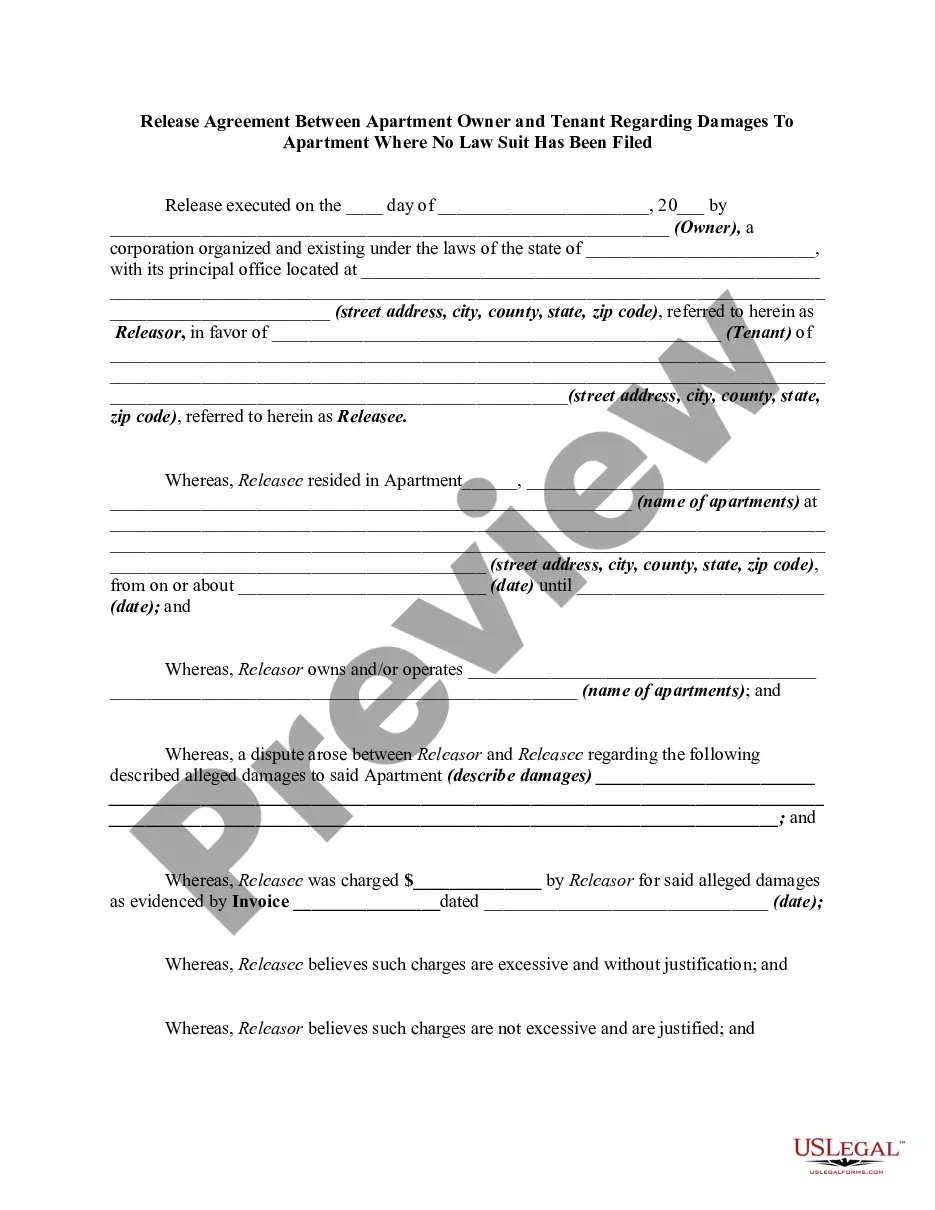

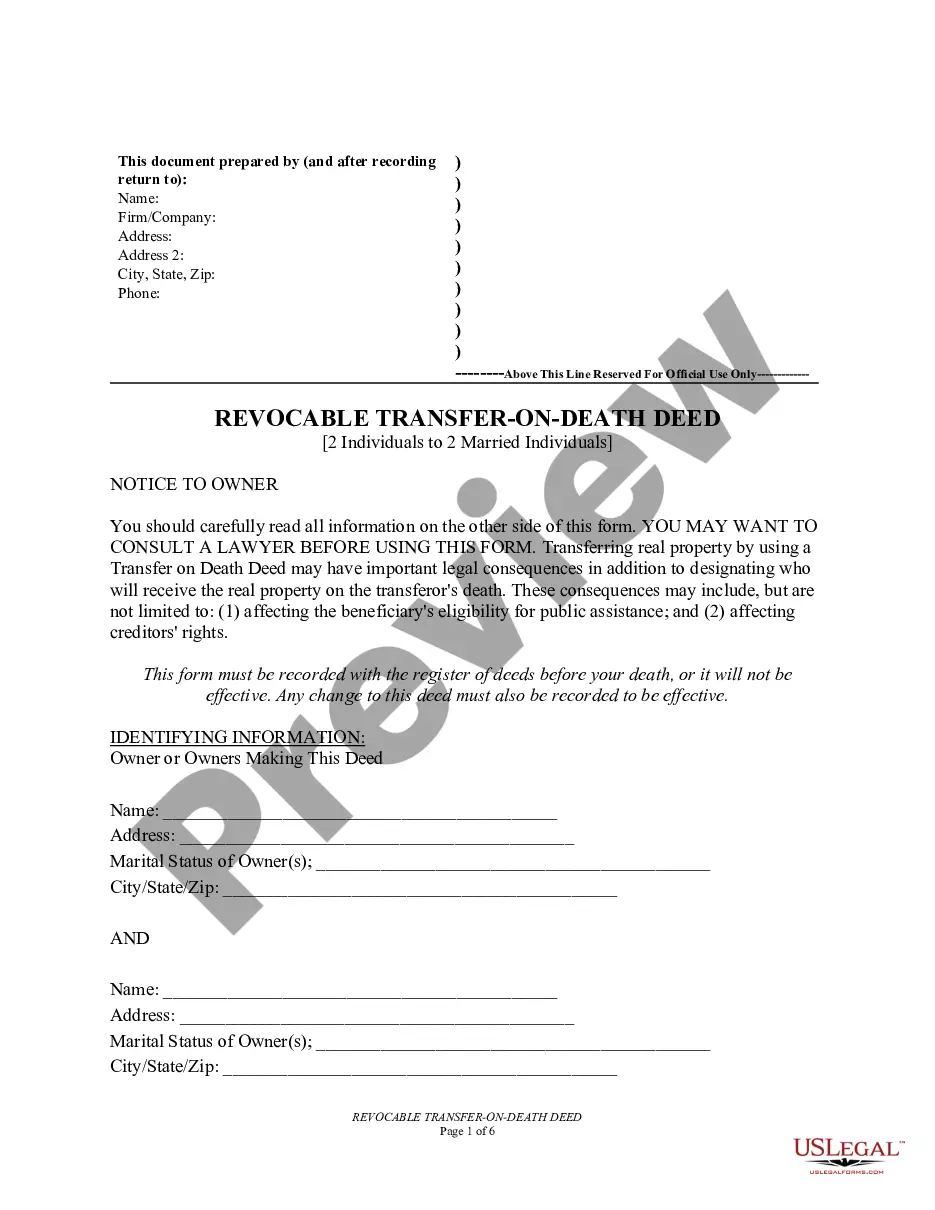
How to fill out Texas Application For Probate Of Will As A Muniment Of Title?
Managing legal documents can be incredibly confusing, even for the most seasoned professionals.
When you are in search of a Will As Muniment Of Title In Texas and lack the time to dedicate to finding the correct and current version, the tasks can be challenging. A robust web form directory could be a significant advantage for anyone wanting to handle these matters efficiently.
Gain access to a resource pool of articles, guides, and manuals related to your situation and requirements.
Save time and effort searching for the documents you require, and utilize US Legal Forms’ sophisticated search and Review feature to locate Will As Muniment Of Title In Texas and acquire it.
Ensure that the template is accepted in your state or county. Click Buy Now when you're ready. Select a subscription plan, choose your desired file format, and Download, complete, sign, print, and submit your documents. Experience the US Legal Forms web library, supported by 25 years of expertise and dependability. Transform your document management into a smooth and user-friendly process starting today.
- Log in to your US Legal Forms account if you have a membership.
- Search for the form and obtain it.
- Check your My documents tab to view the documents you've previously downloaded and to manage your files as desired.
- If it’s your initial experience with US Legal Forms, create an account for unlimited access to all the platform's advantages.
- Once you have acquired the form you need, validate that this is the correct form by previewing it and reviewing its description.
- Obtain state- or county-specific legal and business paperwork.
- US Legal Forms encompasses all needs you may encounter, ranging from personal to business documents, all in one place.
- Utilize innovative tools to complete and manage your Will As Muniment Of Title In Texas.
Form popularity
FAQ
What are the requirements for a valid will in Texas? The will must be in writing. ... The will must be signed by the person making the will. The person making the will must be eighteen or older. The person making the will must be "of sound mind." ... The person making the will must have "testamentary intent."
For a muniment of title proceeding, the filing fee with the county clerk is usually about $475.
An Executor's Deed in Texas is used to transfer real property from the estate of a deceased property owner to the heir or heirs designated in their Will. It is signed by a court appointed Executor, who is the person named in a will to execute the terms of a Will.
Here are the steps to write a will: Decide how you're going to write your will. ... Choose beneficiaries for all your assets. ... Choose guardians for your minor children or pets, if you have them. Choose your will executor. ... Sign and witness your will ing to Texas law (that's two witnesses who are at least 14 years old).
Having a Will that has not been probated will not give beneficiaries the right to access the decedent's accounts, or sell the decedent's property. Institutions where the decedent held accounts, and individuals who may want to purchase the decedent's property want assurances that the Will is valid.