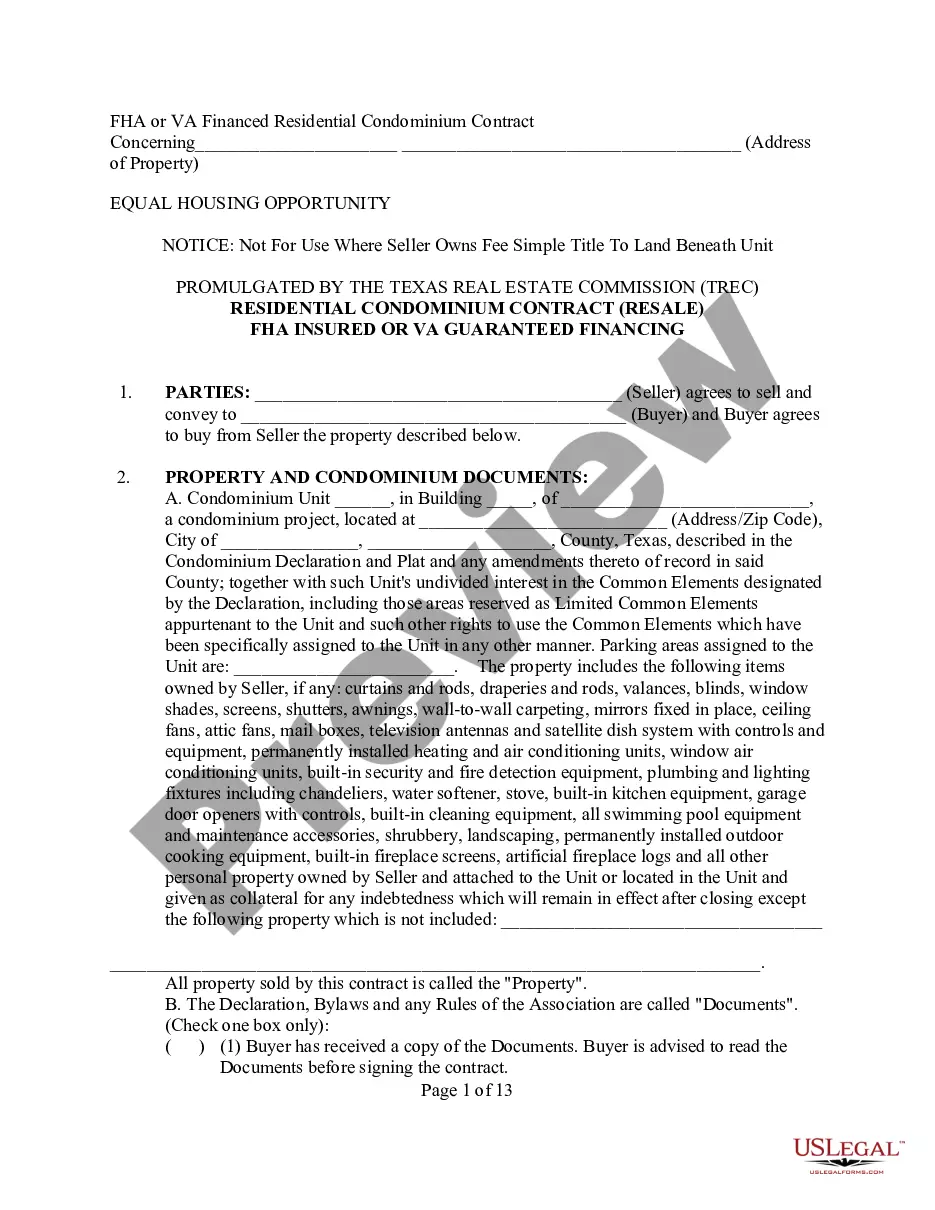
Texas Condominium Insured For Rent
Description


Get your form ready online
Our built-in tools help you complete, sign, share, and store your documents in one place.
Make edits, fill in missing information, and update formatting in US Legal Forms—just like you would in MS Word.
Download a copy, print it, send it by email, or mail it via USPS—whatever works best for your next step.
Sign and collect signatures with our SignNow integration. Send to multiple recipients, set reminders, and more. Go Premium to unlock E-Sign.
If this form requires notarization, complete it online through a secure video call—no need to meet a notary in person or wait for an appointment.
We protect your documents and personal data by following strict security and privacy standards.

Make edits, fill in missing information, and update formatting in US Legal Forms—just like you would in MS Word.

Download a copy, print it, send it by email, or mail it via USPS—whatever works best for your next step.

Sign and collect signatures with our SignNow integration. Send to multiple recipients, set reminders, and more. Go Premium to unlock E-Sign.

If this form requires notarization, complete it online through a secure video call—no need to meet a notary in person or wait for an appointment.

We protect your documents and personal data by following strict security and privacy standards.
Looking for another form?






How to fill out Texas Financing?
- If you are a returning user, log in to your account to access your previous documents, and click the Download button for the necessary form template.
- For first-time users, begin by browsing the extensive library of forms. Check out the Preview mode and ensure the chosen legal form complies with local laws.
- If required, use the Search functionality to find alternative templates that better meet your needs.
- Click on the Buy Now button for the selected document and select your preferred subscription plan; create an account for access.
- Enter payment details using a credit card or PayPal to finalize your subscription purchase.
- Download the completed form to your device and conveniently access it anytime via the My Forms section.
US Legal Forms offers an extensive library with over 85,000 editable legal documents. Their robust collection not only outnumbers competitors but also ensures users receive comprehensive support from premium experts.
Ready to streamline your rental process? Start today with US Legal Forms and secure the documentation you need for your Texas condominium insurance.
Form popularity
FAQ
Condo insurance covers various risks associated with your Texas condominium insured for rent. Key protections include personal property coverage, liability protection, and structural coverage for parts of the building you own. Additionally, you may have protection against common risks such as fire, vandalism, and natural disasters. To ensure you have the right coverage, review your policy options through platforms like US Legal Forms to guide you in selecting the best insurance.
The minimum coverage form provides basic protection for your Texas condominium insured for rent. This typically includes coverage for your personal property, as well as liability protection if someone is injured in your unit. However, keep in mind that this may not cover all potential risks, so consider additional coverage for maximum protection. Always consult your insurance provider to understand the details of your coverage.
Yes, condo insurance can cover rentals, but it's essential to ensure your Texas condominium insured for rent has the appropriate coverage. Many policies specifically include provisions for rental units. This might protect you from losses caused by fire, theft, or water damage while you rent out your space. Always review your policy to confirm what is included.
A condo owner should have a basic HO-6 policy, which covers personal property, liability, and loss of use. Additionally, consider bundling policies or enhancing coverage to include additional riders for high-value items. By ensuring your Texas condominium insured for rent has comprehensive insurance, you can safeguard your investment and enjoy peace of mind.
A good rule of thumb for condo insurance is to ensure you have coverage equal to the total value of your personal property and liability protection that matches or exceeds your net worth. This approach allows you to mitigate financial risks effectively. It’s crucial to assess the unique aspects of your Texas condominium insured for rent to tailor policies to best suit your situation.
The inium coverage form, commonly referred to as the HO-6 form, provides essential coverage for condominium owners. It protects personal belongings and offers liability coverage tailored for condo living. To ensure your Texas condominium insured for rent is fully protected, it’s important to understand this form and how it relates to your specific insurance needs.
Homeowners should typically use form HO-6 to insure a condominium. This form is specifically designed for condo owners and covers personal property, liability, and additional living expenses. Opting for this specialized form helps ensure that your Texas condominium insured for rent receives the comprehensive protection needed for unique risks associated with condo ownership.
Condo insurance in Texas generally covers personal property, loss of use, and personal liability. This means if a disaster occurs, your belongings are protected, and you have funds for temporary housing. Always review your policy to understand how it protects your Texas condominium insured for rent, ensuring you have adequate coverage for local risks.
A condo owner typically needs both a homeowners association (HOA) insurance policy and personal condominium insurance. HOA insurance usually covers common areas and shared structures, but it doesn’t protect your belongings. Therefore, it's essential to obtain personal coverage to ensure your Texas condominium insured for rent is secure from theft, natural disasters, and other liabilities.
Your condo association insurance typically covers damages to common areas, property liability claims, and other essential protections necessary for maintaining a Texas condominium insured for rent. It often includes coverage for the structure itself, protecting against fire, water damage, and theft. Reviewing your policy with your insurance provider ensures you understand the extent of your coverage and how it benefits your community.