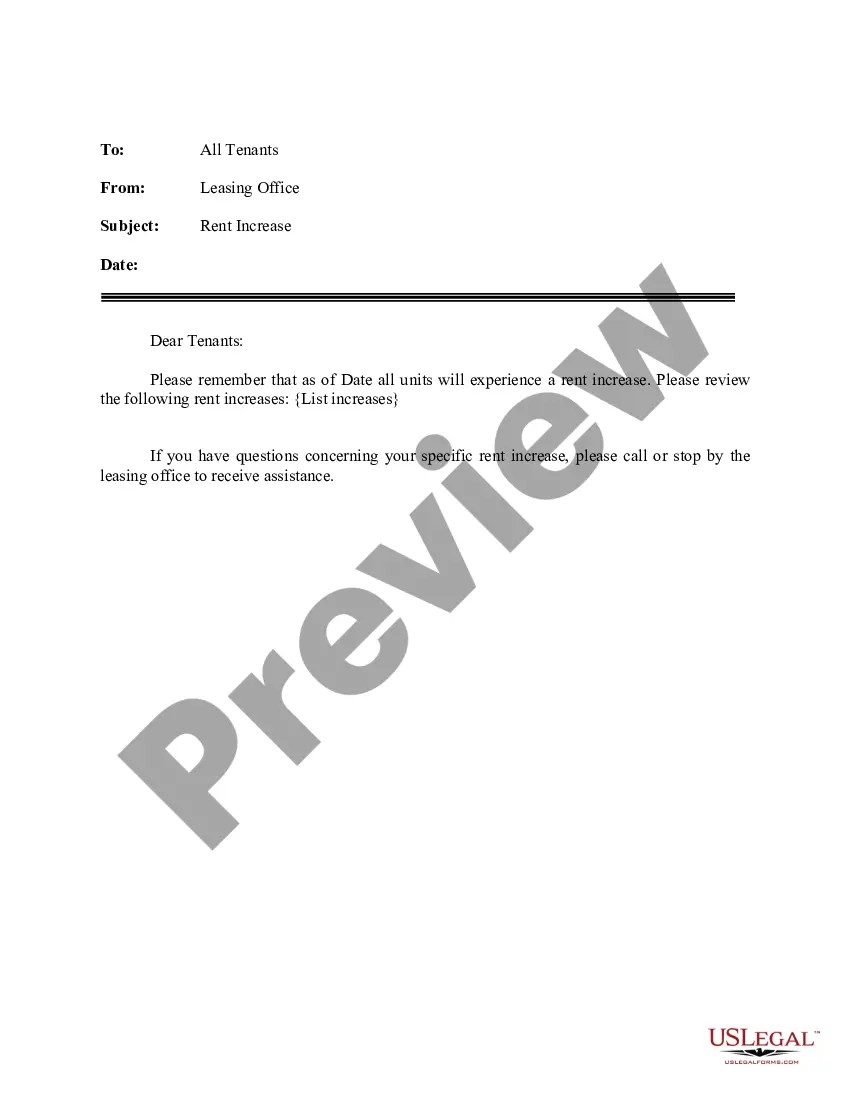
Tenant Landlord Rent With A Tenant
Description
Get your form ready online
Our built-in tools help you complete, sign, share, and store your documents in one place.
Make edits, fill in missing information, and update formatting in US Legal Forms—just like you would in MS Word.
Download a copy, print it, send it by email, or mail it via USPS—whatever works best for your next step.
Sign and collect signatures with our SignNow integration. Send to multiple recipients, set reminders, and more. Go Premium to unlock E-Sign.
If this form requires notarization, complete it online through a secure video call—no need to meet a notary in person or wait for an appointment.
We protect your documents and personal data by following strict security and privacy standards.
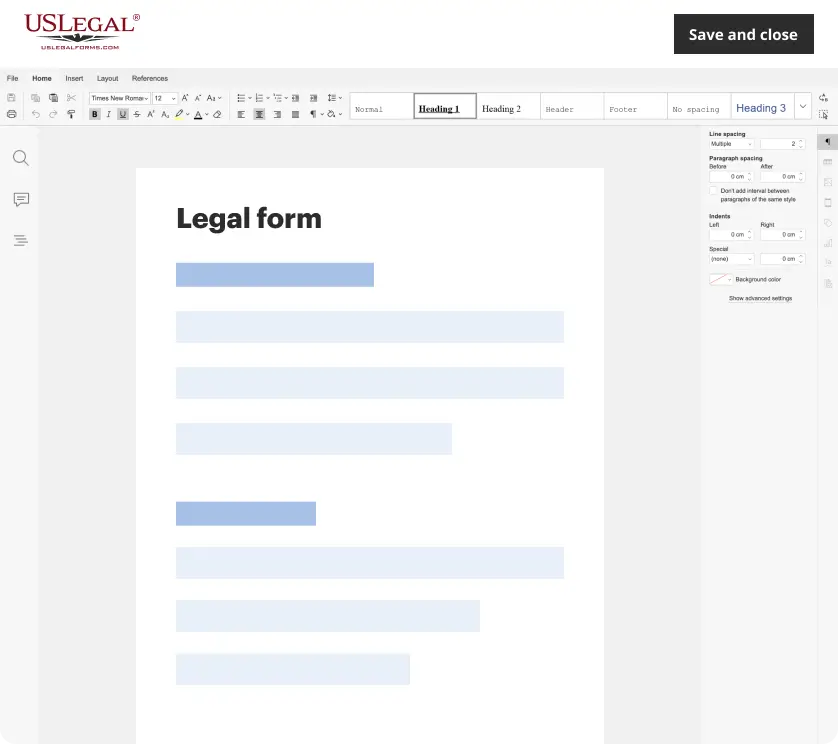
Make edits, fill in missing information, and update formatting in US Legal Forms—just like you would in MS Word.
Download a copy, print it, send it by email, or mail it via USPS—whatever works best for your next step.
Sign and collect signatures with our SignNow integration. Send to multiple recipients, set reminders, and more. Go Premium to unlock E-Sign.
If this form requires notarization, complete it online through a secure video call—no need to meet a notary in person or wait for an appointment.
We protect your documents and personal data by following strict security and privacy standards.
Looking for another form?
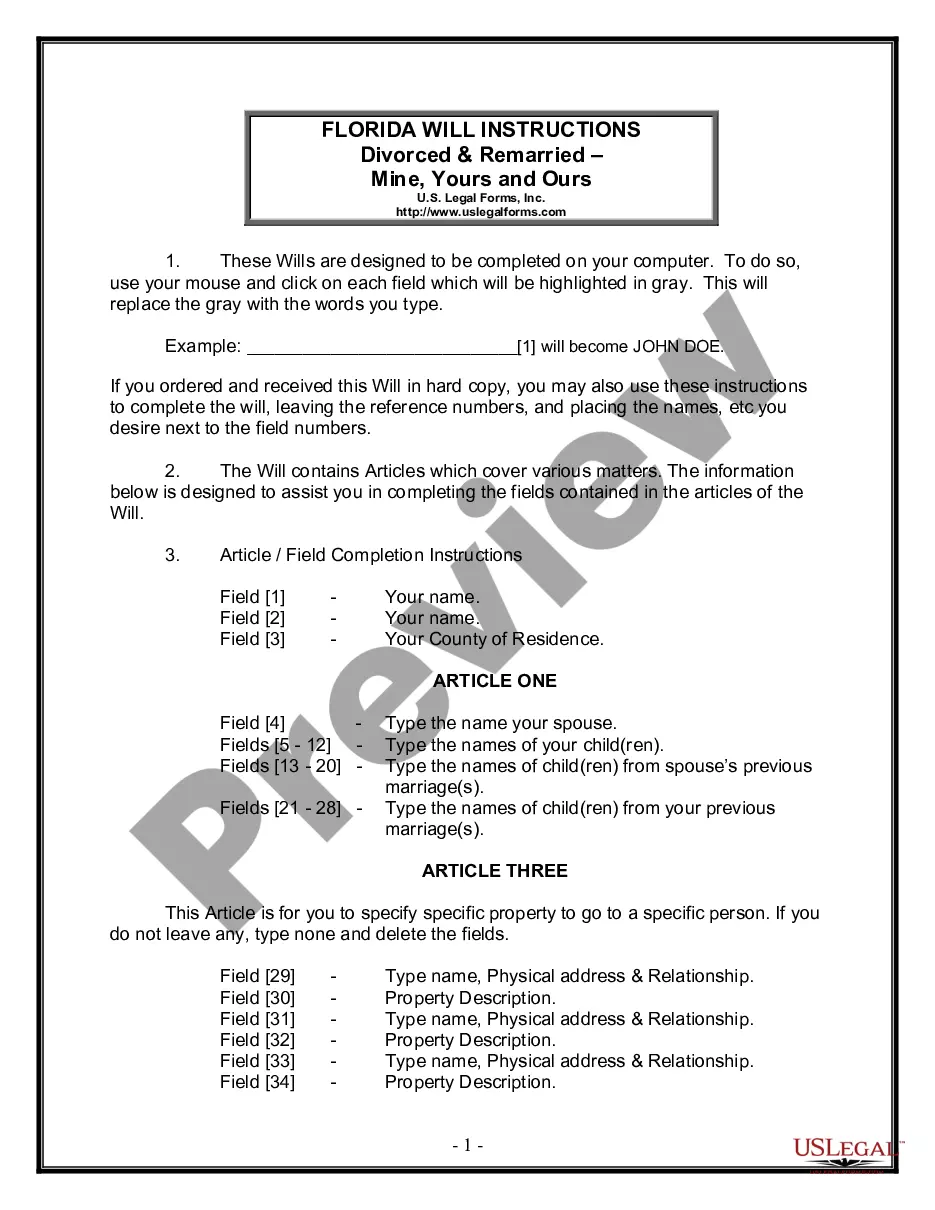




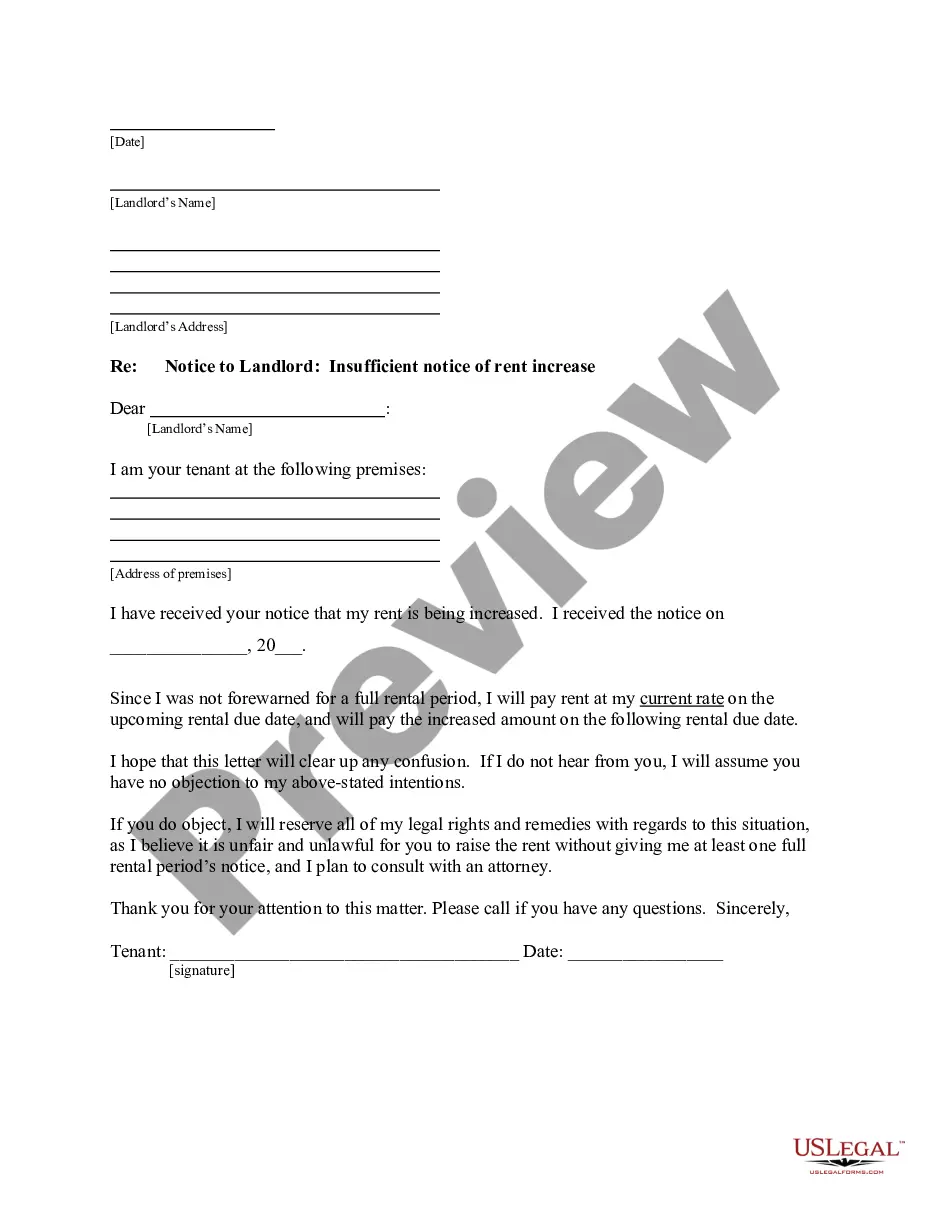
How to fill out Texas Letter From Tenant To Landlord About Insufficient Notice Of Rent Increase?
- Log in to your account if you're a returning user and ensure your subscription is active. If your plan has expired, renew it before proceeding.
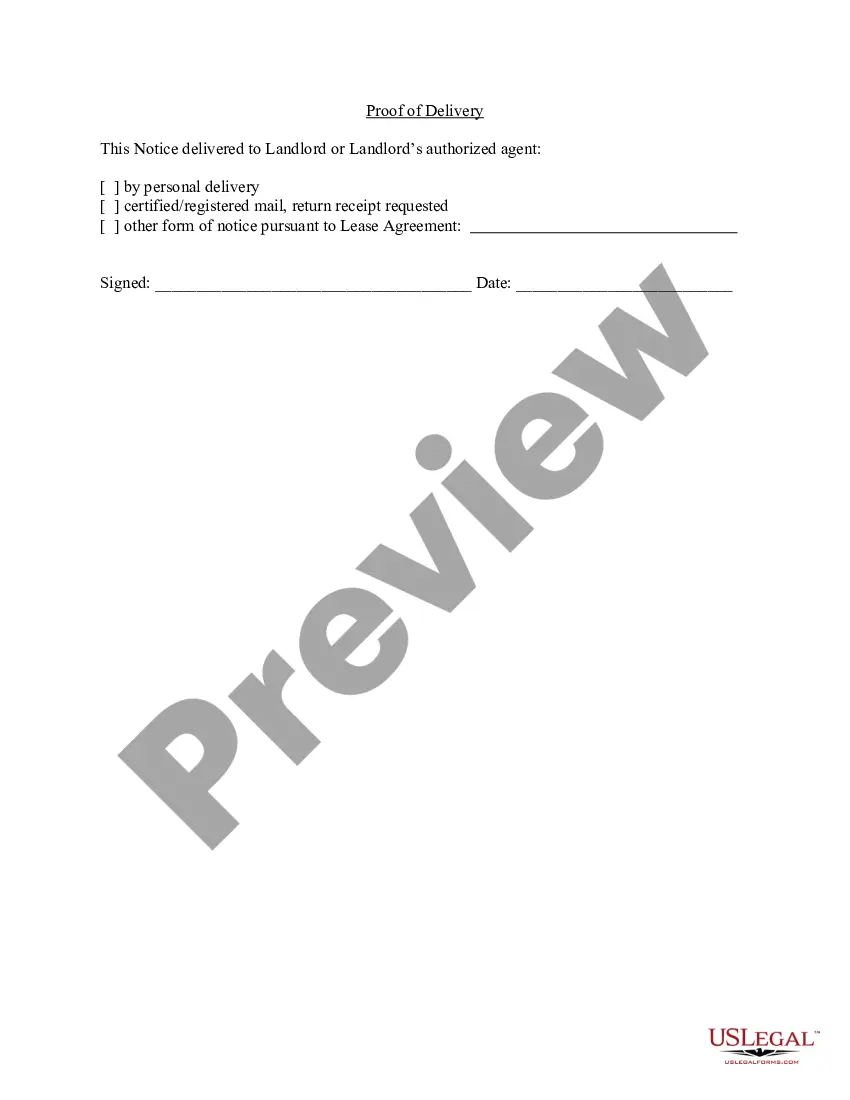
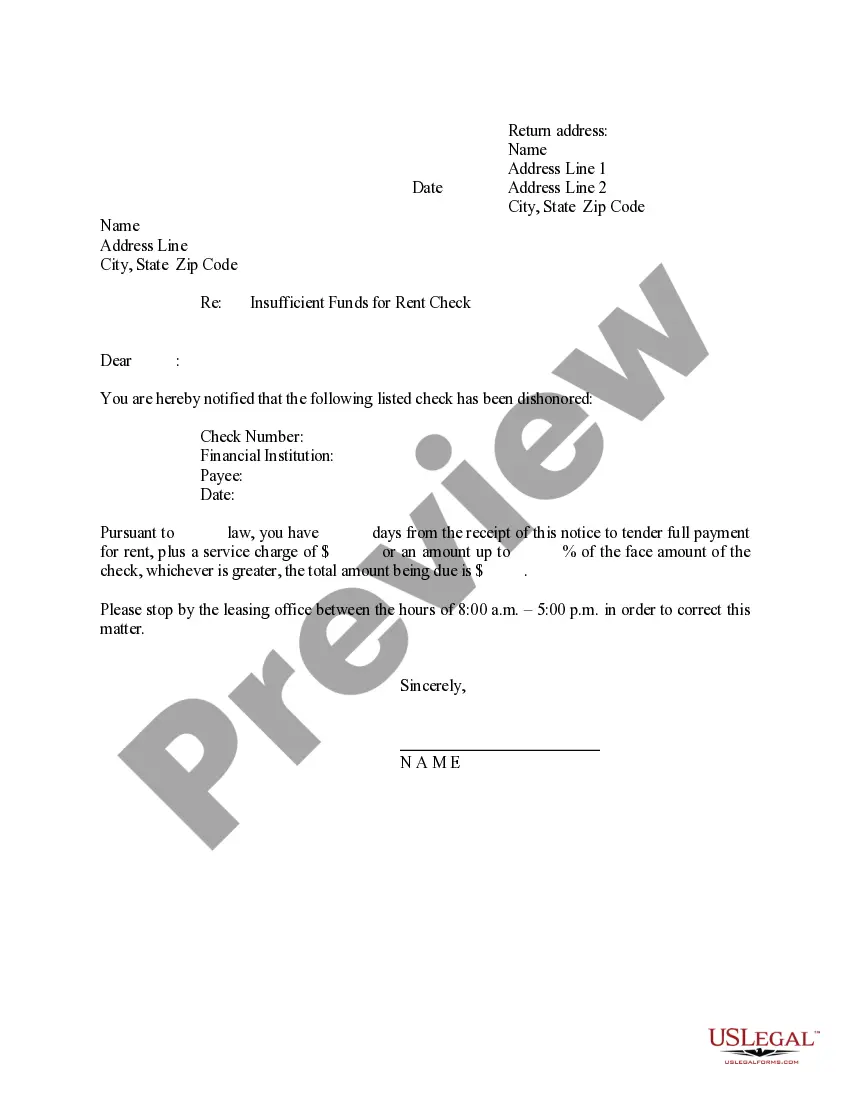
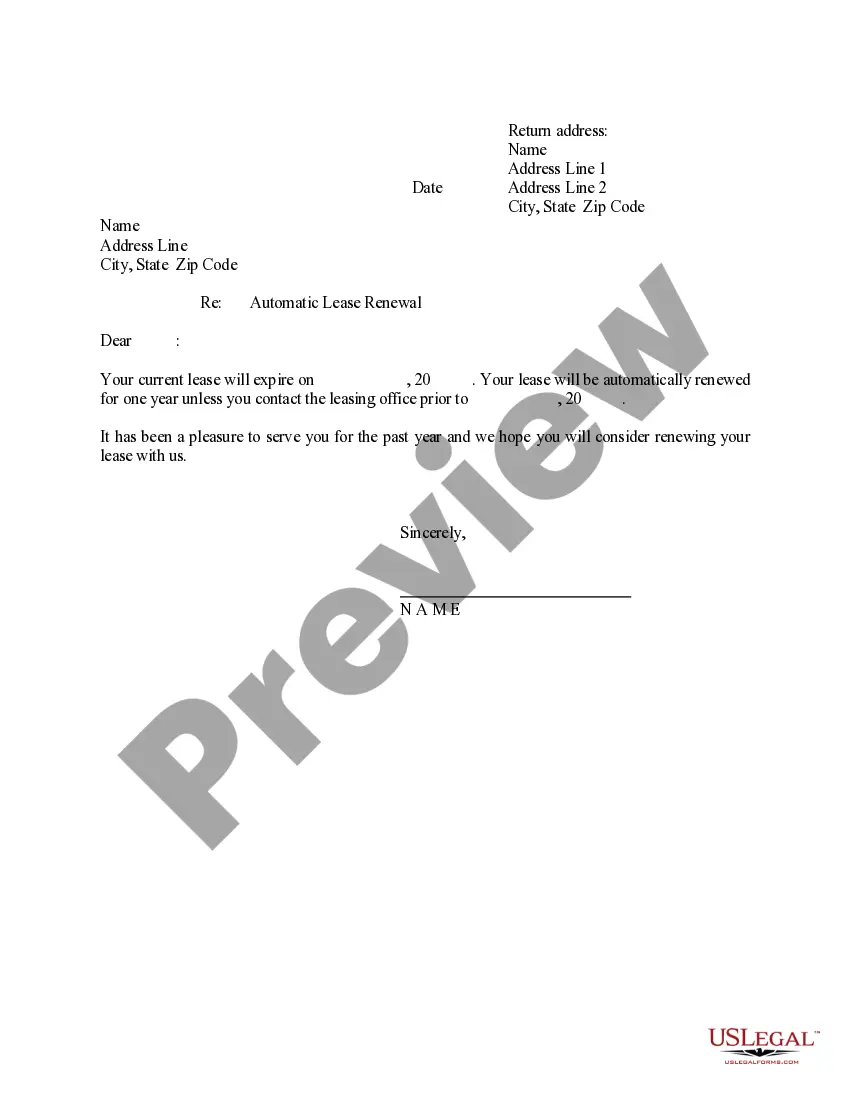
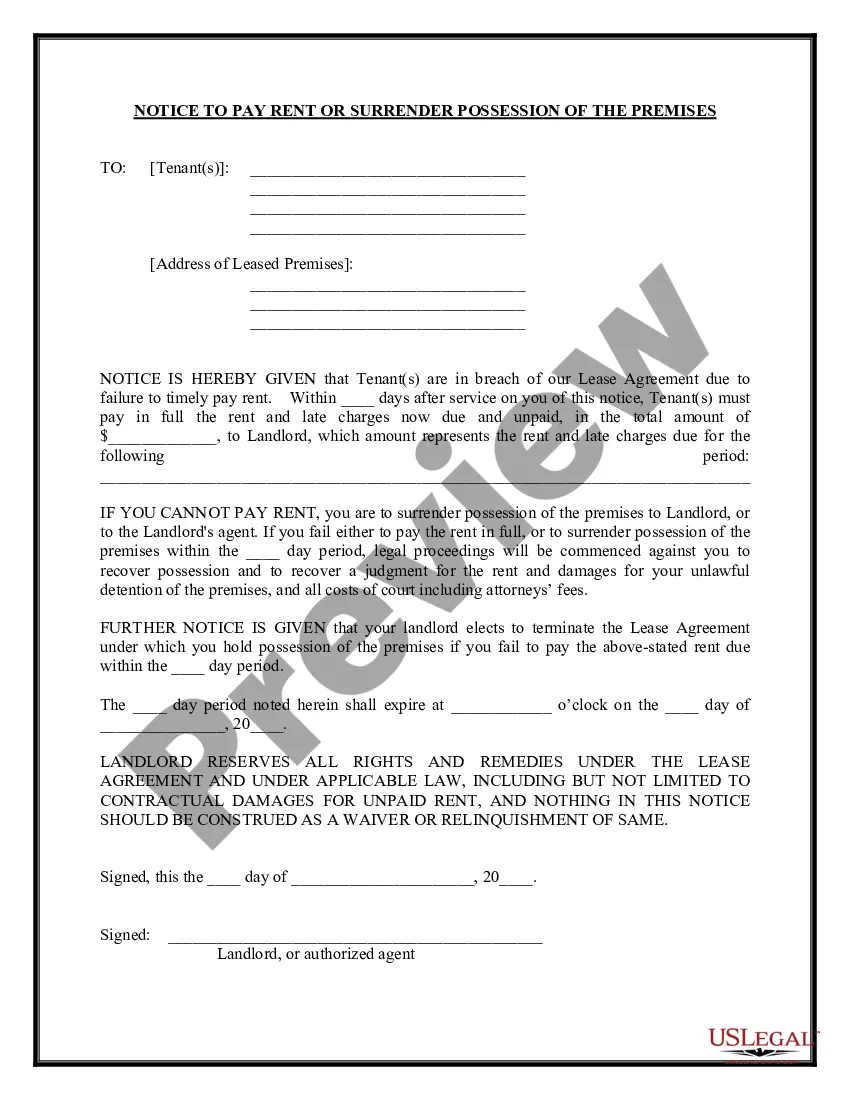
- For new users, start by reviewing the Preview mode of the desired form. Confirm that it meets your legal requirements and is suitable for your jurisdiction.
- If the form doesn’t meet your needs, utilize the Search feature to explore other templates until you find the right one.
- Once you've selected your form, click the 'Buy Now' button and choose a subscription plan that aligns with your needs. Create an account to gain access to the library.
- Complete your payment using a credit card or PayPal to finalize your subscription.
- After your purchase, download your form directly to your device. You can also access it anytime from the 'My Forms' section of your profile.
US Legal Forms offers a vast collection of over 85,000 legal templates, making it the go-to resource for anyone looking to navigate the rental process. With premium experts available for assistance, you can ensure that your forms are completed accurately and legally.
Start simplifying your rental experience today! Visit US Legal Forms now to access your legal documentation needs.
Form popularity
FAQ
The best way to receive rent from a tenant often involves clear agreement on payment methods. Use online platforms, checks, or direct deposits, as these options offer convenience and documentation. Establishing a reliable system can enhance communications about tenant-landlord rent duties. For help in creating proper lease agreements, check out US Legal Forms.
Having a past eviction can make securing rental agreements more challenging, but it’s not impossible. Landlords might consider other aspects, such as your rental history with tenant-landlord rent payments or references. Being honest and providing a clear explanation can improve your chances. Additionally, consider documenting your financial stability to reassure potential landlords.
Landlords typically check rental history reports or specific tenant screening services to view past evictions. These reports provide insights into a potential tenant's history, including tenant-landlord rent interactions. By understanding these histories, landlords can make informed decisions. You might consider using resources like US Legal Forms to prepare proper documentation.
During an eviction process, a landlord cannot refuse to accept rent. Accepting rent does not invalidate the eviction but complicates the situation for both landlord and tenant. Clear communication about tenant-landlord rent issues is essential. It's advisable to consult legal resources to navigate this effectively.
In Vermont, eviction rules require landlords to follow specific legal procedures. Generally, a landlord must provide tenants with adequate notice and file a case in court if the tenant does not vacate. Understanding tenant-landlord rent relationships can help both parties avoid conflicts. For comprehensive forms and guidance, consider using US Legal Forms to simplify your process.
Yes, you can ask someone to leave if they are not on the lease, but the process may vary depending on state laws. If that person has established residency, you may need to go through a formal eviction process. Communicate clearly and respectfully to resolve the situation amicably. For guidance on how to proceed, platforms like USLegalForms can help navigate the complexities of tenant landlord rent with a tenant.
Yes, you could face eviction if someone lives with you without the landlord's permission, especially if your lease specifies restrictions on additional occupants. Landlords often reserve the right to limit who can reside in their rental properties. It is best to seek permission and ensure that you are complying with your lease terms. Handling this situation correctly can prevent potential disputes over tenant landlord rent with a tenant.
In general, a person may claim residency after living in your home for a certain period, often around 30 days. Factors influencing this can include your lease agreement and whether rent is exchanged. It's crucial to know local laws, as they often govern these situations. If in doubt, consulting resources like USLegalForms can provide clarity on tenant landlord rent with a tenant.
In Arkansas, the eviction process typically requires landlords to provide proper notice before filing for eviction. This notice must state the reason for eviction, such as non-payment of rent. Following the notice period, landlords can file for eviction in court if the tenant does not resolve the issue. Understanding these rules helps both tenants and landlords navigate tenant landlord rent with a tenant more effectively.
Yes, someone can live with you even if they are not on the lease. However, as the primary tenant, you may still have obligations to your landlord regarding any additional occupants. It is wise to check your lease agreement for any restrictions on subleasing or guests. To ensure compliance, consider discussing the situation with your landlord.