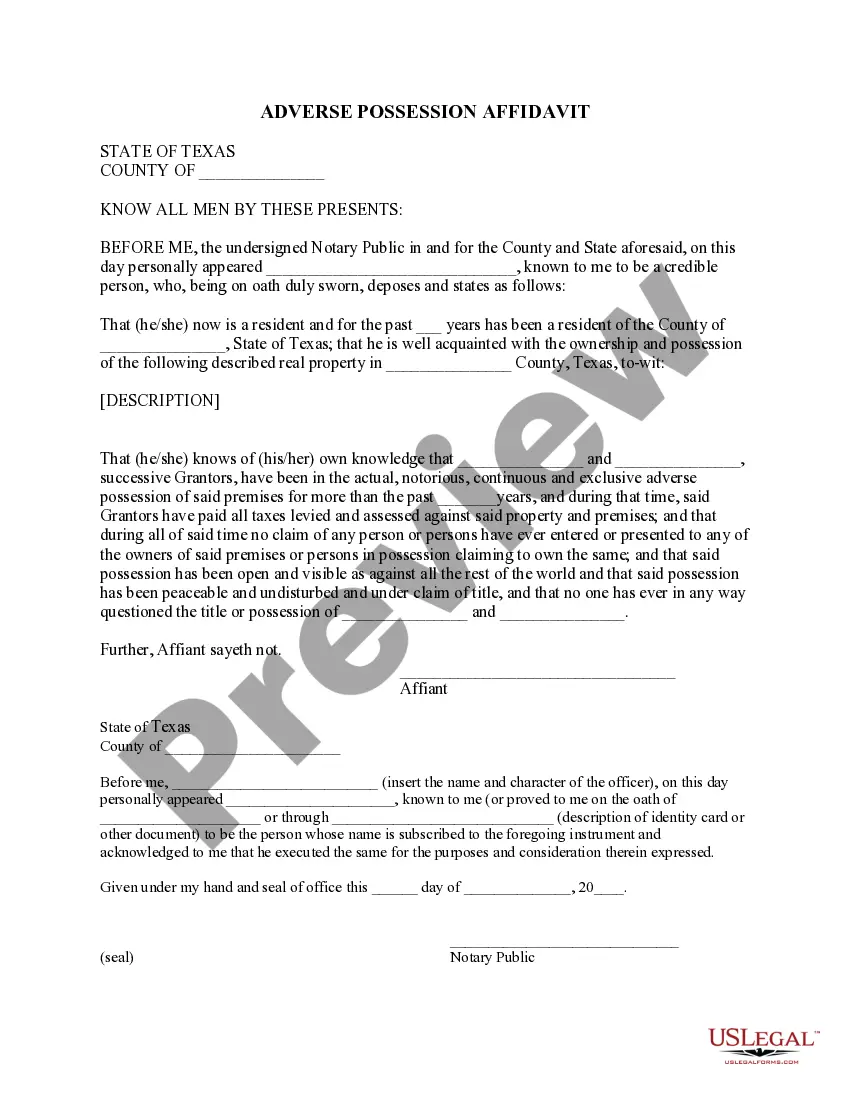
Suit For Adverse Possession Draft
Description
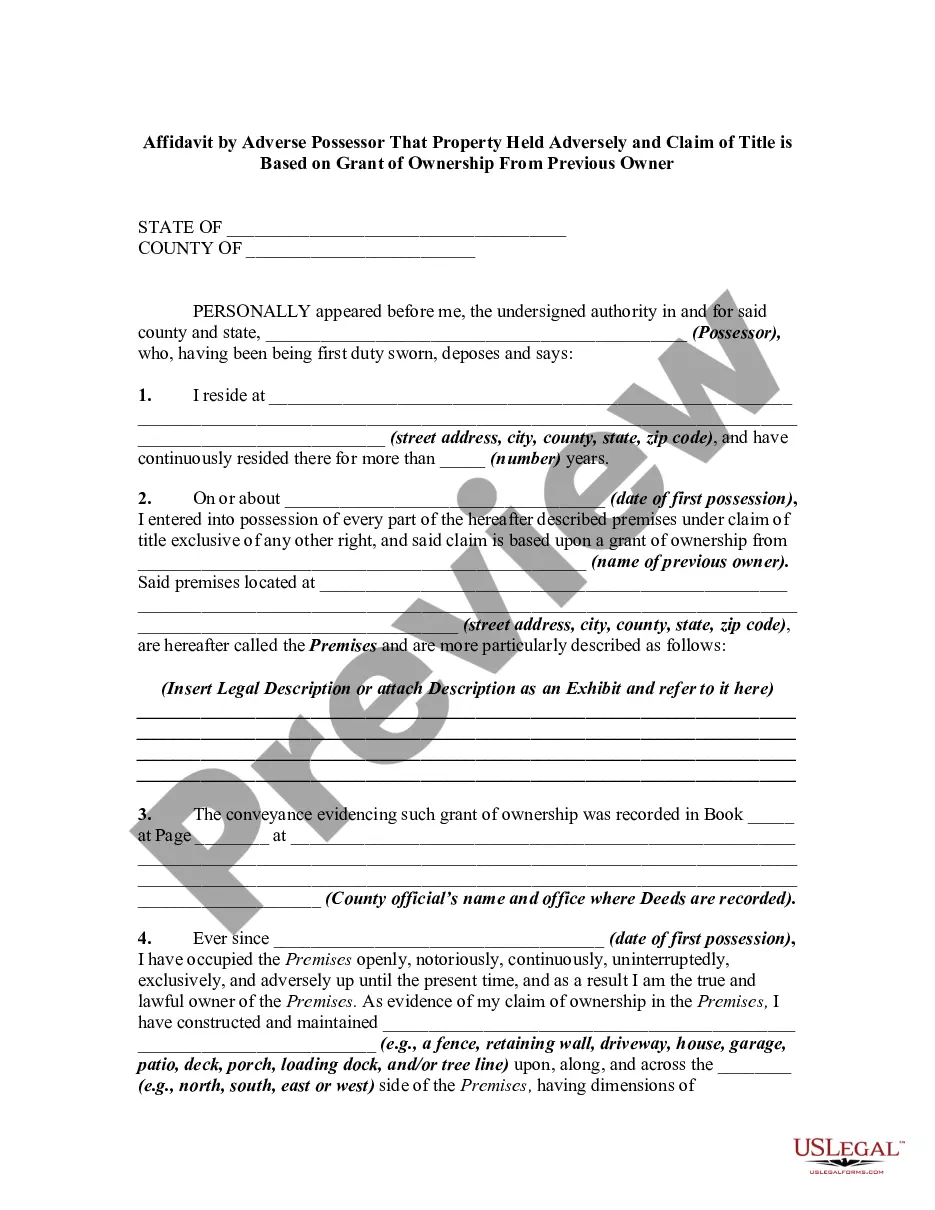
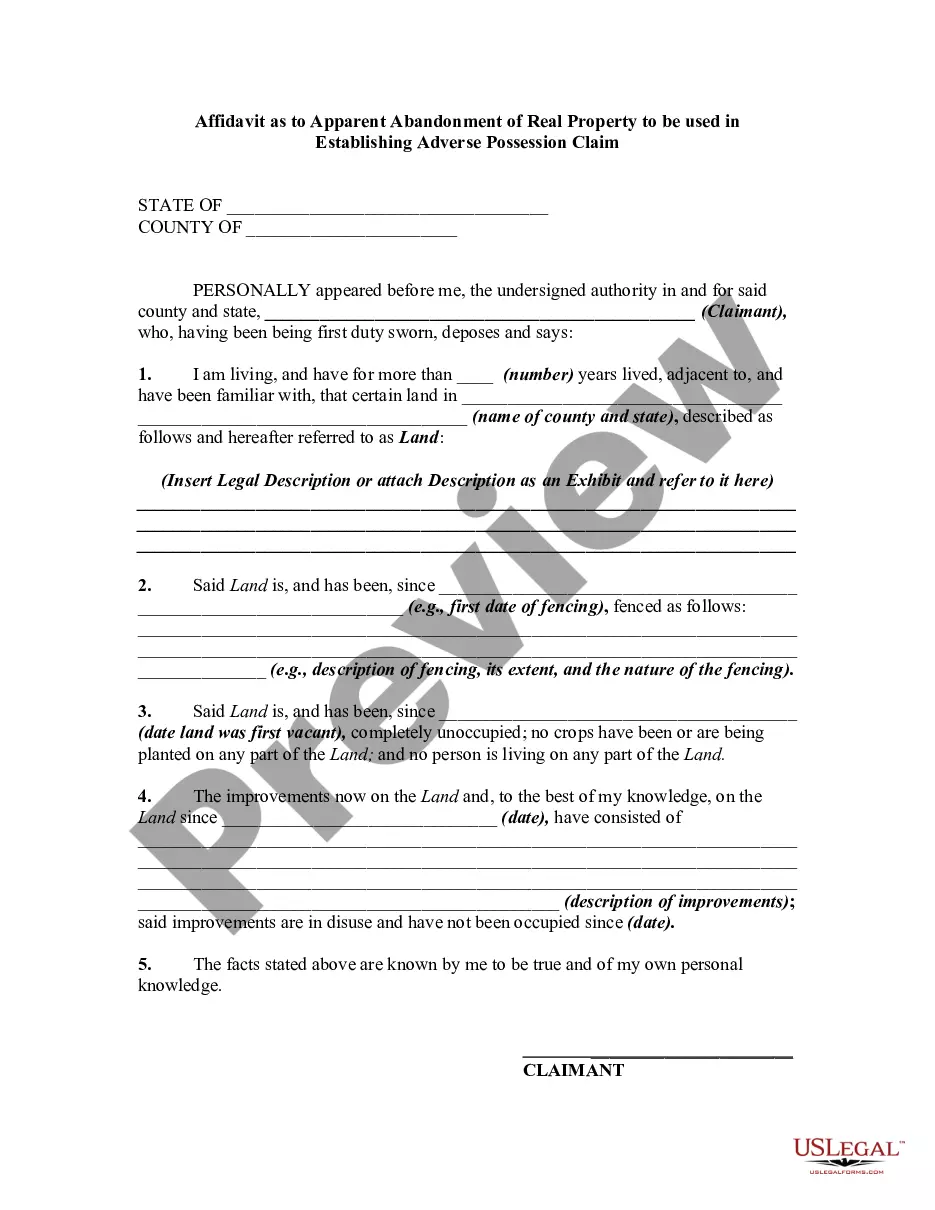
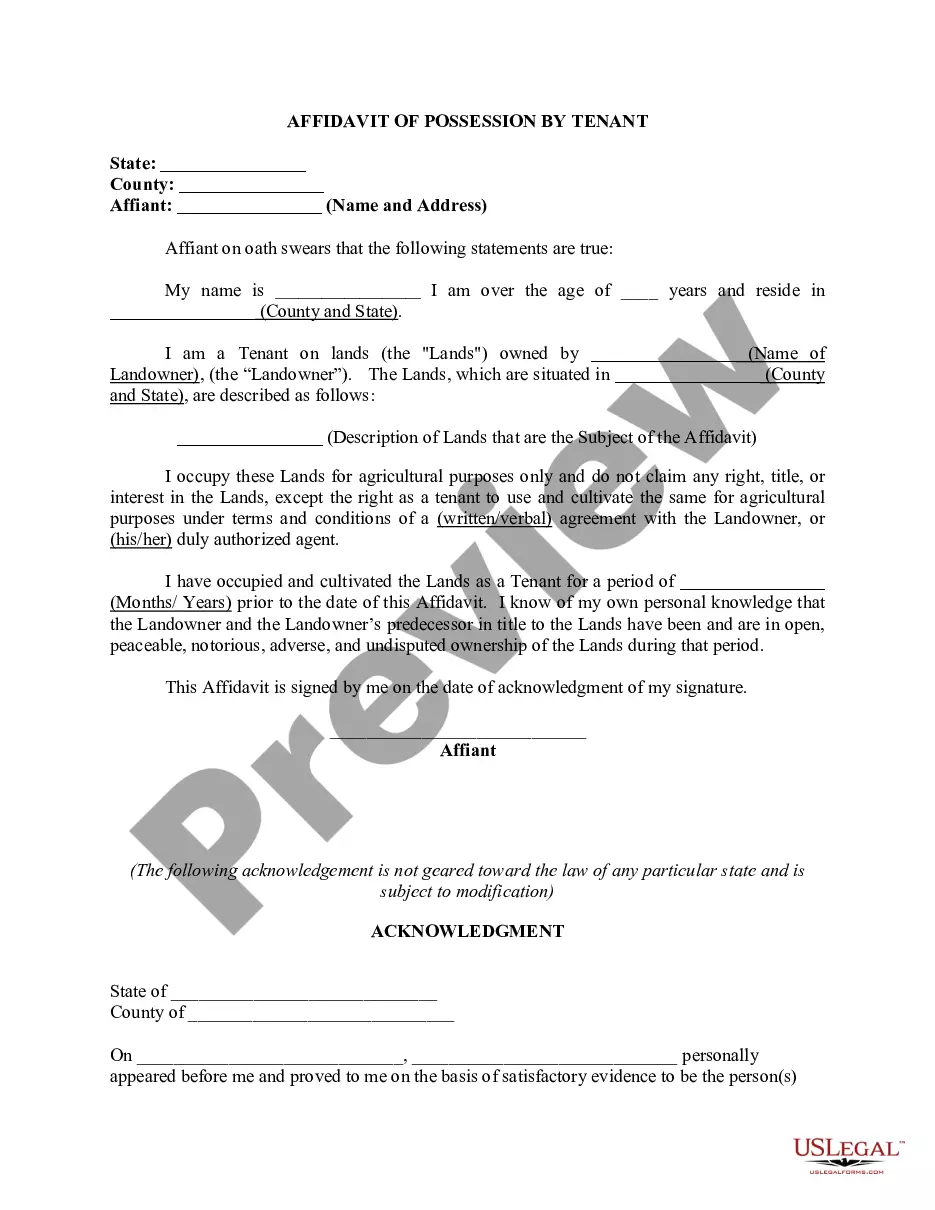
Get your form ready online
Our built-in tools help you complete, sign, share, and store your documents in one place.
Make edits, fill in missing information, and update formatting in US Legal Forms—just like you would in MS Word.
Download a copy, print it, send it by email, or mail it via USPS—whatever works best for your next step.
Sign and collect signatures with our SignNow integration. Send to multiple recipients, set reminders, and more. Go Premium to unlock E-Sign.
If this form requires notarization, complete it online through a secure video call—no need to meet a notary in person or wait for an appointment.
We protect your documents and personal data by following strict security and privacy standards.

Make edits, fill in missing information, and update formatting in US Legal Forms—just like you would in MS Word.

Download a copy, print it, send it by email, or mail it via USPS—whatever works best for your next step.

Sign and collect signatures with our SignNow integration. Send to multiple recipients, set reminders, and more. Go Premium to unlock E-Sign.

If this form requires notarization, complete it online through a secure video call—no need to meet a notary in person or wait for an appointment.

We protect your documents and personal data by following strict security and privacy standards.
Looking for another form?
How to fill out Texas Adverse Possession Affidavit - Squatters Rights?
- Log in to your account on US Legal Forms. If you're a new user, create an account to access their extensive form library.
- Search for the specific template by checking the Preview mode and form descriptions to ensure it meets your local jurisdiction needs.
- If necessary, use the Search tab to explore additional templates that may suit your requirements better.
- Select the appropriate subscription plan by clicking the Buy Now button. This will allow you to access the document collection.
- Complete the payment using your credit card or PayPal account to finalize your subscription.
- Download the completed form onto your device, ensuring easy access for future revisions or completion.
In conclusion, US Legal Forms empowers individuals to navigate the complexities of legal documentation with ease. Their robust collection and professional resources ensure that you obtain accurate and legally sound documents.
Start your journey today by visiting US Legal Forms and unlock the potential of efficient legal form drafting!
Form popularity
FAQ
Yes, when adverse possession is successfully claimed, the rights to the property transfer to the possessor, regardless of the original owner's wishes. This change is legally recognized once the court issues a judgment confirming the claim. Individuals involved in property transactions should be aware of how a 'suit for adverse possession draft' can impact ownership. Engaging with legal platforms can provide clarity on such matters.
To record adverse possession, the claimant must file a suit in court and obtain a judgment recognizing their ownership rights. This judgment should be recorded with the local land records office to inform others of the new ownership status. For those drafting a 'suit for adverse possession draft,' having proper legal documentation is essential to navigate this process smoothly. This ensures clarity and protection of the claimed property.
In Connecticut, the laws of adverse possession require that the possessor uses the land openly, continuously, and without the owner's permission for at least 15 years. The use must be exclusive and adverse to the interests of the true owner. Understanding these rules is vital for anyone considering a 'suit for adverse possession draft' or defending against one. Consulting legal resources can clarify these guidelines.
To defeat a claim of adverse possession, the property owner should gather evidence that proves their ownership and shows that the possessor lacks the necessary elements to make a successful claim. This can include documentation of land use, witness statements, or evidence of permission granted. Properly addressing these claims can reduce the likelihood of needing a 'suit for adverse possession draft.' Proactively managing property boundaries is crucial.
An example of adverse possession occurs when a person occupies a piece of land owned by someone else without permission. For instance, if someone maintains a garden on an abandoned lot for a certain period, they may be able to claim it. This situation can lead to a 'suit for adverse possession draft' if the rightful owner decides to reclaim their property. These cases often highlight the importance of clearly defining property boundaries.
In North Carolina, the requirements for filing a suit for adverse possession draft are focused on possession that is continuous for at least 20 years. The possession must be actual, meaning you live on and use the property regularly. Additionally, your use must be visible and notorious, allowing others to notice that you are asserting ownership. Lastly, your possession must be hostile and without permission from the rightful owner, establishing your claim in a clear manner. Utilizing platforms like US Legal Forms can help you navigate these requirements efficiently.
In Texas, to successfully file a suit for adverse possession draft, you must meet five key requirements. First, you need continuous possession of the property for at least ten years. Second, your possession must be open and notorious, meaning it is visible and obvious to others. Third, your use must be exclusive; you cannot share possession with others. Fourth, your possession must be hostile, asserting your rights against the true owner. Lastly, you must establish that your claim is based on a legitimate, documented title, thereby solidifying your ownership.
When acquiring property by adverse possession, you must show that your possession is continuous, exclusive, and openly acknowledged for the required period defined by state law. This usually means using the land as if you own it, without consent from the actual owner. Using our platform, you can find detailed guides and examples to draft your suit for adverse possession, meeting all necessary requirements.
A crucial element for acquiring ownership through adverse possession is that the claimant's possession must be actual and exclusive. This means that the claimant must physically use the property and not share that usage with the original owner or the public. Having the right forms to illustrate these elements can greatly aid your suit for adverse possession.
To successfully claim property by adverse possession, you must prove that your possession of the land is actual, open, notorious, exclusive, and continuous for the statutory period. Each of these elements reinforces your right to make a claim against the original owner's title. Consider utilizing uslegalforms tools to draft your suit for adverse possession efficiently.