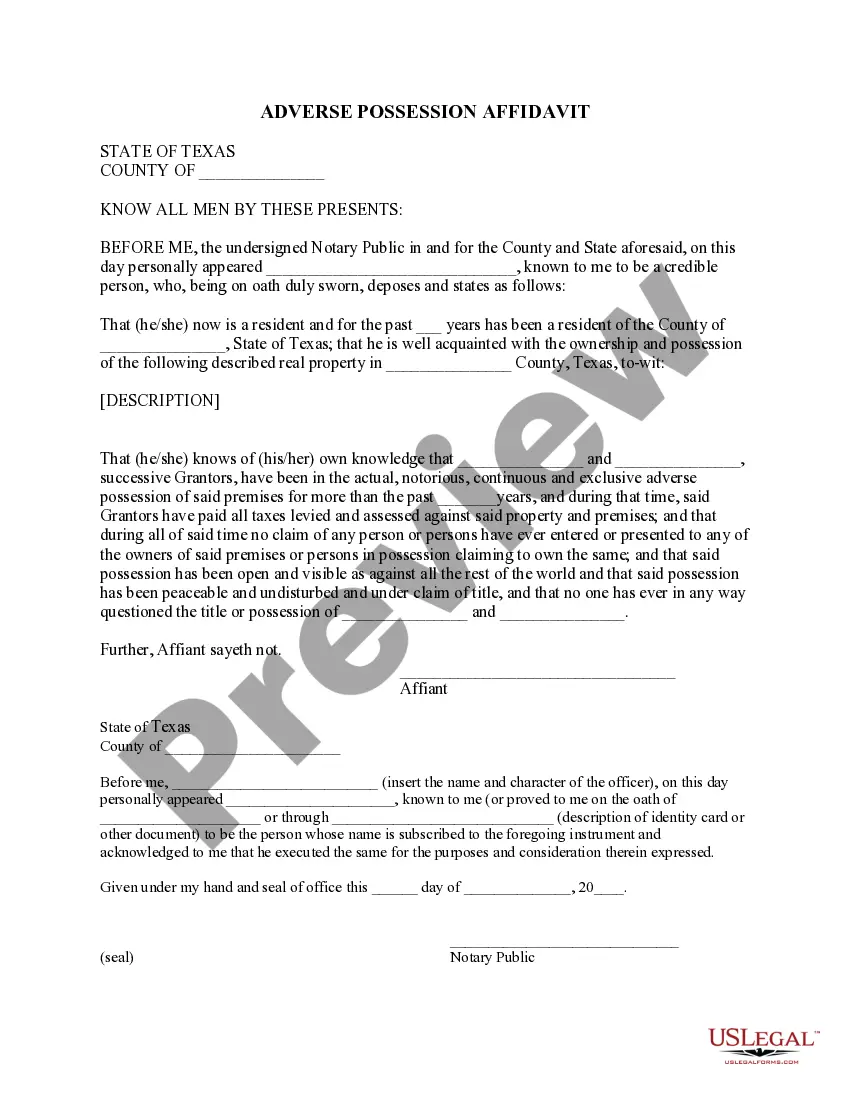
Grantors Towit Successive Withholding Tax
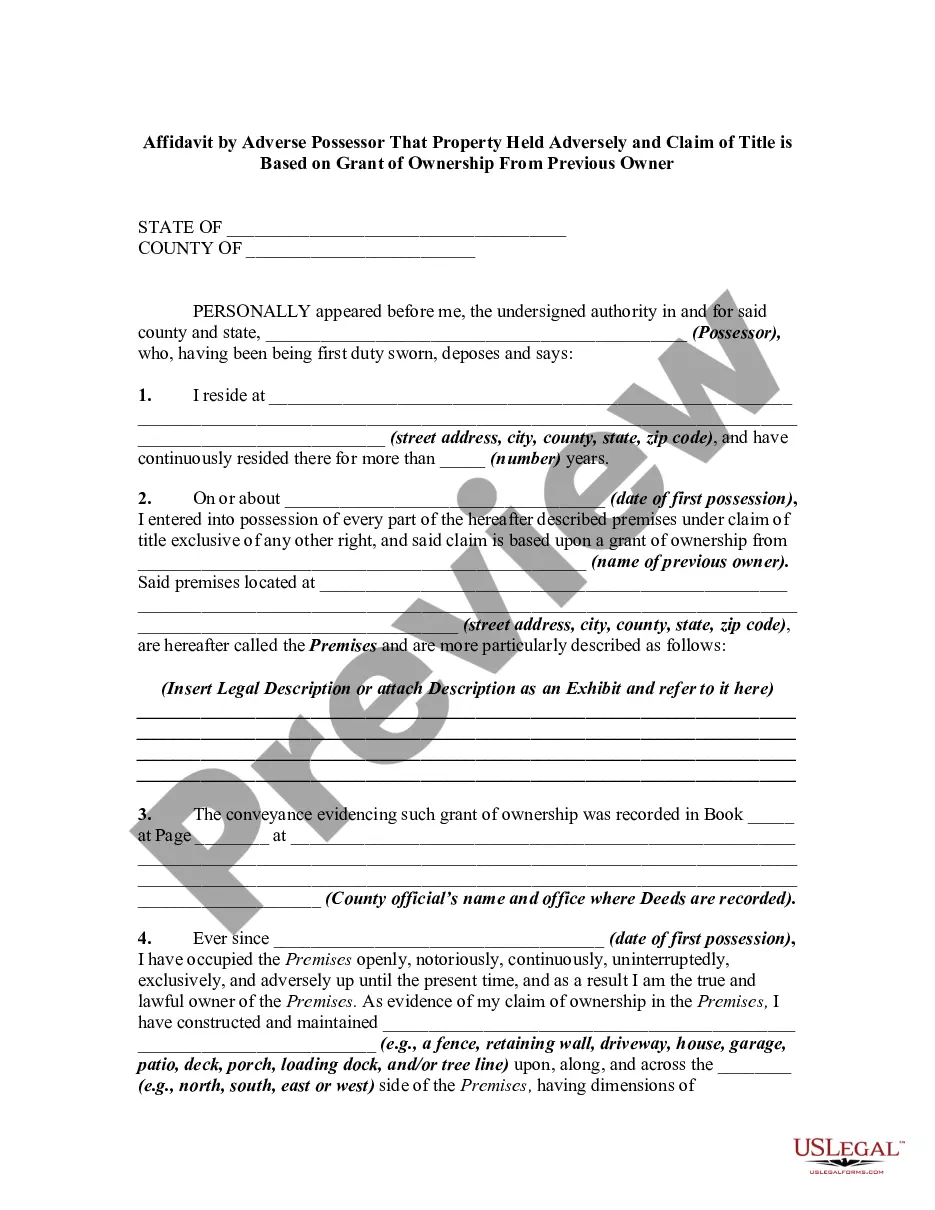
Description


Get your form ready online
Our built-in tools help you complete, sign, share, and store your documents in one place.
Make edits, fill in missing information, and update formatting in US Legal Forms—just like you would in MS Word.
Download a copy, print it, send it by email, or mail it via USPS—whatever works best for your next step.
Sign and collect signatures with our SignNow integration. Send to multiple recipients, set reminders, and more. Go Premium to unlock E-Sign.
If this form requires notarization, complete it online through a secure video call—no need to meet a notary in person or wait for an appointment.
We protect your documents and personal data by following strict security and privacy standards.

Make edits, fill in missing information, and update formatting in US Legal Forms—just like you would in MS Word.

Download a copy, print it, send it by email, or mail it via USPS—whatever works best for your next step.

Sign and collect signatures with our SignNow integration. Send to multiple recipients, set reminders, and more. Go Premium to unlock E-Sign.

If this form requires notarization, complete it online through a secure video call—no need to meet a notary in person or wait for an appointment.

We protect your documents and personal data by following strict security and privacy standards.
Looking for another form?






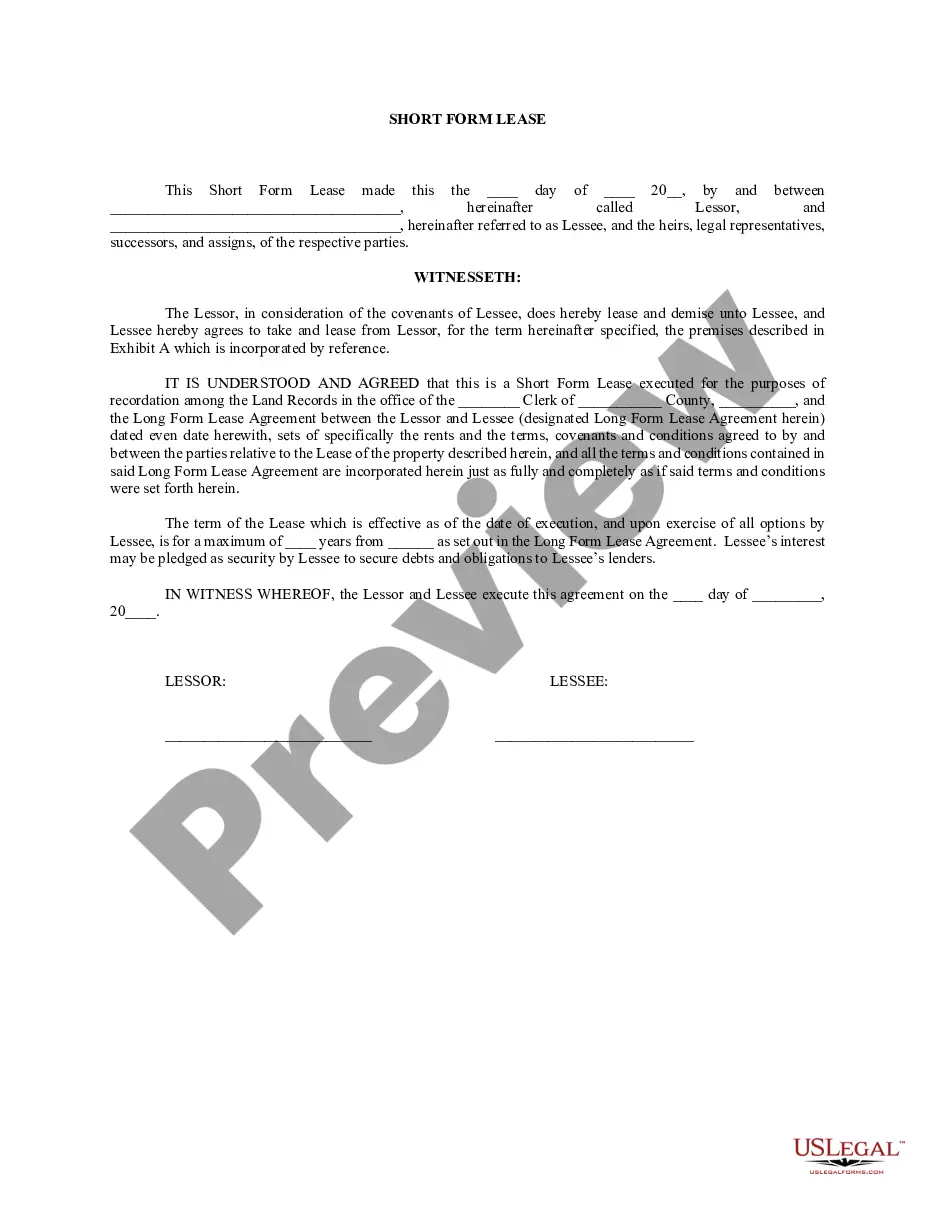


How to fill out Texas Adverse Possession Affidavit - Squatters Rights?
- Log into your existing US Legal Forms account by visiting the login page.
- Verify your subscription status to ensure it’s valid. If necessary, renew your plan to access form templates.
- Browse through the preview mode to select the appropriate form that aligns with your requirements and local jurisdiction.
- If you need additional templates, utilize the Search feature to find the perfect match before proceeding.
- Purchase the document by clicking the Buy Now button, and choose a subscription plan that fits your needs.
- Complete your transaction by entering your payment details or using your PayPal account to secure the subscription.
- Download the legal form to your device and store it securely for future reference within your profile's My Forms section.
With US Legal Forms, individuals gain access to a vast library of over 85,000 easily fillable and editable legal documents. The platform allows users to effectively manage their documentation needs with assurance, backed by expert support.
Take advantage of the convenience and extensive resources offered by US Legal Forms today. Start using our service to simplify your legal documentation process!
Form popularity
FAQ
Filing FIRPTA withholding involves completing Form 8288 and submitting it along with payment to the IRS. This process ensures that you comply with the grantors towit successive withholding tax requirements. UsLegalForms offers tools and guidance to help simplify the filing process, ensuring you meet all necessary deadlines and regulations.
If FIRPTA tax is not withheld, the buyer may become liable for the tax payment, along with potential penalties. This situation can complicate your transaction and lead to further issues with the IRS. To avoid complications, ensure that you adhere to grantors towit successive withholding tax guidelines. Consulting with professionals can provide clarity and avoid costly mistakes.
To enter additional withholding, you typically fill out the appropriate forms provided by the IRS, indicating the amount you plan to withhold. It’s crucial to ensure that this amount is compliant with the grantors towit successive withholding tax regulations. If you need assistance, uslegalforms can help guide you through the process smoothly.
Choosing the right tax withholding often depends on various factors, including the type of property and its value. If you are unsure, consider consulting with a tax professional who can provide personalized guidance. UsLegalForms offers resources to help you understand grantors towit successive withholding tax and make informed decisions related to your tax obligations.
An irrevocable trust may need to issue a Form 1099 if it makes distributions that qualify as taxable income. This form assists beneficiaries in reporting the income on their tax returns accurately. Always consider the role of grantors towit successive withholding tax during this process for a thorough understanding of your tax responsibilities.
Distributions from an irrevocable trust must be reported by the beneficiaries on their income tax returns. The trust typically provides beneficiaries with a Schedule K-1 to help them report the income correctly. When considering these distributions, remember the implications of grantors towit successive withholding tax on your overall tax situation.
Income earned by a grantor trust is taxed directly to the grantor. This means the grantor reports the income on their personal tax return, avoiding double taxation at the trust level. Consequently, the grantors towit successive withholding tax is a vital aspect to consider when managing your tax liabilities.
To report income from an irrevocable grantor trust, you will need to include the income on your personal income tax return. The trust should issue a Schedule K-1 to summarize income, deductions, and credits. You might encounter considerations regarding grantors towit successive withholding tax that can influence your tax strategy.
A grantor trust is generally not treated as a separate taxpayer. Instead, the income generated is taxed to the grantor, allowing them to report it on their personal tax return. Being aware of grantors towit successive withholding tax ensures that grantors understand their tax obligations.
Yes, the income distributed from an irrevocable trust is generally taxable to the beneficiaries. When a trust distributes income, it typically passes along the tax responsibility. Understanding the implications of grantors towit successive withholding tax can help you determine how much tax you may owe on that income.